



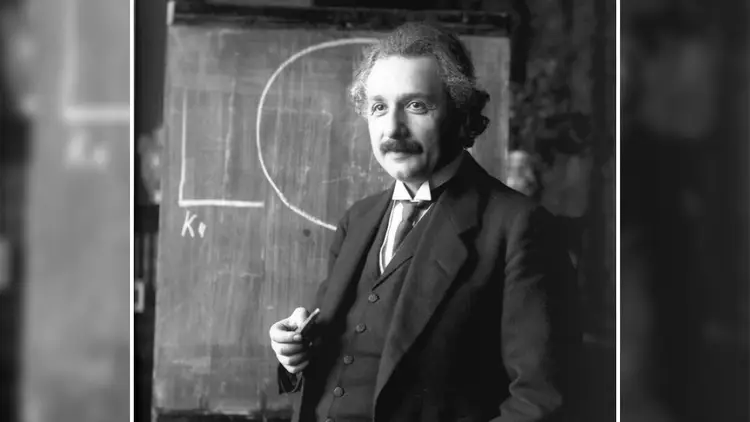


We’ve all grown up hearing captivating stories about history that seem pretty accurate. But in reality, many of these stories and so-called historical facts have turned out to be exaggerations, half-truths, or just completely false. Did Eistein really fail math? And was Napoleon really that short? Myths like these span generations, but luckily, historians have worked long and hard to separate the facts from fiction. In this list, we explore 32 of history’s longest-standing “facts” that have slipped into pop culture and classrooms even though they aren’t actually true.
#21 Napoleon Was Short
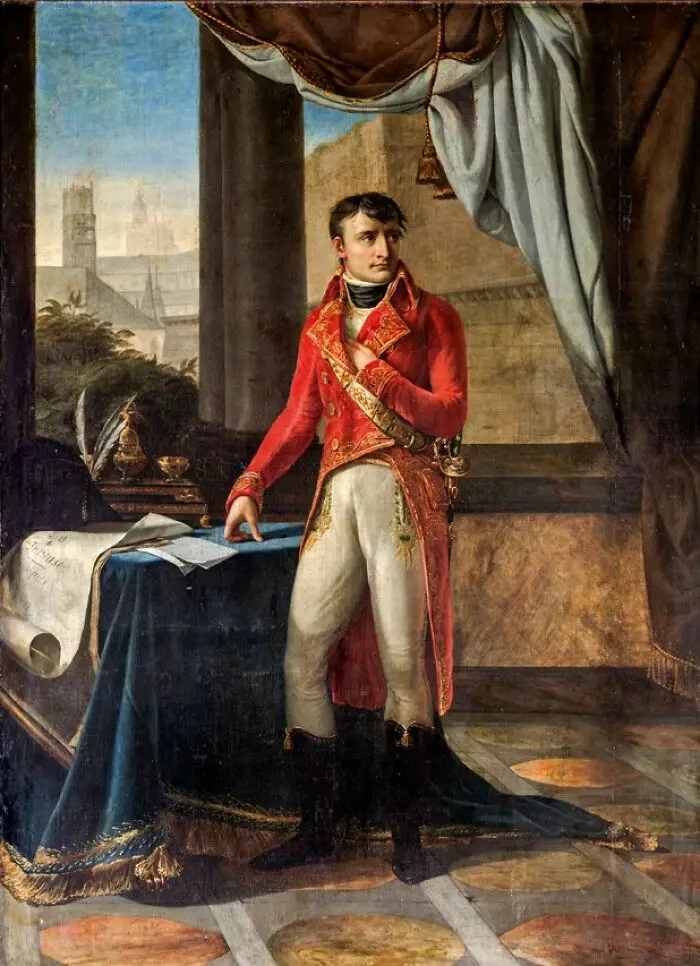
Contrary to popular belief, Napoleon Bonaparte wasn’t short; British political cartoons just made him out to be. They often depicted him as power hungry and aggressive, attributing these traits to his short height. However, Bonaparte’s actual height was between 5 feet 6 inches and 5 feet 7 inches (1.68 to 1.7 meters), a pretty standard height for French men in the 1800s.
4points
#22 Gladiator Contests Were Always Fatal
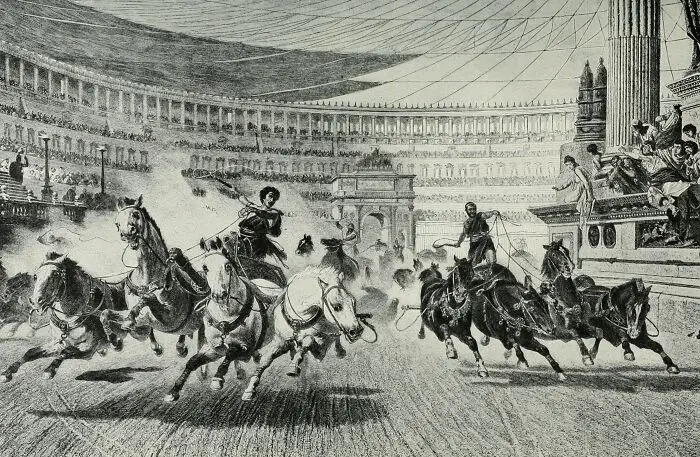
Despite what you may have seen in the Gladiator movies, an actual gladiator match was hardly ever fought till an opponent lost their life. In reality, gladiators were considered high-value property to their “owners,” so most of the fights would usually come to an end without a fatality. Ultimately, a contest would generally be considered over when either one of them threw in the towel, was severely injured, or was too tired to continue.
Report
4points
#23 The Taj Mahal’s Builders Were Mutilated

Many believe the story that Emperor Shah Jahan disfigured the arms of his builders to prevent them from working on other building projects. However, this story is largely considered a myth because there’s no historical evidence that shows that the builders were ever harmed after completing their work on the monument.
Report
4points
#24 Christopher Columbus Discovered America
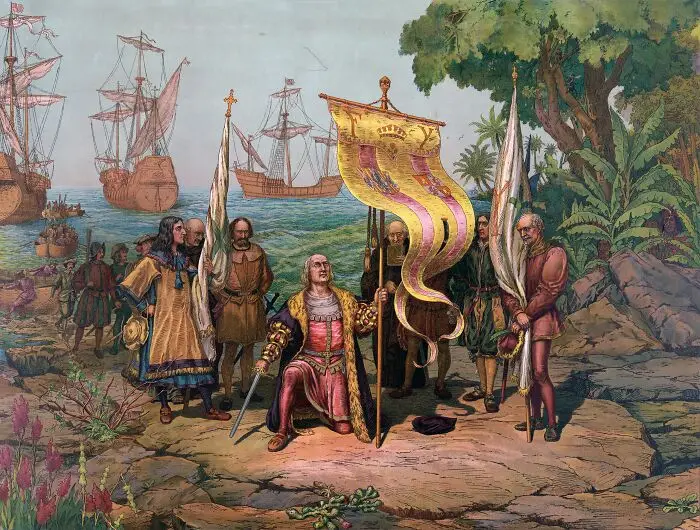
While Christopher Columbus certainly introduced the Americas to Europe during his voyages between 1492 and 1502, he wasn’t the one who discovered America. Indigenous people were already inhabiting America at the time. Columbus can, however, be credited with shifting global history and culture with his expeditions.
Report
4points
#25 Captain Cook Discovered Australia
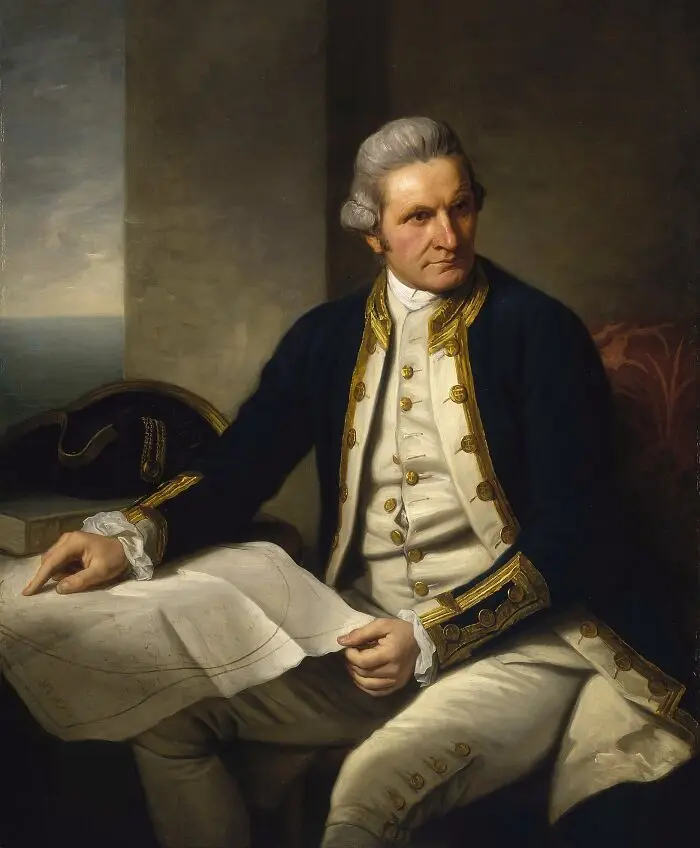
Even though Captain James Cook was the first European to map and document the east coast of Australia, he didn’t actually “discover” Australia. His information did, however, lead to the formation of the British penal colony. In reality, Indigenous Australians had already inhabited the land for thousands of years before his voyage in 1770.
Report
4points
#26 The Pilgrims Didn't Host The First Thanksgiving
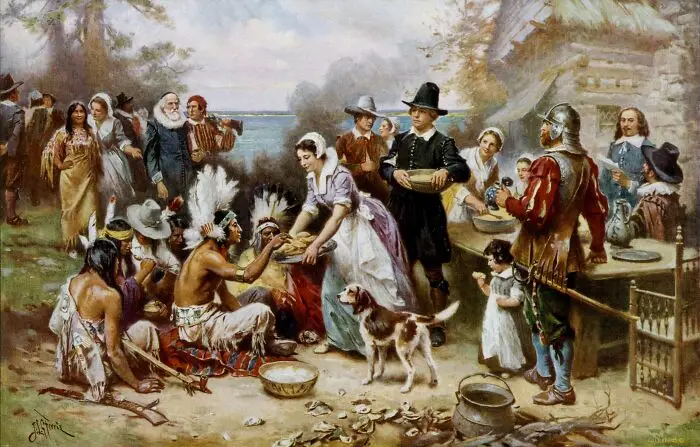
The Thanksgiving we know today originated from the 1621 harvest celebration that the Pilgrims of Plymouth had with the Wampanoag people. After a successful harvest, the 53 surviving Pilgrims were joined by Massasoit, the Wampanoag leader, and about 90 of his men for a three-day feast. This feast is now known as “The First Thanksgiving”.
4points
#27 Paul Revere Yelled, "The British Are Coming!"
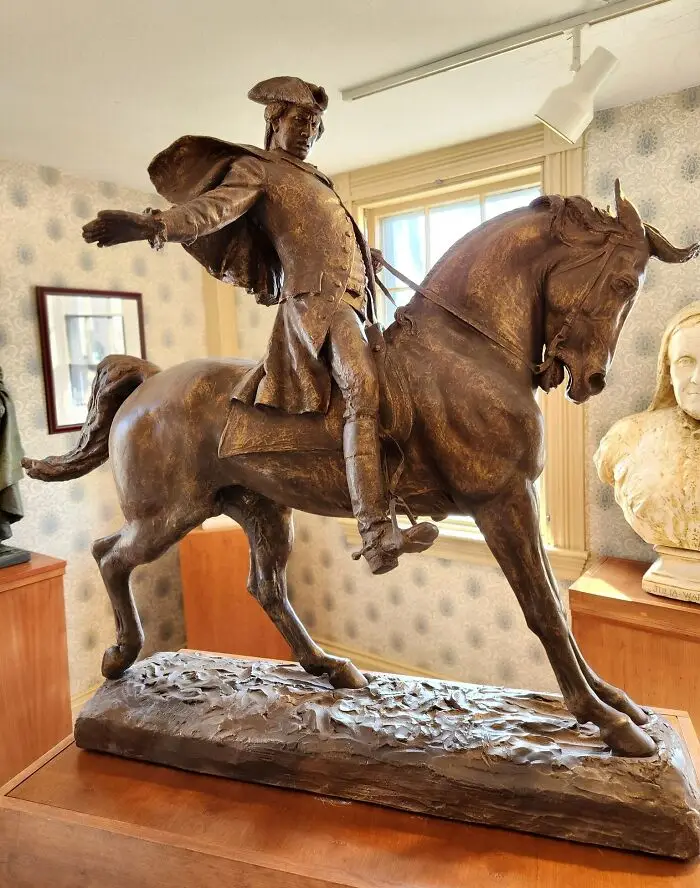
It’s a popular misconception that Paul Revere yelled "The British are coming!" during his 1775 ride to deliver warnings that British Troops were approaching. In reality, to maintain the secrecy of his mission and evade loyalists in the area, it is likely that he actually yelled "The Regulars are coming" instead.
Report
4points
#28 President Kennedy Told A Crowd He Was A Jelly Donut
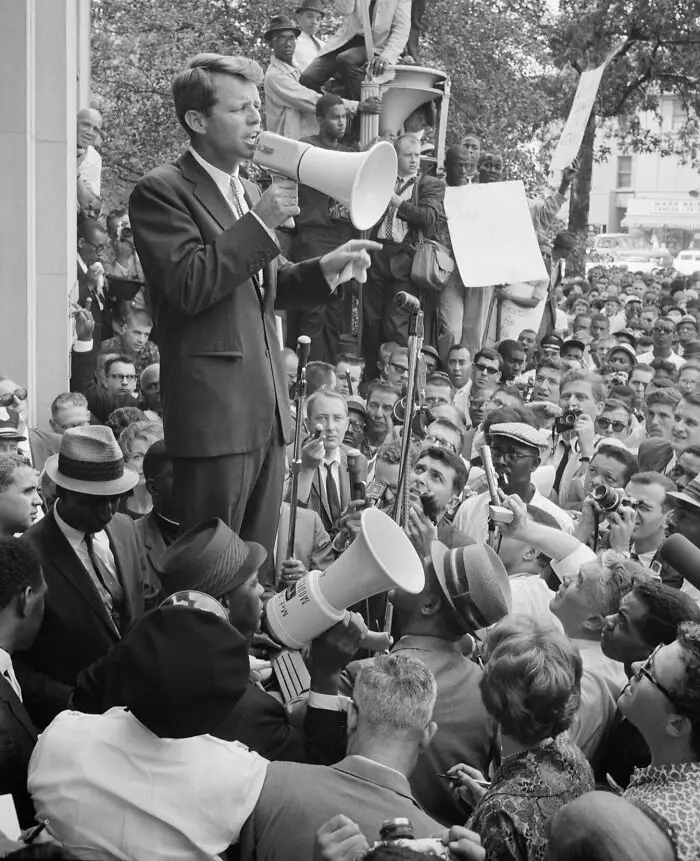
It’s a popular misconception that President John F. Kennedy accidentally told a crowd he was a German jelly donut when he said the phrase “Ich bin ein Berliner" during a speech in 1963. This is because outside of Berlin, a Berliner does indeed refer to a jelly-filled donut. However, because Kennedy gave his speech in West Berlin, the public probably didn’t associate his statement with a donut but rather support for Berlin, as the statement would have directly translated to “I am a citizen of Berlin” at the time.
3points
#29 Medieval People Thought The World Was Flat
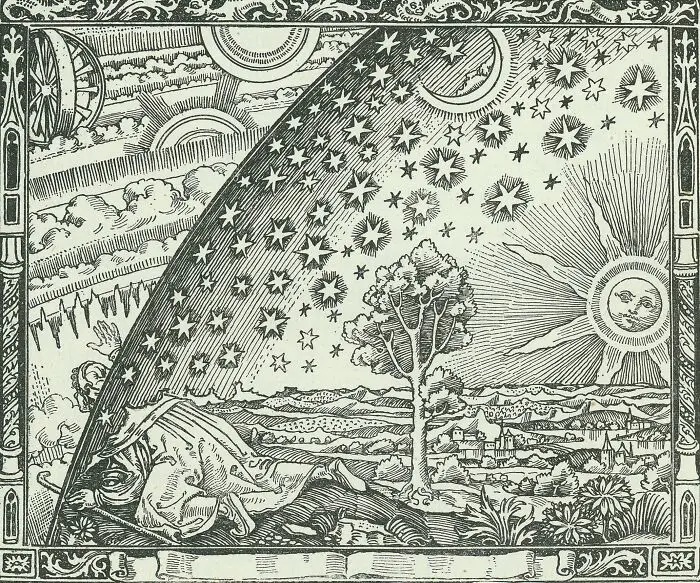
The claim that people in the Middle Ages were flat-earthers has turned out to be a historical myth. In reality, there’s evidence, going back to the ancient Greeks in the 5th century BC, that shows Medieval scholars accepted and understood that the Earth was a sphere. From the late Middle Ages onward, virtually no scholars believed the Earth was flat.
Report
3points
#30 The Aztecs Thought Hernán Cortés And The Conquistadors Were Gods
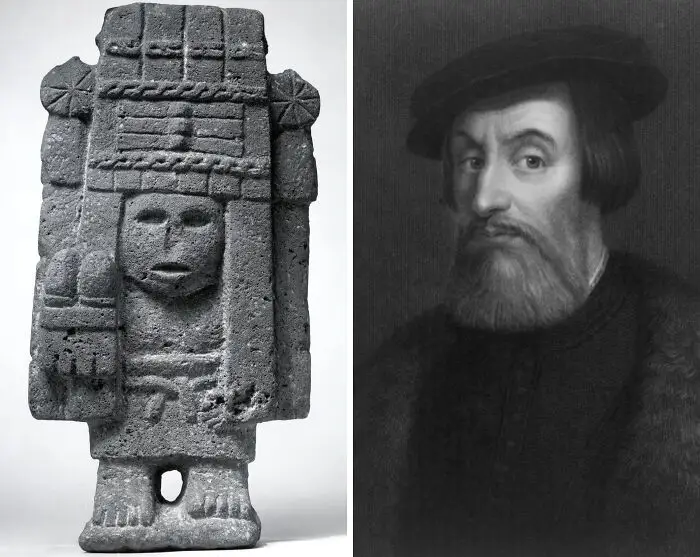
While the Aztecs may have viewed Hernán Cortés and the conquistadors as powerful, it’s largely a myth that they thought of them as Gods. In 1552, Francisco López de Gómara, Hernán Cortés’ secretary, spread the rumor that the Spaniards had conquered Mexico because they were seen as gods by the indigenous people. However, even Cortés’ own letters say nothing of this claim.
3points
#31 Julius Caesar Was Emperor Of Rome
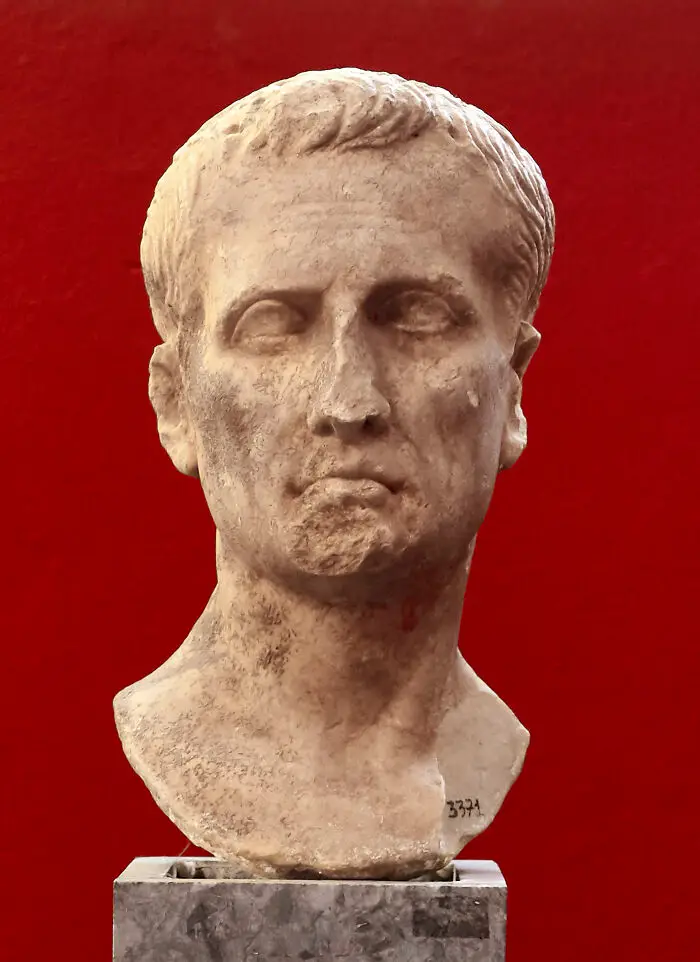
Surprisingly, Julius Caesar wasn’t the first emperor of Rome. He ruled as a dictator before the Roman Empire was formed. While Caesar didn’t rule for long before his passing, he established the imperial system and was considered the founder of the one-man rule. The first official emperor was his great-nephew, Augustus.
Report
3points
#32 The Pyramids Were Built By Slaves
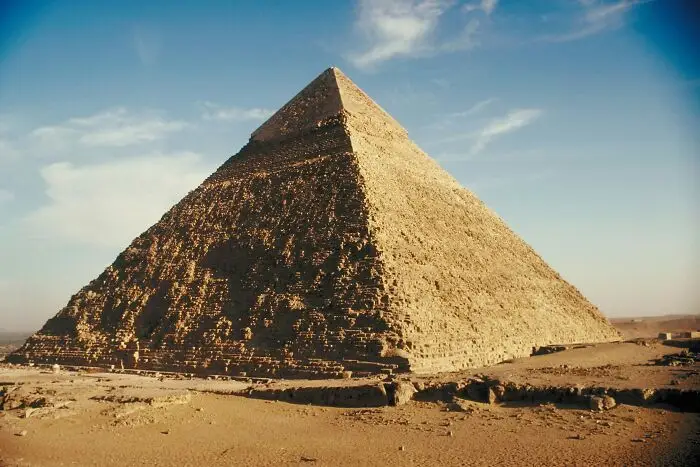
Hollywood films have led us to believe that slaves built the pyramids in ancient Egypt for the longest time, but in reality, they weren’t actually built by slaves. Archaeologists who worked on the site from 2005 found extensive evidence that proved the builders were paid laborers and skilled workers who were respected for their work. From good food to decent housing, it’s likely that the builders were treated well, unlike the slaves of that time.
Report
3points