






This post may include affiliate links.
#1

I’ve been in a situation where I’ve been coerced and brought into a bar when I just wanted to go home. Telling someone (in my case, a familiar face I had seen earlier) alerted them to the situation I was in, then when I finally made a break to the exit that person watched me leave - watched the guy I was with follow me, then chased us down put himself between me and the guy, escorted me to safety and stayed with me until I was not in any danger anymore. I happened to see the people I spoke the next day, the others in the group let me know how I appeared to be having a good time until I told them (I said “hey! I don’t know this guy and he won’t let me leave!”) - and we’re grateful I spoke up - they let me know what happened after I started to leave.
It was scary and really rocked my “independent woman who can fend for herself” persona for a while.
#2

case in point: colleague got hit HARD in the head by a baseball. We all asked "ArE yOu OkAY?!?" and they said "oh wow that was wild! yeah I think I'm ok!" because they didn't to cause a scene/ distract from the group event, etc.
They were in fact NOT OK. The person with the injured brain is NOT the person to ask if they're ok - the brain doctor is the only person to ask.
#3

Pandas, today’s list is full of useful facts that could genuinely come in handy, so we thought it was a good time for a quick winter refresher as well. With colder weather approaching in many parts of the world, plenty of us will soon be pulling out our warmest jackets, getting excited about the first snowfall, and maybe even heading outside to build a snowman or have a little fun.
And while playing in the snow can be perfectly harmless, there are a few things worth remembering when temperatures start to drop. For example, eating large amounts of raw snow isn't a great idea. Snow can contain dirt, pollutants, and microorganisms, and eating enough of it can also make it harder for your body to maintain its core temperature because your body has to warm the very cold snow to body temperature. That doesn't mean eating a little snow will suddenly cause hypothermia, but if you're already cold and exposed to freezing temperatures, consuming large amounts isn't going to help you stay warm.
#4
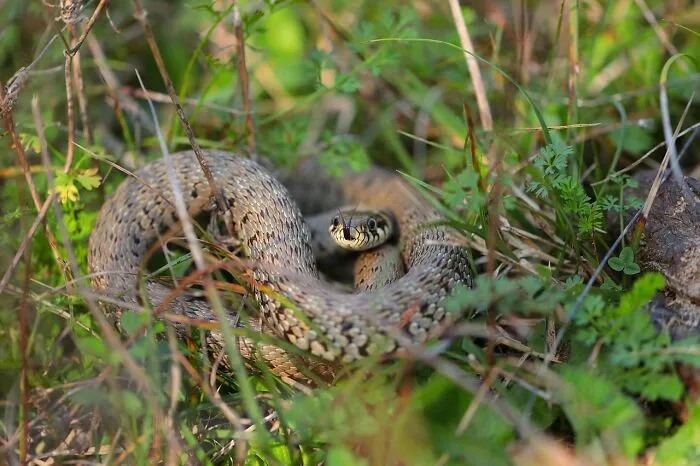
Especially in North America if you get bit by a snake, it's probably your own danged fault, and you should take any damage as your just reward.
#5
I had gone into psychosis from a terrible infection and when I took the picture and looked at it I was able to calm down and realize I was unwell and go to the ER. Before that I was really mad because I thought people around me were just not paying attention or thought I'd lost my mind.
#6

Speaking of hypothermia, severe cases can cause confusion and unusual behavior. In some cases, a person may paradoxically feel hot and begin removing their clothing despite being dangerously cold. If you see someone behaving strangely or taking off layers in freezing conditions, don't assume they're simply being careless—hypothermia can affect judgment and awareness, so they may need immediate help. Other warning signs can include intense shivering, slurred speech, unusual tiredness, poor coordination, and increasing confusion. The condition can become life-threatening, so getting the person somewhere warm and seeking medical help is important.
#7

This seems like obvious advice, but keeping this in mind has saved more people than anything else.
#8

#9
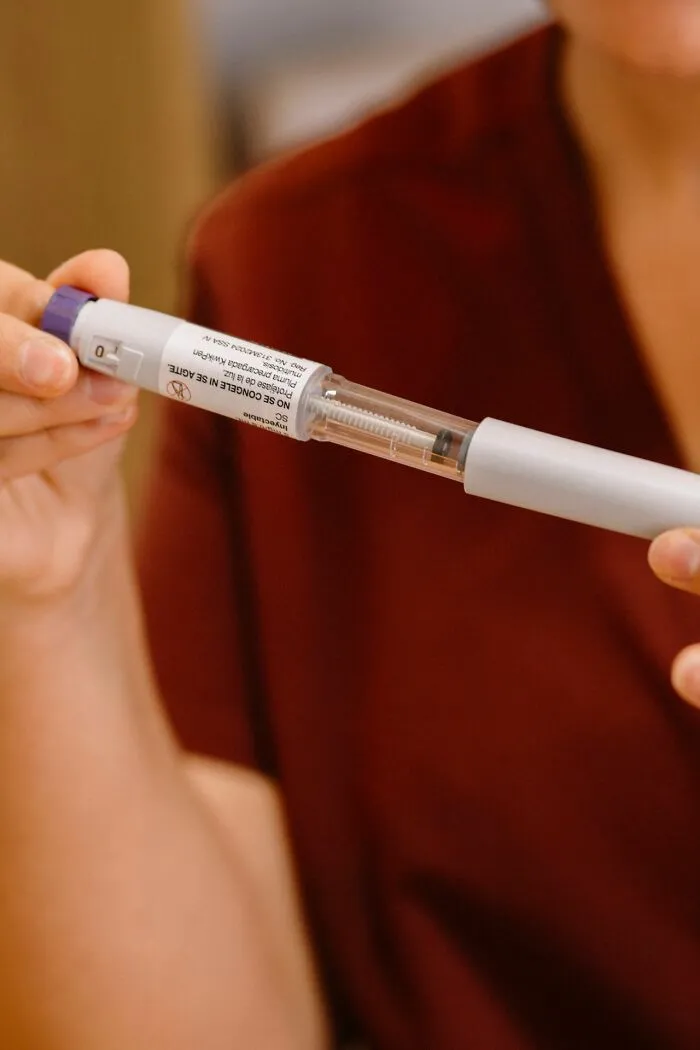
There are some well meaning folks who only know that "insulin" and "diabetes" are related, so when they see someone in this crisis, they automatically assume insulin should be injected.
And while staying warm is obviously important, there's also such a thing as working too hard in the cold. If you're working outside or building a snow shelter, be careful not to let yourself become soaked with sweat. Strenuous activity can make you surprisingly warm even when the air temperature is below freezing, and wet clothing loses much of its insulating ability. Adjusting your layers before you start sweating can help keep your clothes dry, which is especially important if you'll be outside for a long time or far from somewhere warm.
#10
#11

#12

Cars come with their own set of cold-weather hazards, especially if you become stranded. If your car gets stuck in a snowbank and you leave the engine running for heat, make sure the tailpipe is completely clear of snow. A blocked exhaust can cause carbon monoxide to build up inside the vehicle, and because the gas is colorless and odorless, you may not realize you're being exposed. Check the exhaust whenever you're stopped in deep snow, and never ignore signs that something may be wrong.
#13
#14

#15

Winter roads can be just as unpredictable as winter weather, particularly when temperatures hover around freezing. Black ice is notoriously difficult to spot because it can look almost exactly like an ordinary wet patch of road. If the road looks wet but the conditions are cold enough for ice to form, slow down, avoid sudden steering or braking, and leave plenty of extra distance between your vehicle and the one ahead.
#16
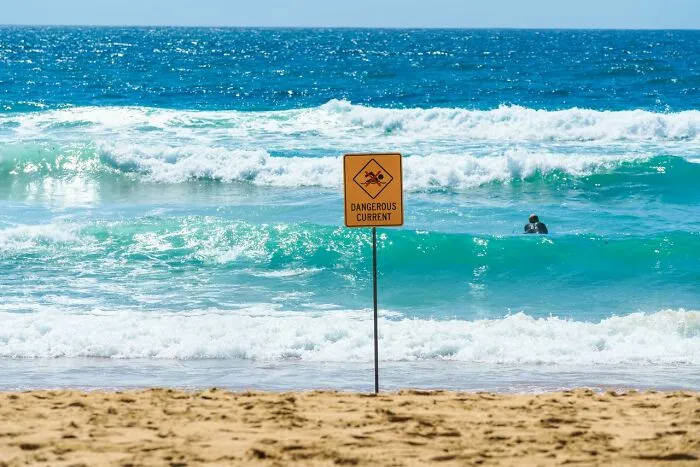
You cannot fight the ocean and win. Your best bet is to stay calm and swim parallel across from the beach—taking breaks to float and catch your breath if you feel yourself get too exhausted—until the rip spits you out, at which point you are safe to then swim directly to the beach.
Every year we see so many tourists drown on our beaches because they don’t know the first rule of water safety here—don’t fight the rip.
#17

#18

Snow can also hide dangers for people enjoying winter activities on foot or on skis. Avoid getting too close to the trunks of evergreen trees when there's deep snow on the ground. Low branches can prevent snow from settling evenly around the trunk, creating a hollow area known as a tree well. Falling into one can be extremely dangerous, particularly if you end up headfirst and become trapped in the loose snow. This can lead to snow-immersion suffocation, a potentially fatal situation that occurs when a skier or snowboarder becomes buried in snow and is unable to breathe. If you're skiing or snowboarding in deep snow, staying within sight and earshot of your companions can be especially important, since someone trapped in a tree well may not be able to get themselves out or call for help.
#19
#20

Additionally don't ignore any bite or scratch you get from livestock, or even pets. You can go septic faster than you think, and faster than you are even aware of. You can be gone in days.