





The human body is fascinating. But if you think you know everything there is to know about what makes you tick, think again! There’s so much that the regular person doesn’t understand about how biology and health work. But if you’re lucky enough to chat to an expert, you can really expand your perspective. It could even end up saving your life.
Medical professionals hoping to make a difference in the world took to an informative thread on AskReddit and revealed the things they wish absolutely everyone knew about their body. Keep scrolling to learn something new about yourself, and we hope you’re taking notes!
#41
Not a doctor, but learn the difference between urgent care and emergency room. If you are in a non life threatening condition it will most likely be seen faster through urgent care.
Report
17points
#42

This one is more about medication:
- Antibiotics only work against bacteria, they are not some kind of wonderpotion that cures anything, and they should not always be given
- Please please stick to your prescription the doctor gives you. Even if you already feel better, dont just stop unless the doctor says you can stop. A lot of medication needs to be taken according to the prescription in order for it to be effective, because you build up the dosis to an effective level. Stopping or not sticking to it really decreases effectivity.
15points
#43
Body is a complex machine, but like any machine needs regular activity, good quality fuel and regular inspection.
Report
15points
#44
I’m not a doctor but I am a medical coder. I just want to add young people please be involved in the care of their elderly family members. They need you. It’s heart breaking some of the charts I read where families aren’t at all involved in the care of their elderly or worse-are completely neglectful. The elderly are very lonely and need visitation and love just like anyone else.
Report
14points
#45
The frequency of bowel movements can range from every 3 days to 3 times per day and be considered normal. Having 3 soft stools per day does not mean you have chronic diarrhea.
Report
14points
#46
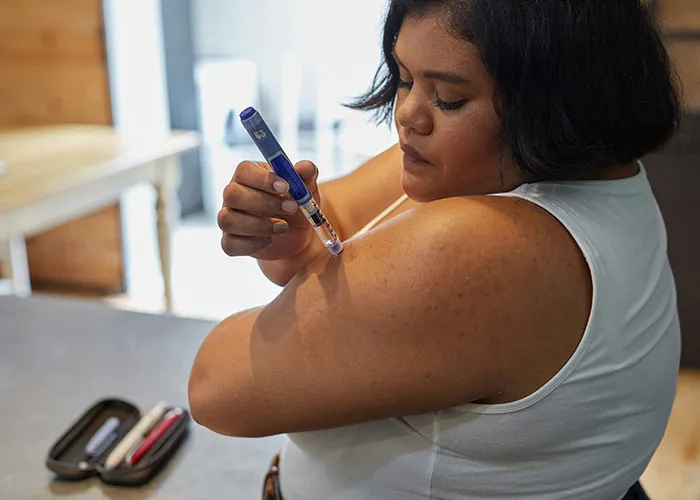
Type 2 Diabetes is more serious than most people realize. I work as a doctor in hemodialysis and most of them are due to diabetic nephropathy. It also affects your eyes nerves immune system etc. Simple life changes can help you but noone seems to care. I even lost 9 kg myself because I had a family history of diabetes and to be healthy.
13points
#47
Take care of your feet.
If you can't feel your feet, check your feet regularly to make sure they're clean, dry, and haven't started developing any sores. Even small sores and go straight to the bone. If the infection goes to the bone, chances are we are going to cut your foot off. I have helped prep about half a dozen people just this week for foot amputations.
If you can't feel your feet, check your feet regularly to make sure they're clean, dry, and haven't started developing any sores. Even small sores and go straight to the bone. If the infection goes to the bone, chances are we are going to cut your foot off. I have helped prep about half a dozen people just this week for foot amputations.
Report
13points
#48

I think there are a lot of obvious ones, like how lifestyle choices in your 20s impact your health and quality of life in your 40s.
It would help if more patients knew their family history (though not everyone has this opportunity unfortunately). Prevention is becoming more and more important in medicine, and treating a disease in its early stages is a lot better than catching it late. If you have family members who had ovarian or colon cancer in their 30s, that is very significant for your own risk. The screening and tests we run might change, depending. If you want to start the pill, it's important to know about breast cancer, DVTs, clotting disorders in the family. If you're a bit overweight and have no metabolic syndrome problems in the family, compared to a bit overweight but both your parents have type 2 diabetes and cardiovascular disease, the management priorities change. Asking your family about any recurring diseases or diseases that occurred early (20s, 30s, maybe 40s) can be helpful.
There are certain common conditions that are underdiagnosed but easily fixed. Even if you have non-specific symptoms, it doesn't hurt to tell your doctor during the next visit. About 5% of US adults have an iron deficiency which can cause loss of concentration and fatigue, and a huge amount are vitamin D deficient. When I am able to complete a systems review (ask screening questions about every different body system) I end up discovering a lot of irritable bowel syndrome, hypothyroidism, insomnia, joint pain, headaches, etc that impact quality of life. But people don't bring it up because they don't want to be a bother, or think the symptoms are too vague. It's not a bother, and often (but not always) these conditions have simple treatments which can really improve how you feel.
12points
#49

Many simpler diseases in the body can be compared to a car. When you don’t get regular checkups and take regular care, it’s not like you’ll notice something bad happening right away. Just like how you won’t notice a missed oil change a couple thousand miles later. But diseases like diabetes, high blood pressure, alcohol dependence, etc, they all sneak up on you. Just like how eventually, that engine won’t run as smooth.
The second thing is that your body isn’t like a TV remote, where you pop out the old batteries and put in some new ones. You can’t expect to come into a hospital and walk out feeling 100%. People have some unrealistic expectations of what doctors can do, and there is research which demonstrates how TV shows provide the public with these false beliefs (I’m a Grey’s fan also, but it’s not real medicine).
The first line treatment for most of our common diseases is...wait for it... lifestyle modification. It’s not d***s. It’s not surgery. 50% of newly diagnosed type 2 diabetics do not require anything more than diet and exercise. Cessation of smoking is the second best thing you can do for your health, and every little amount you decrease smoking has a profound impact. Again, you won’t see it now, but you’ll see it down the road (like the oil change). And if you do need meds (like how most will eventually need meds for their blood pressure), don’t play around with it. Take it every day. Hypertension is called the silent k**ler. You can’t really feel your blood pressure. But it’s slowly damaging every artery and every organ in your body.
And that comes down to the last point. Exercising is the key to a better life. If you put in the work, there is no upper limit. That’s not an exaggeration, but the findings of a landmark paper that made news everywhere last October. Not exercising is worse than smoking, diabetes, or coronary artery disease. It is the single best thing you can do for a healthier life.
Your health is a shared responsibility, and we’re here to help. This may not be the flashiest Reddit comment. But this one may actually save your life.
——-
Edit: so I’m getting a lot of great questions on what are good exercises and how long should you be exercising. This is probably the single most asked question I get from my parents friends and random strangers. Unfortunately it’s a bit complicated. I could go on quoting tons of papers from a variety of sources, but that would be difficulty to parse though. An exercise regimen should ideally be set by at a medical professional specifically for you. It may vary based on your age, occupation, underlying health conditions, fitness goals, etc. I couldn’t give a 60 year old with COPD the same instructions as a 25 year old.
I don’t want to say something in a reddit comment that would end up hurting you or your loved one, so I won’t go into specifics. The generic advice we give to our older patients is to “walk at a brisk pace, enough for a mild sweat”. There is some evidence to show that even normal walking can significantly help improve your cardiac health. I’m only focusing on cardiovascular health here, and there are other things to consider with exercise. I don’t want to sound annoying, but I really feel it’s best you talk to your doctor about what else you can do to improve your health. We’d be glad to walk you though a plan made specifically for you.
Also, regarding number of steps per day. The 10,000 steps number is unscientific and largely propagated by the pedometer making industry. First it should be age adjusted. It also doesn’t directly correlate with losing weight. However, personally, as someone approaching 30, I do like 10,000. It’s a nice clean number and I can make a game out of it for myself. It is important to note that this is not for everyone.
9points
#50
ER doc, Reddit-confirmed. Some pearls I've picked up:
# The colon is in general air-tight. Therefore your d***o ALWAYS needs a flared base. Once it gets up past the point that I can grab it out, it's vacuum sealed in.
# If you don't smoke cigarettes, if you wear your seatbelt, and if you don't drink and drive, you've just greatly increased your chances of avoiding a tragic end.
# No one really knows when they're going to die. With that in mind, have a plan. Talk to your family about your end-of-life care wishes. I had a 90 year old the other day with terminal cancer and 6 kids and they had evidently never thought their mom was going to die. Are you sure she would really want "everything"? Intubation, CPR (bye bye, sternum), central line (giant iv in the neck)....
# A child's fever is in the overwhelming majority of cases a healthy response to an infection. It wouldn't be unusual to expect 6 fevers a year during the toddler years.
# The body is astoundingly complex and what counts as "disease" vs that which is a normal and a temporary aberration from the mean is a philosophically rich and unanswered question. Therefore, no amount of testing may ever reveal what is "wrong", which begs the question as to whether anything is actually wrong. All pathology reveals itself with enough time. A twinge here, 2 sneezes, a faint discoloration of the skin. Sometimes these are best left unexplained and you can save yourself the ambulance ride.
Report
9points
