






There are many pieces of information that are considered common knowledge. You can probably name all of the colors in the rainbow without any hesitation, and even if you can’t speak a whole sentence in French, it’s likely that you at least know "merci."
When it comes to safety and disaster preparedness, however, there are plenty of situations where the average person has absolutely no idea what to do. So if you’re interested in having a plan for when emergencies strike, you’ve come to the right place, pandas.
Netizens have been sharing their best safety advice and life-saving tips, so we’ve gathered some important ones down below. Keep reading to also find a conversation with Madison Lalonde, Director of Communications and Public Education at the Lifesaving Society. And be sure to upvote the info you’ll be keeping in your back pocket!
#21
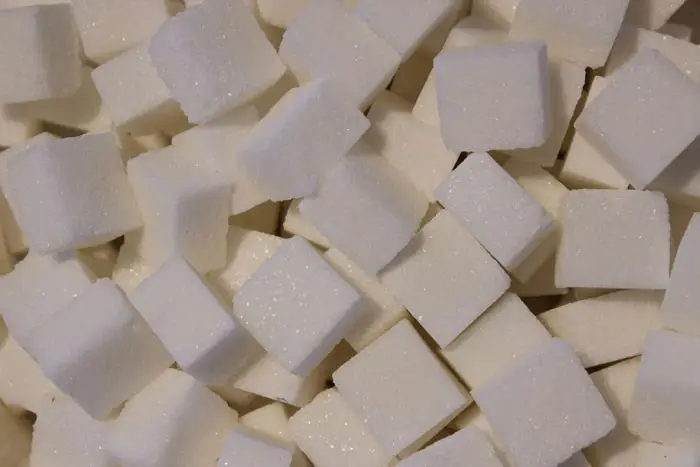
If your diabetic friend starts acting like a drunk, stumbling around, talking nonsense and slurring, throwing up, their bloodsugars could be dangerously low. Make them drink something sweet, sugary soda, juice or just feed them plain sugar. Be aggressive they might resist. If they pass out and can’t swallow rub honey or sugar on the insides of their cheeks. Or if their breath smells really bad their bloodsugar is probably really high and at risk of ketosis. My stupid T1 a*s has been saved many times by friends and my mom
70points
#22
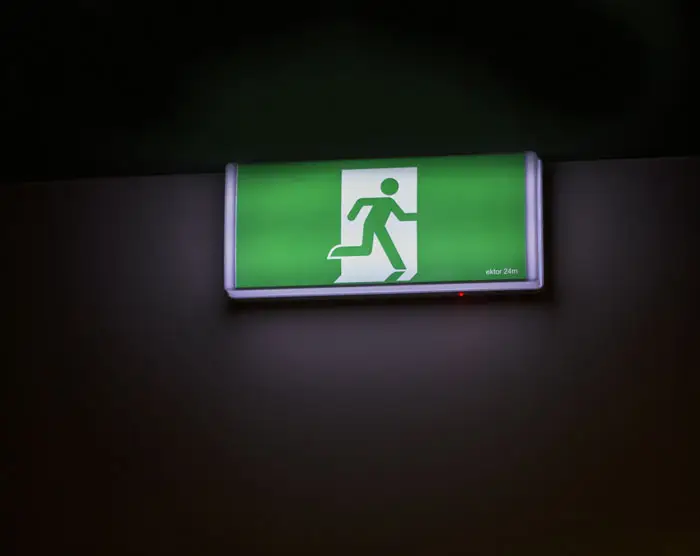
If you're visiting an unfamiliar location like a cinema or concert hall, take a few moments to look around for the nearest exit, then pick out a second as a backup in case the first becomes blocked or cut off.
If something happens, especially in a crowded public place, most people's first instincts are to turn around and head for the main entrance but this is not always the closest, safest or easiest way out. Nine times out of ten there will usually be a closer exit.
If something happens, especially in a crowded public place, most people's first instincts are to turn around and head for the main entrance but this is not always the closest, safest or easiest way out. Nine times out of ten there will usually be a closer exit.
66points
#23
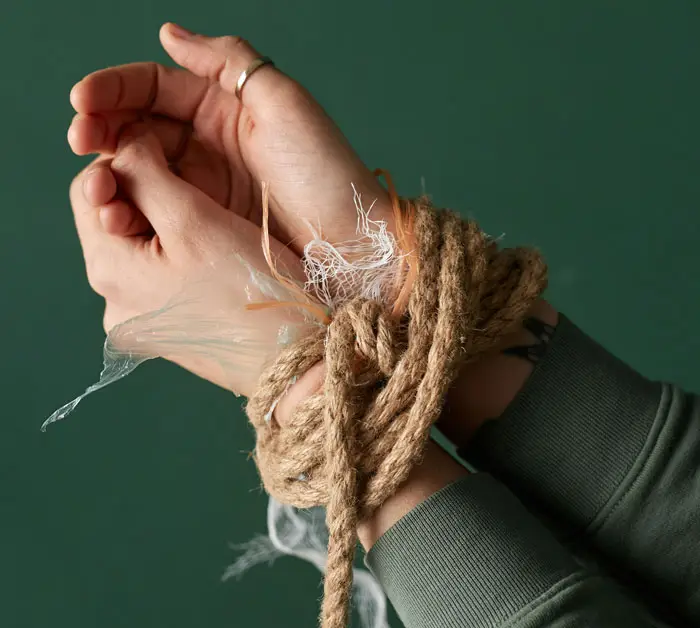
If you’re being tied up, puff yourself out as much as possible so it’ll be easier to wiggle out of. Tense muscles, inhale deep and stretch out your arms and legs to make more space.
63points
#24
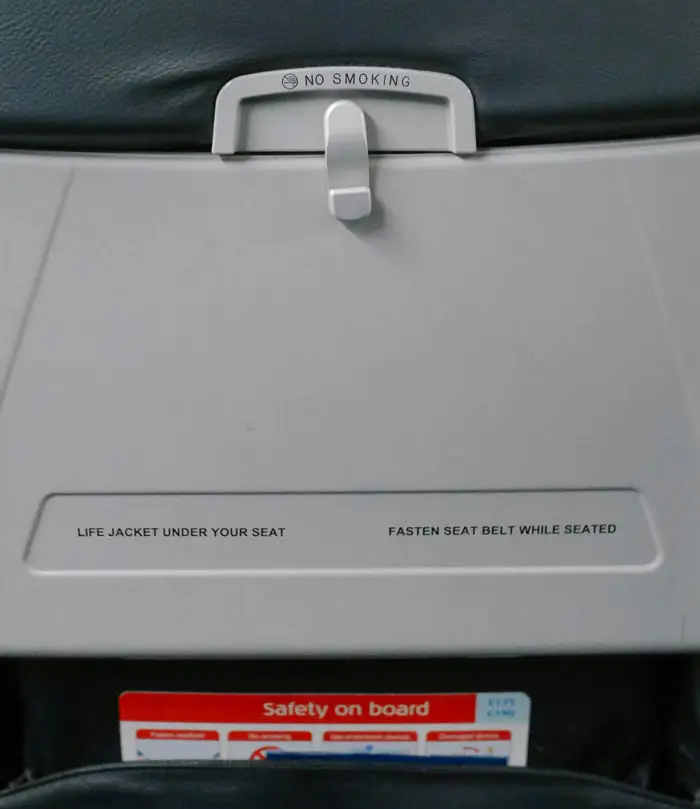
Do ***NOT*** inflate your life jacket before exiting the aircraft.
This is especially true in case of emergency water landings. As any air safety expert would tell you, inflating your life jacket inside a rapidly submerging airplane will cause you to float up to the cabin’s ceiling, unable to move without help. The right thing to do is to take a deep breath and swim out of the airplane with your life jacket still deflated. Only when you’re safely out of the plane should you pull the inflation cord.
This is especially true in case of emergency water landings. As any air safety expert would tell you, inflating your life jacket inside a rapidly submerging airplane will cause you to float up to the cabin’s ceiling, unable to move without help. The right thing to do is to take a deep breath and swim out of the airplane with your life jacket still deflated. Only when you’re safely out of the plane should you pull the inflation cord.
59points
#25
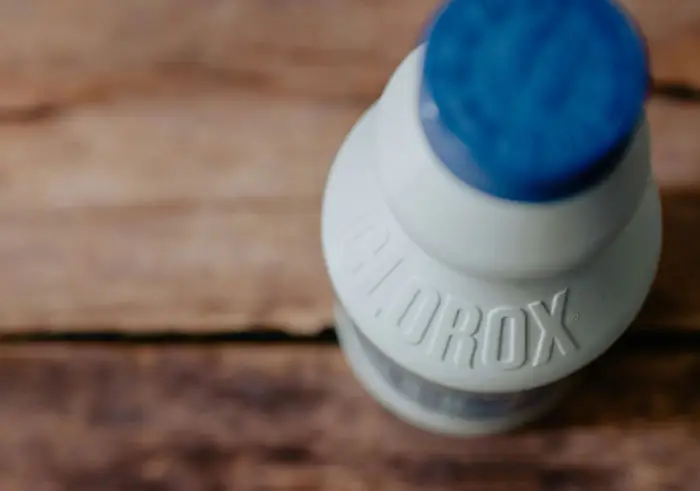
Never, *ever*, mix bleach and ammonia.
The result of mixing them is ~~chlorine~~ chloramine gas. ~~aka mustard gas~~.
The result of mixing them is ~~chlorine~~ chloramine gas. ~~aka mustard gas~~.
59points
#26

Soy sauce is deadly if consumed in large quantities at once. So no stupid soy sauce dares or challenges please.
58points
#27

If you need to call 911 and you're too busy helping the victim (CPR) specifically point at someone and say "you! Call 911!" Instead of "somebody call 911!" It snaps a person out of bystanders effect and they act.
56points
#28
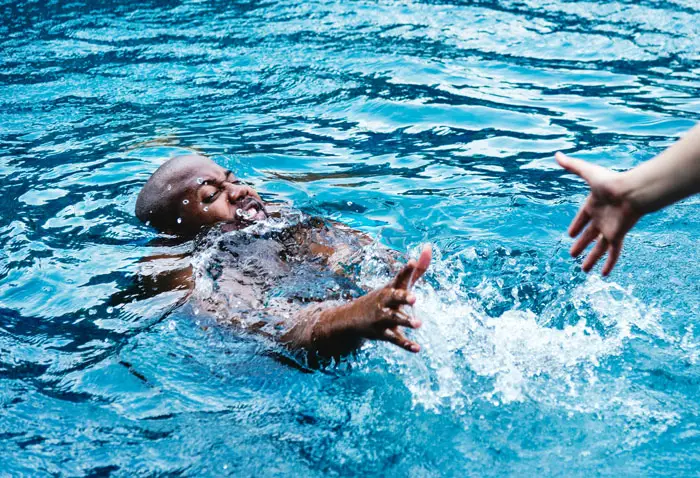
If someone is in trouble and you want to leap in to save them, make sure you have a way to get out yourself. I recently saw a video of a drowning man. Another man jumped in to try and save him. Instead both drowned.
54points
#29
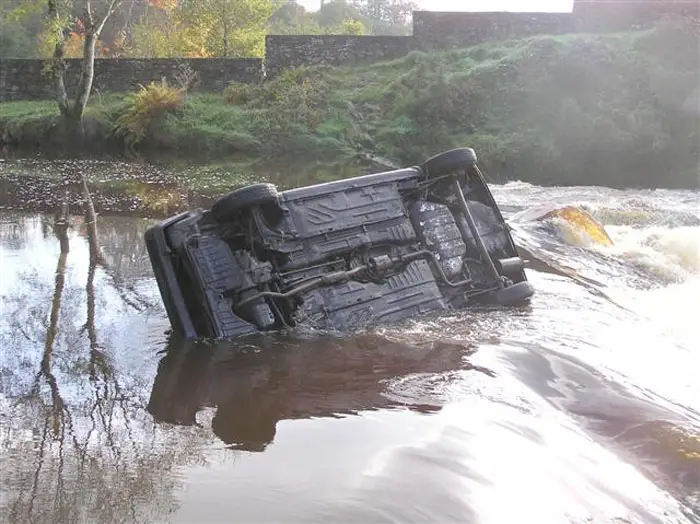
If your car goes into the water, open the door or roll down the windows immediately. If you don't, the pressure differential will hold them shut and you'll have to wait until the car fills up with water.
Edit: a lot of people are telling me that on newer cars, the headrest poles can be used to break a window. I'm not sure if that's true, because headrests I've seen are just made of ordinary steel, and the ends aren't particularly pointy. A dedicated window breaker will have a sharp point made of an ultra hard material.
Does anyone know if newer headrests are actually made for this?
Edit 2: It seems headrests are not designed specifically to break windows, but they *can* in a pinch if the proper technique is used (and they can actually be removed). Putting the point in the corner of the window and slamming the headrest.
43points
#30
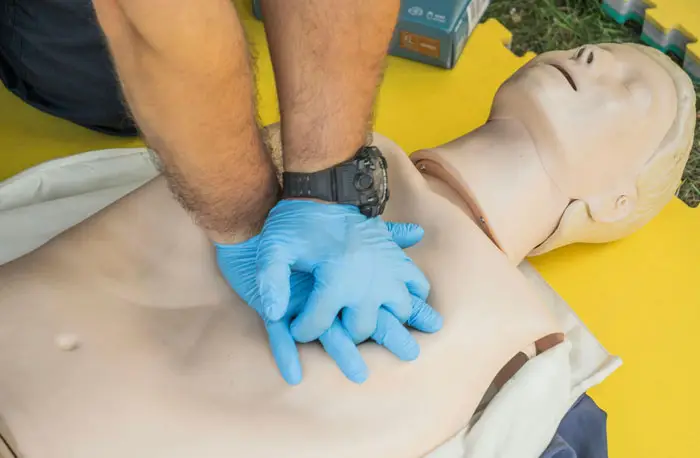
Chest compressions are important regardless of mouth to mouth.
Edit:
Wow thanks guys. I didn't expect this to blow up like it did. There are many questions in the comments.
Please keep in mind I am not a medical expert. I was trained for first aid and emergency response in the outdoors in New Zealand but do not have any profectional medical training. I encourage everyonenwho can to get a first aid certificate or at leaste some training.
I general follow the Drs ABC steps:
D danger is there anything around that can put you in danger?
R response is the person responsive talk to them. Or gently rub their collarbone.
S send for help call emergency services. Make sure someone stays on the phone. And someone with the person.
A airways check if the airways are free. Sometimes there is just something stuck there. Tilting the head back can free and open airways.
B Breathing is the person breathing? Holding you hear close to their mouth and nose is one of the most effective ways to notice if someone is not breathing.
C circulation check their pulse. There are two main ways of doing this. There is a vain on the underside of the wrist and one on the underside of the Jawline.
Once you have checked the person in this way start chest compression. The location for this is the centre of the chest just under the armpits on the sternum.
For adults use both hands for children use one hand and babies either one hand or a few fingers. The chest does need to be pressed quite hard about half a thumb to a thumb of depth. Obviously use common scene.
Use a song to keep in time. Staying alive or Another one bites the dust work well.
If you are comfortable you can give breath to breath twice for every 30 compressions. Do not do thia if you are alone keep the chest comprestions going. The compressions are the important part as they keep the circulation of oxygen to the brain going.
You may have to take turns with someone it can be exhausting.
Ask If there is a diffibulator around it should have further instructions for use. If you don't feel comfortable using it don't use it. Chest compressions are the important part.
Even if you don't have the training follow these steps! I lt saves lives.
28points
