


#3 My Grandmother Has Kept Her Elementary School Lunch Box In Nearly Pristine Condition For Over 70 Years
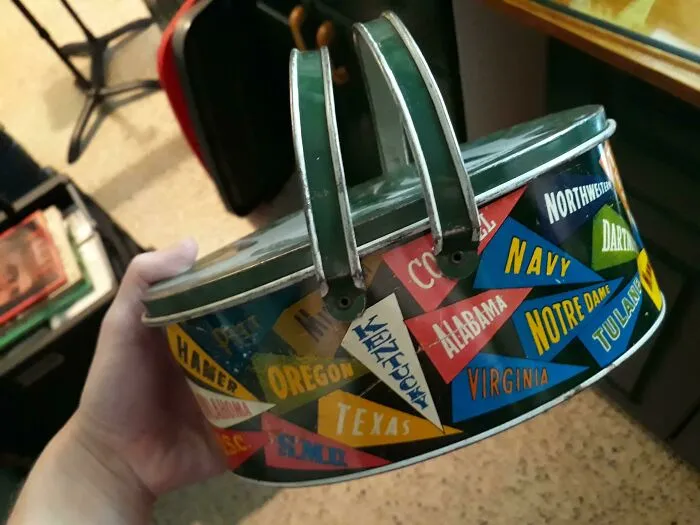
Many of us don’t exactly embrace the effects of age—or at least we don’t usually celebrate them. We try to gua-sha away wrinkles, scrub away tarnish, fill in scratches, and replace things once they’ve become too worn. And yet, sometimes those very signs of age and use are what make an object interesting. A little wear can give something character, tell us it’s been lived with, or even make us wonder about all the hands that have touched it. So what is it about the patina of time that we find so appealing? And what, to paraphrase design historian Glenn Adamson, do objects capable of withstanding time and frequent use have to offer us?
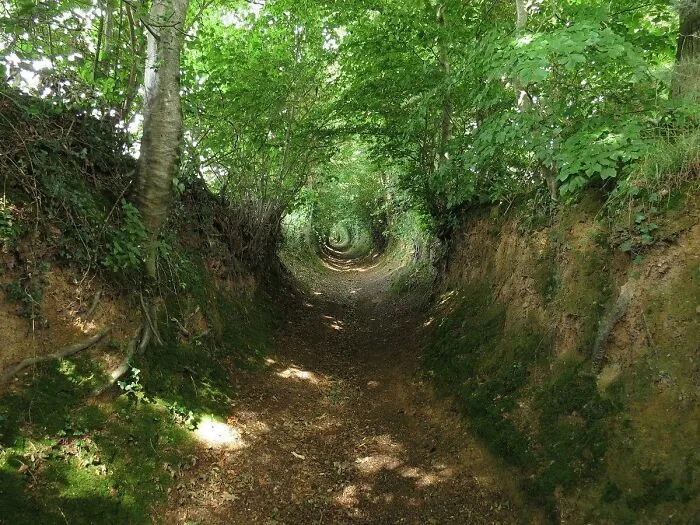
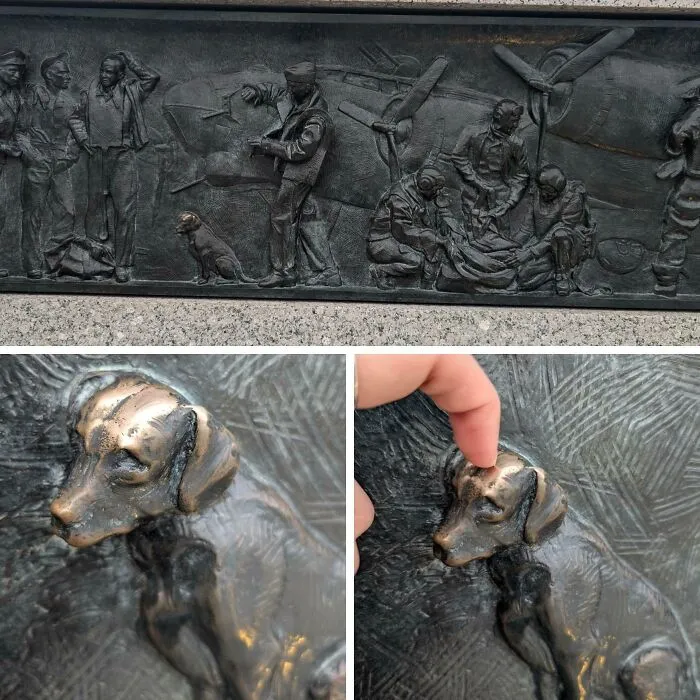
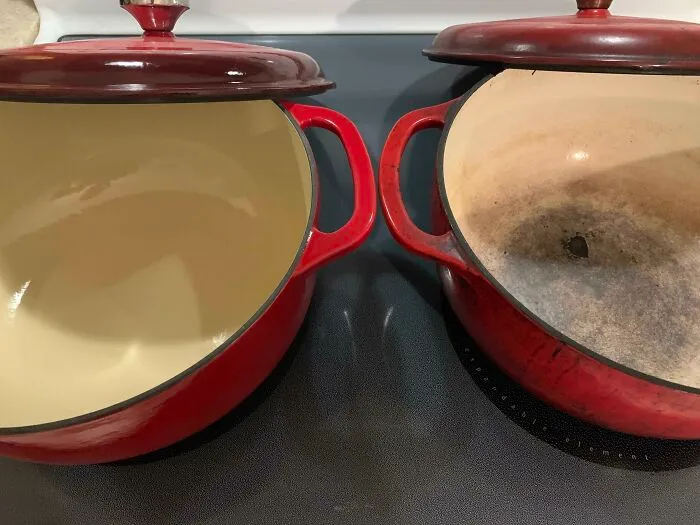
#6 Shout Out To Lodge For Replacing My 14 Year Old Dutch Oven Because The Enamel Chipped. No Hassles, Just A Free Replacement In The Mail One Week After Contacting Them!
Adamson explored this idea while writing about a 65-year-old bicycle, a “Golden Fifty” he was given by his father-in-law. Rather than seeing its scratches and scuffs as imperfections that needed to be buffed out or painted over, Adamson viewed them as part of the bicycle’s history. He writes, “I would never, ever repaint it. That would destroy not just its rough-and-tumble appearance, but an accumulated personal history, something that money just can’t buy.”

#8 I Inherited My Grandmas Sewing Supplies And As I Was Putting Them Away Realized I Bought The Exact Same Buttons That She Did Over 35 Years Ago For Me
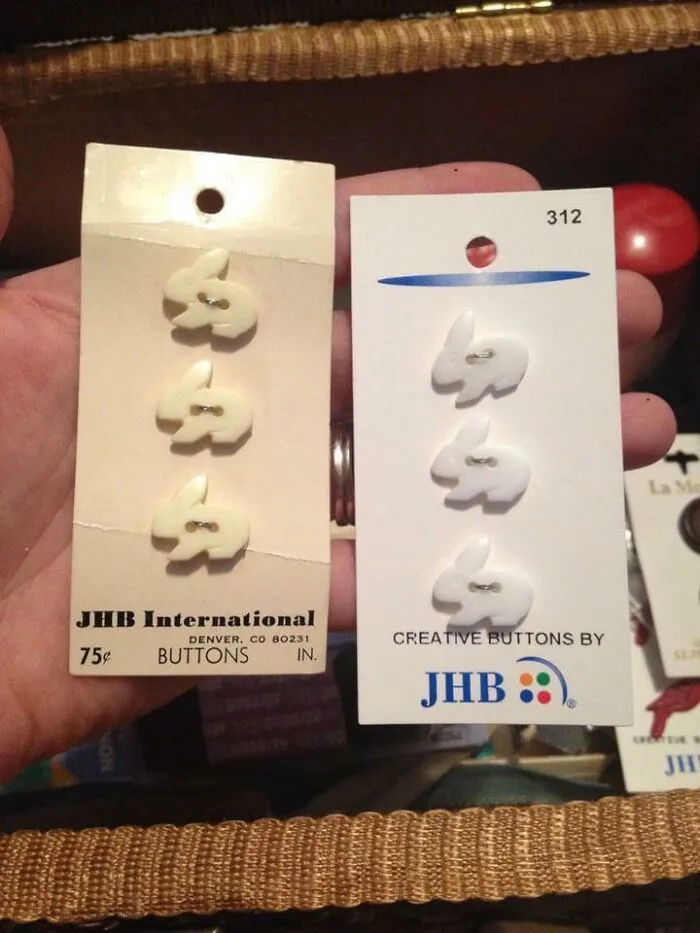
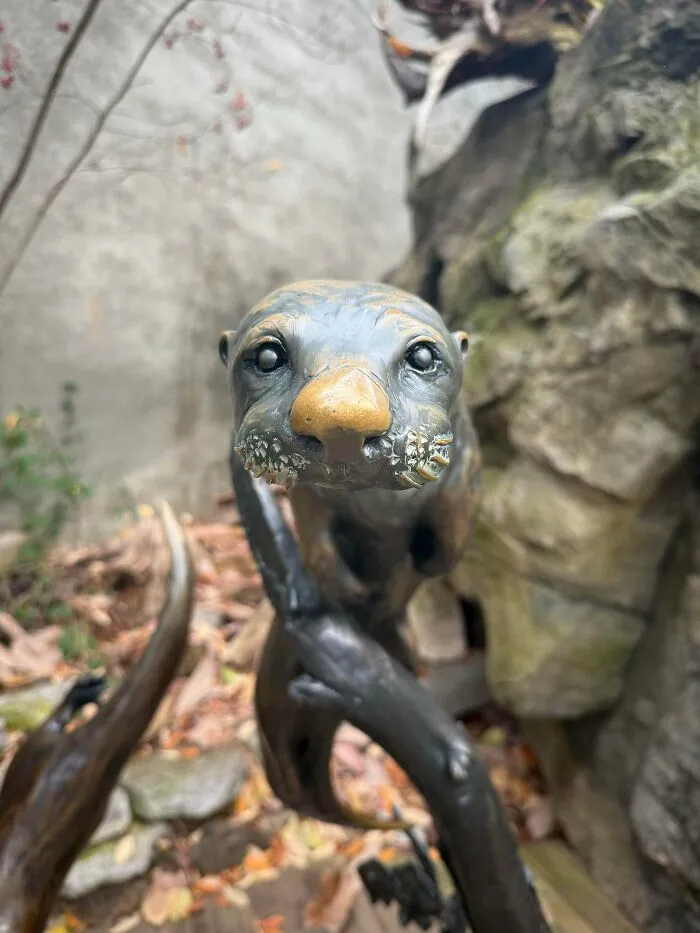
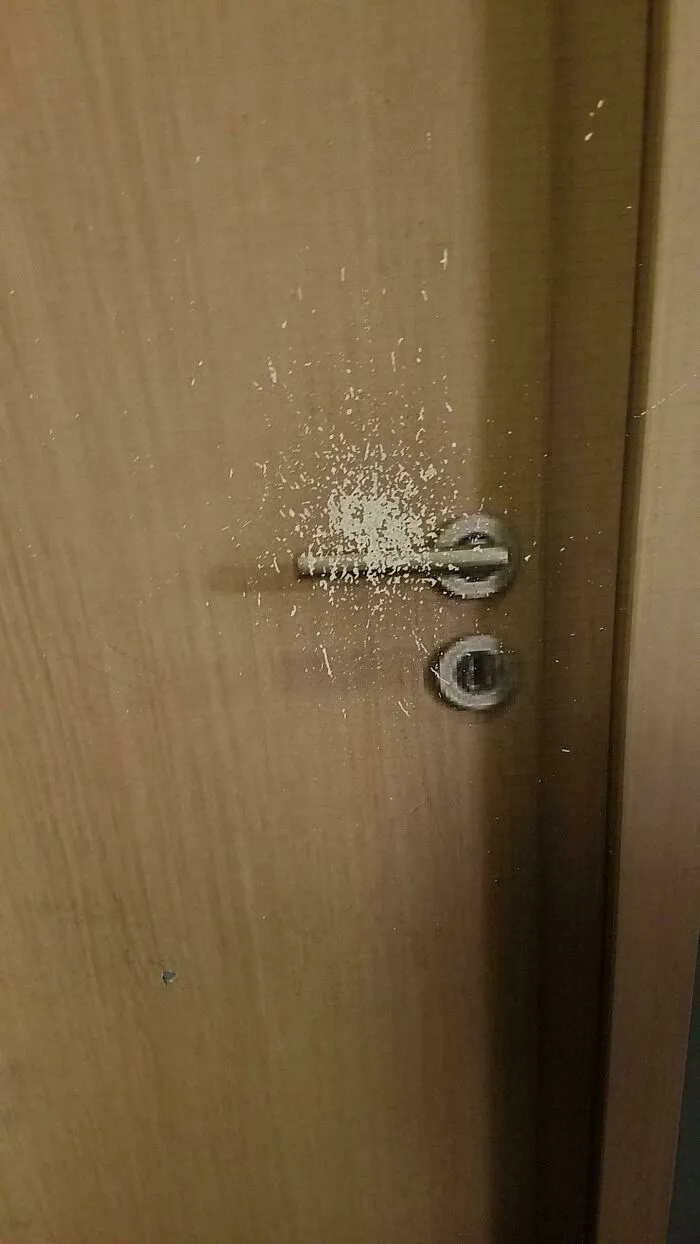
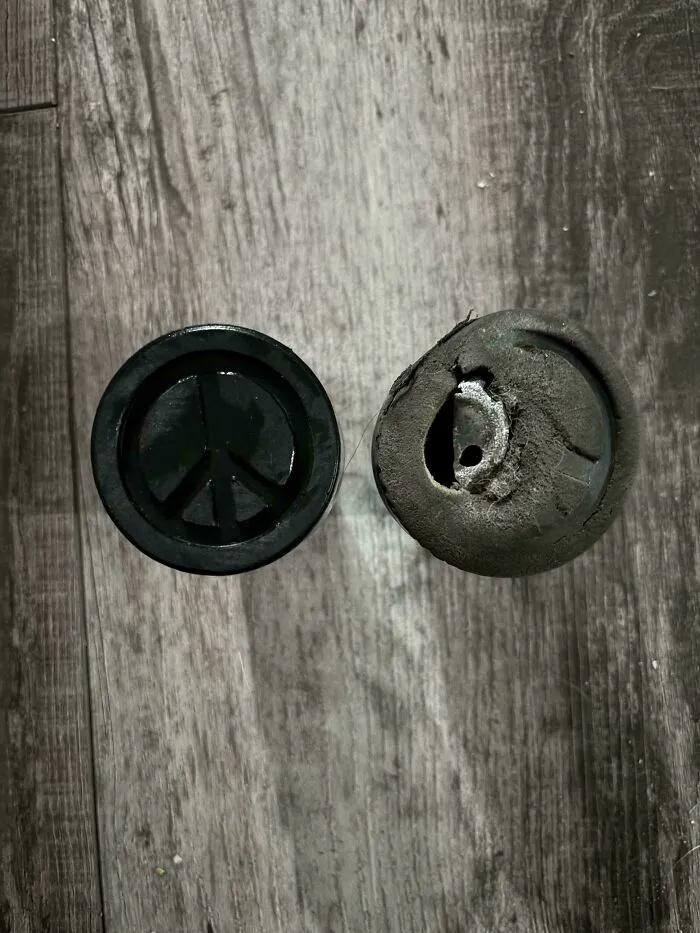
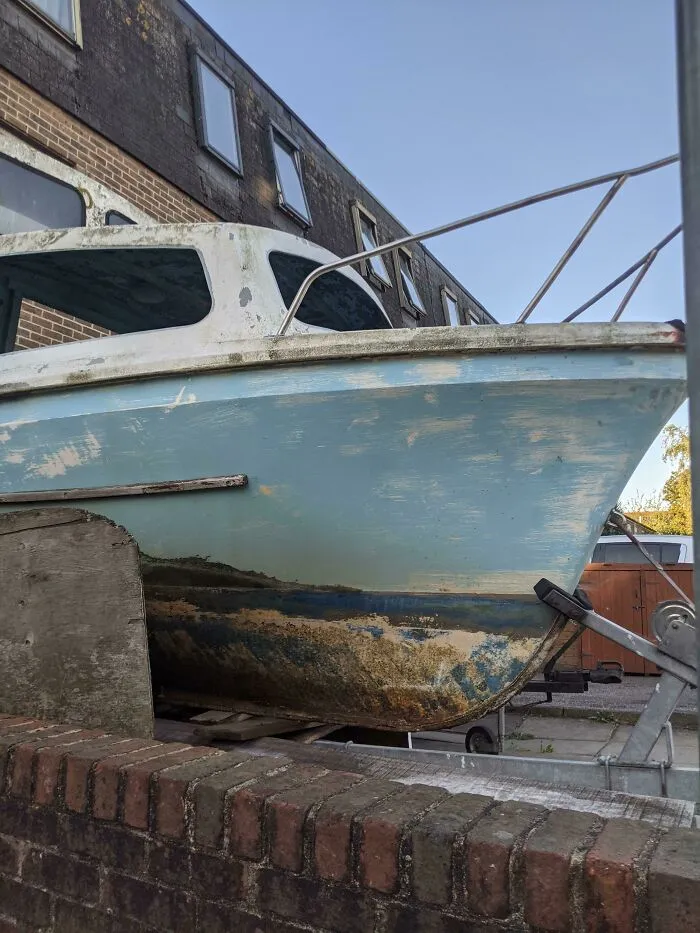
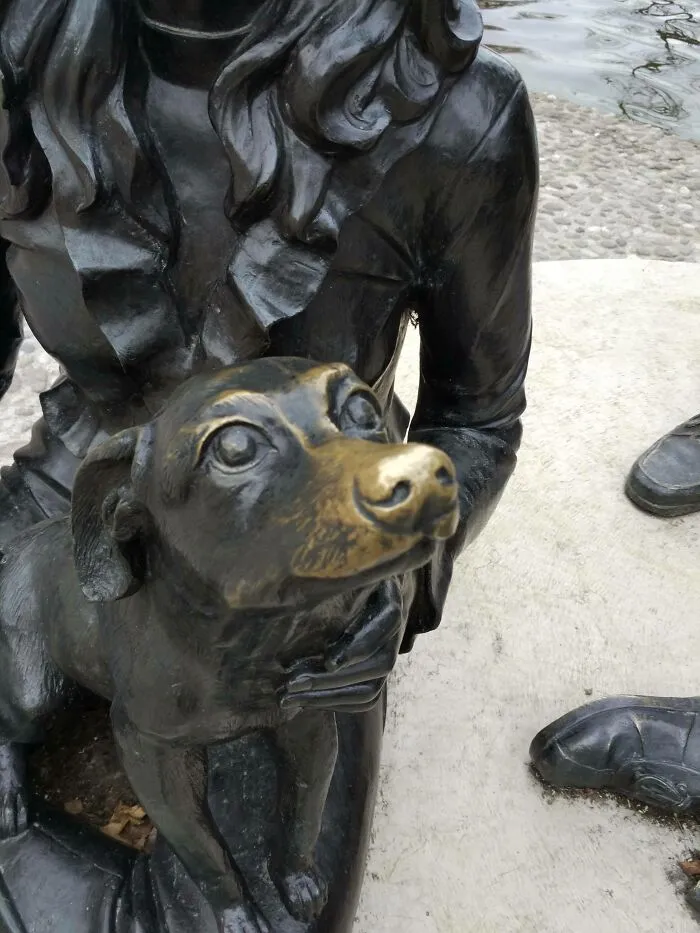
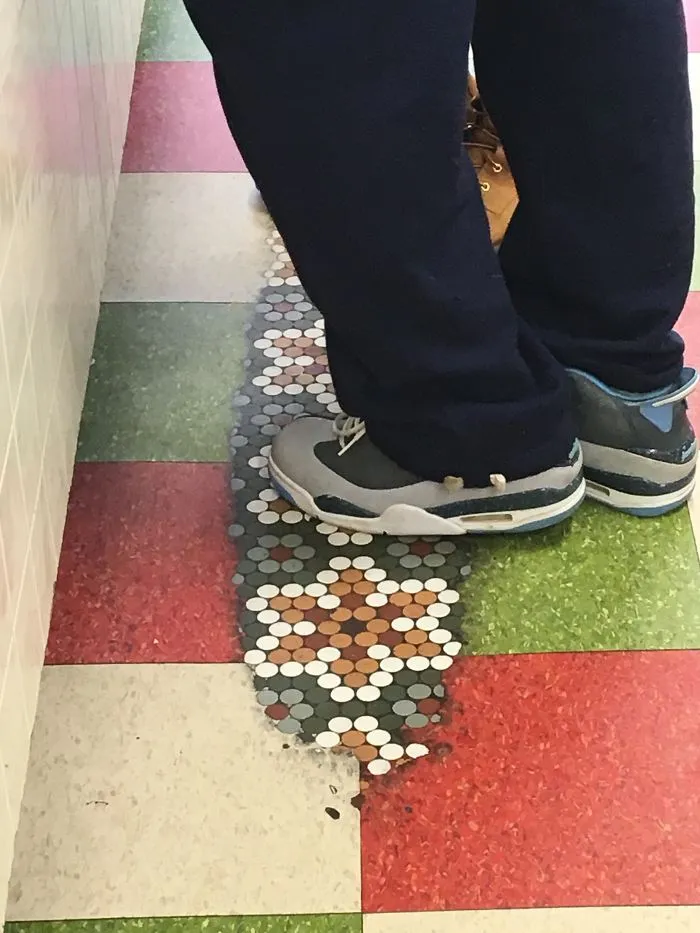
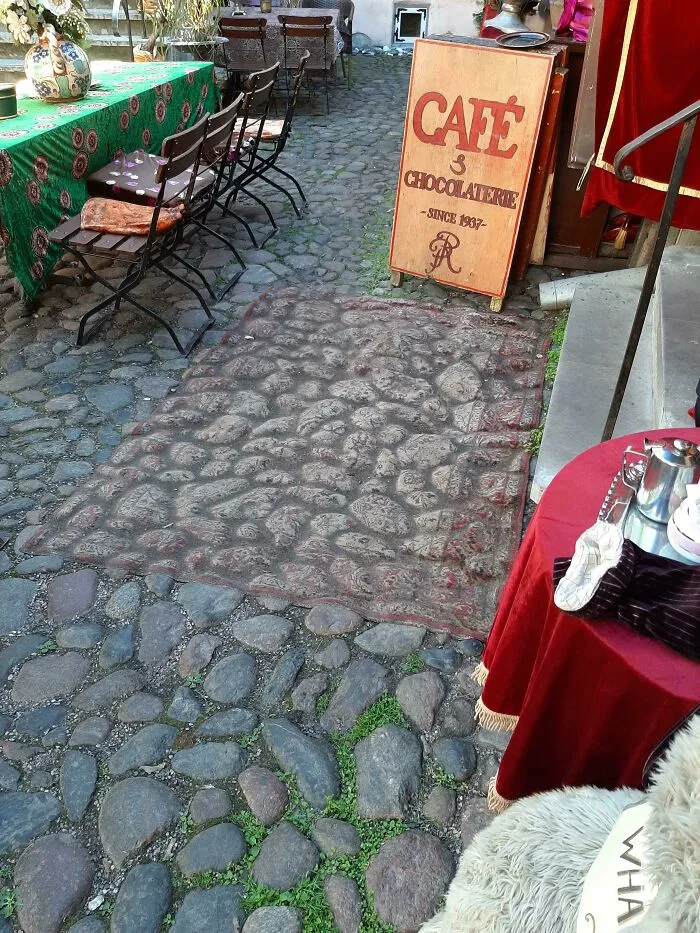
That idea of an “accumulated history” gets pretty close to describing what makes some of the objects in these photos so satisfying. They aren’t broken, necessarily, and many of them aren’t even particularly old; they’ve just been visibly shaped by the people who handled them, walked on them, sat on them, opened them, closed them, or otherwise used them. They did it enough times for the object itself to remember, turning the invisible accumulation of everyday life into something we can actually see.
#10 -
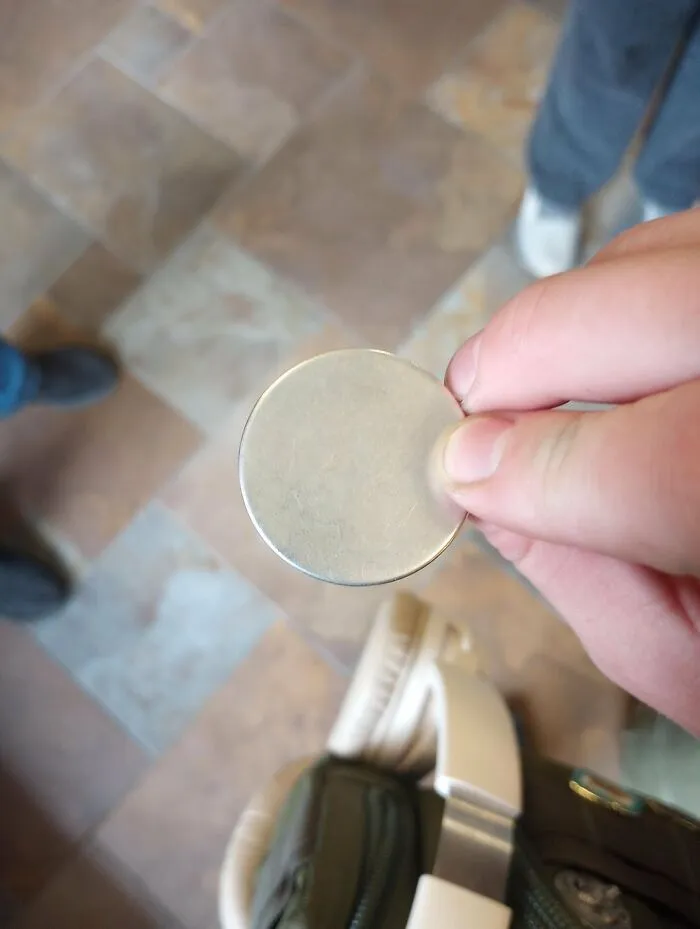
#12 A Silver Dollar That Has Been Kept In Someone's Pocket For 70+ Years
Jessica Lupo of antiques and interiors business Viridian Eclection similarly describes patina as “a collaboration—between material, time, and the human hand.” She argues that scratches, fading and worn surfaces aren’t simply signs of damage, but evidence of an object’s history. “A surface softened by use. A drawer edge darkened by skin oil. A brass handle dulled by decades of fingertips. These aren’t flaws. They are evidence. Not just that something was made, but that it was lived with,” she writes.
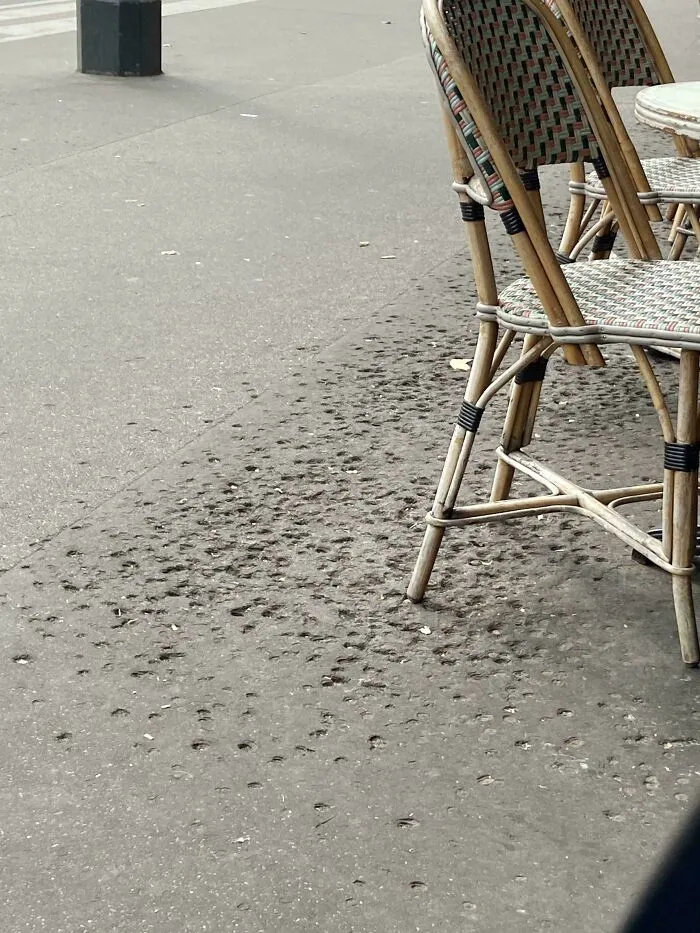
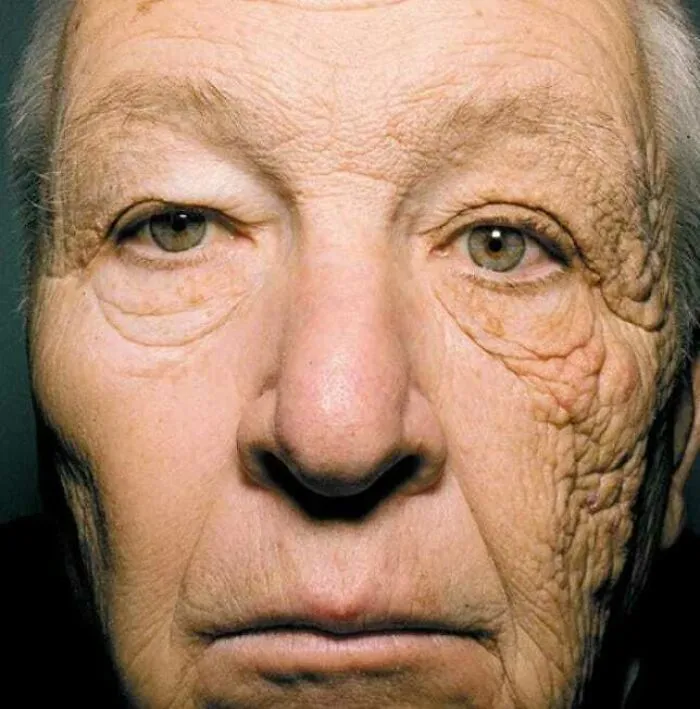
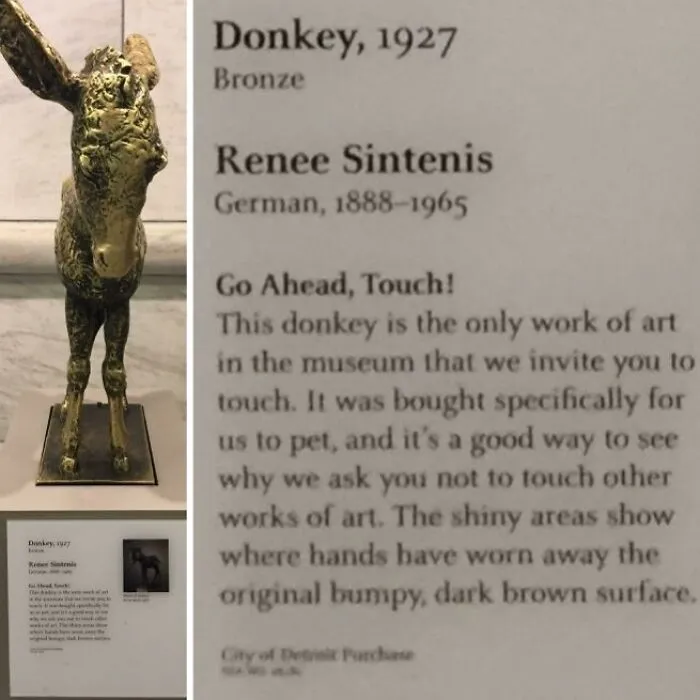
And that’s perhaps why genuine wear can feel different from something that’s simply been made to look old. A deliberately distressed surface can imitate the appearance of age, but it can’t recreate the years behind it. Lupo calls genuine patina “a record of aging that cannot be manufactured.” And yet, we seem to like the look enough to fake it.
As Adamson points out, “Even as culture continues to accelerate, rushing headlong into an uncertain future, the traces of time and use retain their strange power.”
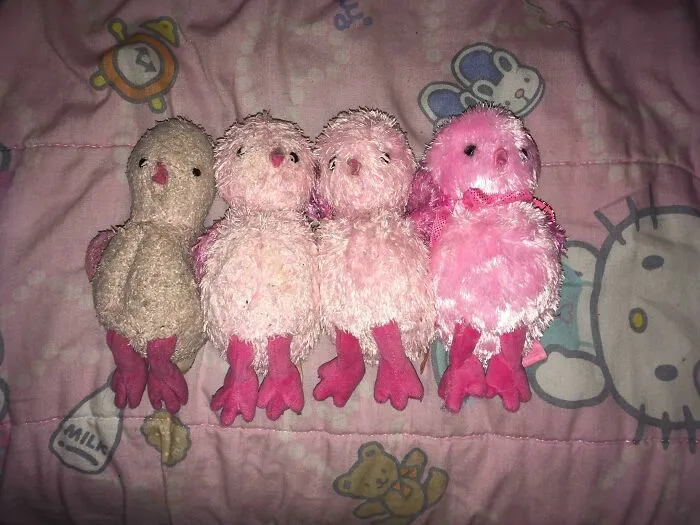
#16 My Mom Bought The Same Stuffed Animal For My Sister In Case She Lost It; After 16 Years, We Found All Four Of Them
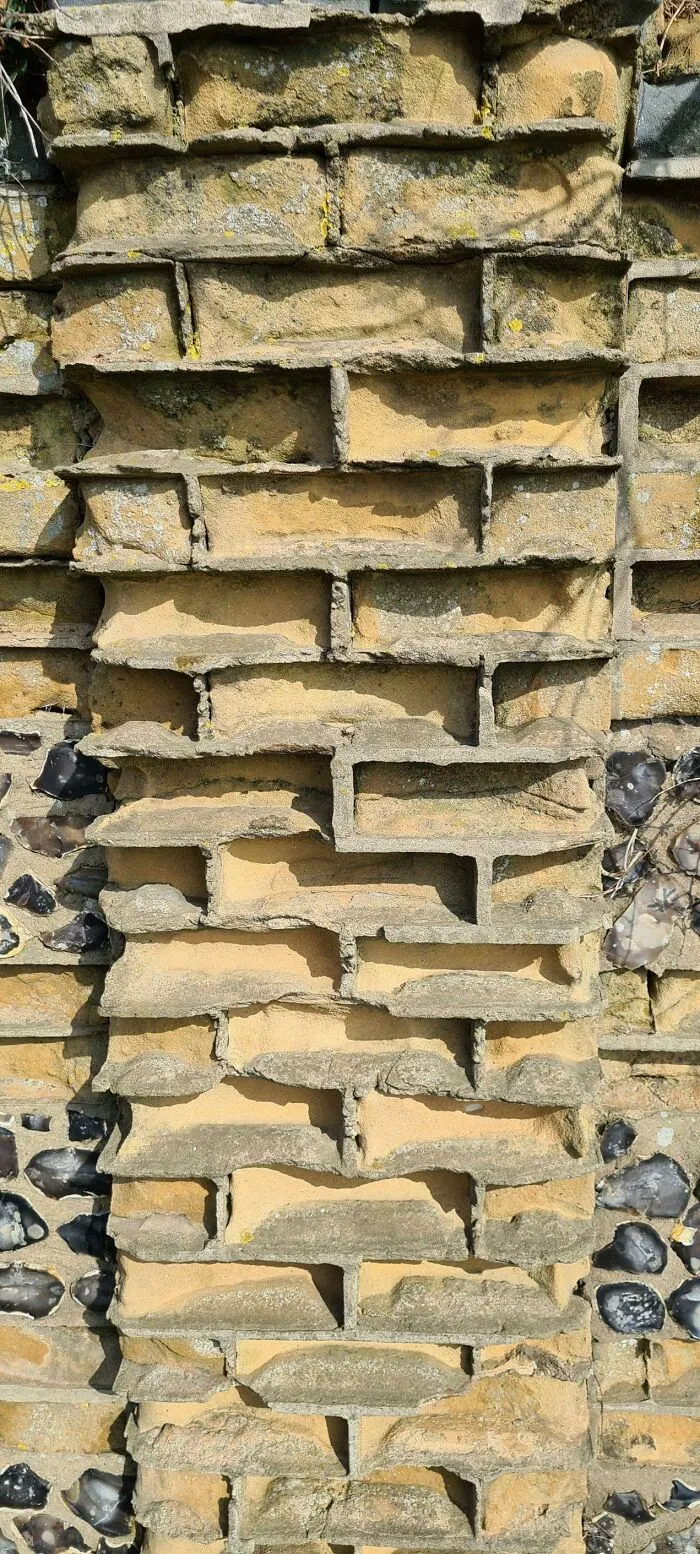
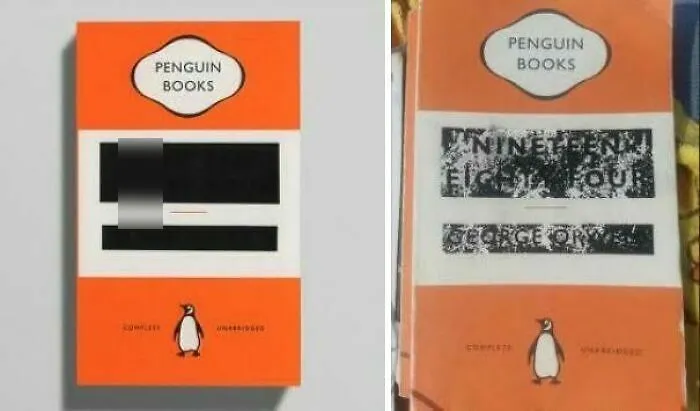
#18 The Title Of George Orwell’s 1984 Is Redacted Until Worn Off From Reading
In fact, we’ve been deliberately manufacturing the appearance of wear for decades. Writing for The Guardian in 2017, Ellie Violet Bramley noted that the practice of pre-distressing clothing had already been around for years, with jeans that looked like they’d been “run over by a lawnmower” and hoodies that looked “nibbled by a rabbit.” Tony Glenville, then creative director at London College of Fashion, suggested there was “a vague feeling about integrity” behind the appeal.