







When you think of extreme sports, what comes to mind? Perhaps skydiving, parachuting, big wave surfing or even base jumping? Today's adrenalin junkies face their fair share of risks. But they pale in comparison to what some of our ancestors endured in the name of fun.
Sport back then was filled with pain, brutality and chaos. And many spectators craved violence in the way modern fans wish for overtime or penalties. An event often wasn’t even worth watching unless it ended with someone being carried off the pitch, sometimes to their grave.
One of the wildest parts is that brutal games weren't seen as barbaric. They were sacred, celebrated, and many times, a ticket to glory. To many ancient civilizations, pain was the price of honor. And any blood spilled was a symbol of devotion, power or divinity.
Bored Panda has put together an epic list of some of the most hectic, ancient extreme sports, for you to scroll through before the next big league match. We also explore why some people are drawn to dangerous sports. You'll find that info between the images.
#21 Pelota Mixteca From Mexico
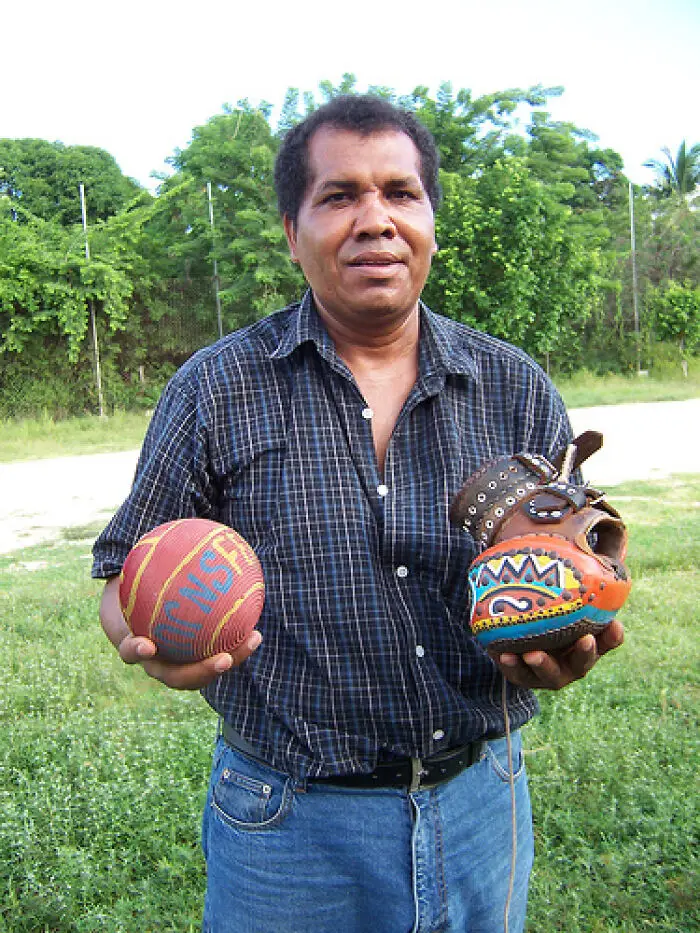
Originating from the Zapotec and Mixtec cultures of Oaxaca, Mexico, Pelota Mixteca is a high-impact ball game played with a massive, decorated glove. Players use these heavy, studded gloves, which can weigh over 10 pounds, to strike a solid rubber ball back and forth across a long, rectangular court. Similar to a netless version of tennis, the objective is to land the ball in the opposing team's territory where it cannot be returned.
Report
13points
#22 Chovgan From Ancient Persia
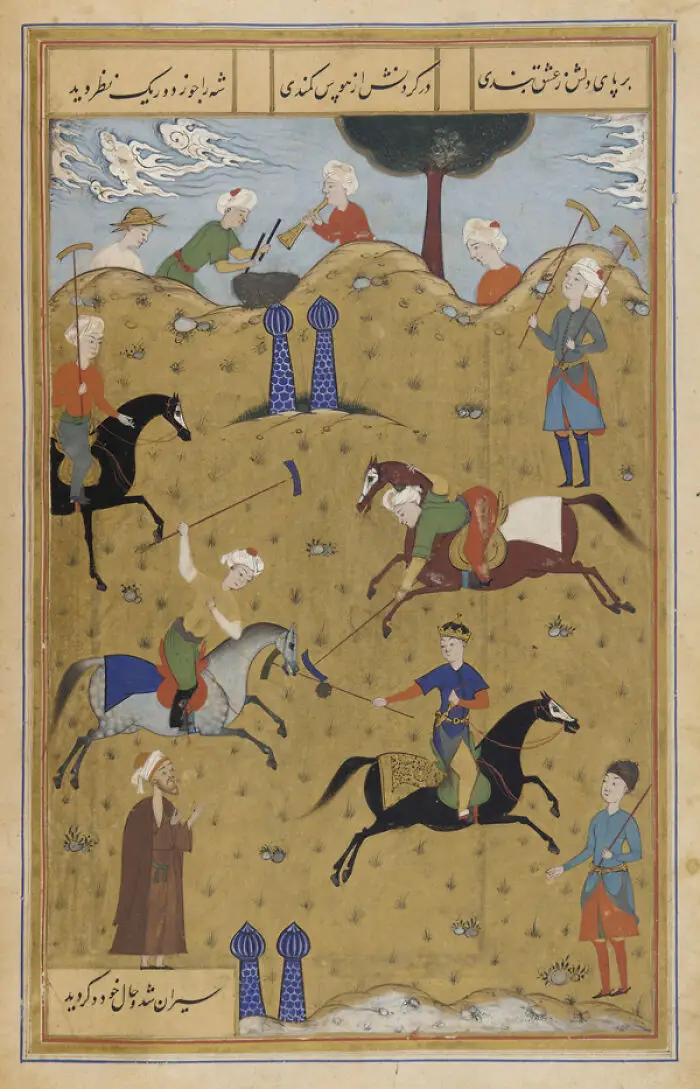
The ancestor of modern polo, Chovgan, was a fast-paced and aristocratic game played in ancient Persia and Azerbaijan. Riders would charge across a field, using long wooden mallets to strike a ball through the opponent's goalposts. More than just a competition, it served as essential training for elite cavalry units and was a major social spectacle for nobles. Often accompanied by traditional music, the sport was a complete cultural event, blending athletic skill with artistic performance.
Report
13points
#23 Viking Holmgang
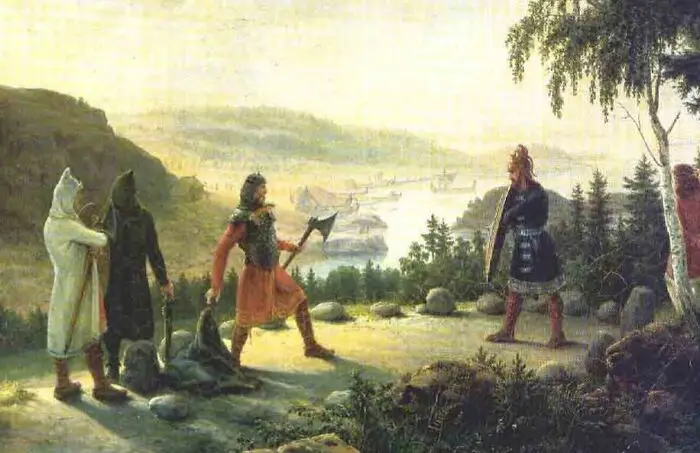
When Vikings had an unresolvable dispute over honor or property, they could settle it through a Holmgang, a legally sanctioned duel. The combatants would fight on a small island or a designated hide laid on the ground, an area which they could not leave. Governed by a strict set of rules, the duel continued until one person lost their life, yielded, or sometimes just drew first blood, with the victor automatically winning the original argument in the eyes of the law.
Report
12points
#24 Cockfighting
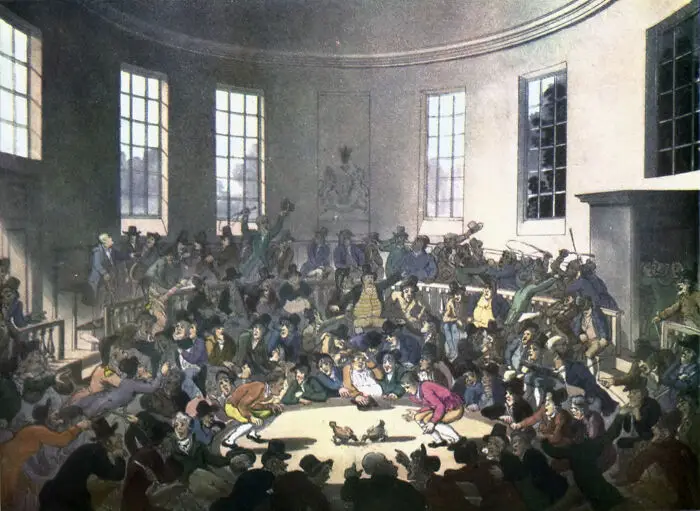
With a history spanning thousands of years across multiple cultures, cockfighting turns natural rooster aggression into a brutal spectator event. The birds, specifically bred for their fighting instincts, are placed in a small ring known as a cockpit to battle. To ensure a more decisive and bloody outcome for gambling purposes, handlers often equip the roosters with sharp metal spurs, or gaffs, attached to their legs.
Thomas Rowlandson (1756–1827) and Augustus Charles Pugin (1762–1832) (after) John Bluck (fl. 1791–1819), Joseph Constantine Stadler (fl. 1780–1812), Thomas Sutherland (1785–1838), J. Hill, and Harraden (aquatint engravers), historycollection.com
Report12points
#25 Hōlua Sledding Down The Sides Of Volcanoes
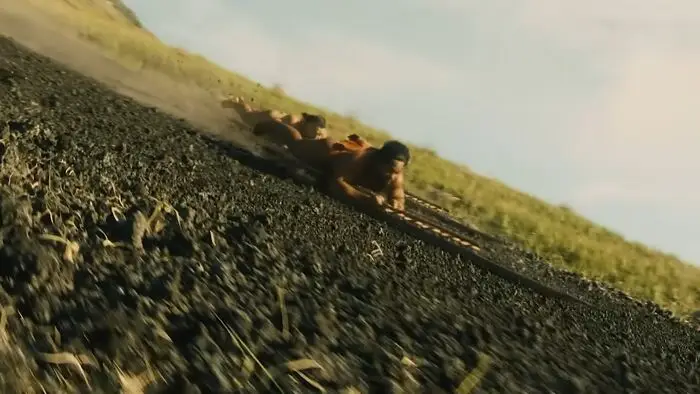
For ancient Hawaiian royalty, the ultimate extreme sport was hōlua, a form of high-speed sledding down the steep slopes of volcanoes. Competitors would ride headfirst on narrow wooden sleds, called papa hālua, down specially prepared tracks of rock and earth that could stretch for thousands of feet. More than just a dangerous competition between chiefs to display their courage, the sport was also considered a sacred practice with deep spiritual significance.
Report
11points
#26 Viking Skin Pulling
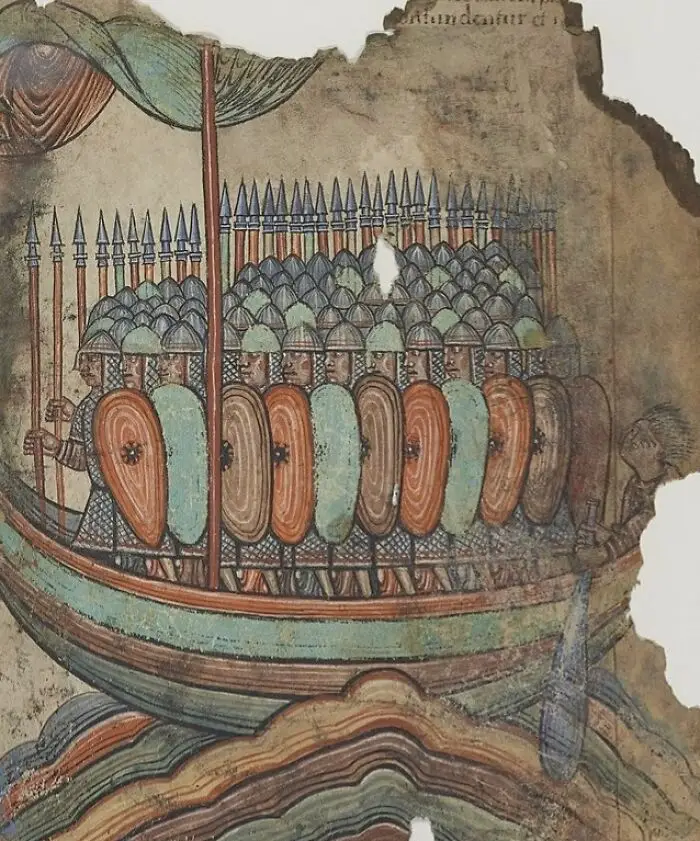
The Vikings transformed the simple game of tug of war into a lethal contest with a version that used animal hides instead of a rope. This brutal test of strength was held over a large pit of fire. The objective was horrifyingly straightforward, as the losing team was not just defeated but was dragged directly into the flames.
11points
#27 Stick Fighting
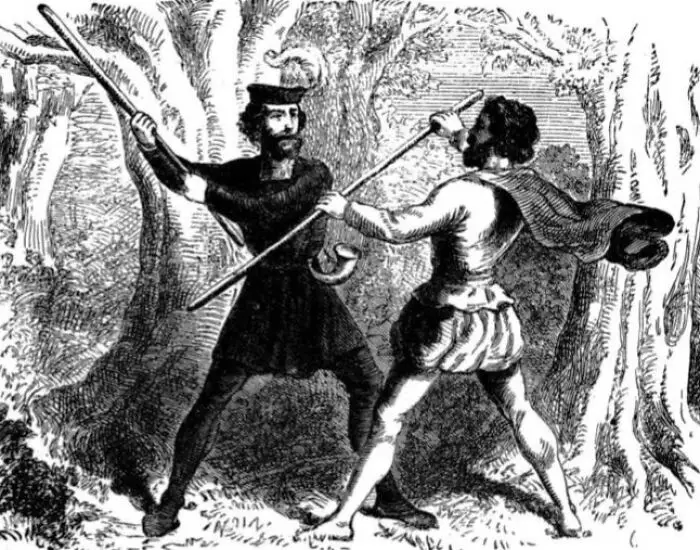
As one of the world's most ancient and widespread martial arts, stick fighting appears in countless cultural forms, ranging from folk dance to brutal combat. In Egypt, the stylized art of Tahtib involves long staffs in a performance that emphasizes skill and grace. This contrasts sharply with the Donga stick fighting of Ethiopia's Suri people, a violent rite of passage where men engage in fierce duels to prove their manhood and win wives.
Report
11points
#28 Camel Wrestling
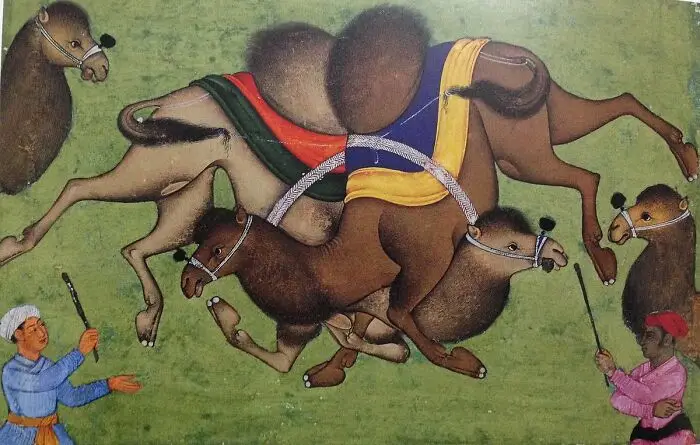
Dating back over 2,400 years to nomadic Turkic tribes, camel wrestling is a traditional spectator sport still popular in the Aegean region of Turkey. The event pits two male Tulu camels against each other, typically during mating season when their natural instinct to fight for dominance is highest. The camels use their powerful necks to push and wrestle until one is forced to retreat or fall to the ground. Victory is declared not through injury but by submission, making it a test of strength and will rather than a fight to the finish.
Report
11points
#29 Bo-Taoshi From Japan
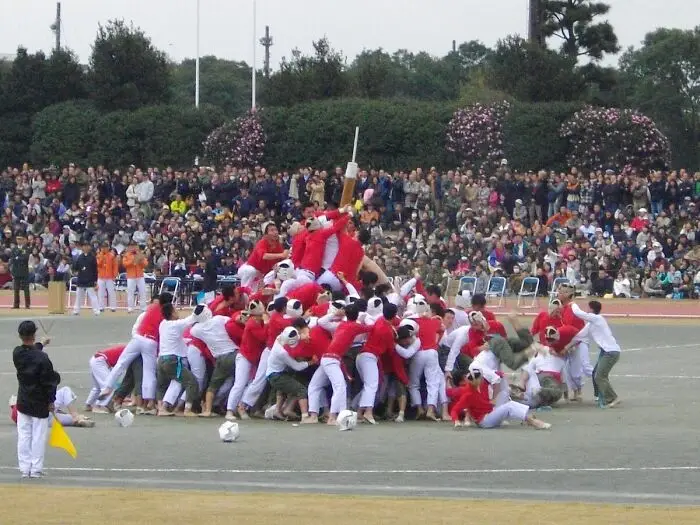
A chaotic spectacle played by cadets at Japan's National Defense Academy, Bo-taoshi is essentially a 300-person battle to topple a giant wooden pole. Each team of 150 is divided into attackers and defenders, with the defense forming a dense human scrum at the pole's base while a single "ninja" balances on top. The attackers must then storm this fortress, climbing over their opponents in a frantic effort to pull the pole down to a thirty-degree angle for the win.
Report
11points
#30 Anastenaria
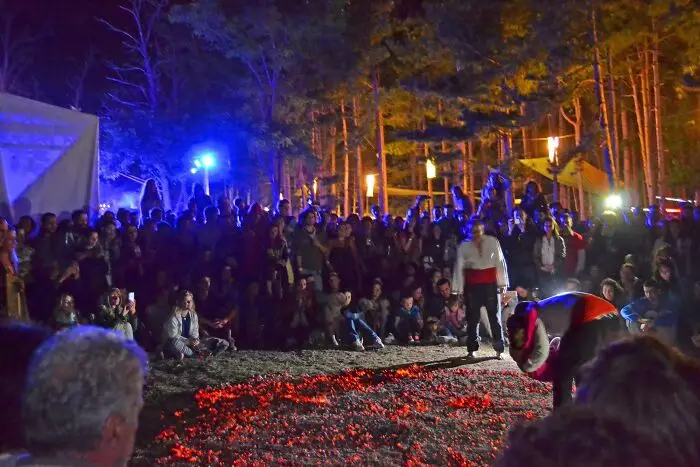
Anastenaria is a religious ritual practiced in parts of Greece and Bulgaria where participants walk barefoot across hot embers while carrying the icons of Saints Constantine and Athanasius. Adherents believe a state of spiritual ecstasy, granted by the saints, protects them from being burned. While the tradition is explained by a Christian legend about rescuing the icons from a church fire, its origins are often linked by scholars to ancient pagan firewalking rituals, possibly connected to the worship of Dionysus.
Report
11points
#31 Buzkashi Is Polo But With A Goat Carcass
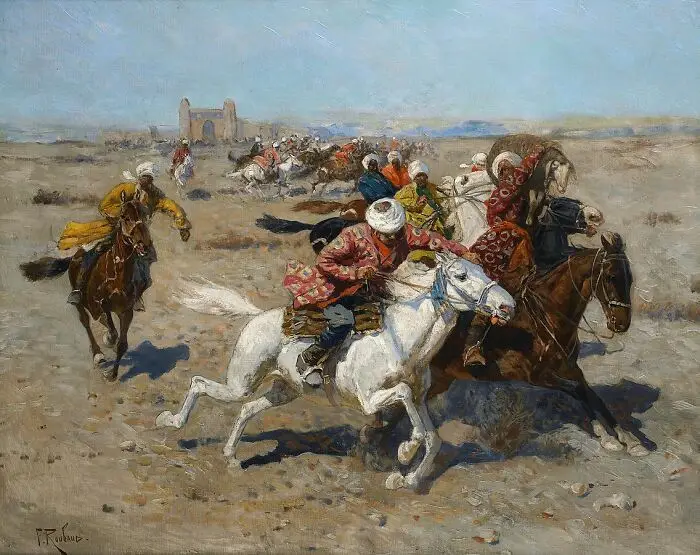
In Afghanistan, the national sport of buzkashi is an intense and chaotic version of polo where the ball is replaced with a goat carcass. Before the match, the animal is decapitated and its limbs are removed, creating a heavy and awkward prize for the horsemen to fight over. This game is a fierce free-for-all, with each rider battling to seize the carcass, break away from the pack, and drop it in a designated scoring circle.
Report
10points
#32 Venatio
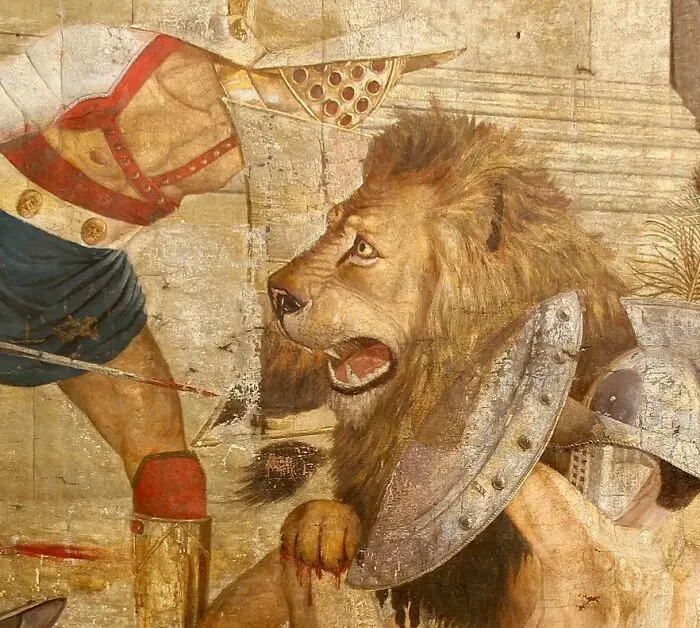
Beyond the famous gladiator duels, Roman arenas were also home to the Venatio, a spectacular and brutal form of public entertainment. In these staged hunts, a vast array of exotic animals, sourced from the furthest corners of the empire like lions, bears, and even elephants, were pitted against armed hunters known as venatores. The event was less a fair contest and more a one sided slaughter, designed to showcase Rome's dominion over the natural world and entertain the masses with bloody carnage.
10points
#33 Celtic Head-Hunting Games
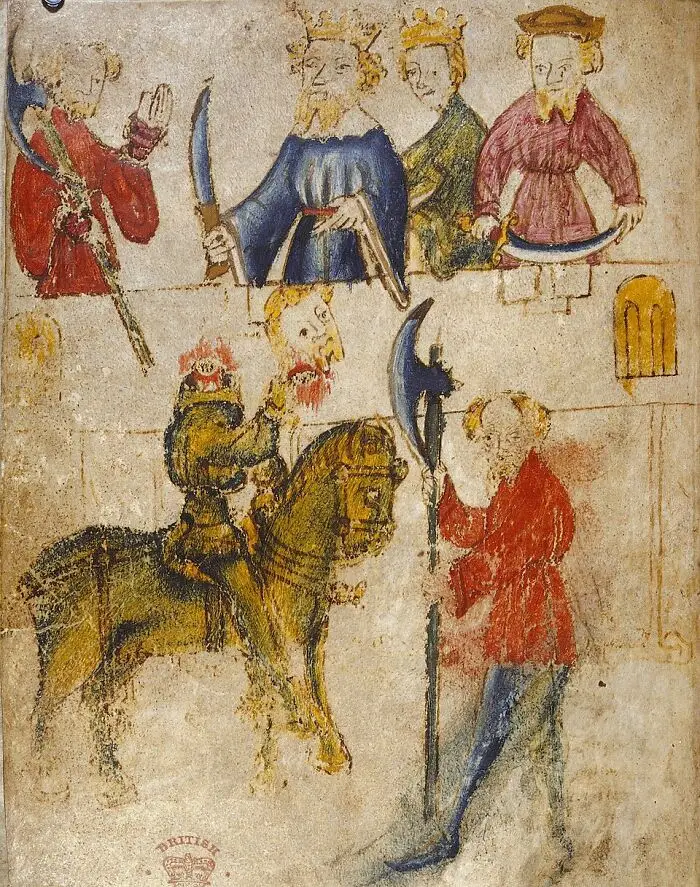
For ancient Celtic warriors, the ultimate competitive trophy was not a medal, but the severed head of a vanquished enemy. This gruesome practice was rooted in the belief that the head contained the soul, so capturing one was a way to seize an opponent's spirit and power. These macabre prizes were often preserved, sometimes with cedar oil, and proudly displayed on saddles or over doorways as a direct measure of a warrior's prowess and status.
Report
10points
#34 Lion Hunt Of Ashurbanipal
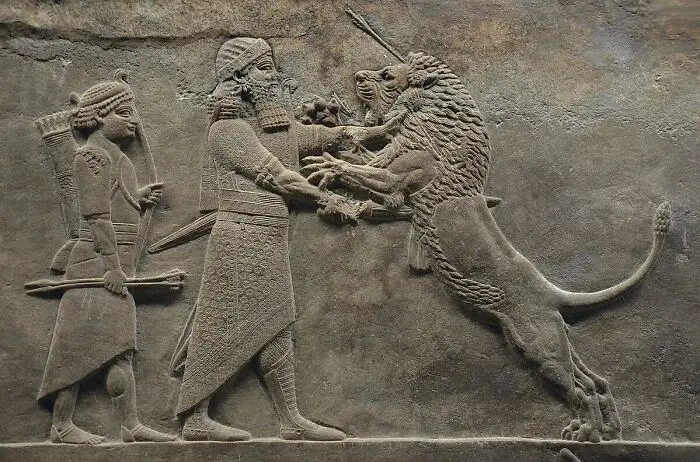
In ancient Mesopotamia, lion hunting was less a sport and more a royal performance of power for Babylonian and Assyrian kings. This highly symbolic event was designed to showcase the ruler's strength and his divine duty to protect civilization from the forces of chaos, which the lion represented. The hunts were often carefully orchestrated affairs where lions, captured beforehand, were released into a designated park or arena, allowing the king to slay them from a chariot or on foot in a grand public spectacle.
Report
10points
#35 Roman Chariot Racing Was Every Bit As Intense As ‘Ben-Hur’ Portrayed
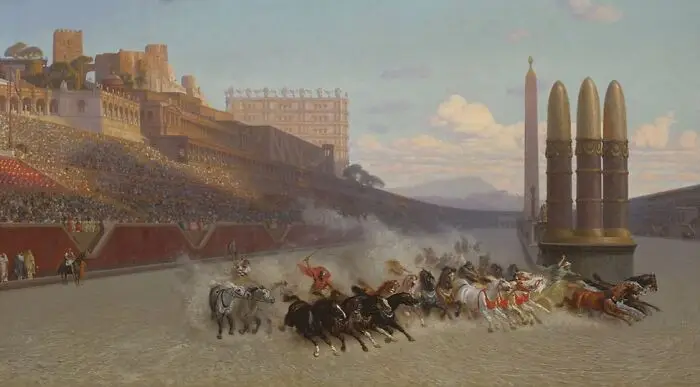
As the premier spectator sport of the Roman Empire, chariot racing was a high-speed spectacle held in massive arenas like the Circus Maximus, where superstar drivers competed for one of four professional factions: the Reds, Whites, Blues, or Greens. These races were incredibly dangerous, involving several laps around a track at top speed, with drivers wrapping the reins around their torsos for better control of their four-horse teams. This high-risk tactic meant that spectacular and often fatal crashes were common, forcing charioteers to carry a knife to cut themselves free before being dragged to their peril.
Report
9points
#36 Bullfighting
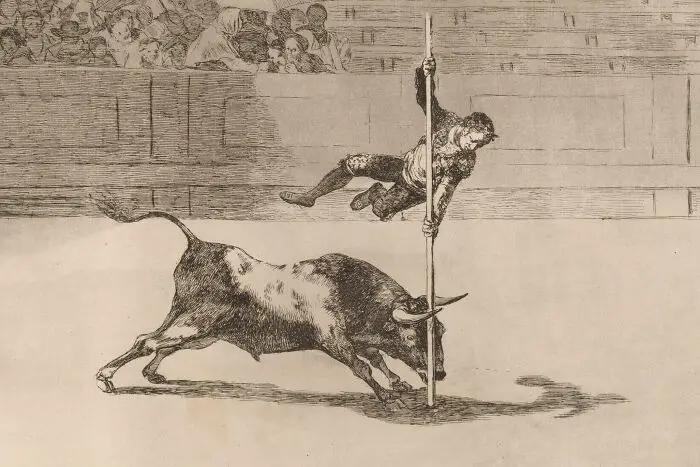
More than just a simple contest, traditional Spanish bullfighting is a highly ritualized performance divided into three distinct stages, or "tercios." In the final stage, the matador uses a small red cape, the muleta, to execute a series of artistic passes, demonstrating control and grace before attempting to dispatch the bull with a single sword thrust. A skilled performance and a clean end of the animal are rewarded by the crowd, who may petition the event's president to award the matador trophies, traditionally one or both of the bull's ears, as a sign of a triumphant display.
9points
#37 Knattleikr From Viking Times
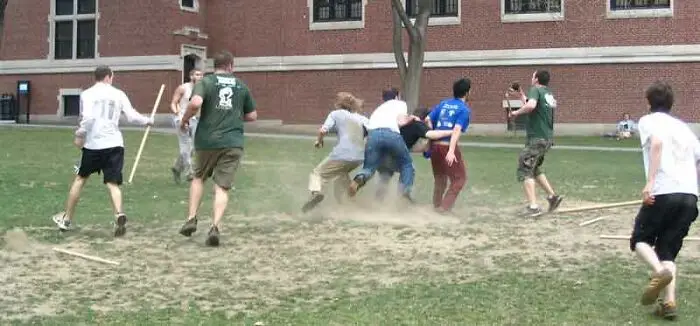
The Vikings had their own version of a rugged ball game known as Knattleikr, played with a hard ball and a bat, often on frozen fields or ice. With very few rules, the game was notoriously brutal, allowing players to tackle, wrestle, and physically overpower opponents to gain control of the ball. These day-long matches were as much a test of endurance and combat readiness as they were a sport, and it wasn't uncommon for heated on-field disputes to escalate into serious real-world feuds.
Report
9points
#38 Spartan Krypteia Played By Teenagers
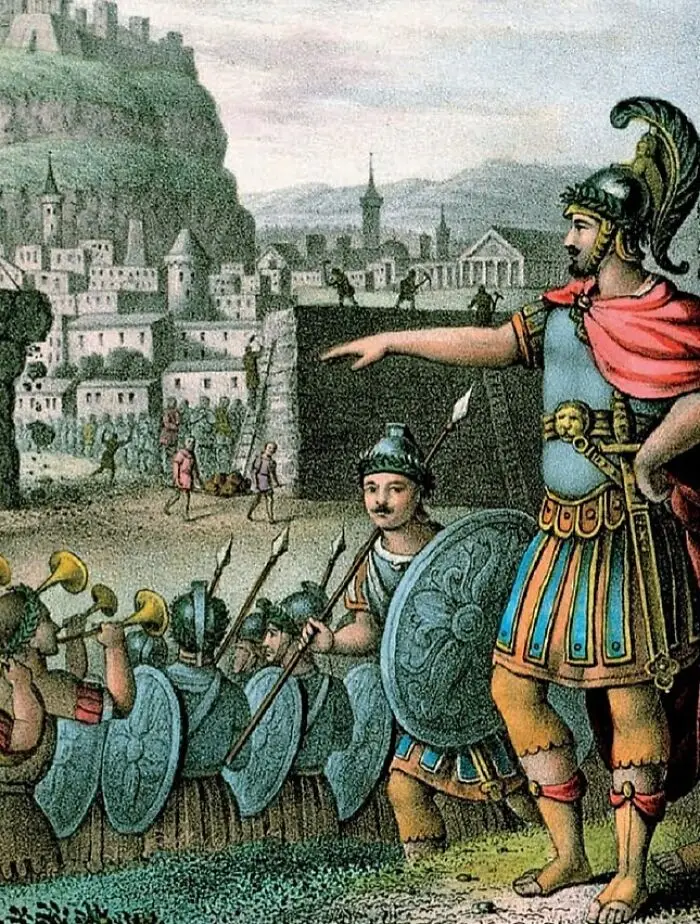
The culmination of a brutal Spartan upbringing was the Krypteia, a final test that functioned as a state-sanctioned terror mission. As their final trial, select young men were sent into the countryside armed only with a dagger, tasked with secretly hunting and executing members of the helot population, Sparta's state-owned slaves. This gruesome rite of passage served a dual purpose: it was the ultimate test of a young warrior's stealth and ruthlessness while also acting as a calculated campaign of fear to control the vastly larger slave population.
Report
8points
#39 Fox Tossing
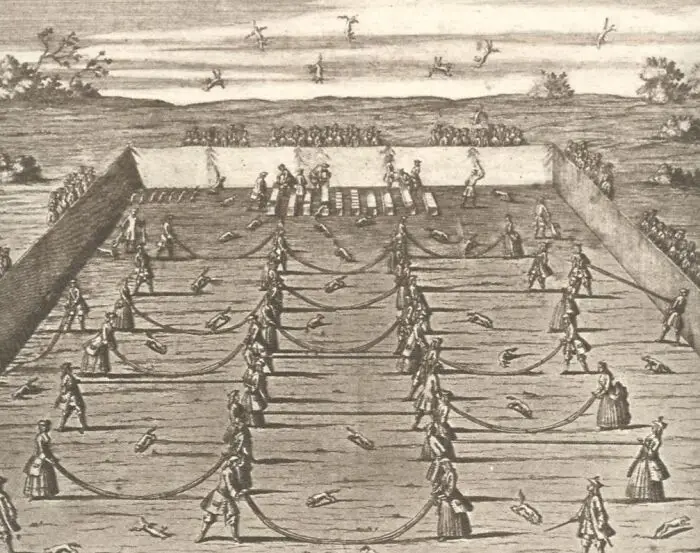
A bizarre pastime popular among European aristocrats in the 17th and 18th centuries, fox tossing was a cruel form of entertainment staged in large courtyards. Teams of two people would hold a long fabric sling, and when a fox was released into the arena and ran across the sling, they would pull it taut to launch the animal high into the air. The goal was simply to achieve the greatest height, a spectacle that typically resulted in a fatal landing for the fox.
8points
#40 Dog Fighting
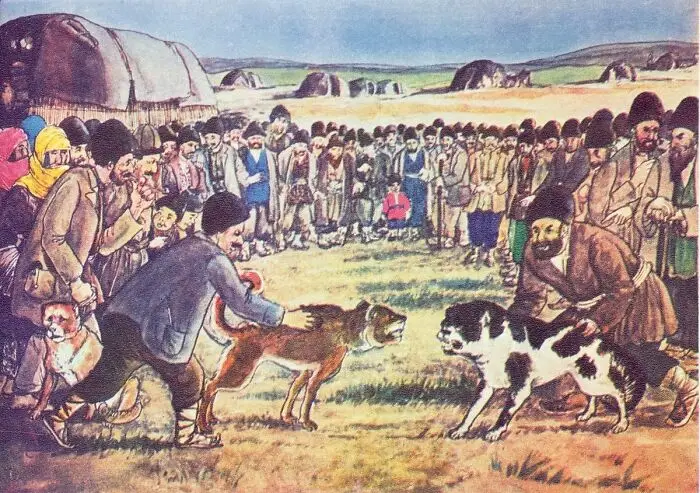
Rooted in illegal gambling, dog fighting is a brutal blood sport where two dogs, specifically bred and trained for aggression, are forced to battle in an enclosed pit. The animals are conditioned to fight relentlessly, often until one is severely maimed or finished off.
Report
8points


