


Bored Panda
30 Pictures And Illustrations That Might Make You Say “Nature Was Metal”

30 Pictures And Illustrations That Might Make You Say “Nature Was Metal”

208
13
Mother nature never ceases to amaze us. It’s a source of life for awe-inspiring creatures, from delicate to humongous, and everything in between. However, some of the latter might seem delicate, too, compared to the living things that have gone extinct.
Bugs the size of a human, reptiles of ginormous proportions, and rodents with horns—these are just a few examples proving that “Nature Was Metal” back in the day. That’s why there’s an entire subreddit, under this exact name, dedicated to some of nature’s most extraordinary creations that have vanished from the face of the earth.
Today we’ve listed a bunch of them for you to get acquainted with. Whether you find them atrocious or absolutely fascinating, they show the name of the subreddit is definitely not baseless. Scroll down to marvel at the beauties and the beasts and click here for our previous post about them.

#21 The Massive Size Of A Utahraptor Skull, With A Velociraptor Skull And Human Head For Scale
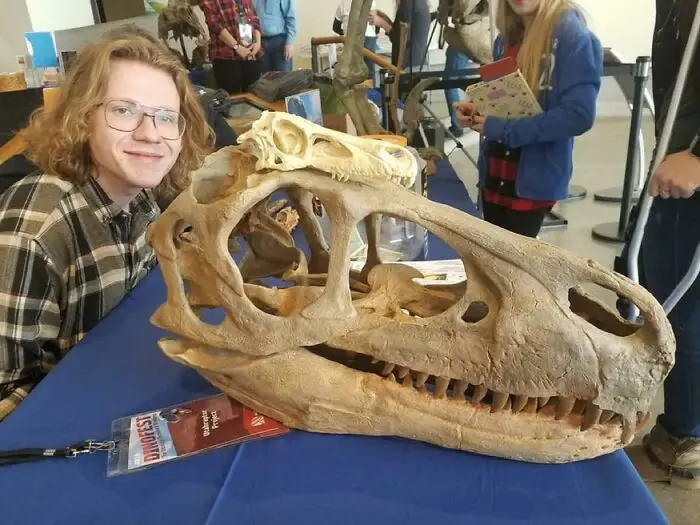
Person smiling next to a large dinosaur skull fossil, showcasing nature was metal with powerful prehistoric bones.
Report
134points

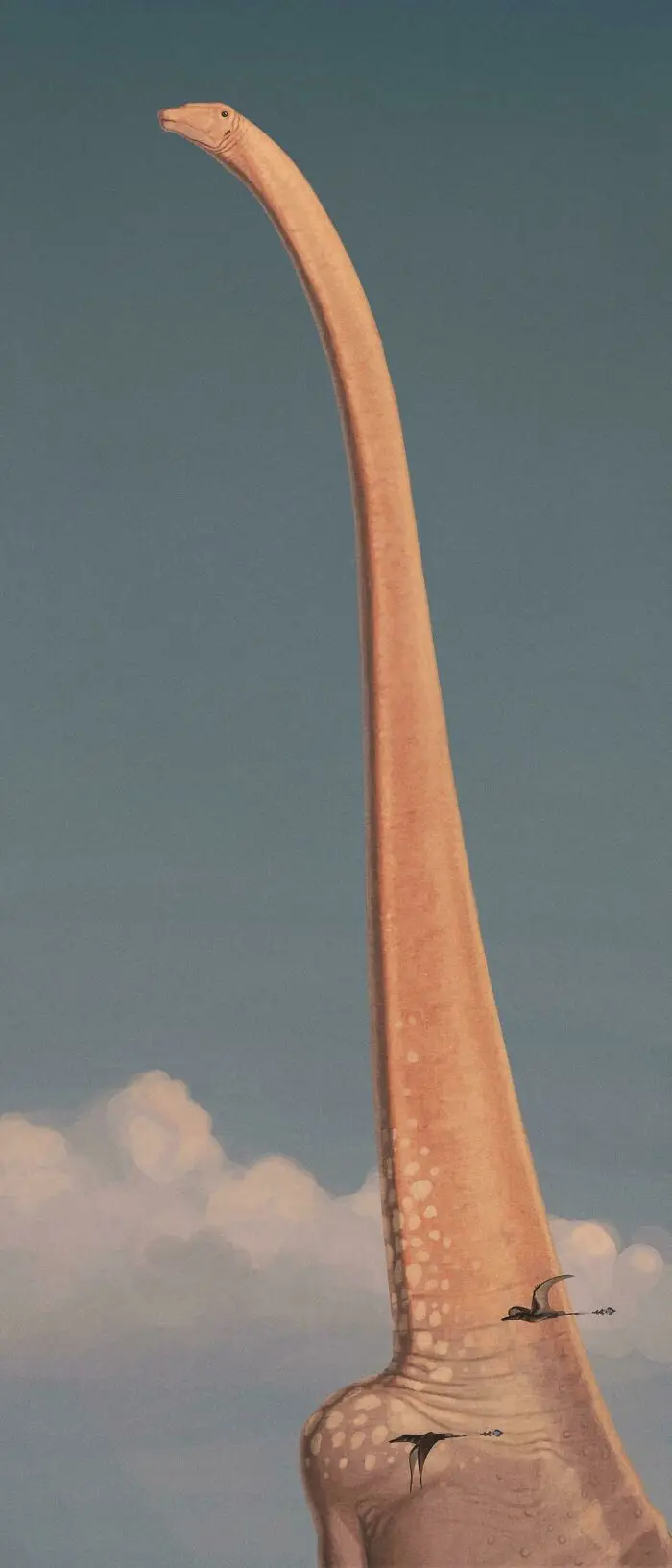
#22 Barosaurus Had Quite A Long Neck. Art By John Conway

Illustration of a long-necked dinosaur flying with pterosaurs against a cloudy sky in nature was metal style
131points

#23 22 Million Year Old Enhydro Methane Termite With Its Last Meal Preserved In Amber
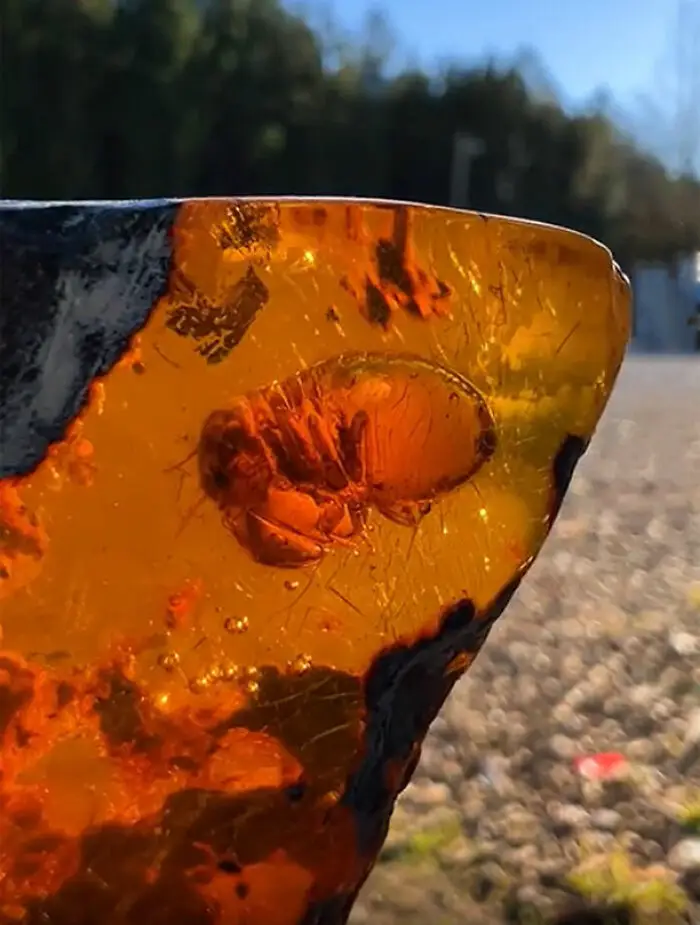
Close-up of an insect trapped in amber, showcasing a striking natural metal-like fossil effect.
129points

An astonishingly large number of nature’s creations are on the verge of extinction today. According to Animals Around The Globe, nearly 41,500 species are included in the International Union for Conservation of Nature’s Red List, more than 16,000 of which are threatened with extinction.

For example, there are only 67 Javan rhinos in the entire world. The numbers of mountain gorillas and Asian elephants are dropping rapidly, and so are the ones of Atlantic blue tuna.
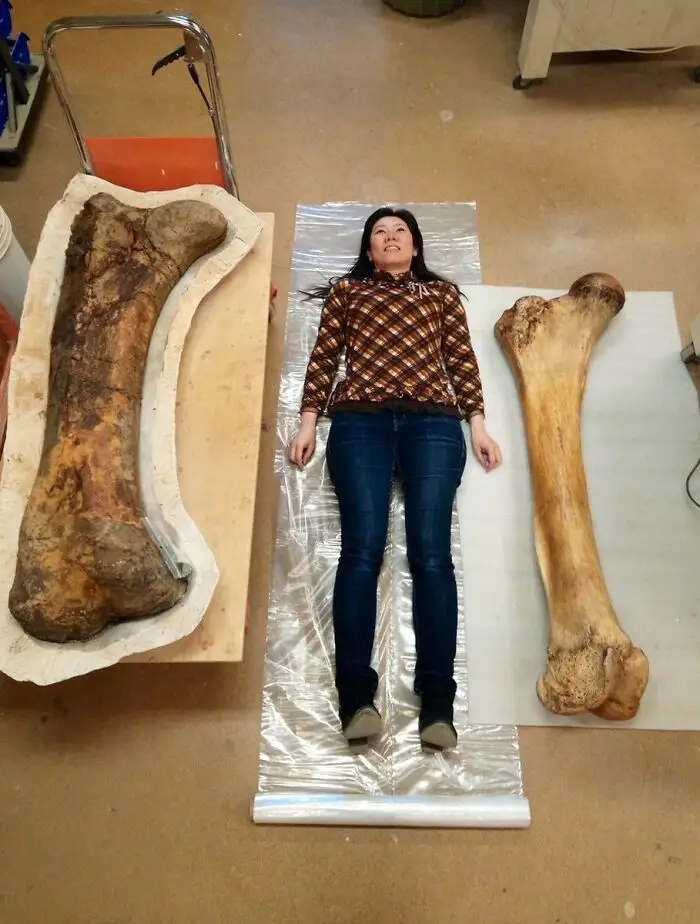
#24 Triceratops Femur (Left) vs. Elephant Femur

Woman lying on the floor between two enormous prehistoric bones showing the scale of nature was metal.
127points

#25 Parapuzosia Seppenradensis, The Largest Known Ammonite, Photographed In The Late 1800s With The Paleontologist Who Described It
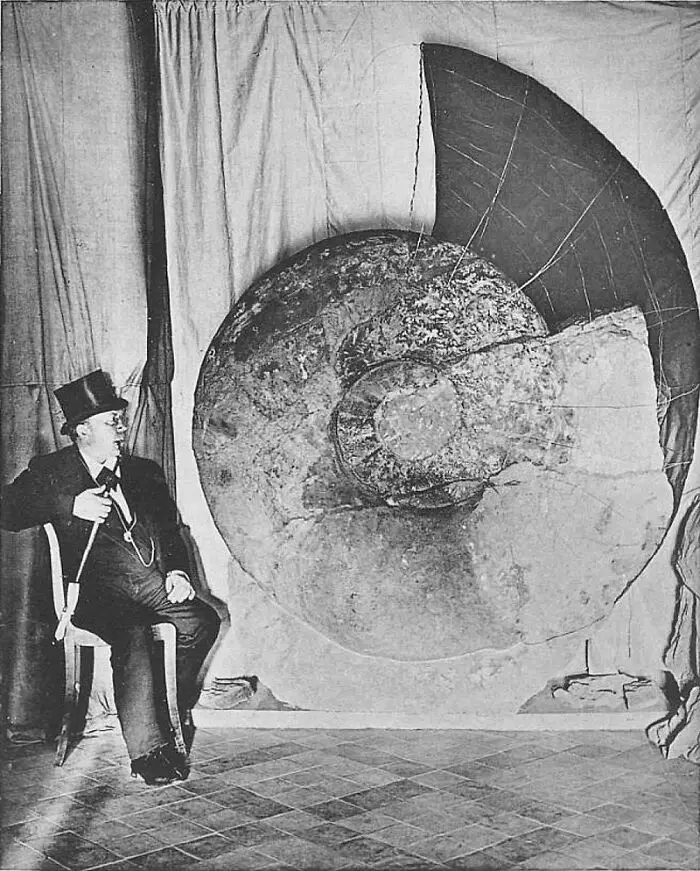
Black and white photo of a man in a top hat seated next to a giant fossil, showcasing nature was metal.
124points

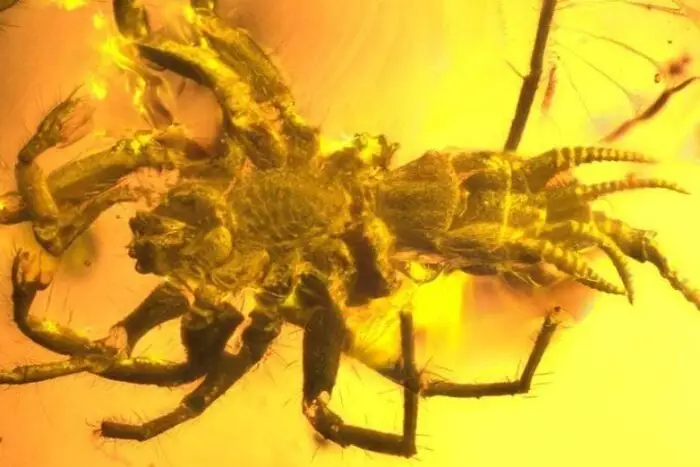
#26 Prehistoric Spider-Like Arachnid Found Preserved In Amber

Close-up of an ancient insect perfectly preserved in amber, showcasing nature was metal through fossil detail and texture.
Report
119points

The United States Geological Survey pointed out that some of the reasons for the unfortunate changes in such numbers are habitat loss and over-exploitation of wildlife for commercial purposes. Sadly, human activity has made the process of extinction way more rapid than it would have been naturally. Scientists believe that the 20th-century rate of animal species dying is a hundred times higher than it would have been without people’s interference.
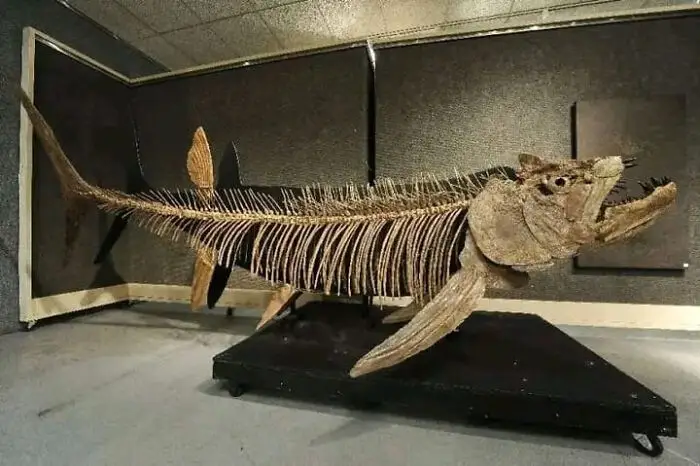
#27 Fossil Of Giant 40+ Million Year Old Fish Found In Argentina

Fossilized skeleton of a prehistoric fish displayed indoors, showcasing nature was metal in this striking arrangement.
119points

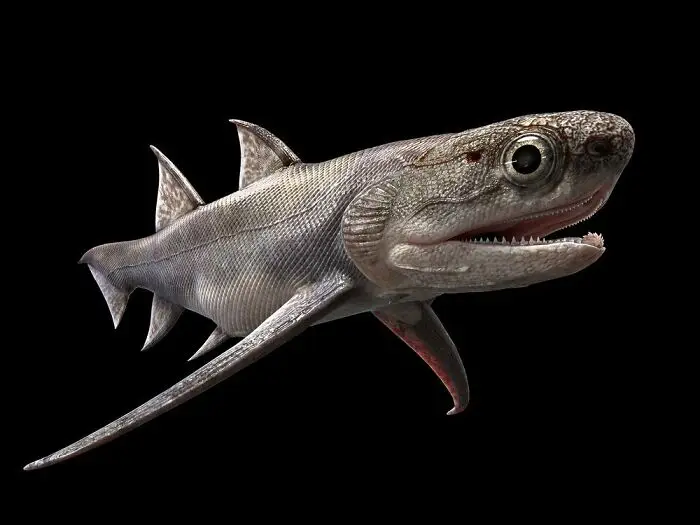
#28 The Origin Of Teeth And Jaws Has Been Pushed Back To 436 Million Years Ago
Ancient fish with sharp teeth and textured skin swimming against a black background showcasing nature was metal.
112points

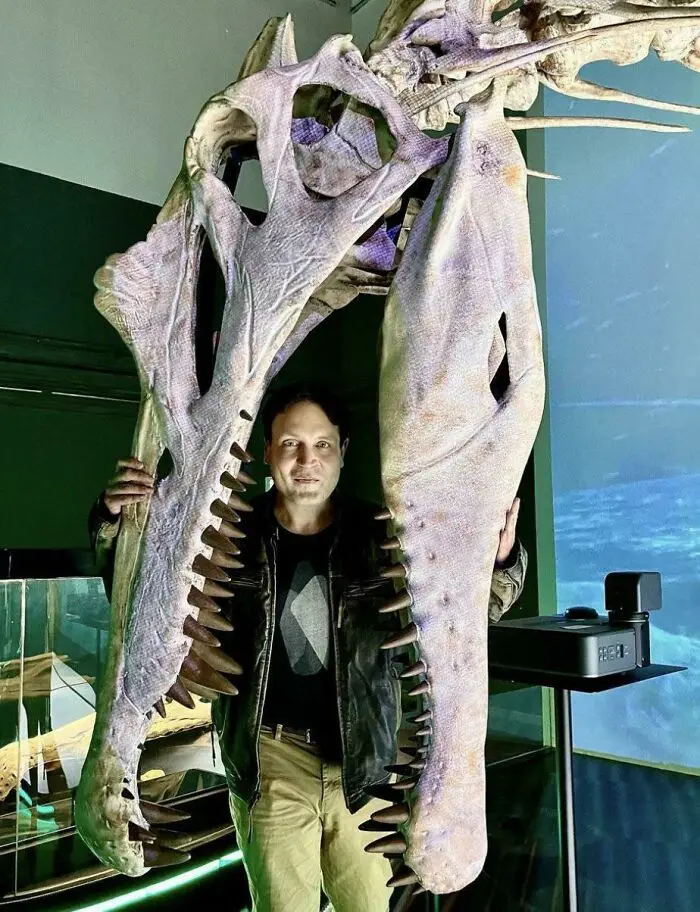
#29 Nizar Ibrahim Between The Jaws Of Spinosaurus

Man posing inside large prehistoric reptile skull jaws, showcasing nature was metal with intense fossil display.
Report
111points

There are, however, ways to help save the animals at risk. The Endangered Species Coalition pointed out some easy steps to do it, such as learning about the endangered species in your area or making your surroundings wildlife-friendly. It also emphasized the importance of recycling, cautious driving, and safe use of chemicals in your environment.

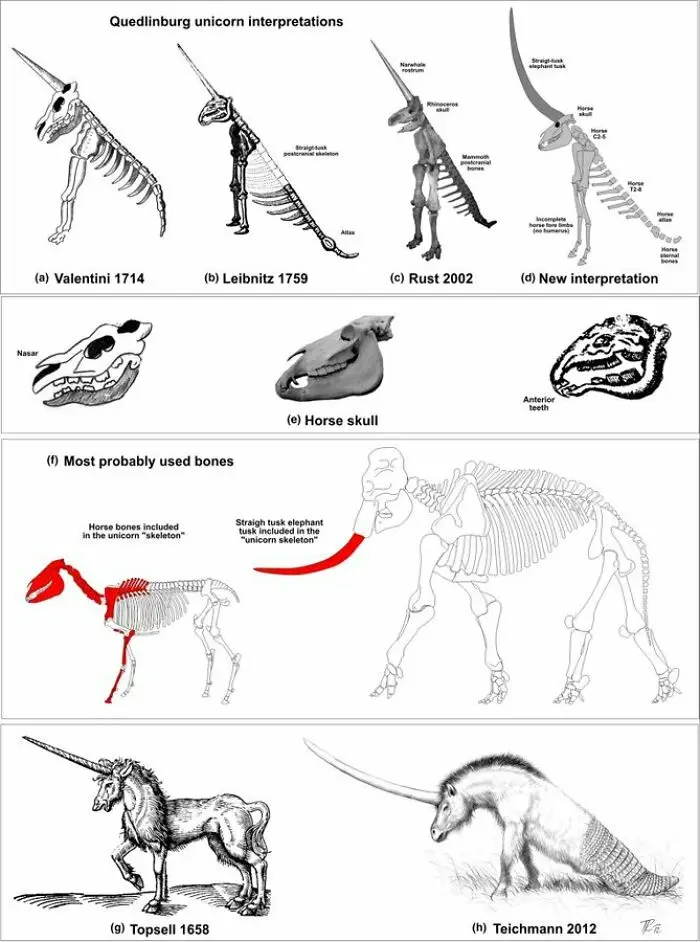
#30 In 1663, The Partial Fossilised Skeleton Of A Woolly Rhinoceros Was Discovered In Germany. This Is The “Magdeburg Unicorn”, One Of The Worst Fossil Reconstructions In Human History
Illustrations and skeleton comparisons of unicorn interpretations using horse and elephant bones in nature metal context.
Report
102points

#31 This Image Of A Human Next To A Carcharodontosaurus Skull Never Ceases To Amaze Me

-4points

#32 Triceratops Horridus Skull At The Morrison Natural History Museum, Co

-5points

#33 A Stegosaurus Squares Up To A Hungry Torvosaurus - By Brian J Murphy

-6points
208
13