






#1 Explain It Peter
#2 Explain It Peter

#3 Explain It Peter. I'm Not A Pharmacist
The simple bold text on a meme may be in a language you understand, but the references and callbacks can sometimes sound completely foreign. You might read the words clearly, yet feel completely left out of the actual message.
Some memes go a step further and assume the audience is already deeply familiar with a specific subculture. Whether it is niche video game lore, underground music genres, or hyper-specific regional humor, missing just one piece of context leaves you staring in confusion at an inexplicable image.
#4 Explain It Peter
#5 Never Thought I'd Be One To Post Here, But... Explain It Peter
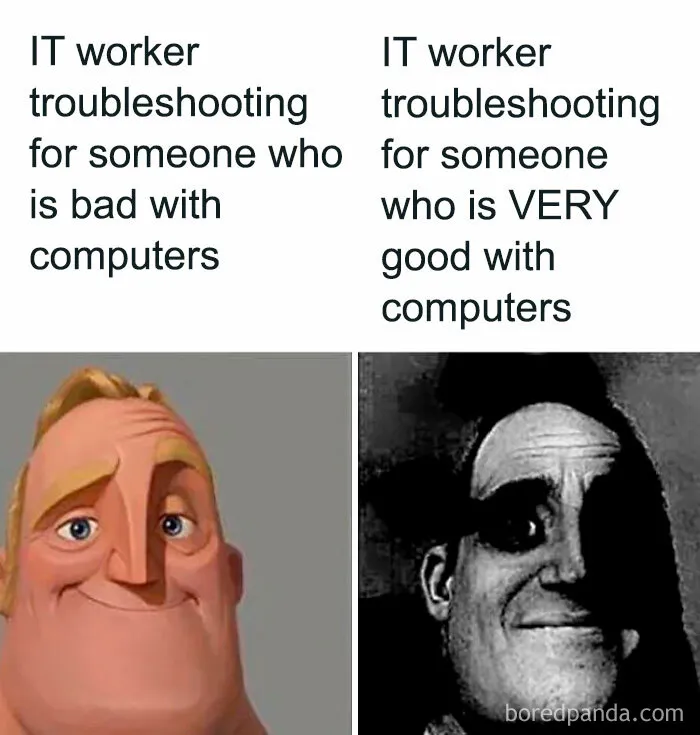
Second one is an actual problem.
#6 Explain It Peter
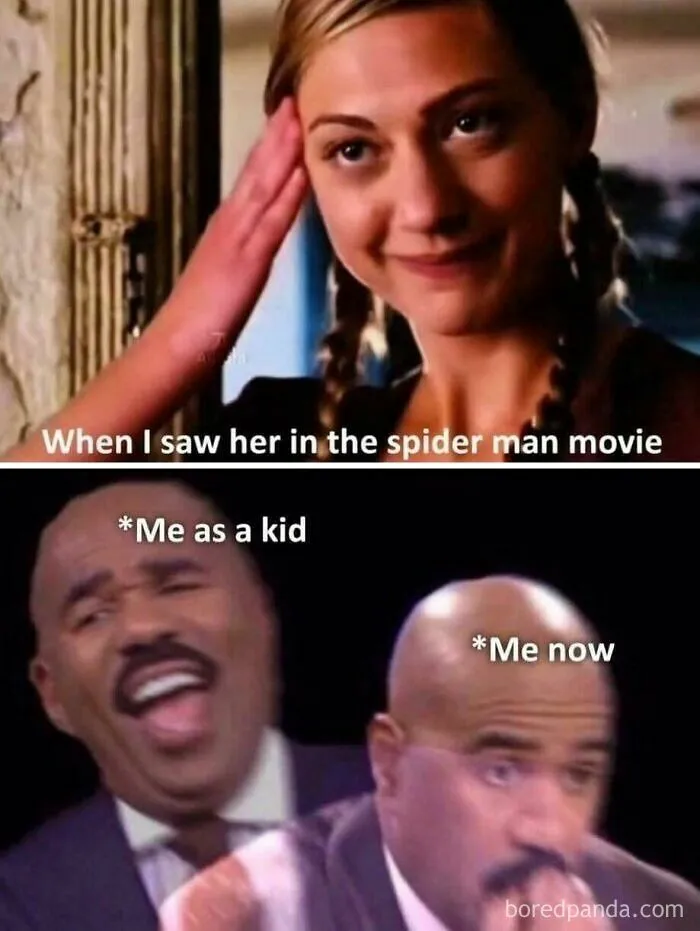
Memes and online jokes also move fast, getting constantly remixed, edited, and recycled across platforms. While the quantity of memes keeps increasing, their lifespan is in sharp decline. As of 2023, the average meme lifespan was estimated at four months, while it was 23.6 months in 2008.
This decrease may reflect the ever-changing state of the world. Go offline for a few days, and an entire generation of jokes has already been born, peaked, and forgotten.
#7 Explain It Peter
#8 Explain It Peter
#9 Explain It Peter
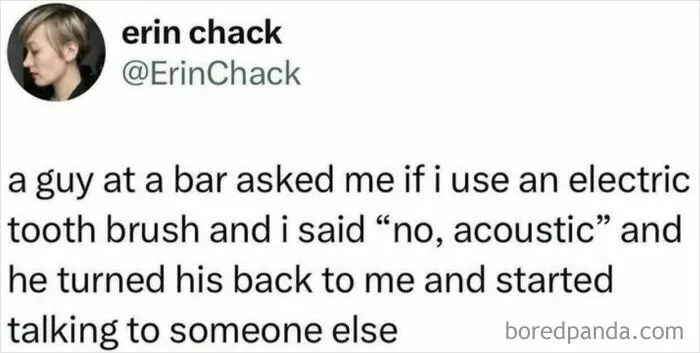
Memes that are created after something funny happens spontaneously can be hard to understand. One example of a spontaneous, random meme is the 6-7 phrase, which quickly became popular among Gen Alpha and Gen Z. Spoiler alert — it means nothing.
At the same time, current-event memes likely have a short lifespan because the political world changes so often. Once the news cycle moves on, the meme vanishes into obscurity.
#10 Explain It Peter
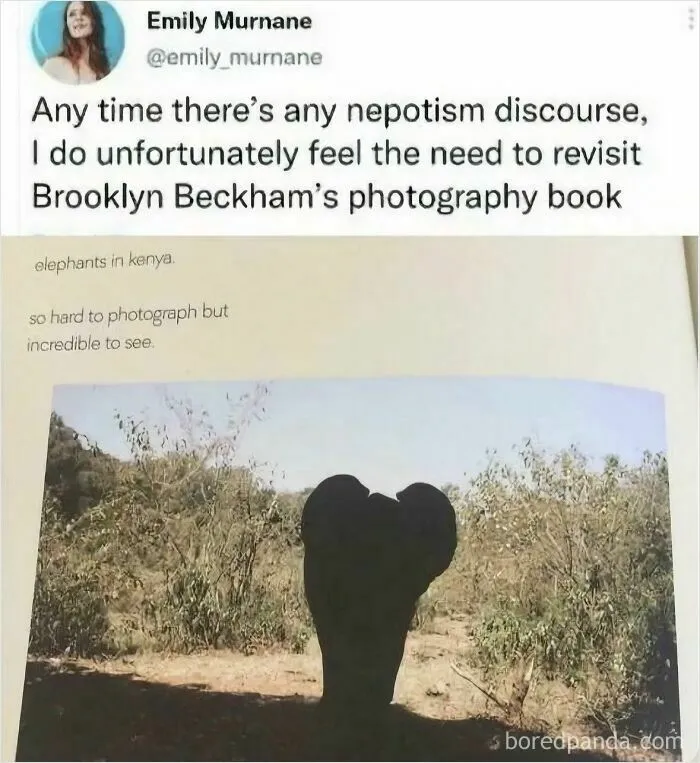
The only reason this ended up in a book that is sold commercially is because the author is the son of a celebrity. Its nepotism, plain and simple
#11 Explain It Peter!
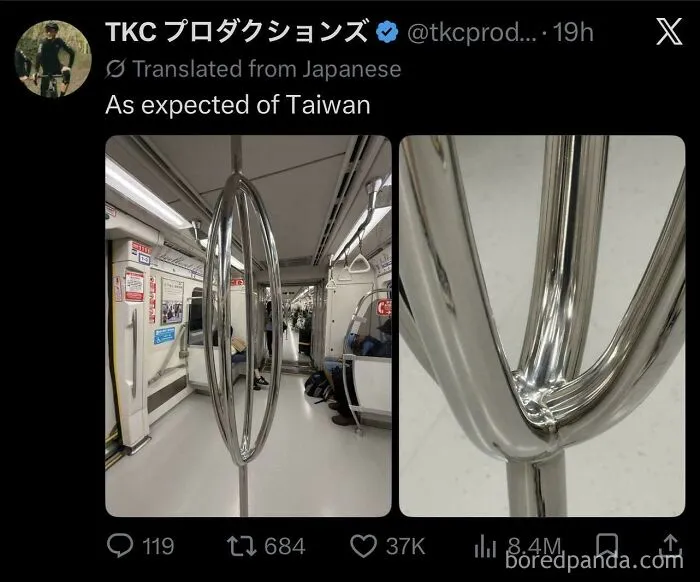
It's a smart design, but I like touching other people's hands on the train. It makes me feel less like a loner.
#12 Explain It Peter
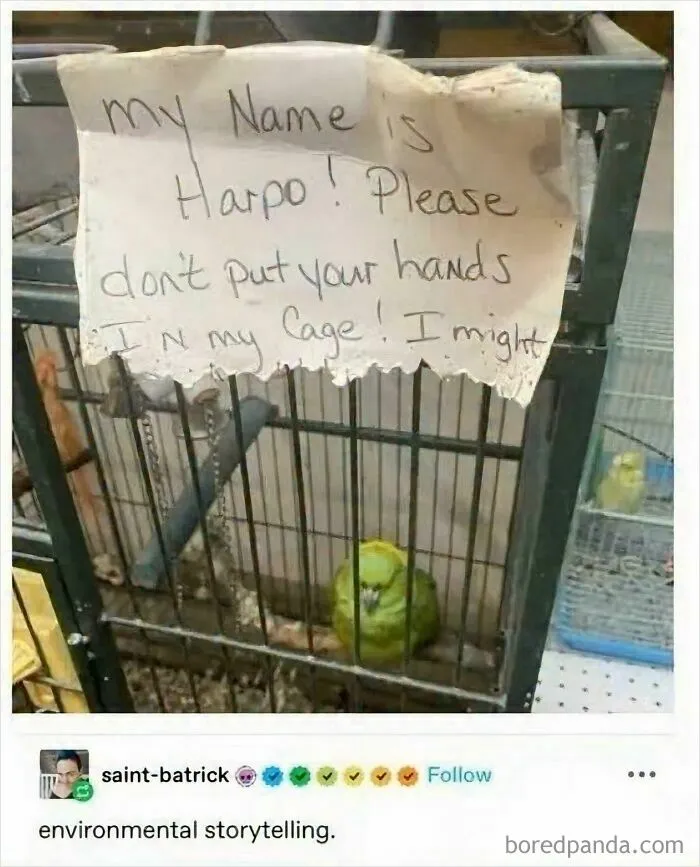
Sarcasm and irony can also be remarkably easy to miss online. In daily life, people usually detect sarcasm through tone of voice, subtle pauses, and facial expressions and body language. Even then, some people find it harder to detect irony in real life, depending on social context or communication style.
Online, those vital physical cues completely disappear. Text strips away pitch and expression, making it harder to tell whether someone is being serious or ironic.
“When delivered in person, sarcasm tends to assume a cutting, bitter tone. But written messages don’t always get that attitude across or give you much else to go on. We still need more information,” says Sara Peters, Assistant Professor of Psychology at Newberry College.
#13 Techie Petaahhhhh, Explain It Peter!
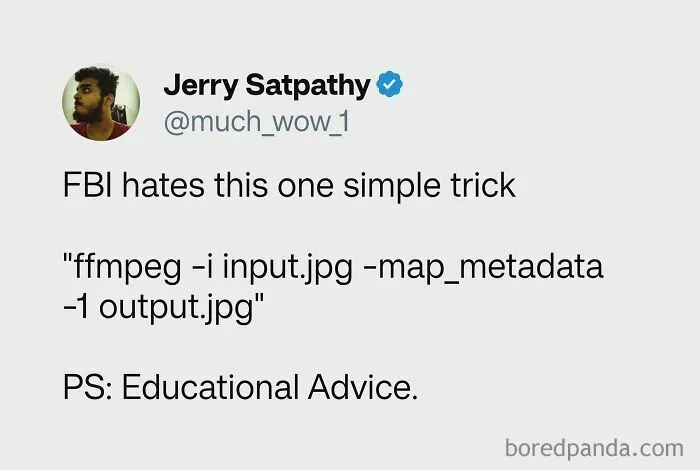
#14 Explain It Peter What Are These Names Relevant To?
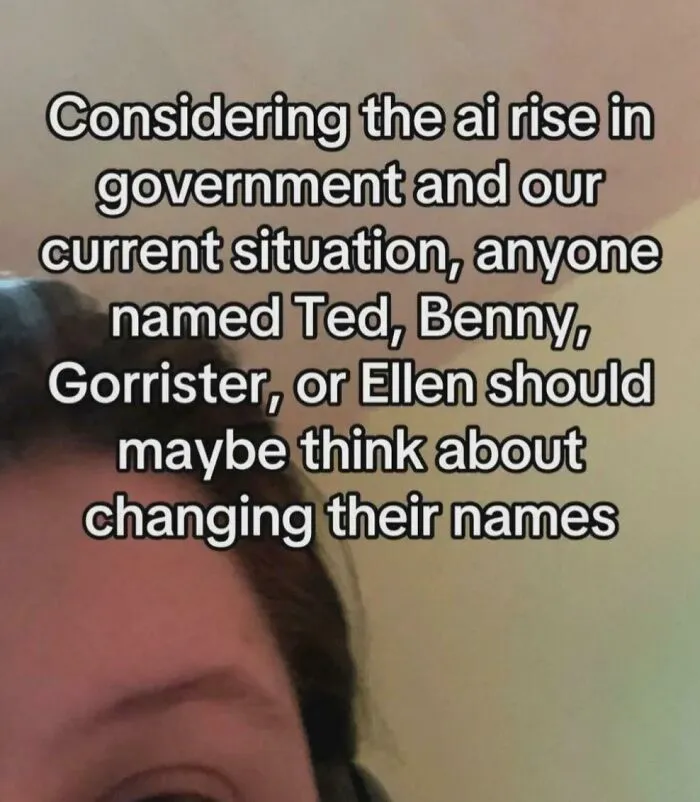
#15 Explain It Peter!
So, why is it important to actually understand the web culture? As more people speak in memes, understanding the references and overall language becomes more important. It’s like not understanding what an emoji means while you’re texting someone.
“Memes are essentially a language that people use on the internet, and being able to identify and understand the nuances is key to understanding communication between people online,” says Amanda Brennan, a trends expert at Tumblr who is often referred to as the meme librarian.
“As people use memes as a language of their own, having this knowledge really helps give a fuller understanding of the meaning and insight into the motivation of why something was shared,” she adds.
#16 What Did Insurance Companies Do? Explain It Peter
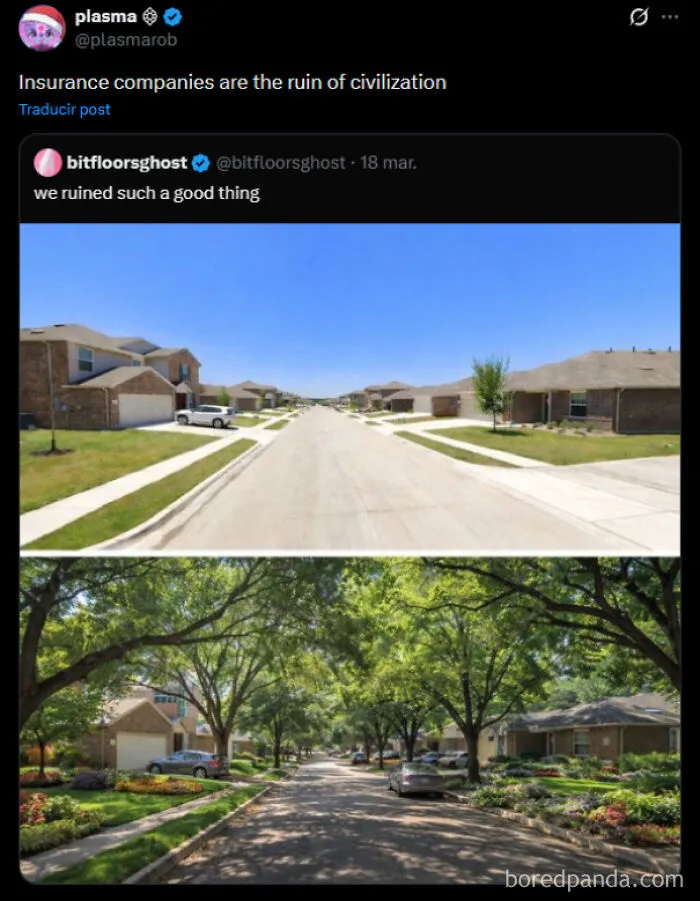
Don't know if that's the real reason or the developer wants to squeeze more houses into less space probably both.
#17 Explain It Peter I’m Confused
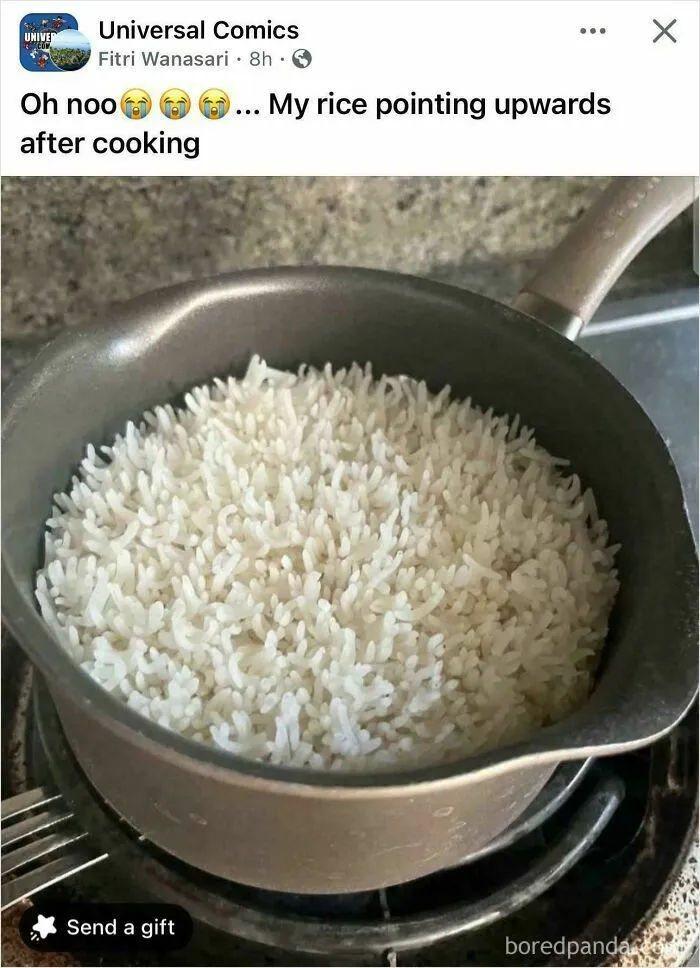
#18 Explain It Peter

There was a lawsuit a while back where a woman was exposed to an allergen in the parks and passed away. The family sued and Disney argued that the lawsuit would be bound by the rules of the DisneyPlus terms of service agreement and go to arbitration instead since the woman who passed had an account.
Another reason understanding online memes matters is that a large portion of the population uses them. According to a recent survey, 75% of people aged 13 to 36 post memes, with 55% sharing them weekly and 30% daily.
On average, US internet users spend about 2 hours and 20–24 minutes a day on social media, including browsing memes, funny pics, videos, and feeds.
Another survey found that Gen Z and Millennials use abstract visuals online as emotional shorthand to stay connected without the pressure of actual small talk. In fact, frequent meme use is linked to stronger intimacy and better relationship maintenance.
#19 Explain It Peter
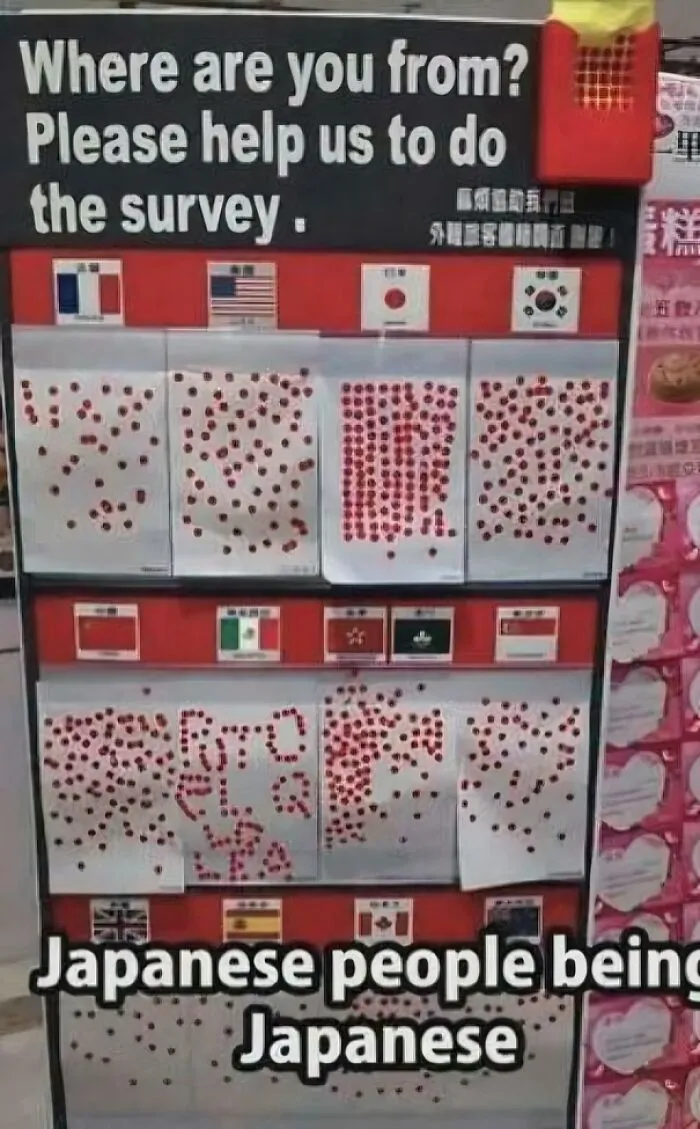
#20 Explain It Peter Who Is That Woman?
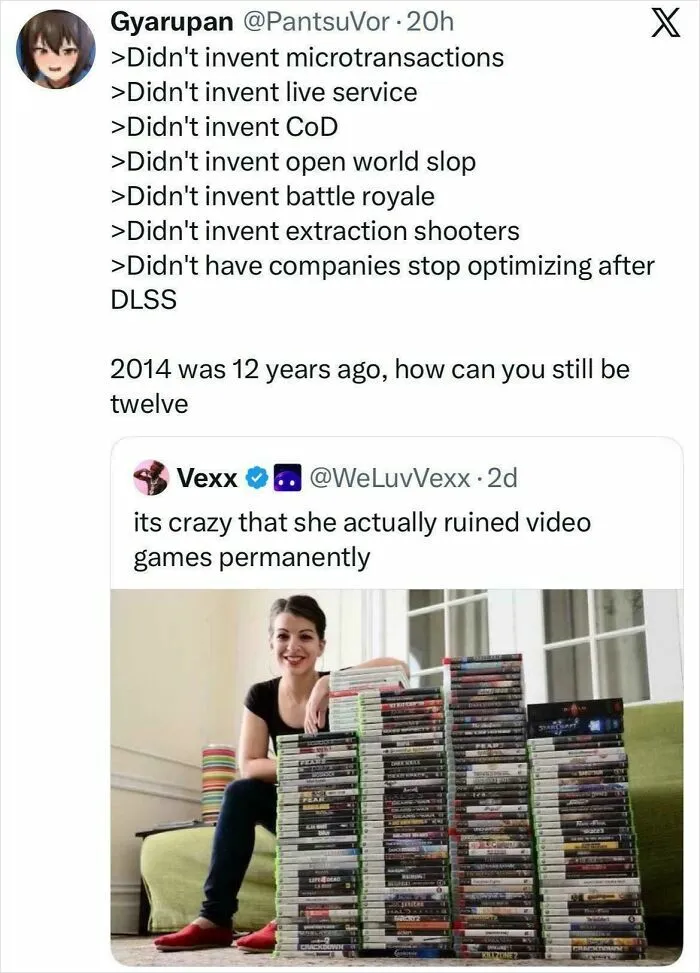
Understanding memes can also help you recognize cultural references, whether your own or someone else’s. It’s a free, easy, and entertaining way to learn about different countries and people. Memes can even update us about current events, a place's history, or how things work in a particular part of the world.
Even in the same country, we may not know someone else’s daily realities. You might be an accountant who isn’t aware of the specific daily struggles of a retail worker, an ER nurse, or a commercial welder.
Understanding memes can also bridge generational gaps, shedding light on how different age groups express humor.
