Not everything is rocket science, but some scientific concepts might be harder to understand than others. If someone stopped me on the street and asked how mirrors work, for example, I wouldn't know where to begin. Sometimes, we need someone to explain things to us in simple, layman's terms.
The Explain Like I'm Five page does just that, as it breaks down complex concepts with language that even a child would understand. If you were wondering why armpit sweat is smellier than the sweat from other parts of our bodies and why dogs poop in alignment with the Earth's magnetic field, check out the simple explanations below!
Because it's a shortcut, a simplified system created by scribes who had to write a lot by hand. So these scribes (some of them were monks) discovered that instead of raising the pen from the paper over and over again to write a new, separated letter, it was easier and faster to keep a continuous line that flows tying one letter to the next.
This system, called cursive, works great for some of the Latin letters, but not for most of them which had to be adapted. This is why A, B, E F, G, H, I, L, M, N, Q, R and sometimes S look very different in cursive from their uppercase versions.
This cursive system was later adapted by printers as the lowercase fonts.
There's no shame in admitting you don't understand complex scientific concepts and need them explained simply. Astrophysicist and science communicator extraordinaire Carl Sagan wrote in his 1994 book The Demon-Haunted World: Science as a Handle in the Dark about the importance of clearly communicating difficult subjects to the general public. "Don’t talk to the general audience as you would your scientific colleagues."
#22
Dina Sanichar, often called the "real-life Mowgli," was a boy discovered in 1867 by hunters in the jungles of Uttar Pradesh, India. When found, he was living with a pack of wolves and behaving like one of them - walking on all fours, growling, and eating raw meat.
The hunters brought him to the Sikandra Mission Orphanage, where caretakers tried to help him adapt to human life. However, Dina never fully adjusted; he struggled with basic human skills like speaking, using utensils, or wearing clothes. Though he learned to walk upright and eat cooked food, he remained largely silent and withdrawn.
His story, along with accounts of other "feral children" found in the wild, is believed to have inspired Rudyard Kipling's famous character Mowgli in *The Jungle Book*, who was also raised by wolves. Dina’s life showcases the profound impact of early life experiences on human development and the challenges of reintegrating into society after living in the wild. His existence reflects the thin line between human and animal behavior and how environment shapes who we are
Nepal follows a unique time zone known as Nepal Time (NPT), which is UTC+5:45. This means that Nepal's time is 5 hours and 45 minutes ahead of Coordinated Universal Time (UTC). Most countries set their time zones in whole-hour increments, like UTC+5:00 or UTC+6:00, but Nepal is different because it uses a 45-minute offset instead of the usual 30-minute or 60-minute adjustments.
This unusual time setting dates back to 1956, when Nepal decided to base its official time on the longitude of Mount Gaurishankar (east of Kathmandu) instead of its capital. This led to the extra 15-minute shift from the more common UTC+5:30, which countries like India and Sri Lanka follow. The decision reflects Nepal’s independence in setting its own time rather than following its neighbors.
Because of this, Nepal stands out as one of the few places in the world with a 45-minute time zone offset, making it a unique feature in global timekeeping. This difference can sometimes cause confusion when setting clocks, scheduling flights, or adjusting digital devices. However, for Nepal, this small but significant difference symbolizes its sovereignty and national identity.
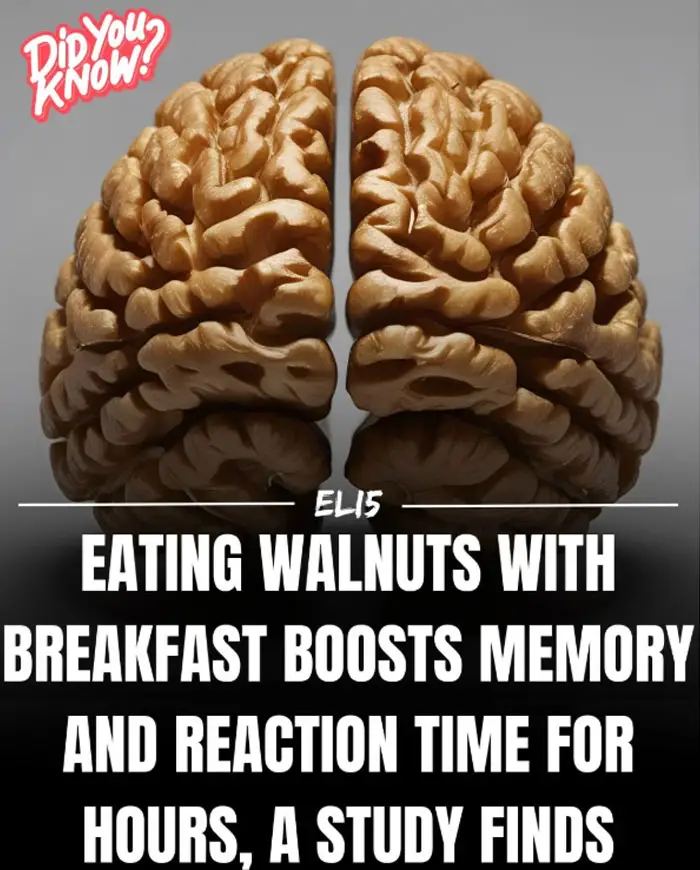
Eating walnuts with breakfast could give your brain a natural boost that lasts all day. A recent study found that young adults who ate a handful of walnuts in the morning had quicker reaction times and improved memory throughout the day.
This is because walnuts contain brain-friendly nutrients like omega-3 fatty acids, antioxidants, and polyphenols, which help improve cognitive function. Unlike short-term stimulants like caffeine, walnuts support brain health in a more natural and lasting way. Adding them to your diet could enhance focus, learning, and mental performance over time.
Scientific jargon, according to Sagan, only alienates non-specialists and the general public from wanting to learn more about complex scientific subjects. "Use the simplest possible language," he wrote. "Above all, remember how it was before you, yourself, grasped whatever it is you're explaining."
#25
Armpit sweat glands are known as apocrine sweat glands, and instead of just sweat, they also produce a mix of proteins and lipids. The bacteria on your skin love that stuff and eat it up, producing waste products in the process. It's those waste products that smell bad.
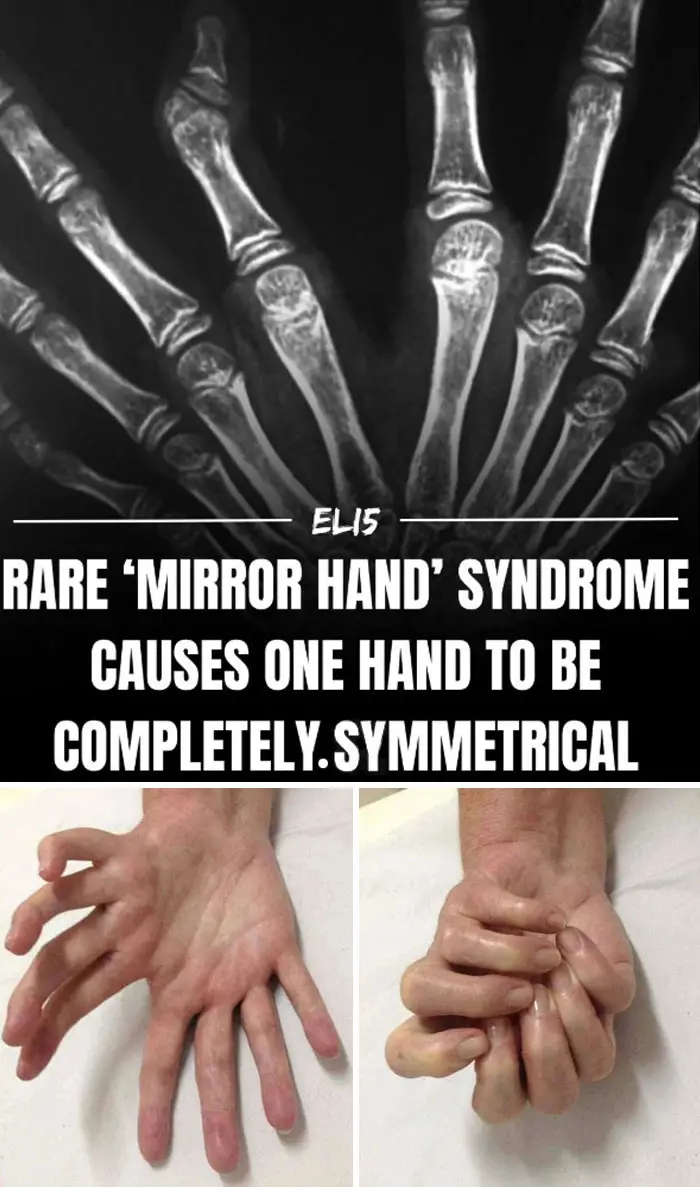
Ulnar dimelia, also known as "Mirror Hand Syndrome," is an extremely rare congenital anomaly where the forearm and hand structures are duplicated symmetrically.
This condition is characterized by the absence of the radius bone, which is one of the two main bones in the forearm, and instead, there is a duplication of the ulna, the other forearm bone.
As a result, individuals with this condition typically have an abnormal number of fingers—usually seven or eight—without a functional thumb. This mirror-like duplication leads to a unique but non-functional hand structure, often requiring surgical intervention to improve functionality. While the exact cause of ulnar dimelia is not fully understood, it is believed to be linked to disruptions in early limb development during fetal growth.
Due to its rarity, cases of mirror hand syndrome provide valuable insights into limb formation and genetic regulation.
There was some concern that cell phones might interfere with communication by the pilots but that is proven to not be an issue.
However cell towers mainly point their antenna at the ground because that is where the people tend to be. When you are flying you will be changing cell tower zones very quickly and it will be very difficult for your cell phone to talk to them, if it can reach them at all.
As a result your phone will tend to crank up its transmitter to maximum power and basically scream into the void searching for a signal, burning battery power and producing as much radio noise as allowable. Since you know it won't work right it is best practice to turn on airplane mode so it won't do that.
Plus there is a marginal increase in the risk that if a battery problem in a phone was going to happen, thrashing it in such a manner might tend to kick it off right then.
In his book Brain Rules, molecular biologist John Medina claims that we learn better when there are visual stimuli accompanying an explanation. If we add visuals to our explanation, the retention rate increases from 10% (audio only) to 65% (audio and visuals). This includes photographs, illustrations, physical props, infographics, videos, and so on.
#28
Tokyo has seen an 84% decrease in suicides at train stations where blue LED lights were installed. First introduced in 2009 on the Yamanote line, these lights were part of a broader initiative to address the city’s high s*****e rates.
The calming effect of blue light on mood is thought to play a role, as well as the lights’ strategic positioning on platforms. Alongside the lights, Tokyo also implemented automatic gates and barriers on train platforms to deter attempts, as well as improved counseling services like the “Inochi no Denwa” hotline. Additional steps include government-funded programs aimed at reducing suicides by 20% from 2005 levels.
This includes investigating the root causes of s*****e and working to shift cultural attitudes. These interventions are costly, but they have contributed to a recent drop in s*****e rates, showing some progress in Tokyo’s ongoing efforts to address this complex issue. Source - nextcity.org
The idea that carrots dramatically improve eyesight, especially night vision, is actually a myth that started during World War II. The British Royal Air Force spread this rumor to hide the real reason their pilots had improved night-fighting abilities—radar technology. They claimed that pilots ate a lot of carrots, which helped them see enemy planes better at night. This clever propaganda misled enemies and also popularized the idea that eating carrots could significantly boost vision.
However, while carrots don’t give you super eyesight, they do contain beta-carotene, a type of pigment that the body converts into vitamin A. Vitamin A is essential for eye health because it helps maintain the retina, particularly the part responsible for seeing in low light (the rod cells). A deficiency in vitamin A can lead to night blindness, but consuming more than the necessary amount doesn’t give you enhanced vision beyond normal.
So, while eating carrots can help prevent vision problems related to vitamin A deficiency, they won’t give you night-vision superpowers. The best way to keep your eyes healthy is a balanced diet with a variety of nutrients, not just relying on carrots!
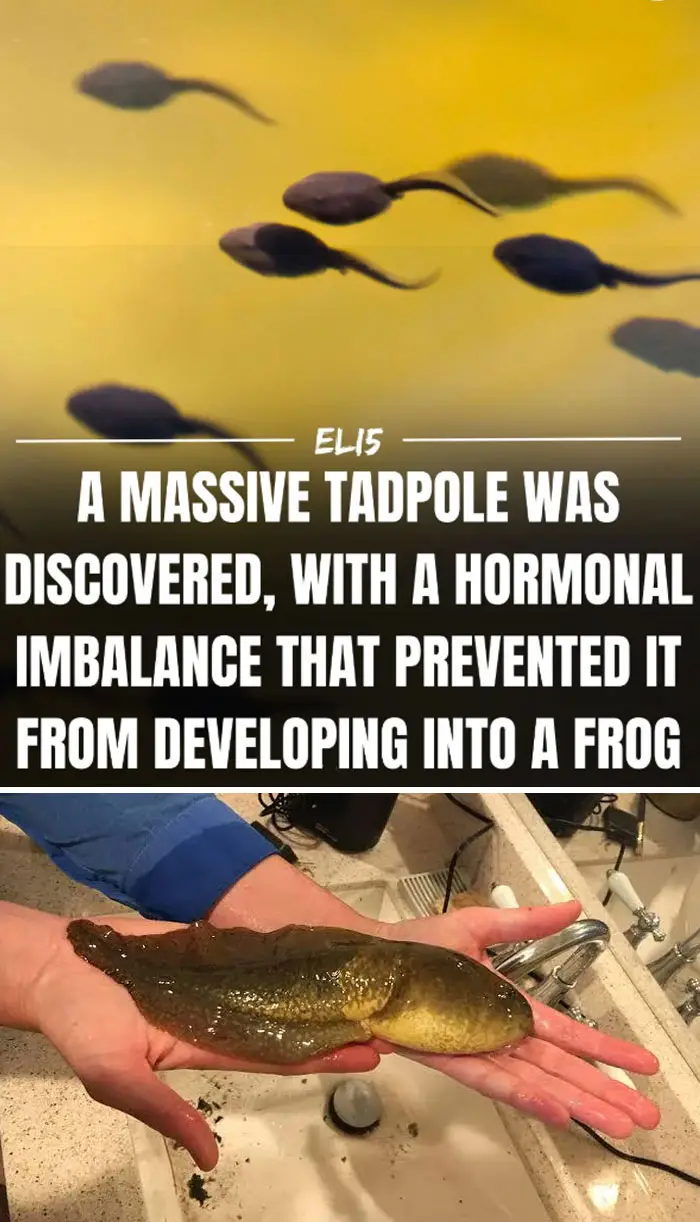
A giant tadpole named Goliath was discovered with a hormonal imbalance that prevented it from transforming into a frog. Goliath was much larger than the average American bullfrog tadpole, making it a unique case for researchers to study. Normally, tadpoles undergo metamorphosis to become froglets, a process controlled by thyroid hormones thyroxine (T4) and triiodothyronine (T3). However, when there is a hormonal imbalance, this transformation can be disrupted.
If a tadpole lacks the gene that produces thyroxine, it cannot metamorphose into a frog. In some cases, developmental hormones may be turned off or reduced, while growth hormones may be excessively active, leading to abnormal size without proper development. Unfortunately, Goliath died in 2019, and researchers suspect that his extreme size was a result of this hormonal imbalance. They were investigating the underlying causes of his unusual condition to better understand similar cases in amphibians.
"If you can't explain it simply, you don't understand it well enough," theoretical physicist Albert Einstein said. If you can explain something as if you're telling it to a five-year-old, you clearly do, then. What's your favorite ELI5 facts from this list, Pandas? Let us know in the comments and upvote the best ones so they make it to the very top!
#31
Researchers have discovered a 300-million-year-old fossilized rainforest hidden deep beneath the surface in a coal mine in Illinois, USA. It is the largest forest of its kind ever unearthed and offers an unparalleled glimpse into the ecology of one of the planet’s earliest tropical forests.
Paleobiologists from the US National Museum of Natural History (NMNH) in Washington, DC, and the University of Bristol in the UK identified an extraordinary collection of extinct plants, including club mosses that were over a meter thick and reached heights of more than 40 meters. The fossils were located nearly 100 meters below the surface at the Riola and Vermilion Grove mines in Vermilion County, Illinois.
The forest was encased in mud 300 million years ago when a major earthquake or similar catastrophic event caused the entire area to abruptly sink below sea level. The ancient forest was preserved on a layer of coal, and when miners extracted the coal, the fossilized forest was revealed on the mine’s ceiling.
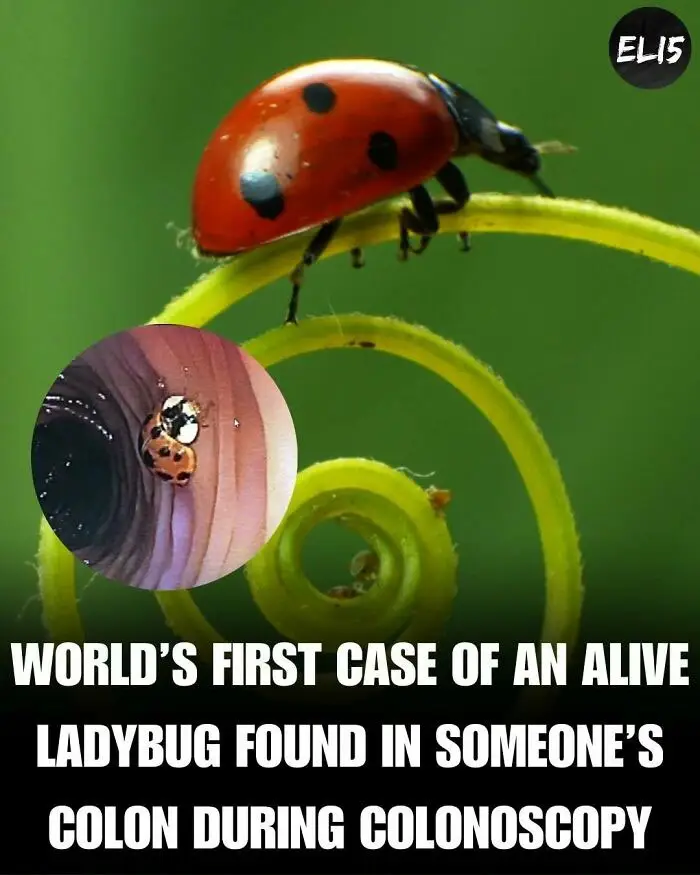
During a routine colonoscopy on a 59-year-old man, doctors made a surprising discovery - a live ladybug in his colon! The patient had no comorbidities, and his colonoscopy prep involved drinking a gallon of polyethylene glycol, a powerful laxative used to clean the colon. This prep may have helped the ladybug avoid being broken down by stomach acids and digestive enzymes, allowing it to make the full journey through the digestive system.
Doctors think the bug, identified as "Harmonia axyridis", a multicolored Asian ladybug introduced to North America for pest control, entered the man’s body while he was asleep. Though it’s rare for insects to be ingested, it does happen occasionally. How this ladybug survived the entire trip is a mystery, and the case study published in the "AGC Case Reports Journal" doesn’t confirm whether the bug made it out alive. (📸 - Tahan et al, published by Wolters Kluwer Health, Inc. on behalf of The American College of Gastroenterology)
Playing video games can actually help surgeons perform better in the operating room! Studies have found that surgeons who play video games for at least three hours a week work 27% faster and make 37% fewer mistakes compared to those who don’t.
This is because video games, especially those that require precision and quick reflexes, improve hand-eye coordination, reaction time, and fine motor skills—all of which are essential for surgery. Many modern surgeries, like laparoscopic procedures, require surgeons to control tiny instruments while looking at a screen, similar to playing a game.
Additionally, gaming improves problem-solving skills, focus, and the ability to make quick decisions, which are crucial during high-pressure operations. While playing video games alone won’t make someone a great surgeon, it can certainly sharpen the skills needed for delicate medical procedures.
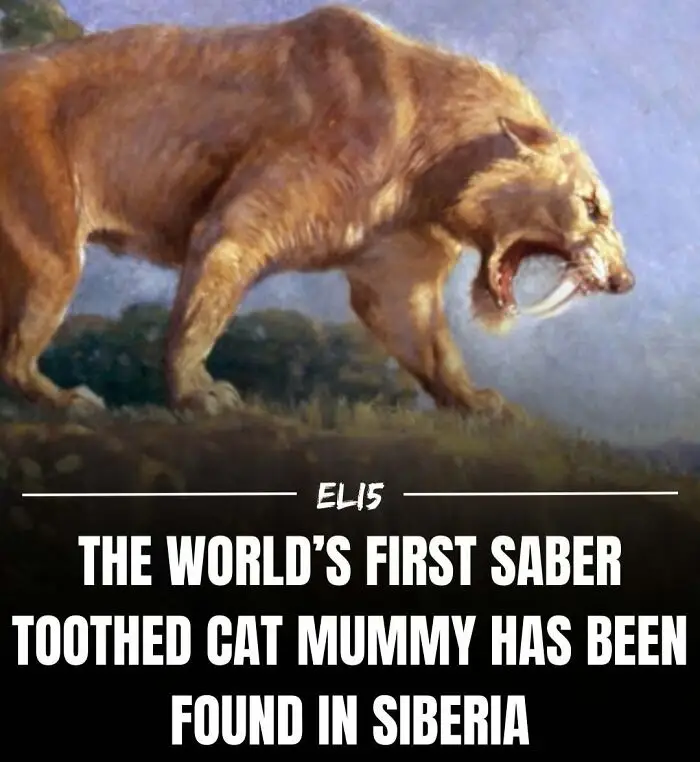
A remarkable discovery in Siberia has left scientists amazed: the mummified remains of a saber-toothed cat cub, belonging to the species Homotherium latidens. This specimen, preserved in the permafrost near the Badyarikha River, is over 35,000 years old and provides an extraordinary glimpse into this ice-age predator, with intact fur, skin, and paw pads.
The cub, estimated to be just three weeks old at death, offers valuable insights into its anatomy and hunting adaptations. Unlike modern lions, its robust forelimbs and larger jaws suggest reliance on strength and agility to subdue prey. The well-preserved body allows scientists to examine features such as shorter ears and a sturdier neck, pointing to unique evolutionary traits.
DNA analysis of this fossil could unravel critical details about saber-toothed cats’ lineage, which diverged from other felines around 18 million years ago. This discovery highlights the permafrost’s role in preserving ancient life and deepens our understanding of extinct species. (The link to the article has been shared in the broadcast channel) Courtesy - Prof. Alexey V. Lopatin
The Earth might feel massive to us, but compared to the Sun’s powerful solar flares, it’s tiny. A typical solar flare can extend thousands of kilometers into space, and the largest ones can be more than 10 times the diameter of Earth! To put it in perspective, if Earth were the size of a grape, a massive solar flare would be like a fiery explosion bigger than a basketball. These flares release immense energy—sometimes equivalent to millions of nuclear bombs exploding at once—showing just how small and fragile our planet is in the face of the Sun’s power.
What Happens When You Hold in a Fart? Clare Collins, a professor of nutrition and dietetics at the University of Newcastle, explains that holding in a fart can cause intestinal gas to build up, leading to abdominal distension.
Some of this gas may be reabsorbed into the bloodstream and exhaled through your breath. If held in too long, the gas will eventually escape as an uncontrollable fart.
Research is unclear on whether this increases the risk of conditions like diverticulitis or has no significant impact. Studies also show that a high-fiber diet, like one including baked beans and psyllium, leads to fewer but larger farts.
For digestive health, the best approach is simple: when you feel the need to pass gas, find a private spot and let it go. Holding it in does more harm than good
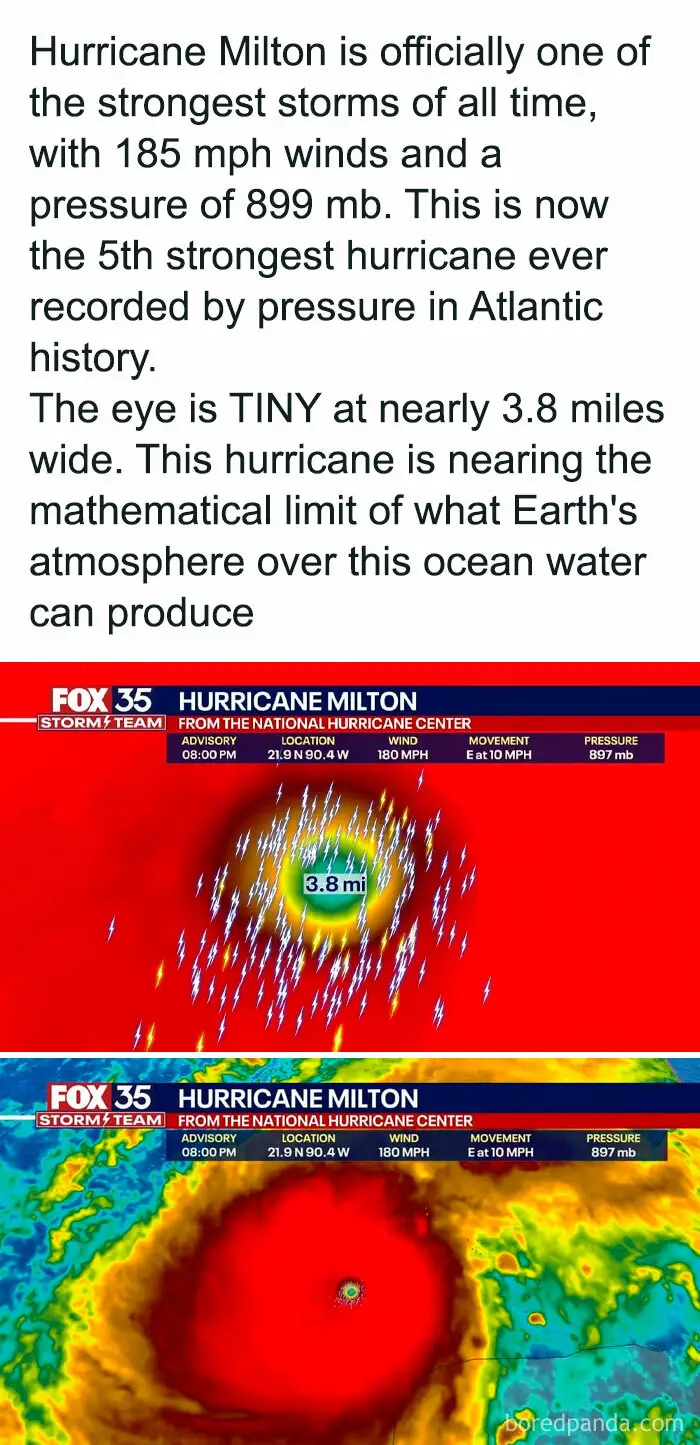
Hurricanes form when warm ocean water heats the air above it, causing that air to rise quickly. As the warm air rises, it creates an area of low pressure below, pulling in cooler air to replace it. This cycle of warm air rising and cooler air filling in beneath starts to create strong winds.
As the winds pick up, the storm begins to rotate due to the Earth's rotation (Coriolis effect). The storm grows in power, drawing in more moisture and heat from the ocean, and eventually becomes a hurricane when wind speeds exceed 74 mph. The key ingredients for hurricane formation are warm ocean waters (at least 26.5°C or 80°F), moist air, and favorable wind conditions.
As the storm intensifies, it forms a characteristic "eye" in the center, which is surrounded by a dangerous eyewall where the strongest winds and rain occur. Hurricanes can bring heavy rains, storm surges (where ocean water is pushed onto land), and damaging winds that cause widespread destruction. Hurricane Milton, currently one of the strongest storms in 2024, follows this same process.
It has grown to a Category 5 hurricane, with wind speeds reaching up to 180 mph. The storm formed over the warm waters of the Atlantic and rapidly intensified. It is now threatening Florida with life-threatening winds, storm surges, and flooding. Authorities have issued evacuation orders as Milton approaches the coast, expecting it to bring significant destruction across a wide area
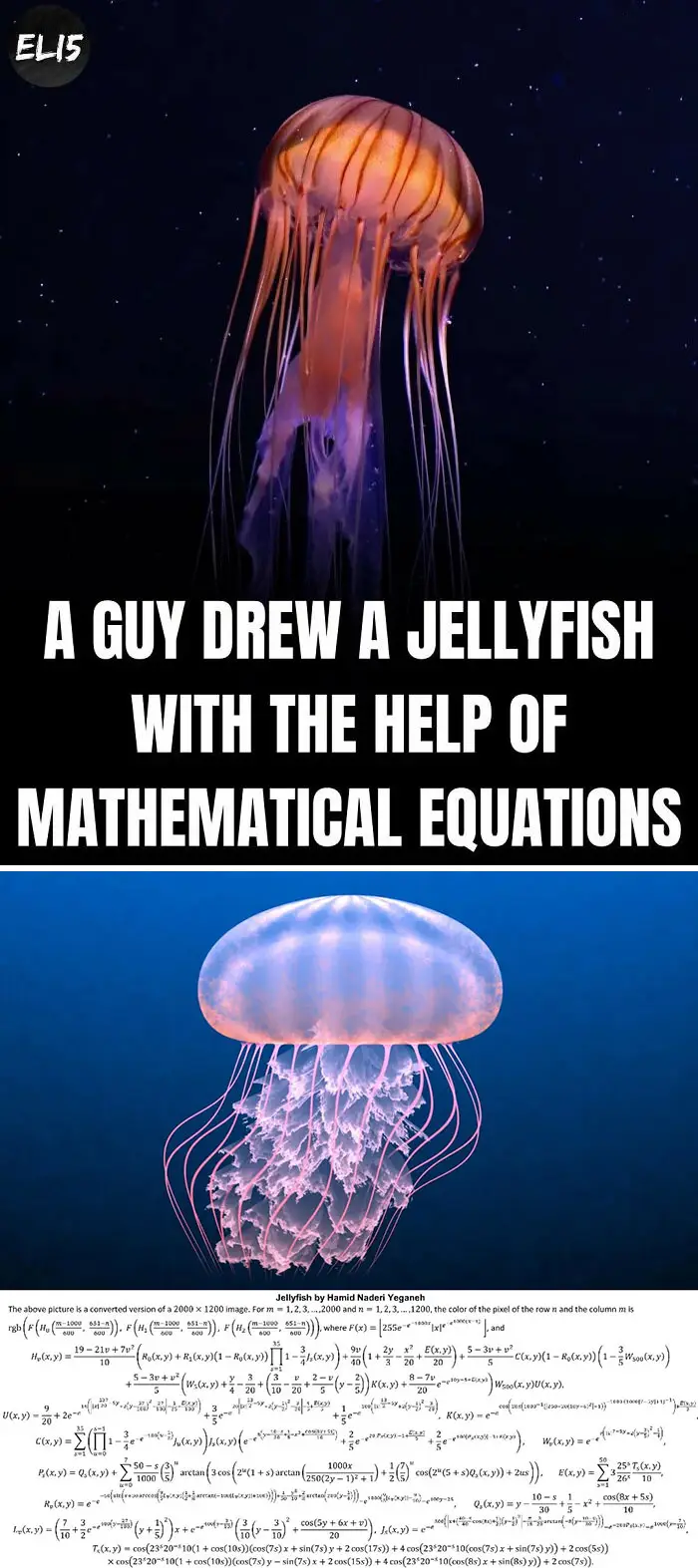
@hamidnaderiyeganeh a research student at UCL and a mathematical artist, has created a mesmerizing image of a jellyfish using complex mathematical equations. This stunning work is a brilliant example of how math can go beyond formulas and theorems to create visually captivating art.
By carefully plotting points and curves defined by mathematical functions, artists like Yeganeh can generate intricate shapes and patterns that resemble natural forms - like the tentacles and flowing body of a jellyfish.
Through mathematical equations, it's possible to manipulate lines, curves, and proportions, building up details that look almost lifelike, yet are completely defined by precise math. This blend of creativity and calculation showcases the artistic potential of math, turning numbers and functions into beautiful, dynamic images. 📸- @hamidnaderiyeganeh
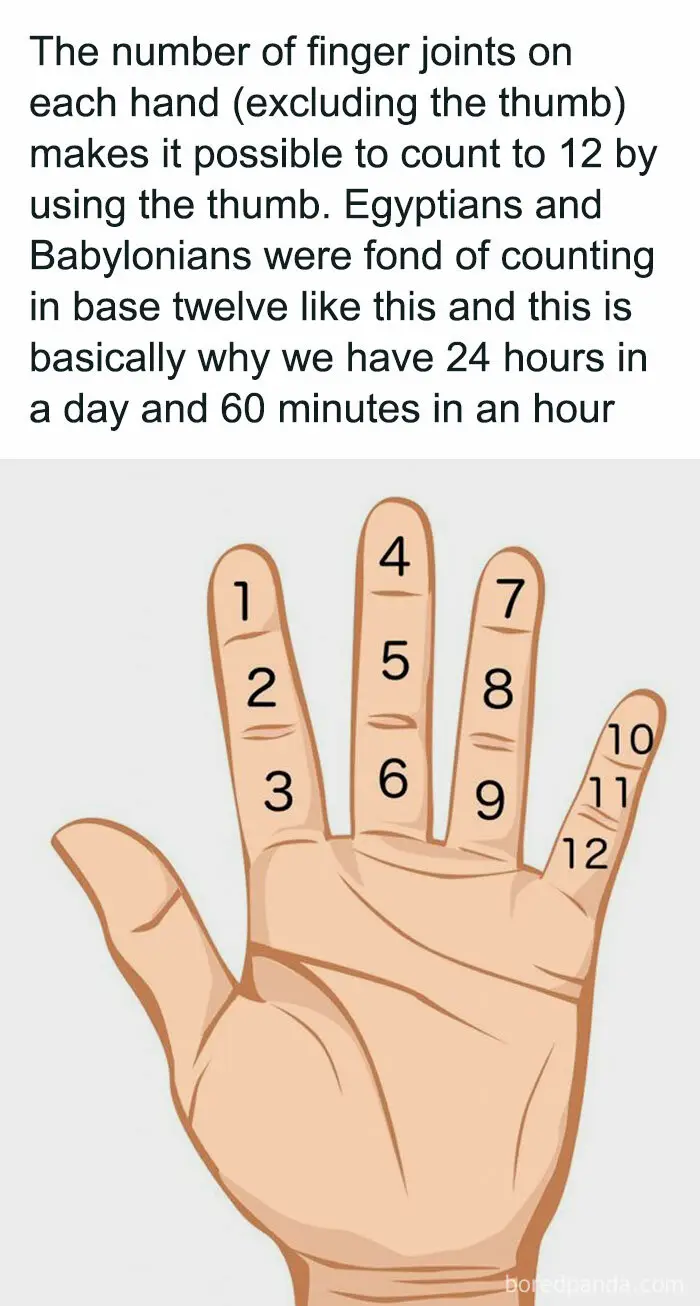
The number of finger joints on each hand (excluding the thumb) makes it possible to count to 12 by using the thumb. Egyptians and Babylonians were fond of counting in base twelve like this and this is basically why we have 24 hours in a day and 60 minutes in an hour
4WD and AWD roughly do the same thing but in different ways, the car is proving power to all four of its wheels. The difference is how that power is > divided between them. An AWD car can allow each wheel to turn at a different rate, while a 4WD car generally has its wheel all turning at the same rate. This 4WD set up is better for offroad driving, but can cause problems in city driving, where the inside wheels need to turn slower around a corner than the outside wheels do. Because of this, a lot of 4WD cars are designed to be able to switch to rear-wheel drive when the 4WD is not needed