

Divorce often leads to many financial changes, especially when kids are part of the picture. Even if both parents stay on good terms, shifts in income, living situations, and daily costs can cause disagreements. Reaching a fair solution isn’t always easy.
This happened to a divorced father of three who had been paying child support and alimony since his marriage ended. As his last alimony payment approached, his ex-wife asked him to cover the $900 monthly gap.
When he found out her new boyfriend had moved in but wasn’t helping with bills, he started to question her request. He shared his story on Reddit to ask if he was wrong for saying no.
Divorce can challenge what feels fair for each ex-partner, especially if there are kids involved

A divorced father maintained peaceful co-parenting while preparing to end his $900 monthly alimony payments
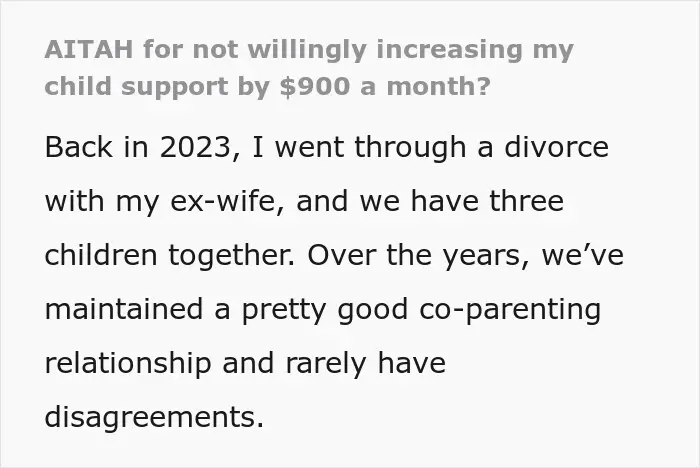

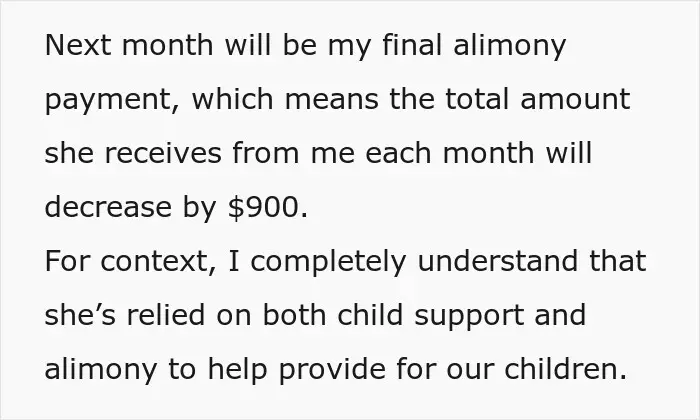
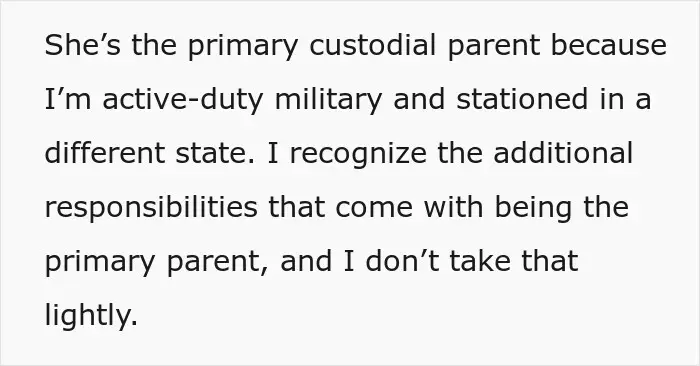
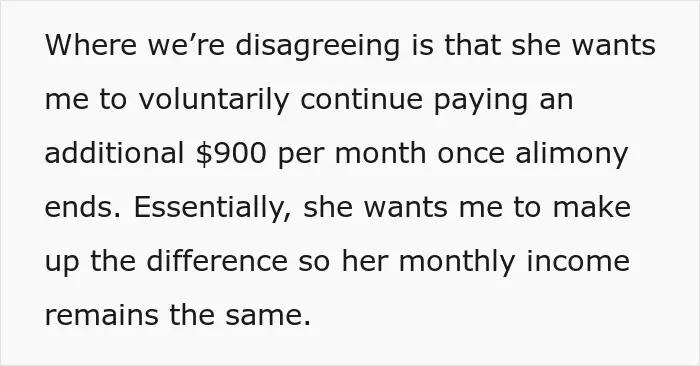

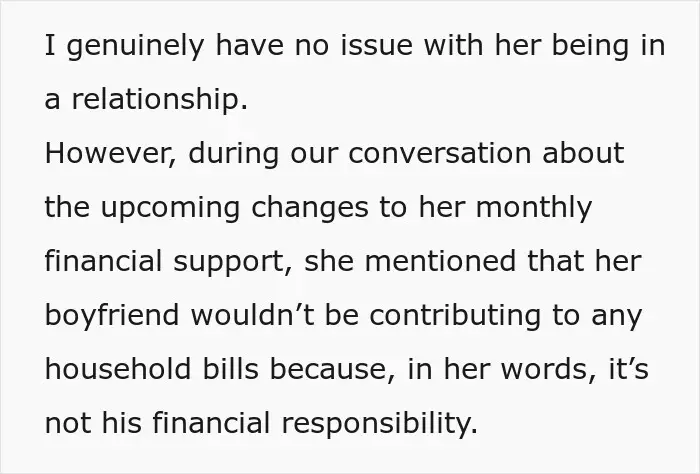

The father questioned his ex-wife’s request while refusing to subsidize her boyfriend’s rent-free lifestyle
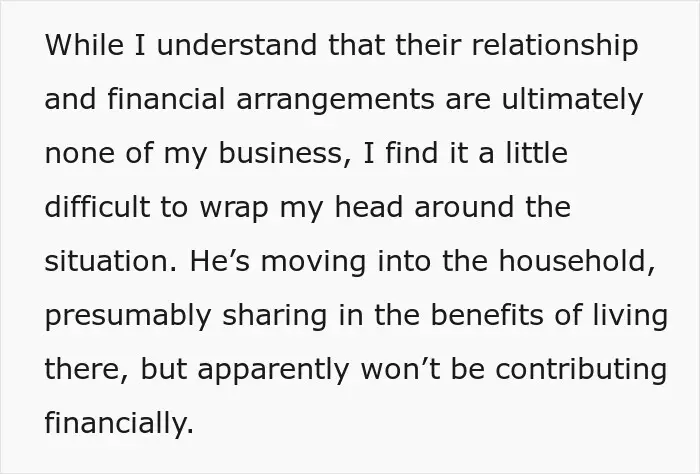
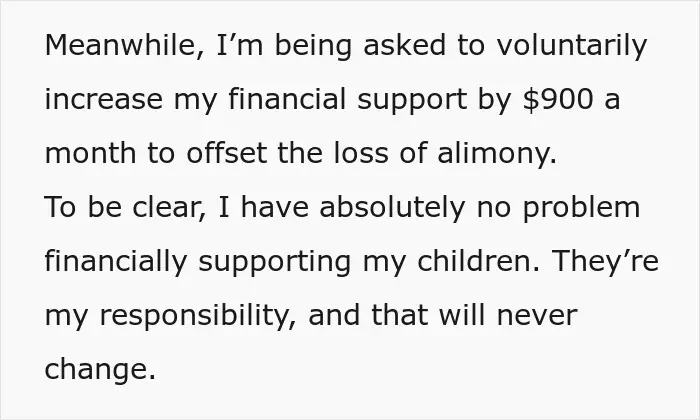
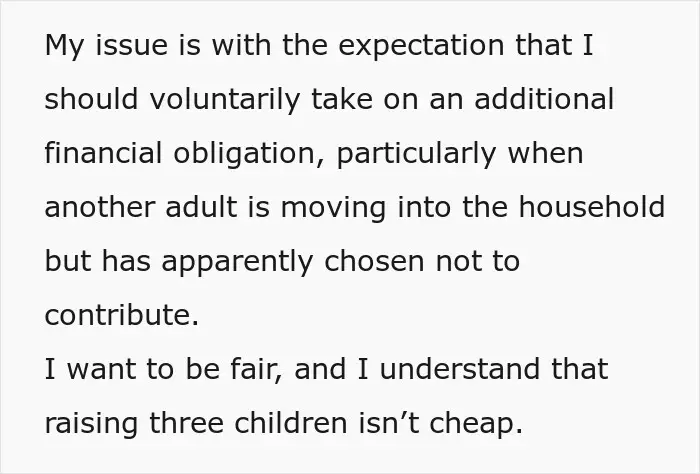
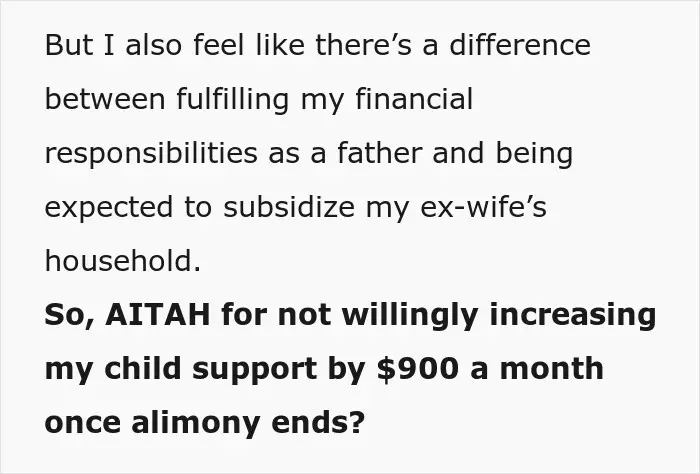
The man questioned his decision to increase child support and wondered if he acted unfairly
Child support and alimony can seem alike since both involve monthly payments after a divorce, but they actually serve different roles. I had to look it up, since fortunately I never had to pay either. Alimony helps a former spouse stay financially stable after the marriage ends. Child support, on the other hand, pays for the children's daily needs like food, clothing, education, and healthcare.
How much child support a parent pays usually depends on things like income and how many children they have. In the United States, each state has its own guidelines for figuring out these payments. Courts can also change the amount if circumstances change, so child support is not always fixed.
Alimony works differently. Sometimes it is only temporary to help a former spouse become financially stable again, while other times it lasts longer depending on the situation. This is why ending alimony does not mean child support should go up by the same amount. Each payment covers its own responsibility.
To really understand these payments, it helps to look at what it costs to raise children. Expenses like housing, food, school supplies, transportation, and childcare add up fast. For parents living apart, splitting these costs between two homes can make finances even more challenging.
Childcare by itself can be a big expense for families. In 2024, parents in the USA who paid for childcare spent a median of $240 each week, which is about $960 a month. For families using at least 20 hours of paid childcare a week, the cost went up to $1,400 a month.
These costs show why money matters after divorce can be sensitive. Parents have to balance their children's needs with keeping their own homes running. Even when both want the best for their kids, they might have very different incomes, expenses, and financial limits.

Financial pressures make it even more important for former partners to set clear boundaries. After a divorce, parents still need to talk about their children's education, healthcare, schedules, and daily needs. They also need to figure out which decisions belong to each household and where their own responsibilities start and stop.
It takes effort to keep a cooperative relationship, even if former partners rarely argue. Parents need to trust each other's ability to care for the kids, respect different parenting styles, and avoid letting personal disagreements affect their shared responsibilities. Clear communication can make these conversations much easier.
Money can make things more complicated, especially if one parent feels the other expects them to pay for more than they agreed. Former partners can focus on their children's needs without trying to control each other's household budgets. Setting fair boundaries helps both adults stay independent while still working together as parents.
When a new partner joins a household with children from a previous relationship, they become part of the family dynamic. I'm part of a blended family myself, so I know these relationships bring responsibilities that are more than just sharing a home. Everyone needs to know their role and how they contribute.
Stepparents can also help support the children financially. This doesn't mean taking over a biological parent's responsibilities, but daily family life includes costs like school supplies, clothes, hobbies, and other activities. When children live in the same home, these expenses often become part of the household's shared financial decisions.
How much a stepparent helps can vary a lot. Some regularly help with their stepchildren's expenses, while others do so less often. Children who live with their stepparents usually get more financial support, and marriage between the adults seems to increase that involvement. Living together can bring new responsibilities that couples should talk about openly.
In the end, raising children after divorce takes cooperation, but it also means respecting each other's financial boundaries. When new partners join the family, these responsibilities can get even more complicated.
What do you think? Should the father have agreed to pay the extra $900, or was he right to stand his ground?
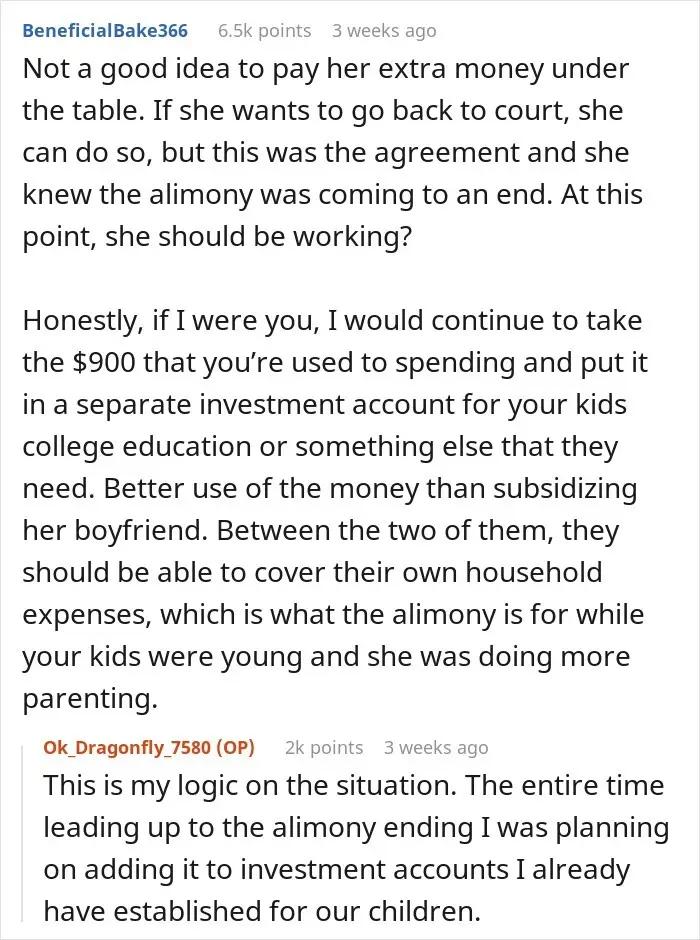
Netizens supported the father’s decision and agreed he had no reason to subsidize his ex-wife’s household