




Bored Panda
Ever Wondered What A Year-Old Banana Looks Like? Here Are 50 Interesting Posts Just Like That
CuriositiesMAY 10, 2025

Ever Wondered What A Year-Old Banana Looks Like? Here Are 50 Interesting Posts Just Like That

94
6
Our universe is fascinating, there’s no doubt about it. But learning everything about everything that’s happening around us is, unfortunately, not possible, no matter how keen we are. Learning bits and pieces on different topics, though, is a lot more doable.
To encourage you to familiarize yourself with our universe just a little bit better, we have put together a list of all sorts of interesting pieces of information, as shared by the ‘Everythinginterestings’ Instagram account. Do you know what a hedgehog looks like when getting an X-ray? Or what happens to a cyclist’s leg after racing in the Tour de France? Chances are you weren’t interested in either before, but you ought to admit – you are a little curious now, aren’t you?
Well, if you are, what are you waiting for? Scroll down to find answers to both and much more below, where you will also find Bored Panda’s interview with professor of psychology at Otterbein University in Westerville, Ohio, Dr. Noam Shpancer, who agreed to delve deeper into why we find certain things interesting.

#1

Man saving lives on the Nanjing Yangtze River Bridge, an inspiring example of courage and hope inside big ben.
241points

#2

Close-up images of a woman reuniting with her elderly dog, showcasing the inside of Big Ben's charm and emotional stories.
224points

#3

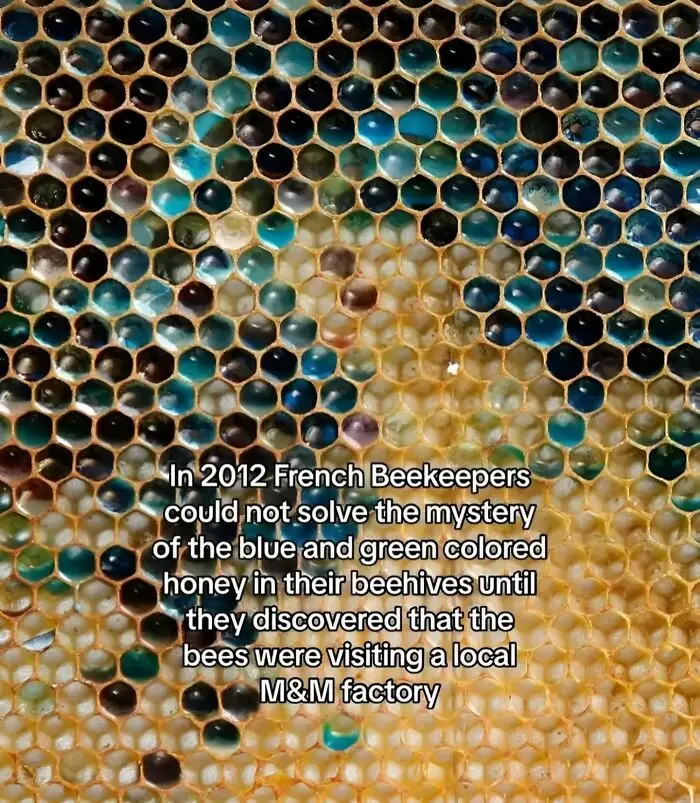
Close-up of colorful honeycomb revealing blue and green honey, an interesting insight inside Big Ben's structure concept.
182points

Created just last year, the ‘Everythinginterestings’ Instagram account already boasts more than 260 thousand followers who are looking forward to learning something new; even if it’s something completely random.

You probably know the feeling when you learn something new and random, yet surprisingly interesting. That doesn’t necessarily mean that you will delve any deeper into the topic, but you are happy to have familiarized yourself with it.

If you’re wondering why that is – why people are interested in learning bits and pieces of random information – professor of psychology at Otterbein University in Westerville, Ohio, Dr. Noam Shpancer, notes that there are several reasons for that.

#4
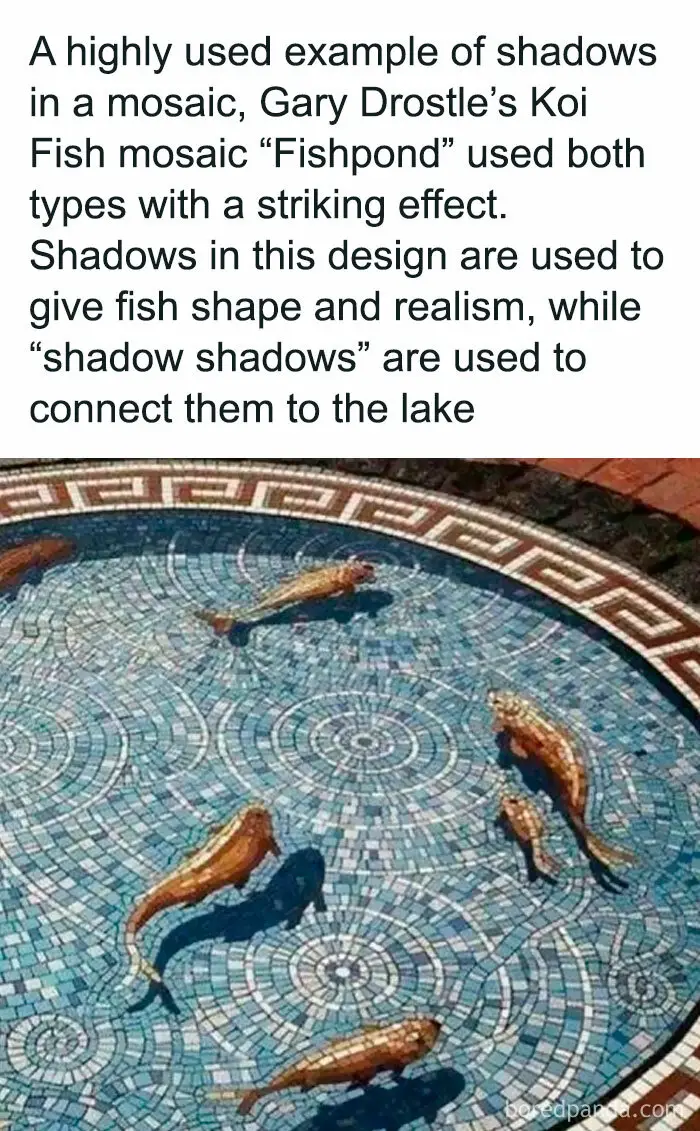
Mosaic design showing koi fish and shadows with intricate patterns, illustrating detail like the inside of Big Ben.
Gary Drostle’s “Fishpond” mosaic, is a renowned artwork that uses shadows to create a 3D effect, with “core shadows” shaping the koi fish and “cast shadows” linking them to the pond’s surface for realism.
Drostle, a celebrated mosaic artist, began this style with a 1996 commission for the London Borough of Croydon, later evolving the design by studying real koi ponds to capture water movement, as noted in his portfolio.
The use of shadows in mosaics, as highlighted, aligns with techniques described in mosaic guides, where artists avoid black or grey shadows, opting for darker background shades or complementary colors to enhance lifelike depth.
168points

#5

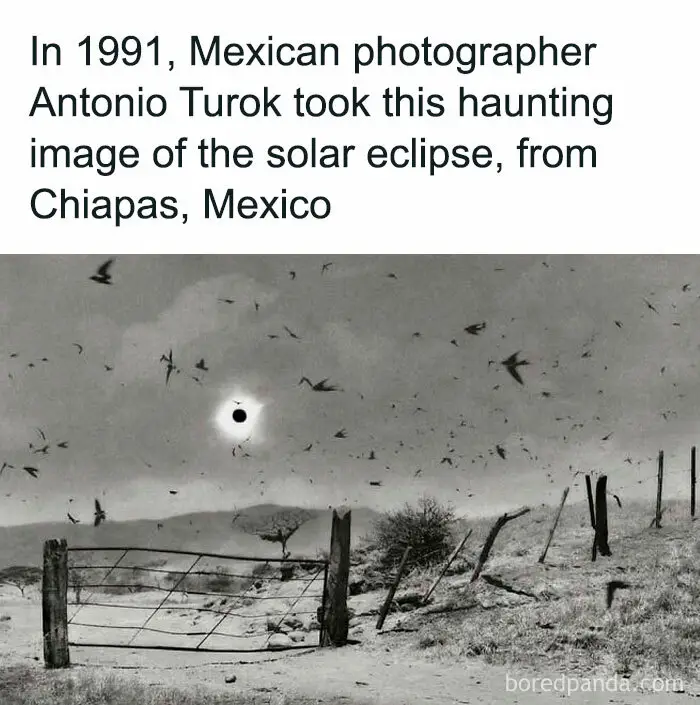
Solar eclipse over Chiapas, Mexico in 1991 captured by photographer, illustrating the inside of Big Ben concept creatively.
167points

Talking about trivia and learning with Bored Panda, Prof. Shpancer emphasized that there are various reasons why people are interested in these things. “Human beings are curious, and we are a learning species. Our ability to learn is our claim to fame in the animal kingdom. We are inclined to enjoy knowing more than not knowing. We enjoy mastery,” he said.

“At the same time, we don’t like effort. Deep knowledge requires effort. Trivia satisfies this desire for learning and knowledge with minimum effort, so there’s an attraction there. Situational circumstances also factor into this equation. If others are doing it; and more so if others are rewarded for it – then you’re likely to become interested, too.”

#6

Frozen bison covered in frost at -35°C in Yellowstone National Park, illustrating unique natural cold conditions.
157points

#7

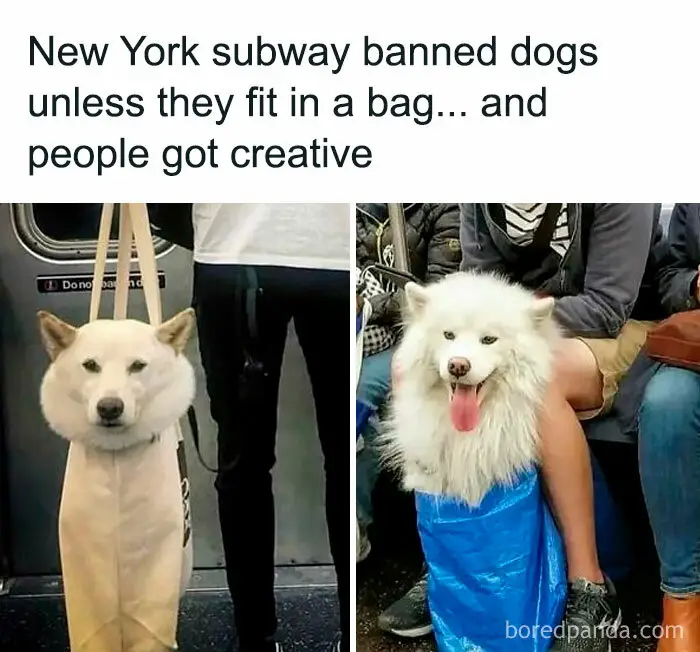
Dogs creatively disguised as bags on New York subway, illustrating that the inside of Big Ben inspires unexpected creativity.
156points

#8

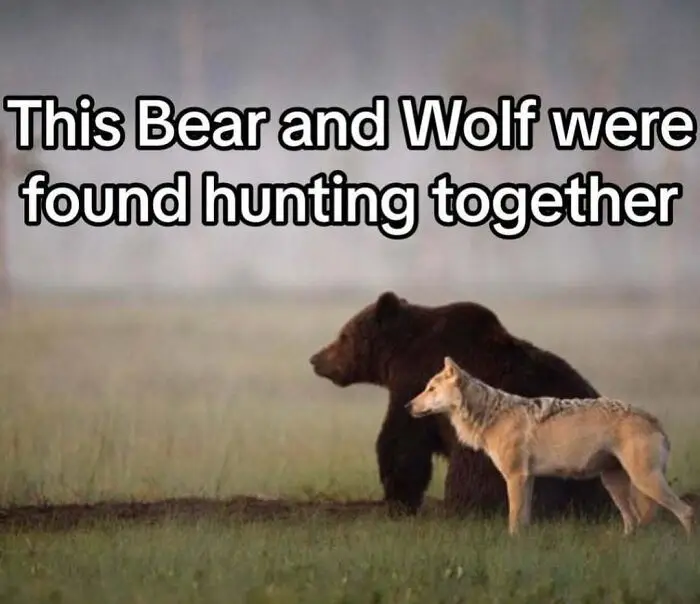
Bear and wolf hunting together in the wild, showcasing interesting animal behavior and nature's inside view.
152points

Now that you know the reasons, you might be wondering what determines the extent to which a person is interested in learning something new, which is also a complex issue.

“Important outcomes in life are multi-determined. There is always more than one cause for how things turn out. Your interests are shaped by a combination of genetics, personality disposition, cultural and environmental conditions, personal experience, and luck,” Dr. Shpancer explained.

#9

Two alpacas close-up outdoors with text about alpacas and a reference to the inside of Big Ben concept.
143points

#10

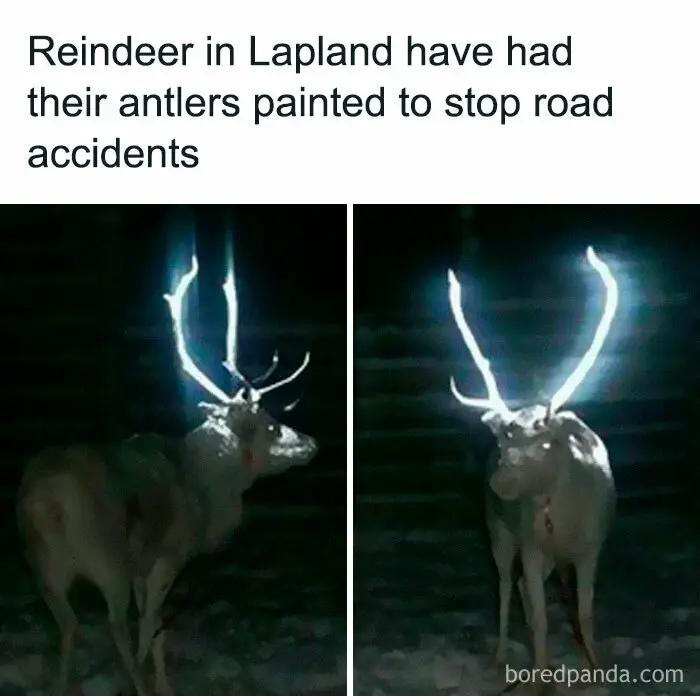
Reindeer in Lapland with antlers painted reflective white to prevent road accidents at night, illustrating unique safety measures.
140points

#11

Rottweiler with vitiligo disease sitting on tiled floor, leash held by a person indoors, showing unique coat pattern.
131points

Be it browsing random facts or diving completely into one topic, curiosity also plays a significant role when it comes to learning. According to Dr. Shpancer, it’s our existential position to be curious. Just look at children, for instance; they tend to have many reasons to be afraid of things, but they are usually more curious than afraid, the expert noted.

Curiosity often wins, and that’s because the “story of our species is a story of chasing our curiosities.”

#12

close-up of goosebumps on skin illustrating an interesting fact about emotional response to music stimuli
129points

#13

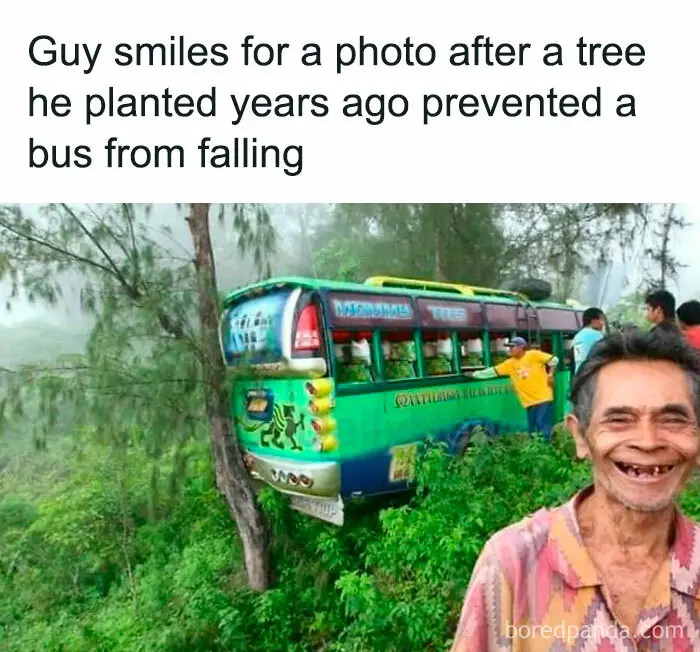
Man smiles next to tree that prevented bus from falling, illustrating an interesting inside look at Big Ben.
124points

#14

A woman holding Creme Puff, the oldest cat ever, highlighting interesting facts from the inside of Big Ben.
121points

Prof. Shpancer continued to point out that learning is a good exercise for your brain, but there’s a caveat. “The brain and body are ‘use it or lose it’ propositions,” he said. “So to the extent that learning trivia exercises your brain, then it is a helpful habit.

“Some familiarity with diverse fields can be helpful, so long as you don’t mistake some familiarity for expertise. You may look at it this way: some people are ‘neon lights’ – they have shallow knowledge across a broad area. Others are ‘laser beams;’ they derive meaning and satisfaction from developing deep focused expertise in one area to the exclusion of all others. My guess is that diversity is healthy here. We need both kinds.”


#15

Denmark McDonalds starting pay and worker benefits including insurance, maternity leave, pension, and paid vacation facts.
120points

#16

Scientist wearing protective gear holding a basketball covered with the blackest substance near Big Ben interior components.
114points

#17

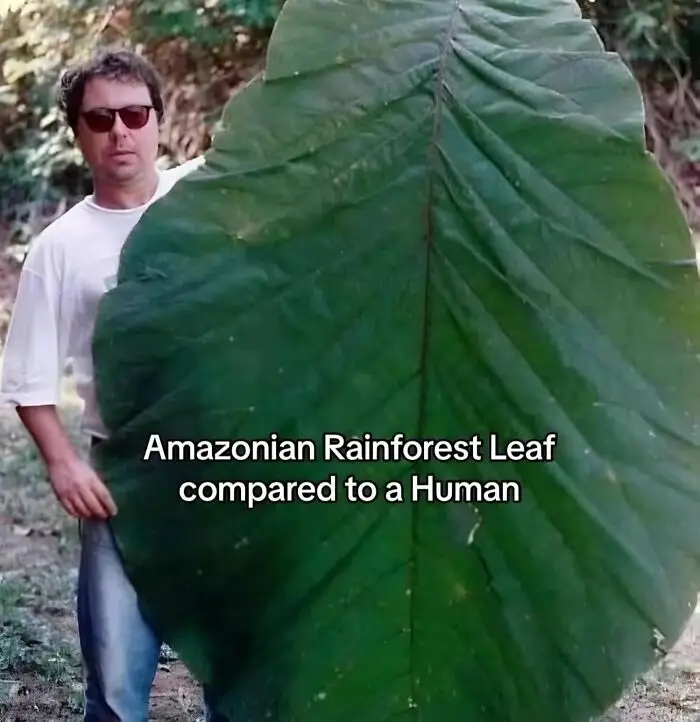
Man standing next to a giant Amazonian rainforest leaf illustrating scale inside Big Ben insights post.
108points

While learning something new everyday can be good for you, you shouldn’t make it a chore. Asked about this, Prof. Shpancer noted that he personally doesn’t agree with giving people strict, rigid, and narrow rules for living.

“I don’t think you need to learn something new every day – unless this is what you want and choose to do,” he said. “As a general principle, however, spending time and energy regularly and intentionally learning new things is a healthy life habit.”

#18

Spherical cloud in Japan floating above residential area with houses and power lines on a clear blue sky background.
107points

#19

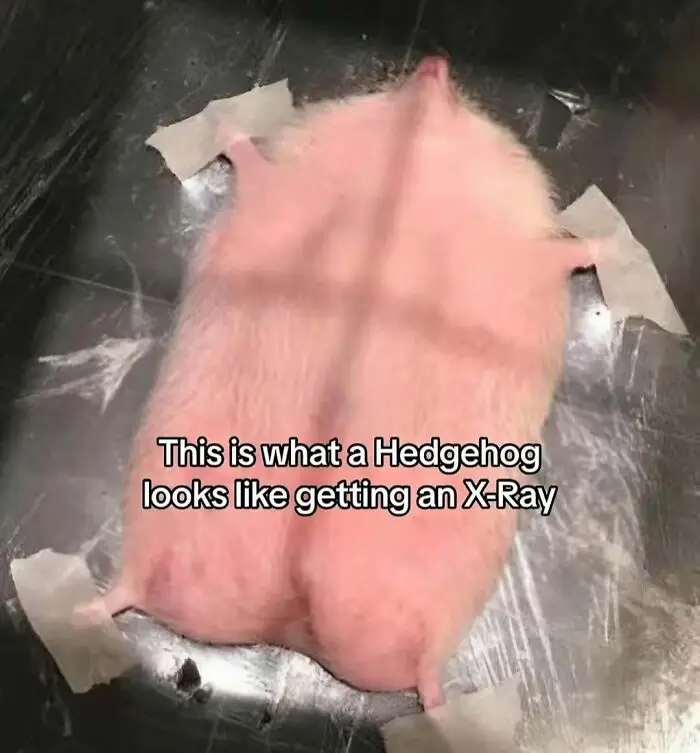
X-ray image showing the inside of a hedgehog revealing skeletal structure in unique detail and perspective.
107points

#20

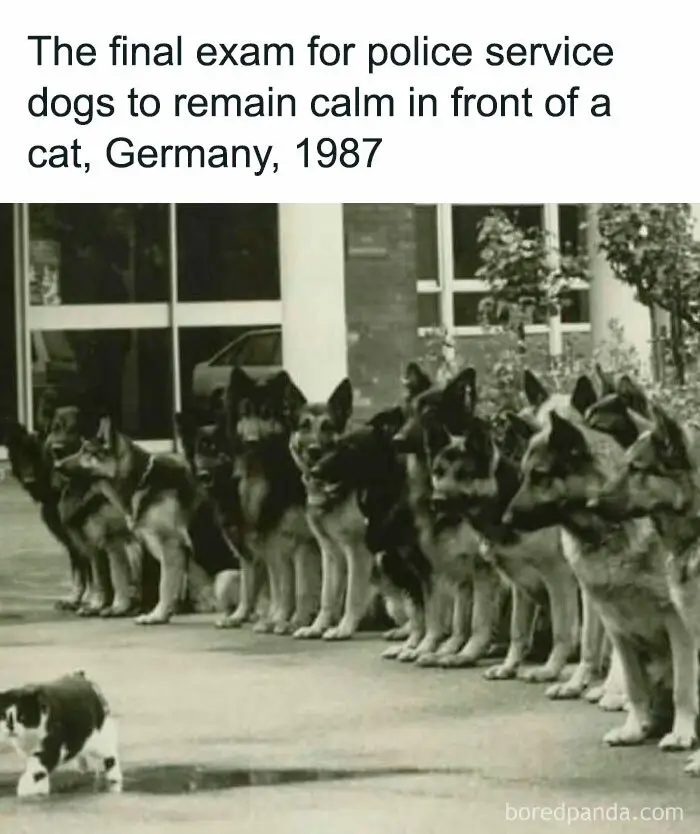
A group of police service dogs calmly lined up during final exam in front of a cat, historic 1987 training moment.
107points
94
6