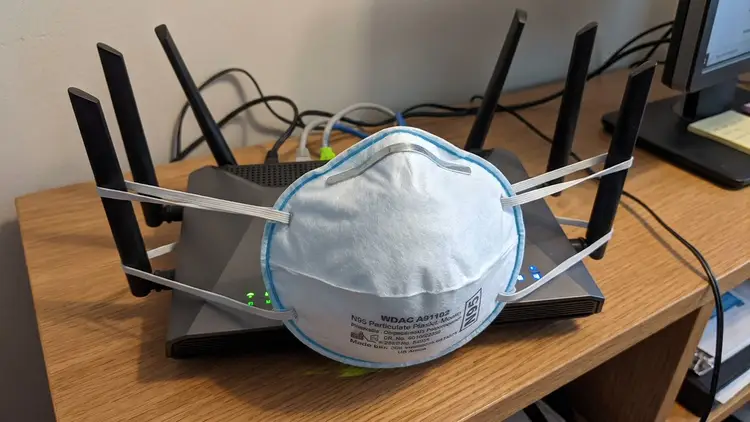



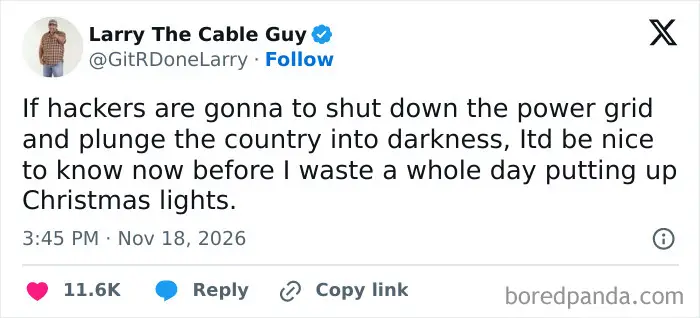
We don’t realize how much we rely on technology until a disruption makes us see it. The truth is, it’s so intertwined with everything we do that life without technology sometimes sounds like something from the past. Think about it: all the devices we use to make food, work, or stay in touch with each other, functioning without them sounds extremely difficult, doesn’t it?
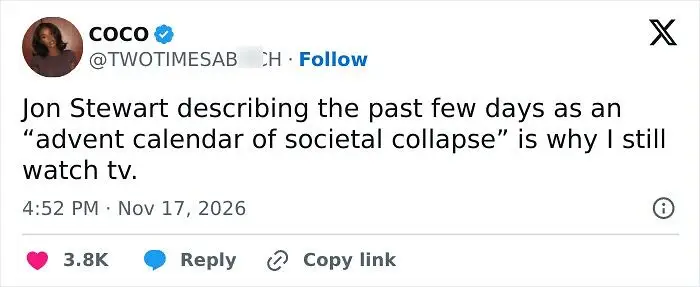
Well, it’s hardly surprising that Americans were swept up in a wave of nerves and confusion when multiple outages hit. From 12 to 17 November, chaos erupted across the country, and people even started speculating about a digital apocalypse.
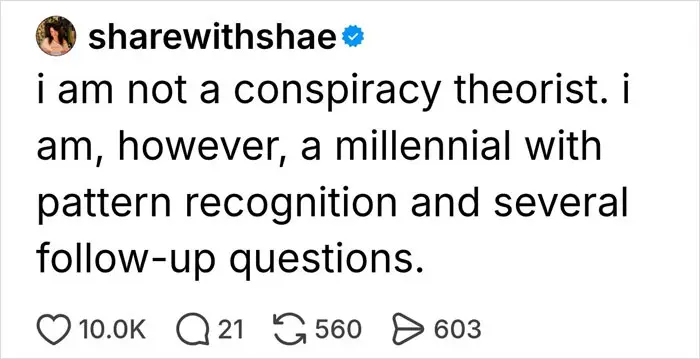


When these outages happened, the effects were felt globally, not just in the US. For instance, reports show the Microsoft outage affected more than 70 countries and territories. With more than 430 million people using Microsoft 365 apps, the outage sparked chaos in many sectors, including schools and hospitals.
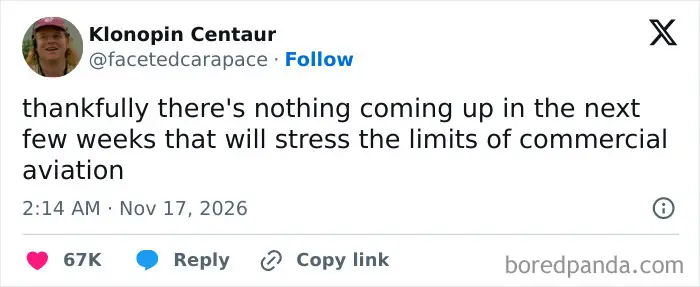
While people were barely recovering from the first one, another major outage affected the States. The Federal Aviation Administration issued a ground stop for all US flights, and almost 25,000 flights were delayed. Over 9,000 were canceled on Friday, and thousands were stranded as the disruption lingered until Saturday morning.

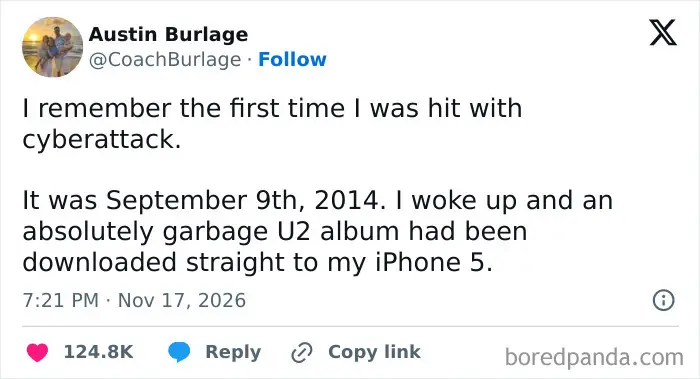
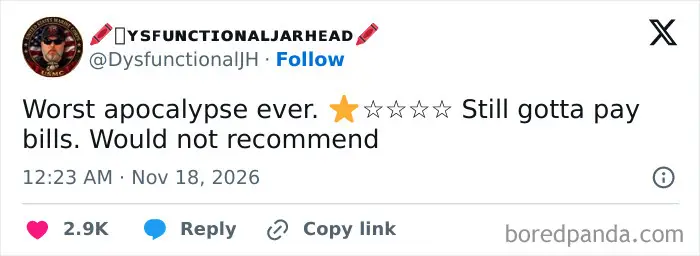
After all the chaos from Microsoft and FAA outages, Americans were shocked to learn their banking apps were next. Although the issue stemmed from Chase, other major banks also reported trouble.
Thousands were unable to access their online accounts, but Chase clarified that it was a software bug, not a cyberattack. However, more trouble followed as US citizens also grappled with a United Airlines ground stop, a National Security Agency issue, and problems with Apple and Marriott services.
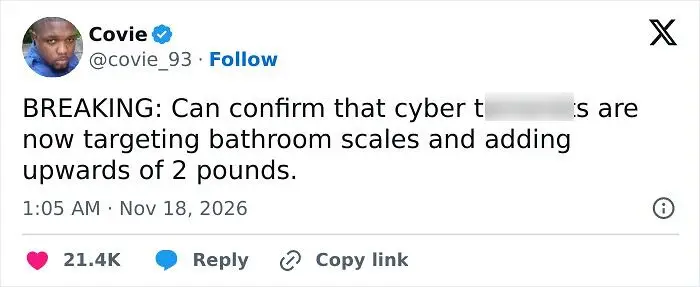
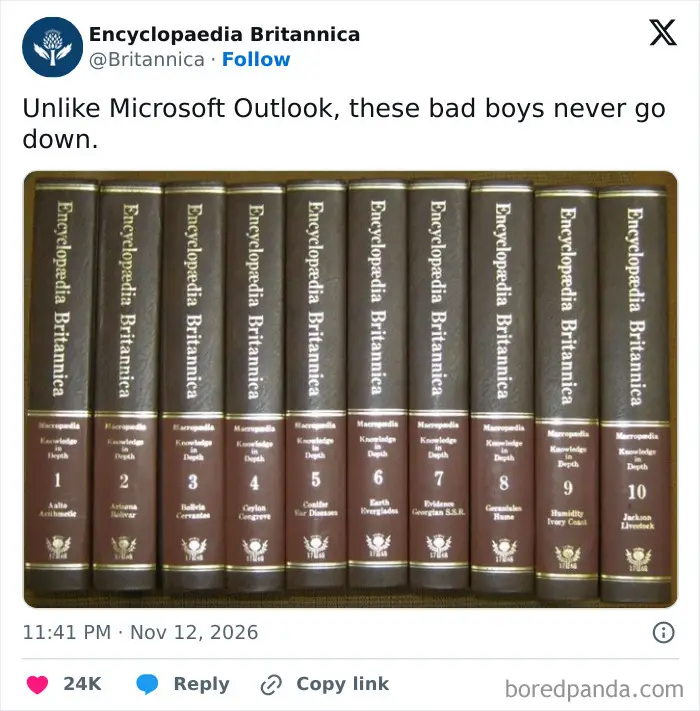
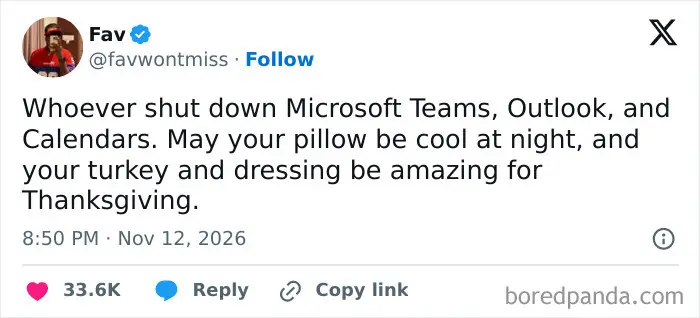
When everything was falling apart one after the other, could conspiracy theories be far behind? Of course, people were on edge, and still are, as they tried to understand what exactly happened.
However, Director of National Intelligence Jay Clayton claimed, “I understand the timing of these incidents can raise questions, and it should. The American people should ask us these questions. But based on what we know today, after a great deal of digital diligence, these are separate service outages associated with maintenance and technical changes. They are not a coordinated or state-sponsored attack.”
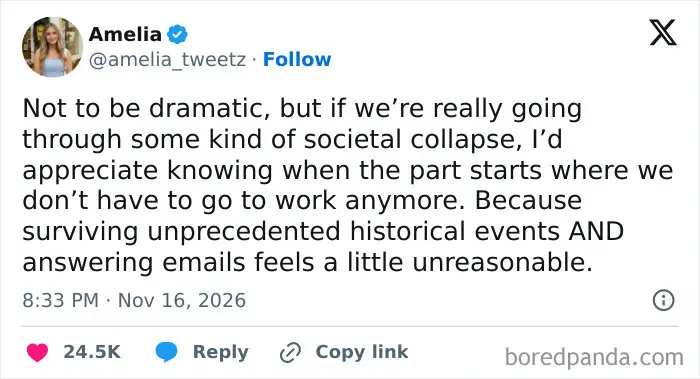

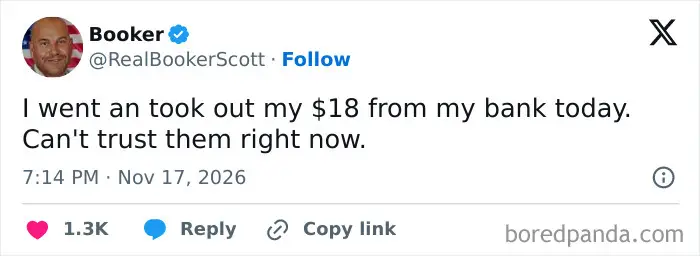
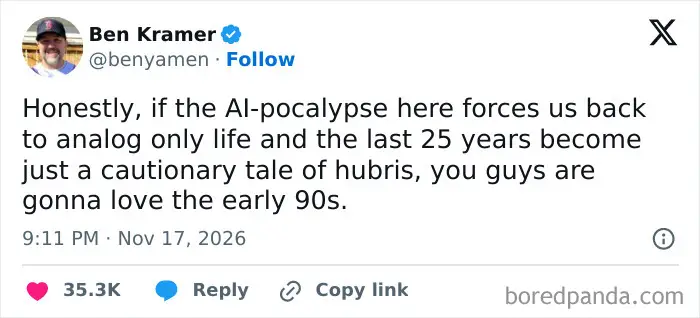
Well, no matter what anyone said, it didn’t really satisfy people, as many still fear a digital apocalypse. CNBC reported that Americans have started preparing for a larger-scale technology blackout or other emergency event.
However, it seems that worries had been bubbling under the surface for weeks before the outages. In fact, shoppers began buying significantly more from emergency preparedness brands late last month.
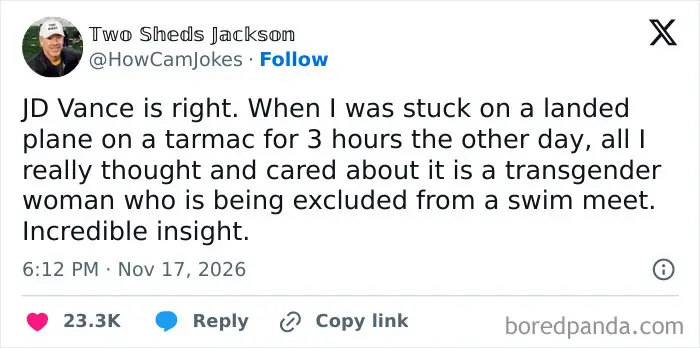


The news also reveals that during the outages from 12 to 17 November, spending at brands specializing in emergency products spiked about 400% compared with the same period a year earlier.
At Ready America, which sells products like emergency survival kits, prepackaged water, and high-calorie food bars, e-commerce sales also increased roughly fivefold in recent days. This clearly highlighted the apocalyptic concerns that the American public is dealing with, as talks of doomsday spread among the people.