




Videos from the crowd showed the audience booing Israel's entrant Eden Golan during her performance. Apparently, she got booed during rehearsals earlier in the week, and some people reported hearing cries of "Free Palestine!". Despite that, the performance received second place by televoters. Many people blamed the EBU for allowing Israel to participate in the contest at all. Martin Österdahl, the executive supervisor of the European Broadcasting Union, was booed when he spoke during the broadcast as well.
Perhaps the most controversial decision by the EBU was to disqualify the Netherlands after their entrant allegedly made "a threatening movement" towards a camerawoman. According to a statement from the Dutch broadcaster AvroTros, the artist apparently indicated that he wished not to be filmed, and the camerawoman didn't respect his wishes. They called the disqualification "very heavy and disproportionate" and lamented the disappointment this will have to Joost's fans.
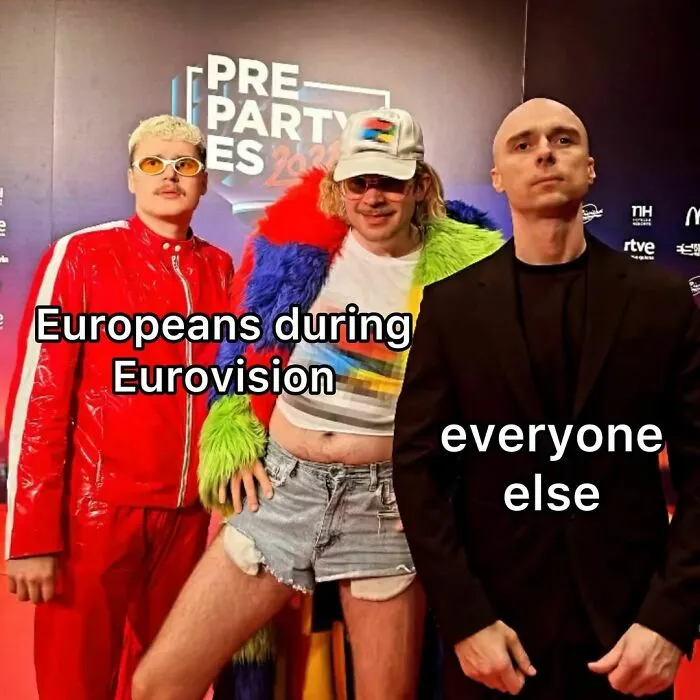
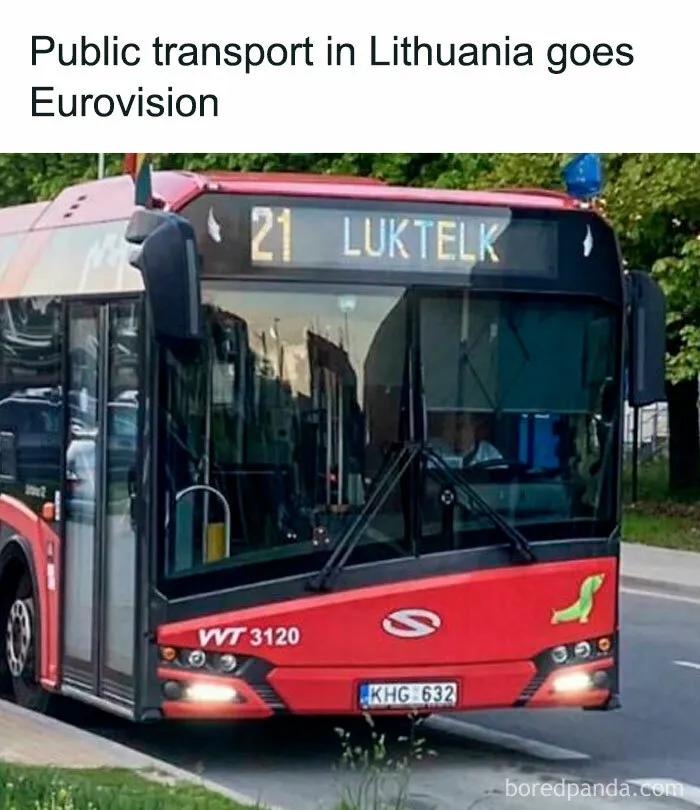
Eurovision is becoming an increasingly safe space for LBTQ+ artists. Lithuania, for example, sent its first bisexual performer, Silvester Belt, to represent them in the contest. And while Belt doesn't want to be the poster child for LBTQ+ rights in Lithuania, he acknowledges that his being in the competition is a win for the community.
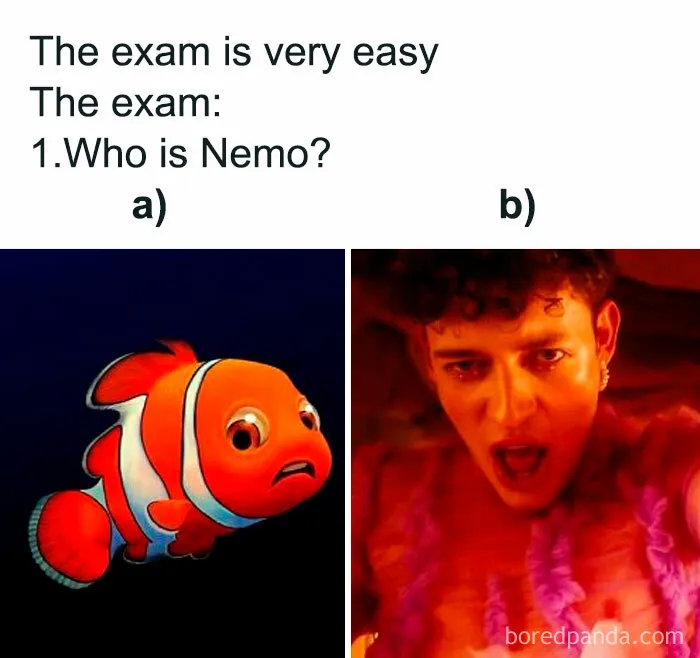
"I feel like it is a big thing for the rest of us. If I had someone like that growing up, I feel like it would have helped me not feel so sh*t,” he told Pink News. “At least it will bring up a discussion about it." The Lithuanian entrant was part of a sort of "LBTQ+ gang" of this year's Eurovision. Its members included the UK's Olly Alexander, Ireland's Bambie Thug, and the now-winner Nemo.
Speaking of the UK, they can't seem to shake off the Eurovision curse of last places and null points, can they? This year's entrant, Olly Alexander with the song Dizzy, apparently got no points from the televoters and came in at 18th place. This loss sparked countless memes about how the UK never seems to do well in the contest.
This comes as a huge disappointment for many UK Eurovision fans because this year, the UK was represented by an already-established pop star, Olly Alexander. Dizzy is the first release under his own name, as he previously released music under the British synthpop band Years & Years. The band has headlined arenas and festivals and collaborated with artists like The Pet Shop Boys and Elton John, so the UK fans put a lot of hope in a possible win. Or a higher placement, at least.