

People in customer-facing jobs often end up developing thick skin because there are enough folks out there who think that, as the customer, they are always right and when told “no,” that they are well within their rights to get aggressive, no matter how unhinged the demand.
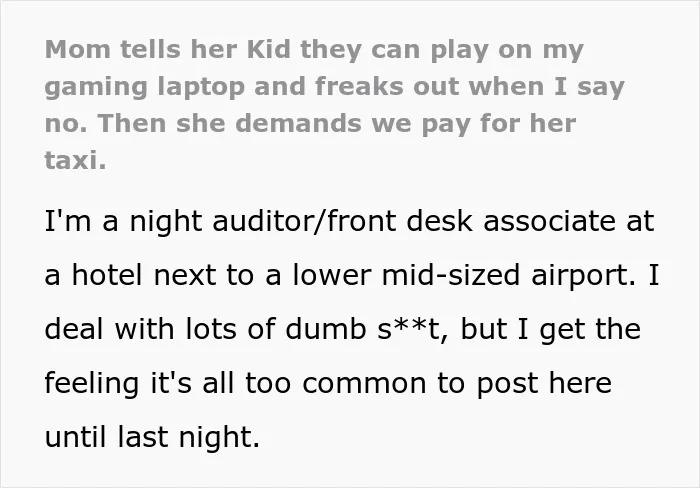
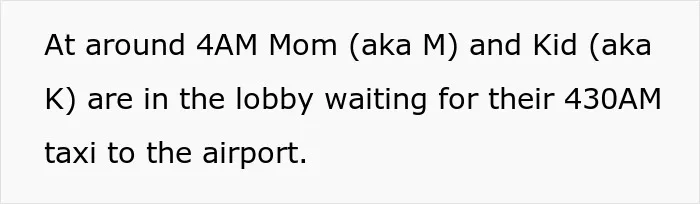
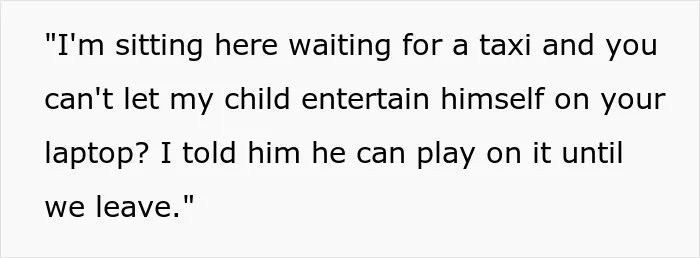
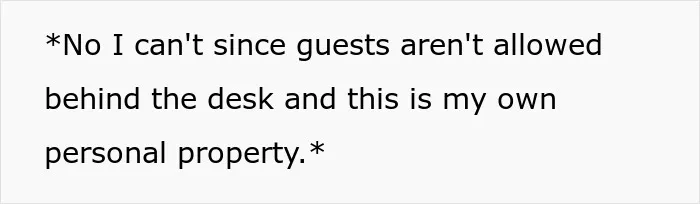
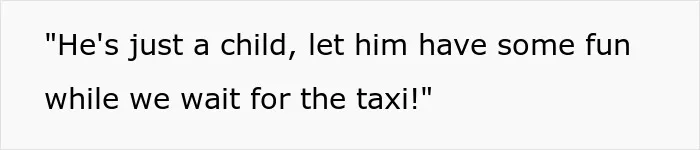
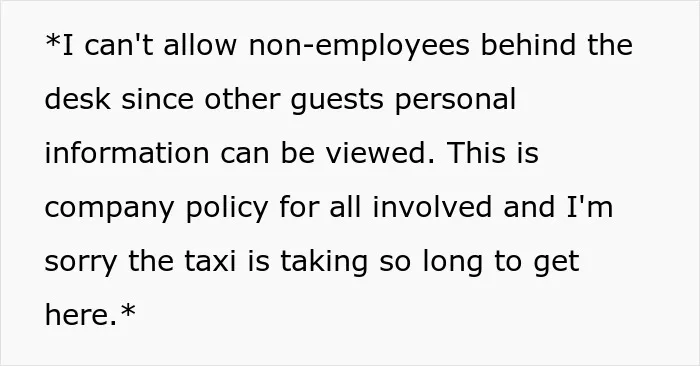
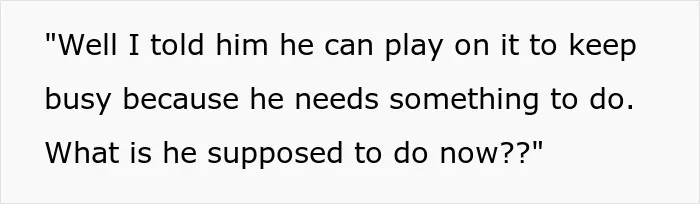
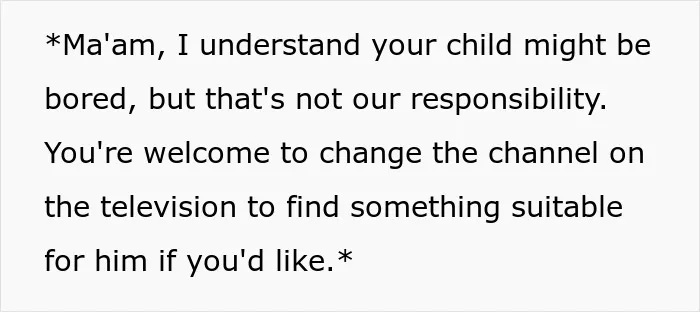
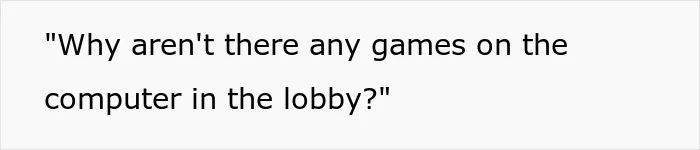
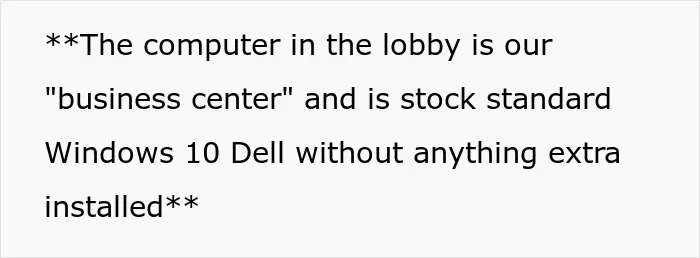
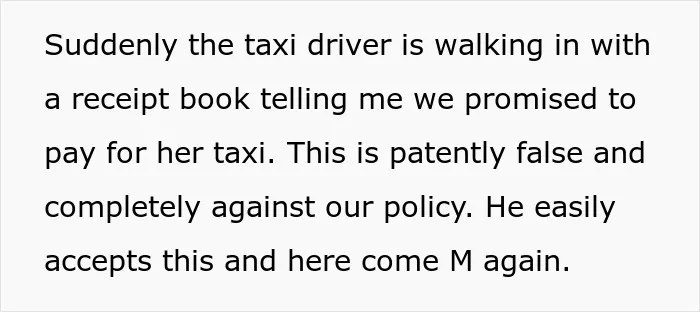
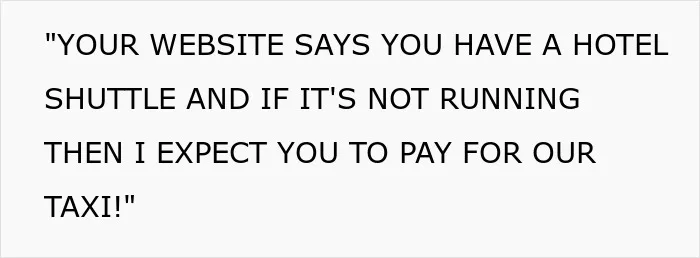
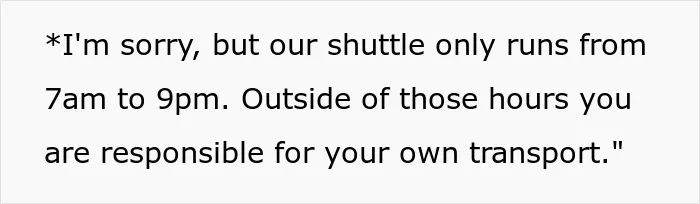
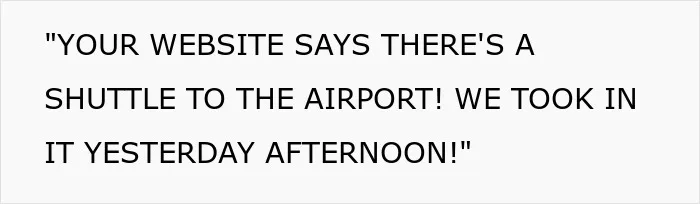
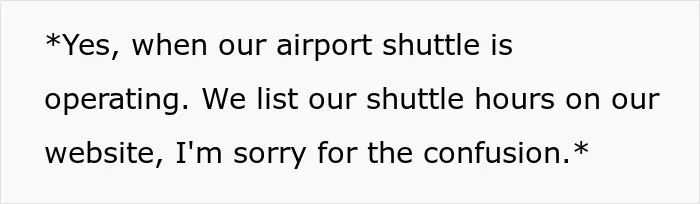
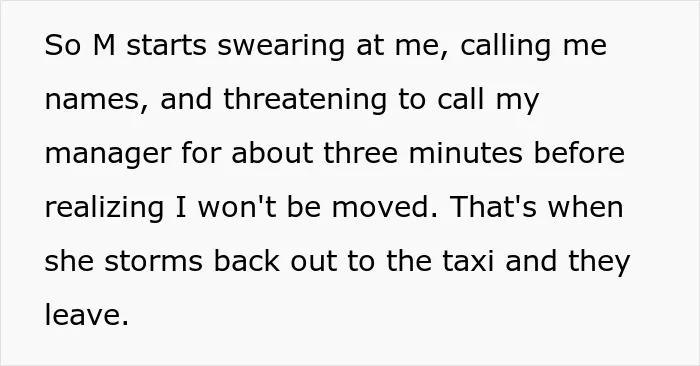
A hotel front desk worker shared their experience with a bizarrely entitled mom and her child. As they were waiting for a taxi, the mom began to demand that her child have access to the worker's computer. When she was told no, she then demanded the hotel cover the cost of the taxi.
Employees who have to interact with the public all have their own horror stories

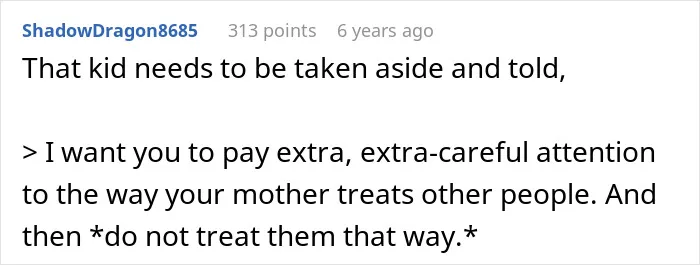
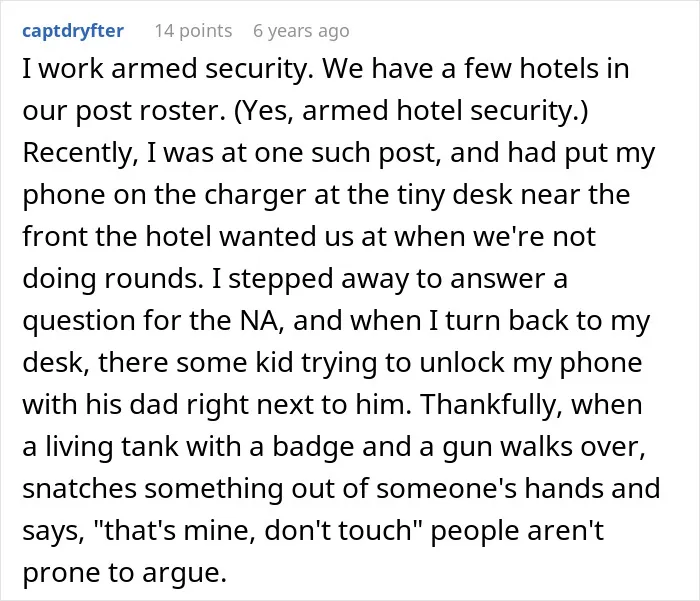
One hotel worker ended up being yelled at when they wouldn’t let a child use their personal laptop
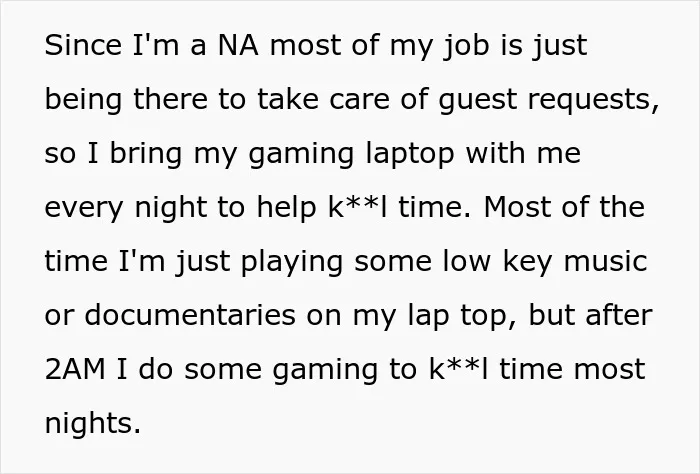
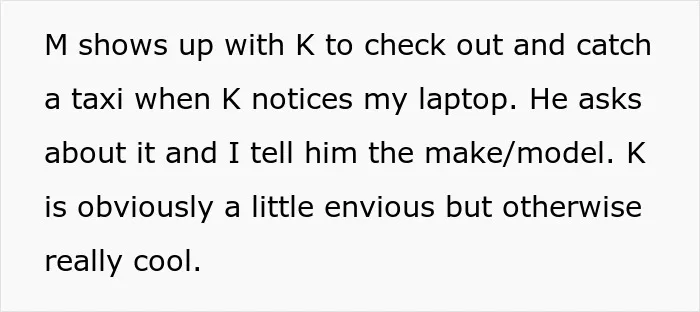
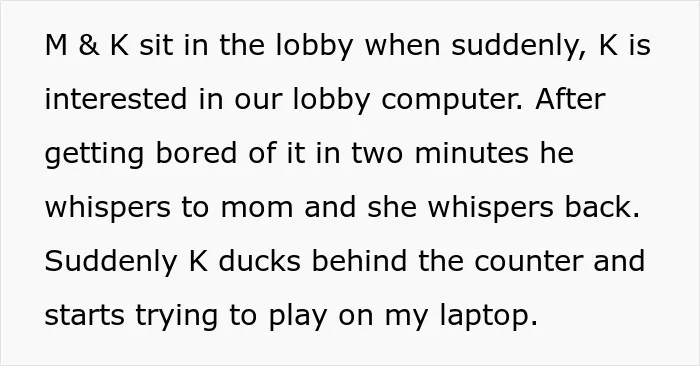

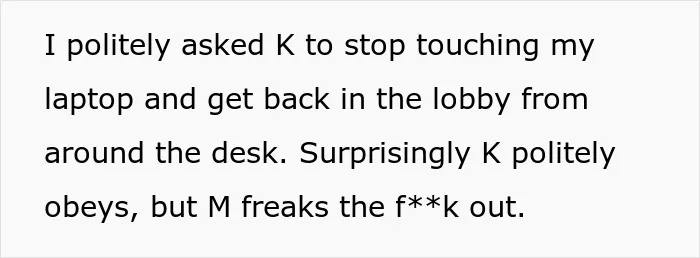


Customers often feel like they can just keep making demands
The phrase "the customer is always right" is usually traced to Chicago retailer Marshall Field, whose store was already promoting some version of the idea by the early 1900s, and to Harry Gordon Selfridge, who trained under Field before taking the philosophy to his own department store in London. Around the same time, hotelier César Ritz was telling his own staff “le client n'a jamais tort”, the customer is never wrong. All three men were selling the same pitch to shoppers used to buyer beware retail, where a bad purchase was entirely your own problem. Promising unconditional deference was genuinely radical at a time when returns and refunds barely existed.
What almost nobody repeating the slogan today remembers is that Field's actual guidance to staff was softer than the catchphrase, closer to assuming the customer is right until it becomes plain they aren't, according to researchers who traced the quote's origins. That qualifier vanished decades ago. What survived was the absolute version, and the absolute version is exactly what turns a bored kid in a hotel lobby at four in the morning into a point of principle for a parent.
Once someone believes a slogan is a universal, non negotiable rule, every no they hear stops registering as a policy and starts registering as a personal insult. That pattern shows up constantly in the research on what psychologists call customer entitlement. A 2011 study published in the Journal of Occupational Health Psychology followed waitstaff and found that dealing with entitled customers measurably damaged workers physical and psychological wellbeing, above and beyond the usual stress of the job. Separate qualitative research out of the University of Cape Town interviewing fine dining staff kept turning up the same handful of behaviors, excessive demands, open hostility toward employees, and aggressive reactions the second an expectation went unmet. None of that requires a genuinely bad person. It just requires someone who took a marketing slogan literally.

Some businesses, rightly, reject this idea
Executives who've actually run customer facing companies have been pushing back on this idea for years. Former Continental Airlines CEO Gordon Bethune became well known for publicly rejecting the maxim, arguing that defaulting to the customer's side just teaches the rudest customers that rudeness gets results, while the staff who show up every single day get treated as disposable. Southwest Airlines told a similar story about a passenger who wrote in constantly, unhappy with nearly everything about how the airline ran its business. When the complaint finally landed on founder Herb Kelleher's desk, he wrote back a short, personal note letting her know the airline would miss her as a customer, then let her go rather than ask his staff to keep absorbing her demands. Both men made the same bet, that protecting employees from unreasonable customers is better business than pretending every complaint deserves equal weight.
That exact absorbing dynamic plays out when a guest decides a locked personal laptop should function like a rental, then decides a missed overnight shuttle should be billed to a stranger. Each demand escalates a little further because the last one wasn't quite ridiculous enough to get shut down, so why would this one be different.
Night auditors, retail workers, and flight attendants keep posting stories like this one for a simple reason. Customers haven't necessarily gotten meaner. A hundred and twenty year old marketing line got mistaken somewhere along the way for an actual legal entitlement, and nobody ever walked it back for the people who grew up repeating it.
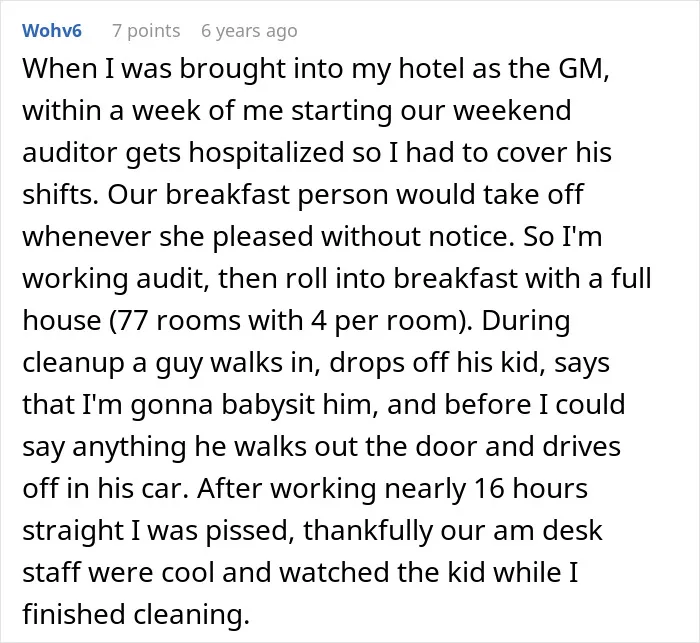
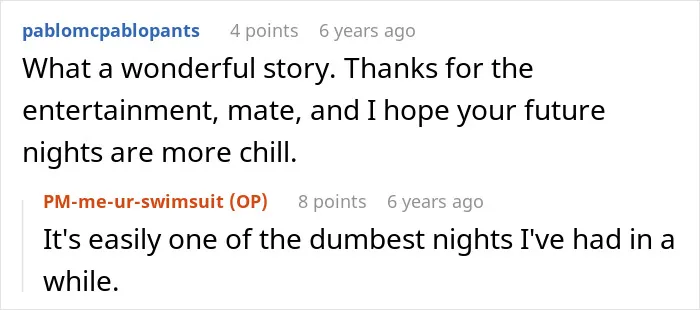
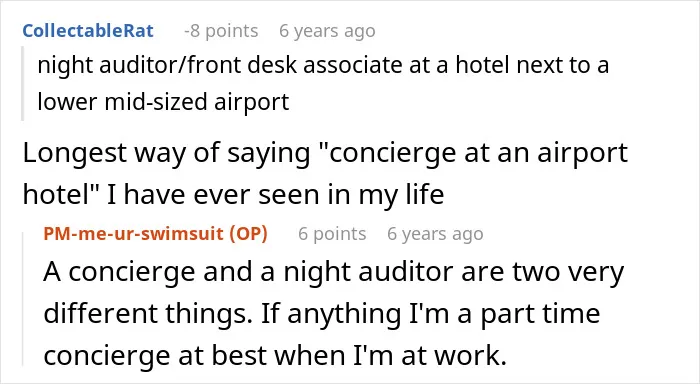
The worker also responded to some reader comments
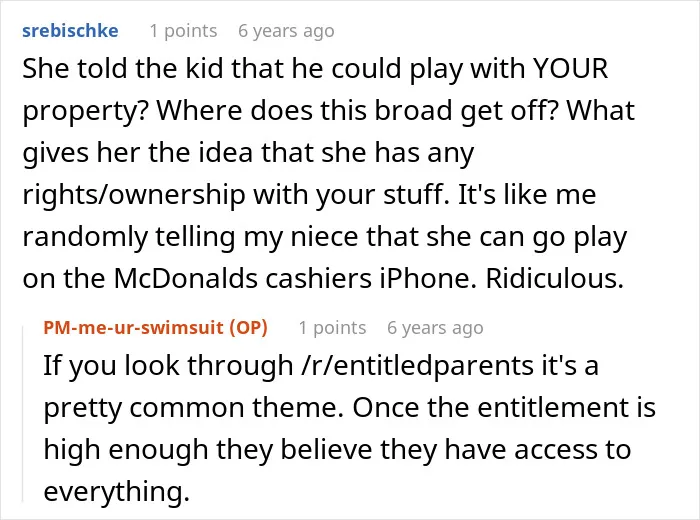
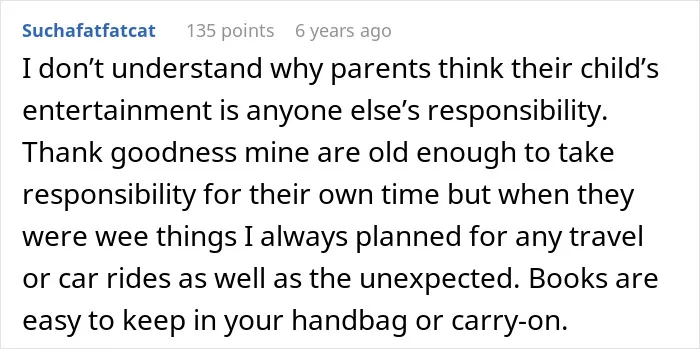
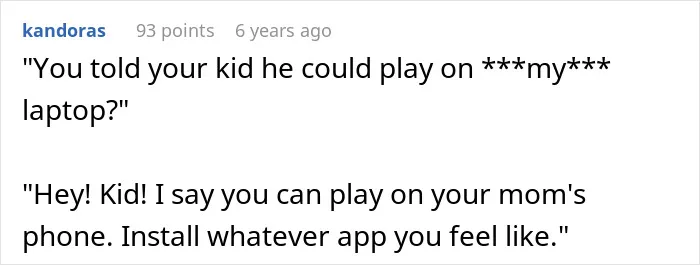
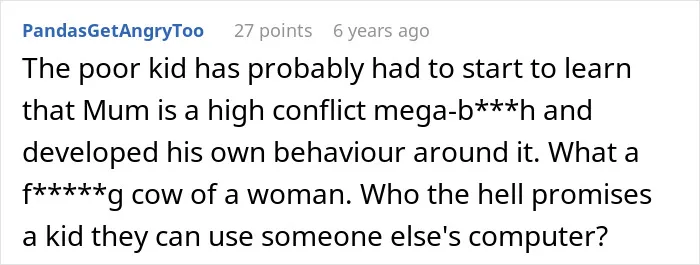
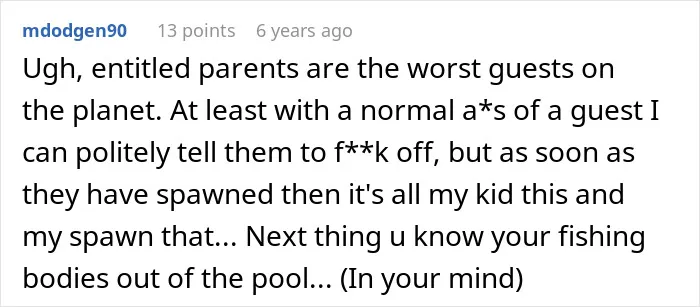
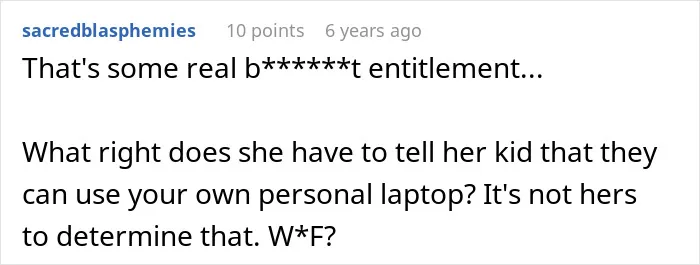
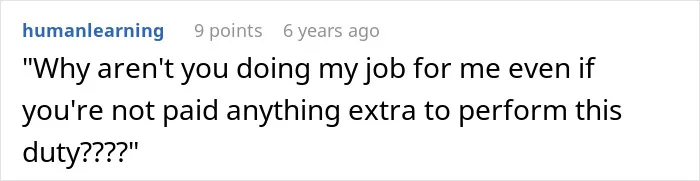
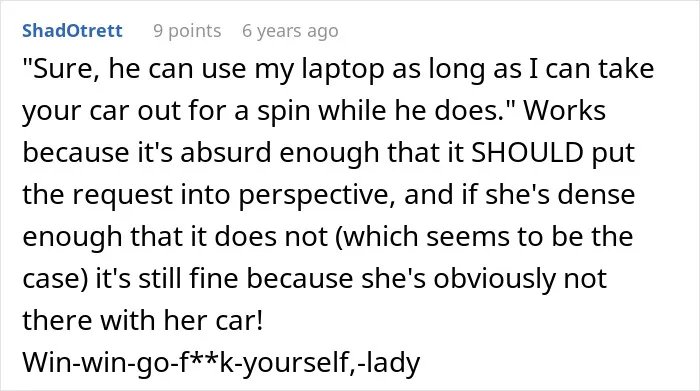
Others shared their thoughts on the mom's behavior