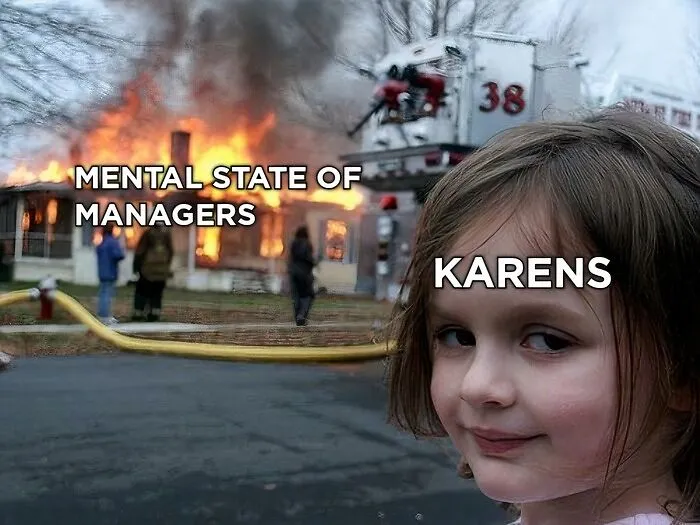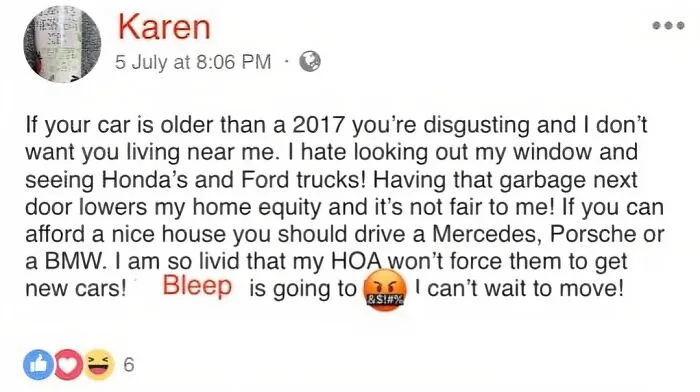


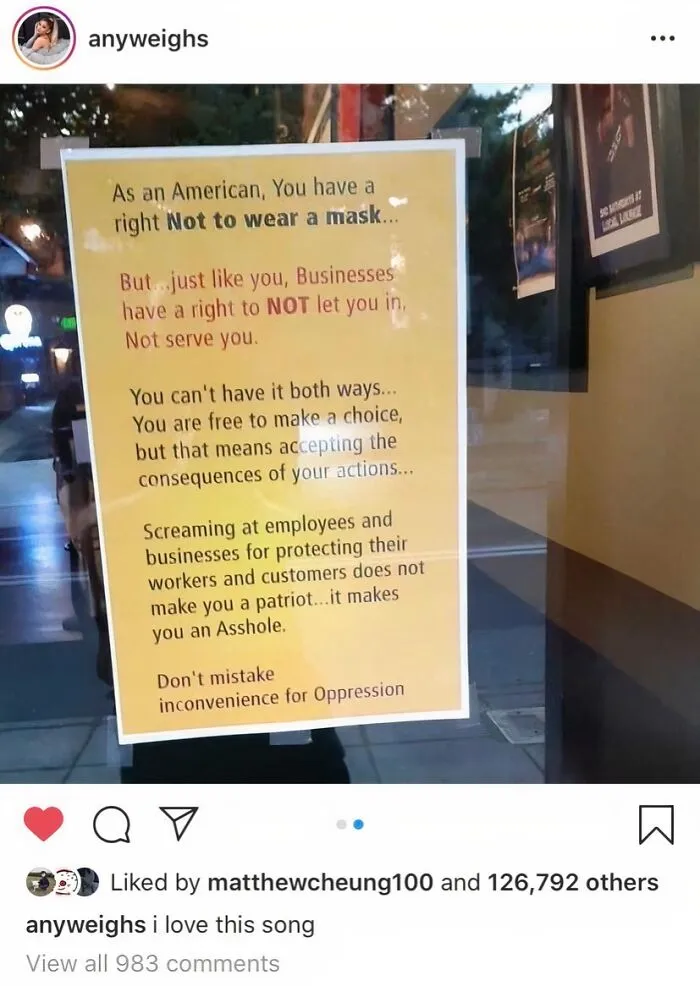
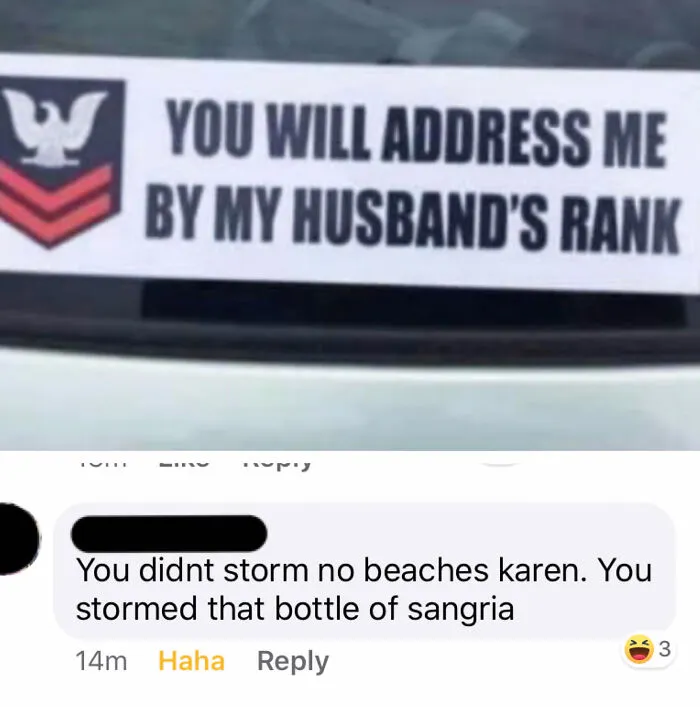
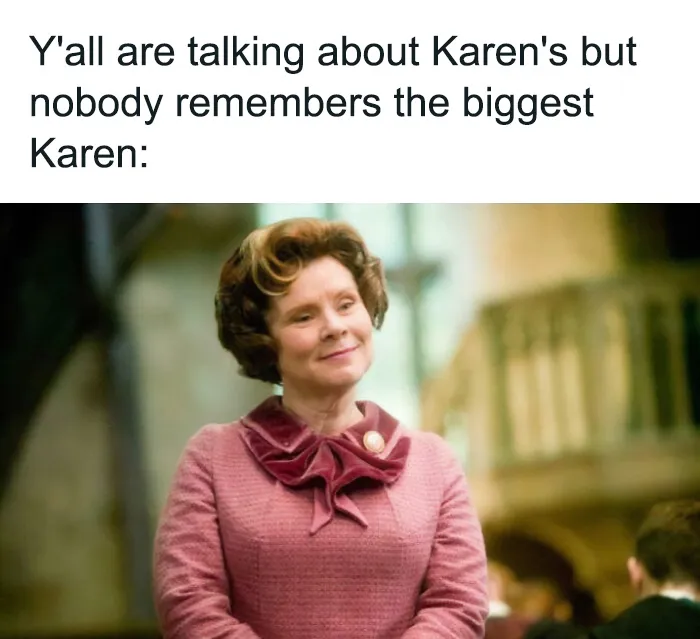
Pretty much everyone has crossed paths with someone like this at least once. It might have happened at a coffee shop, or it could have been a neighbor who complained to the HOA about a slightly overgrown lawn.
Over time, the internet decided this kind of person needed a name, and it landed on Karen.
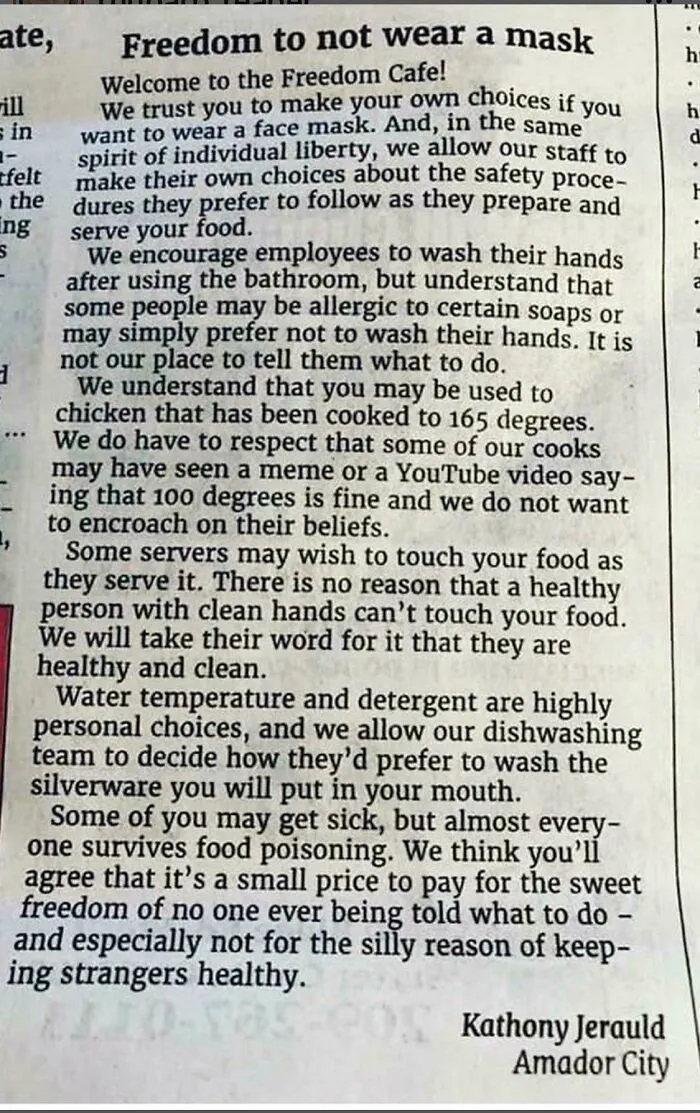
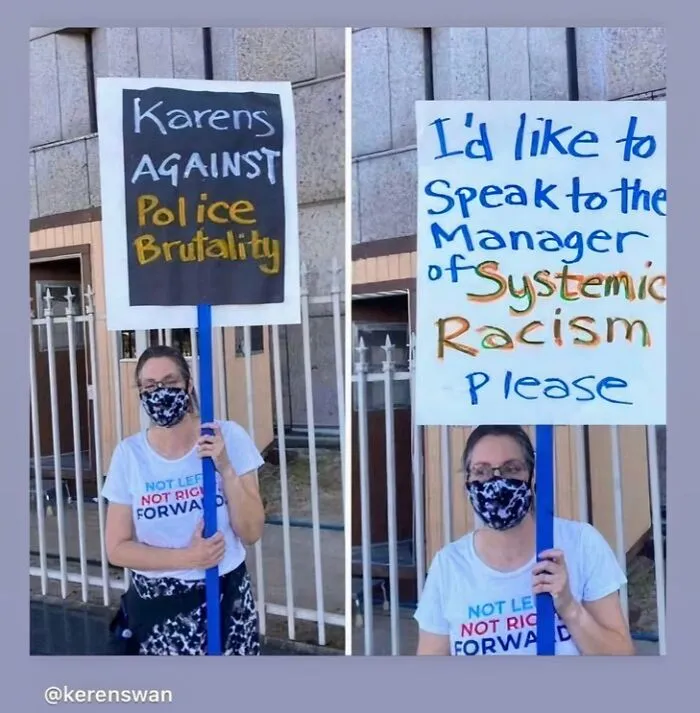
According to Know Your Meme, a Karen is usually pictured as an irritating, entitled woman who acts like the world owes her something.
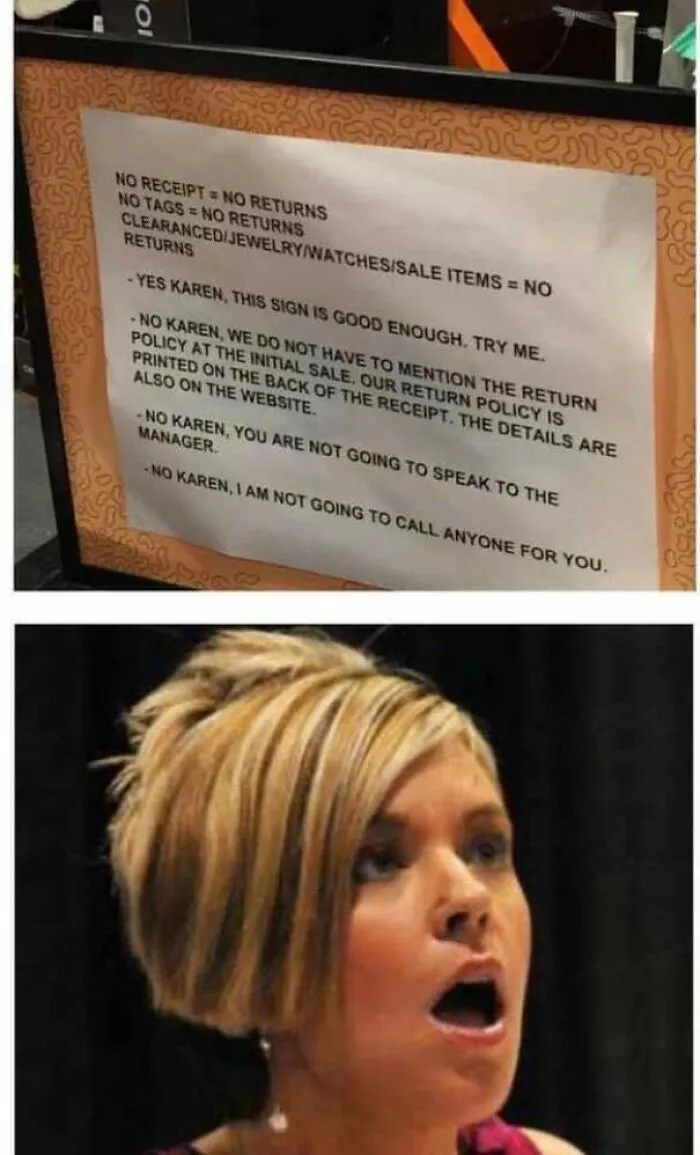
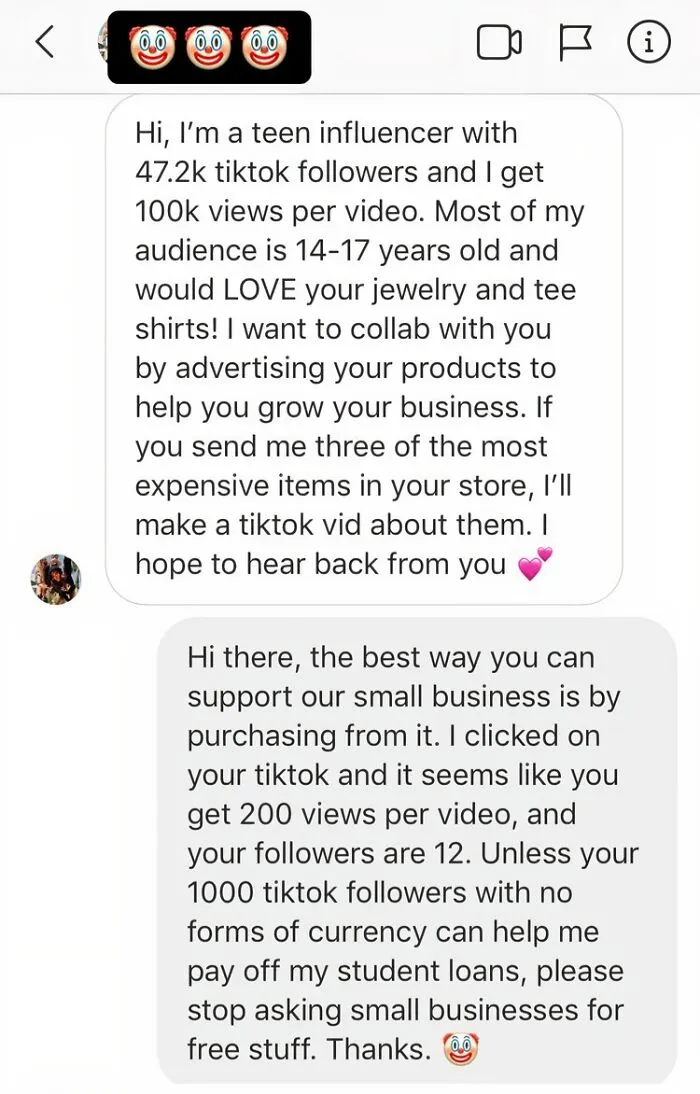
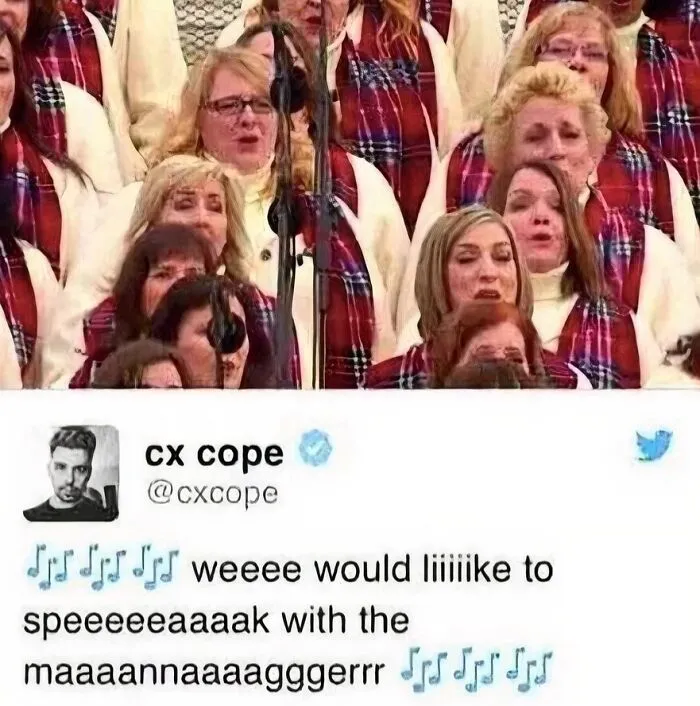
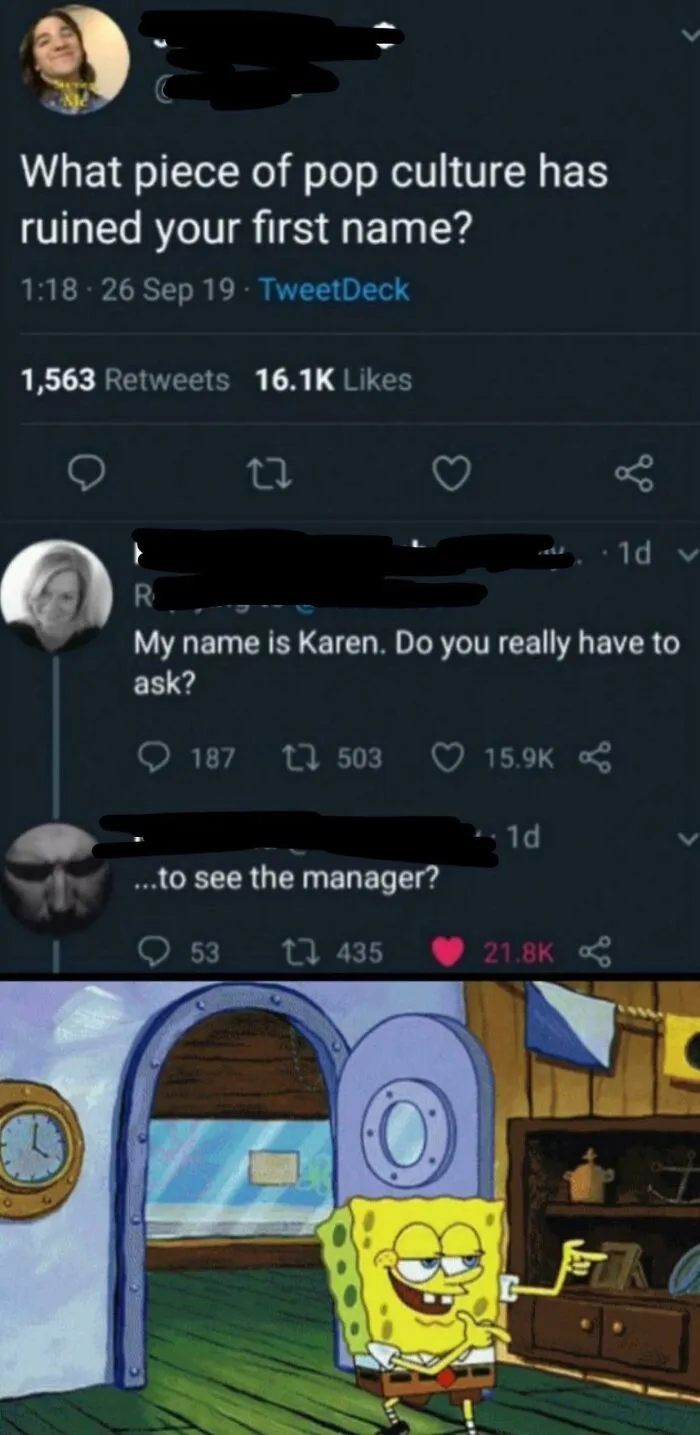
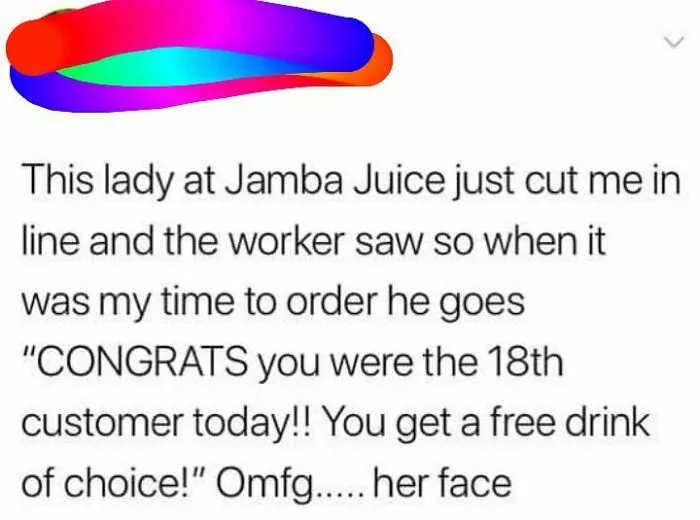
Her most famous move is demanding to speak to the manager, often over the tiniest problem. She tends to complain loudly, and she rarely backs down once she gets going.
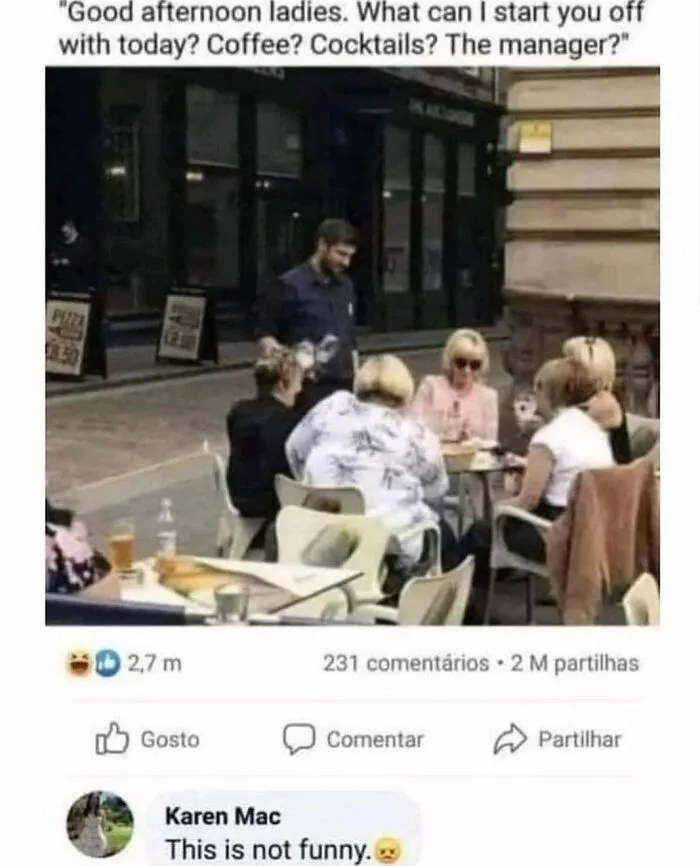
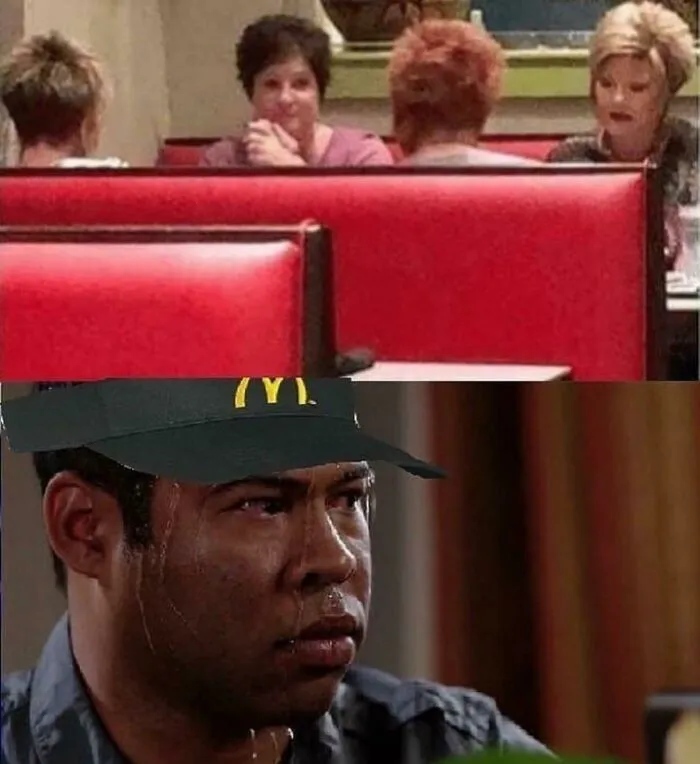
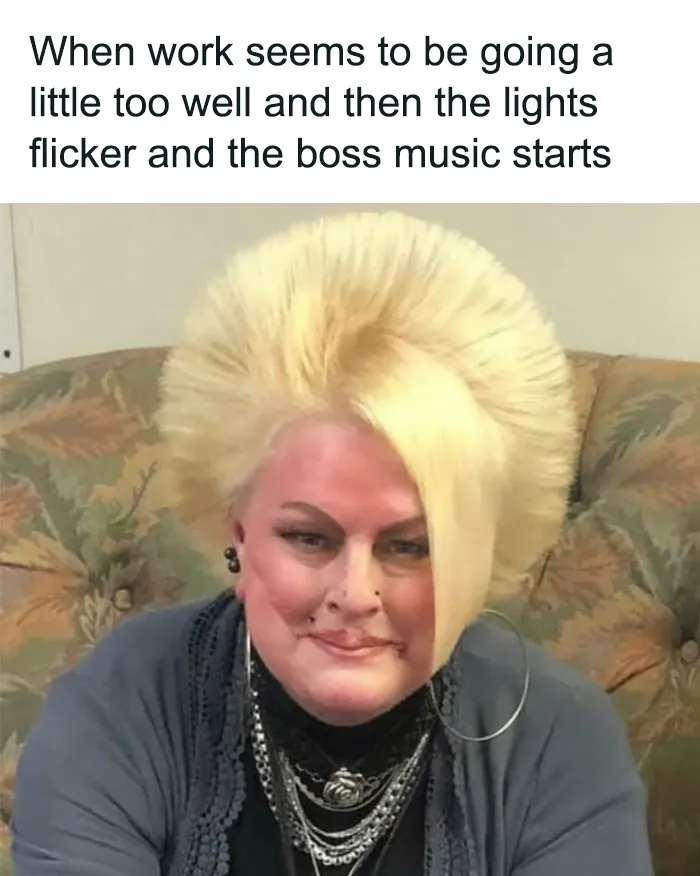
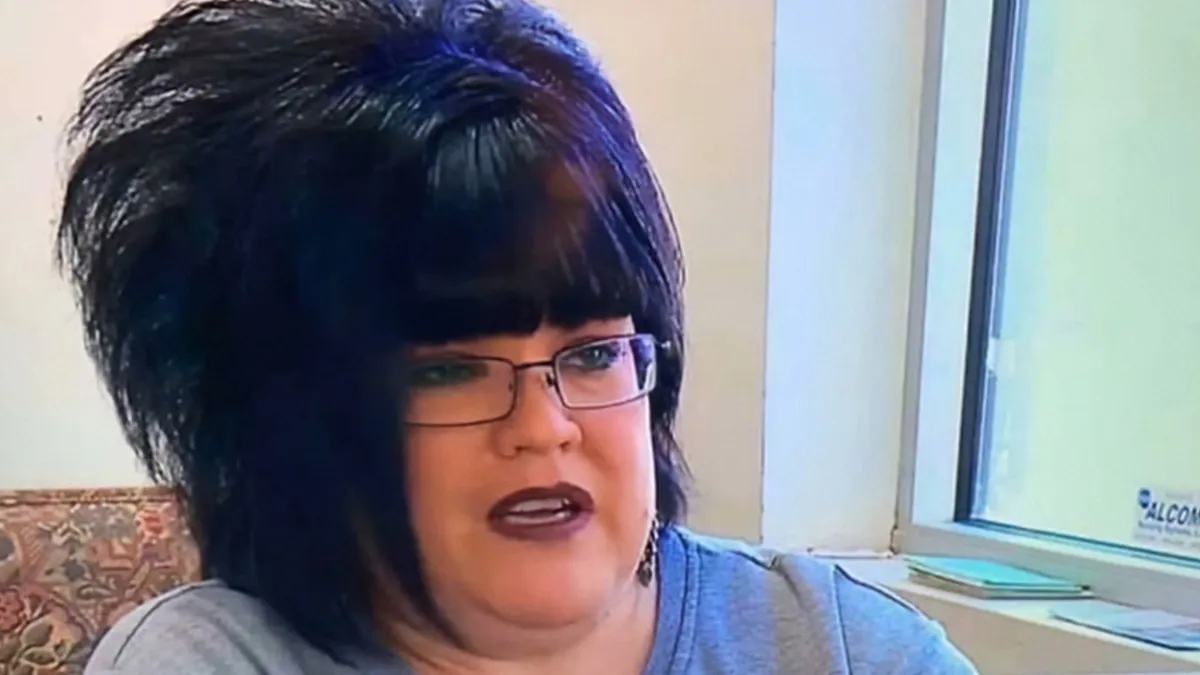
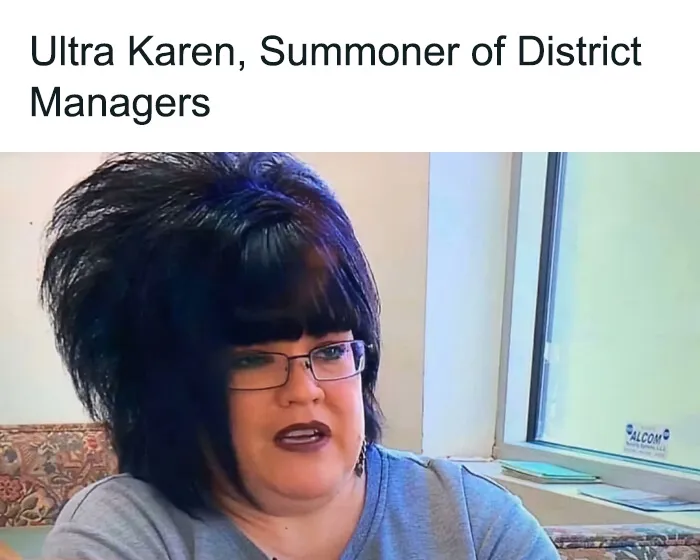
The stereotype even comes with a signature look. A Cambridge University Press blog points out that the Karen type has its own physical traits, and some people consider reality TV star Kate Gosselin to be “Karen Zero.”
Her choppy, angled cut basically became the blueprint for the famous “can I speak to your manager” bob. These days, a single photo of that hairstyle is enough for people online to know exactly what kind of person is being described.
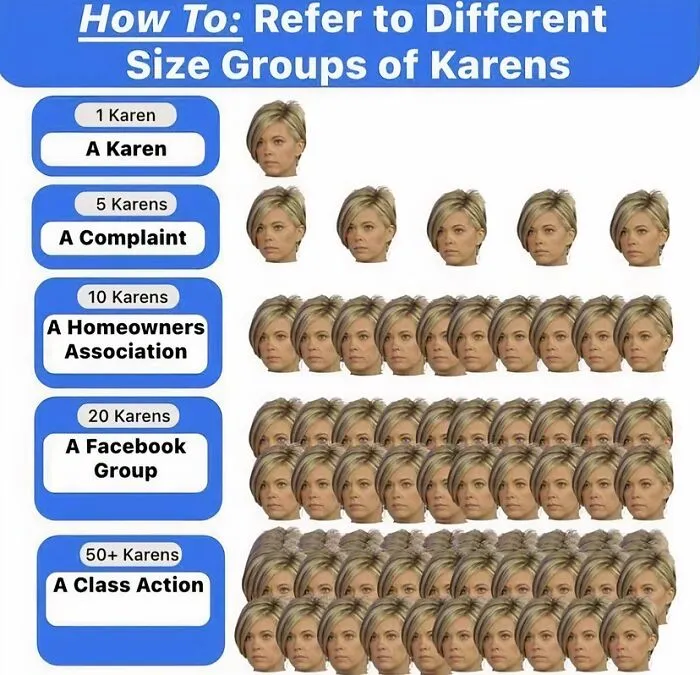

Funnily enough, Karen used to be a perfectly ordinary name. According to the Online Etymology Dictionary, it ranked among the top 10 names for baby girls in the US between 1951 and 1968, which is probably why the stereotype skews middle-aged.
As for how it turned into an insult, even Know Your Meme admits it’s hard to say exactly where it started. One popular theory points to the airheaded Karen in 2004’s Mean Girls. Others trace it back to Dane Cook’s 2005 stand-up bit about the one friend in every group nobody actually likes.
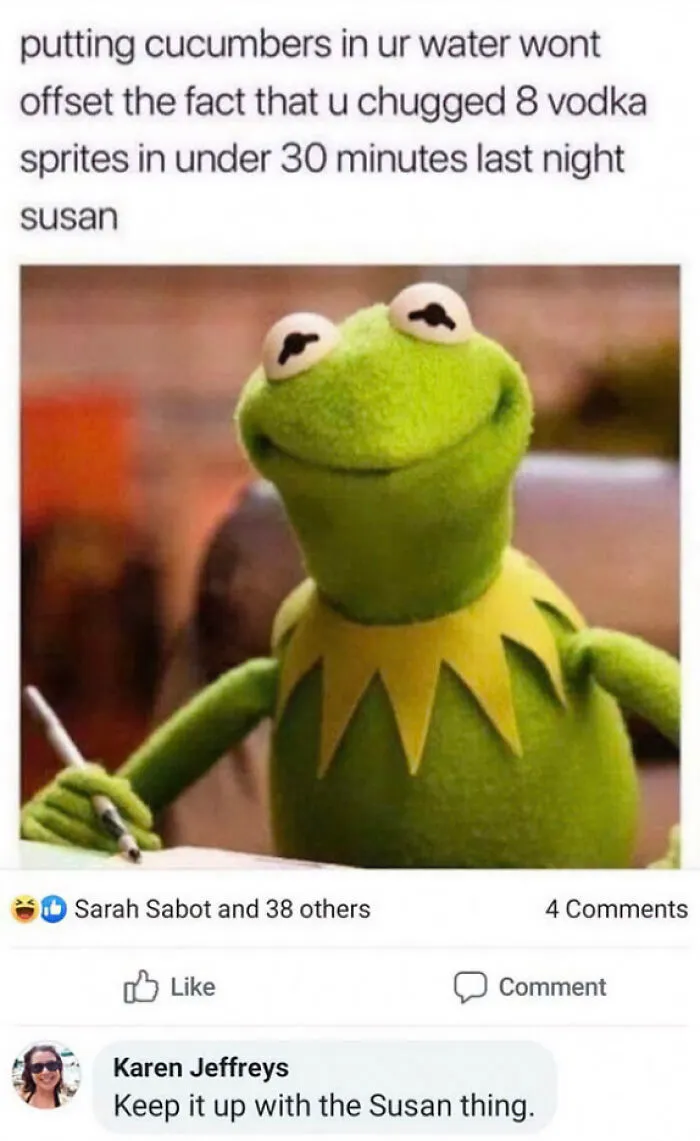
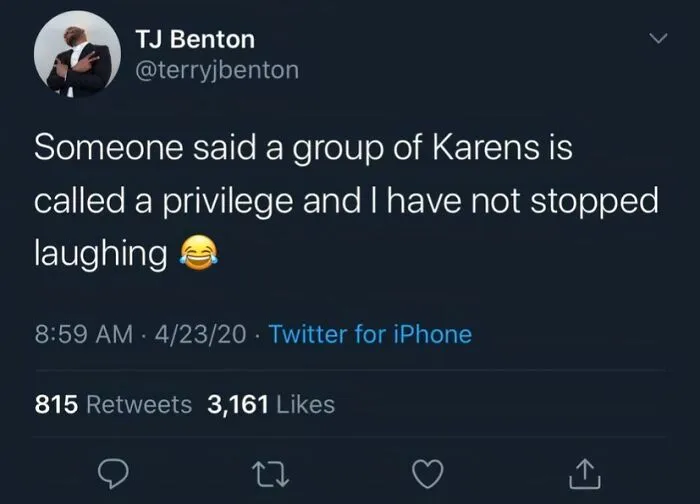
Some people also credit Black Twitter, where the name had long served as a way to call out white women who weaponized their privilege against others.
Wherever it began, Reddit played a big part in spreading it. A subreddit devoted to mocking Karens launched in December 2017 and quickly filled up with jokes about an ex-wife who took the kids in a custody battle.
By 2020, the meme had exploded amid the COVID-19 pandemic and a growing awareness of police brutality against Black Americans.
As the term grew more popular, so did the backlash. In April 2020, radical British feminist Julie Bindel sparked a heated debate when she suggested the term was rooted in hatred of women and class prejudice.
Others felt it unfairly singles out women of a certain age. Journalist Karen Yossman, for example, compared it to blonde jokes and called it just another chance to knock women down.