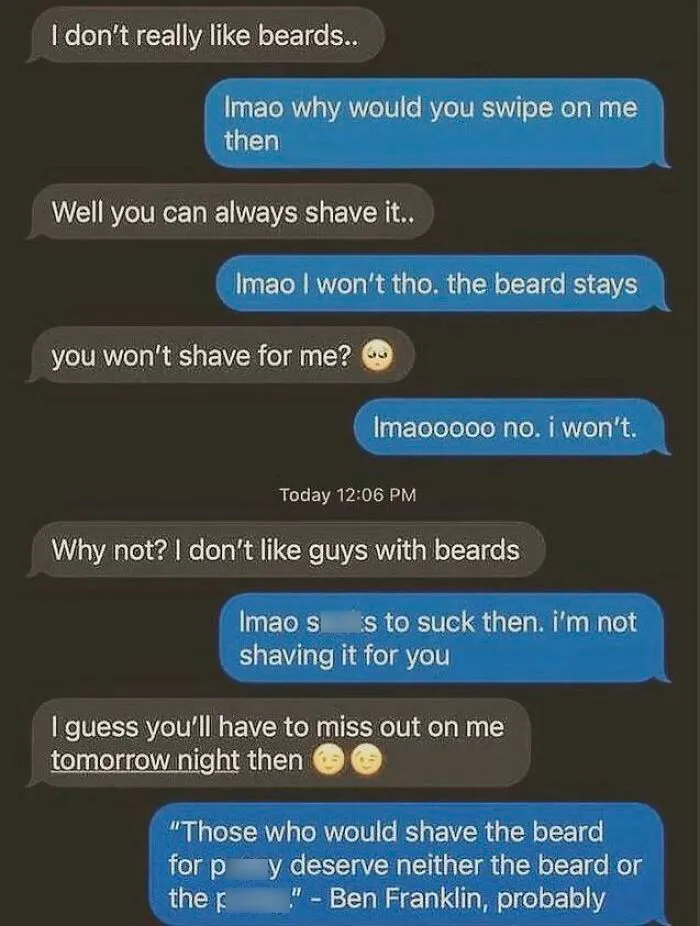



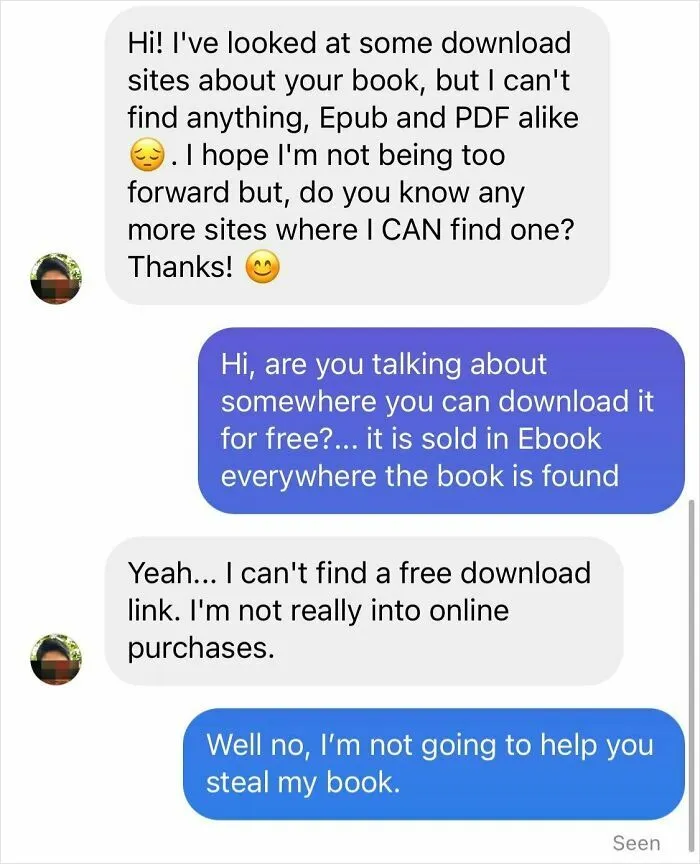
#2 Asking The Author Of The Book Where They Can Pirate It (I'm Not The Author, And The Book Is Not Coming From A Big-Time Publisher)
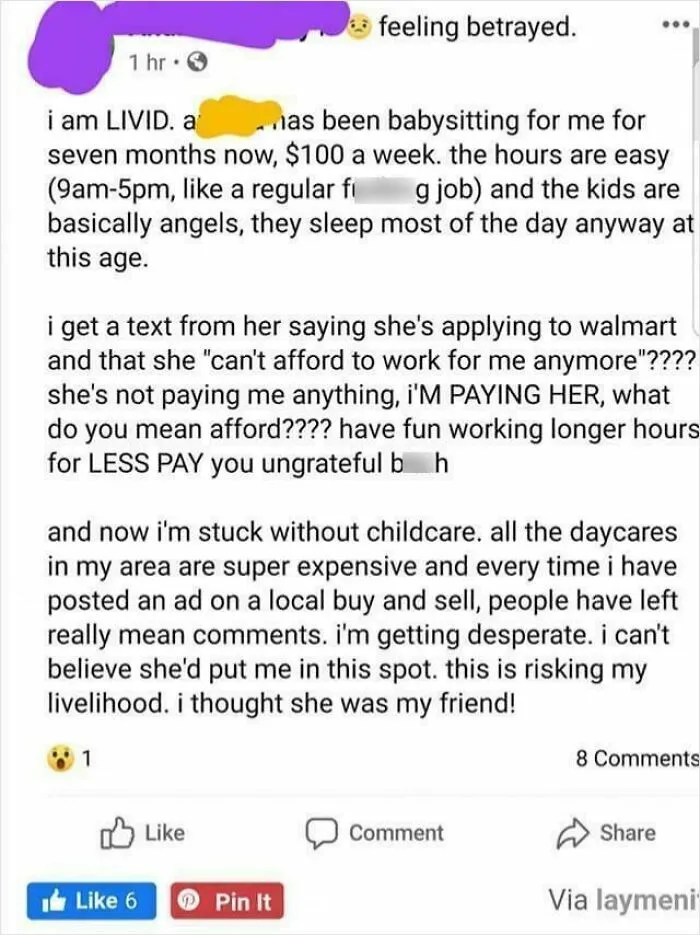
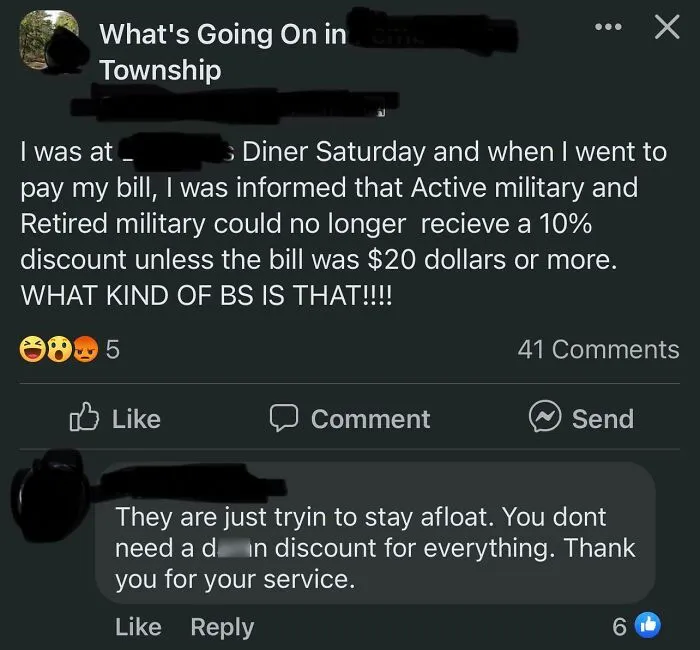
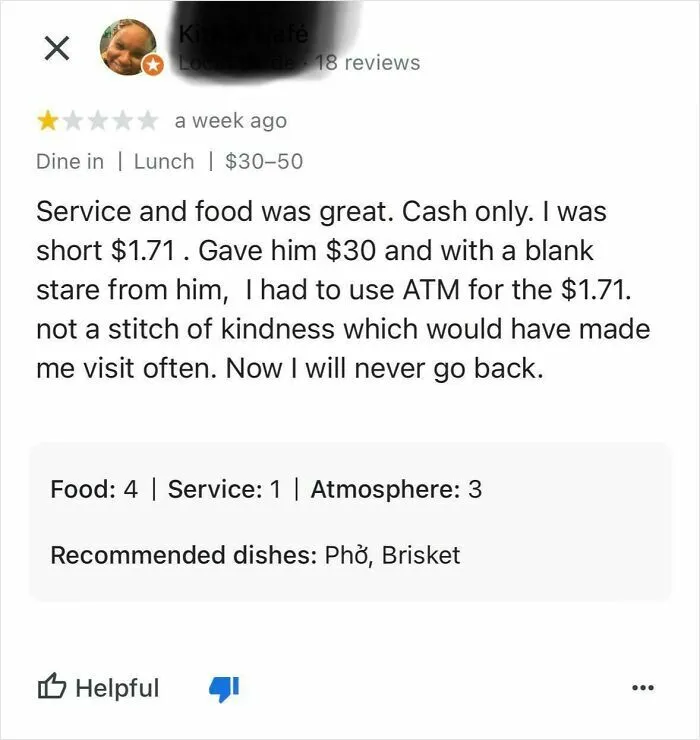
#3 Waaahhh I Didn’t Get A Less Than $2 Discount At An Already Fairly Priced Diner
Regina George from Mean Girls is a classic example of extreme entitlement. From her “Why are you so obsessed with me?” to “So, you agree? You think you’re really pretty?” she ticks almost every box in the textbook. And while some of her dialogues are pretty iconic, there’s no denying how obnoxious she is.
Actually, she pretty much crosses the threshold from entitled to a narcissist. After all, she can charm people even while doing horrid things. But then, that’s just a manipulative tool that these people are really good at using.

According to experts at Verywell Mind, a person with a sense of entitlement has a self-absorbed view of the world and little regard for or empathy about their impact on others. “In its extreme form, a sense of entitlement may be part of a personality disorder (e.g., narcissistic personality disorder, antisocial personality disorder),” they add.
These people also feel they deserve special treatment, make incredibly high demands, and expect others to do things for them. They also prioritize their own needs over others, act melodramatically when someone doesn’t give in to their demands, and lack gratitude. Moreover, they need constant praise and often display a victim mentality. But some of them might secretly struggle with insecurity.

Many factors can trigger this sense in people. Entitlement is a characteristic of narcissism, and it can be caused by how a person was raised. If adults gave them special treatment, solved their problems, or shielded them from consequences, this can also have an impact. Societal and cultural factors may also play a role. Lastly, if a person was denied things in the past, they may believe the world “owes” them for past suffering.
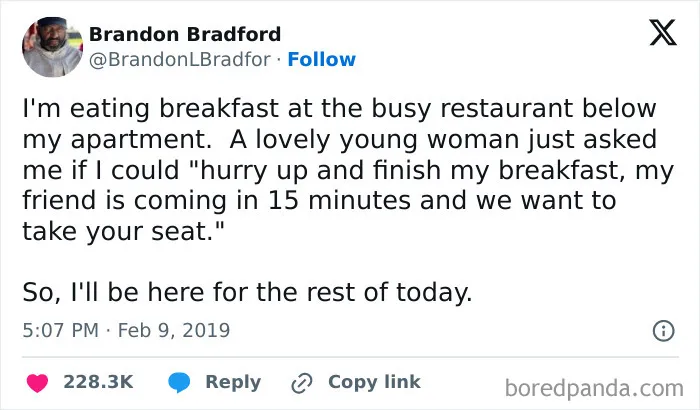
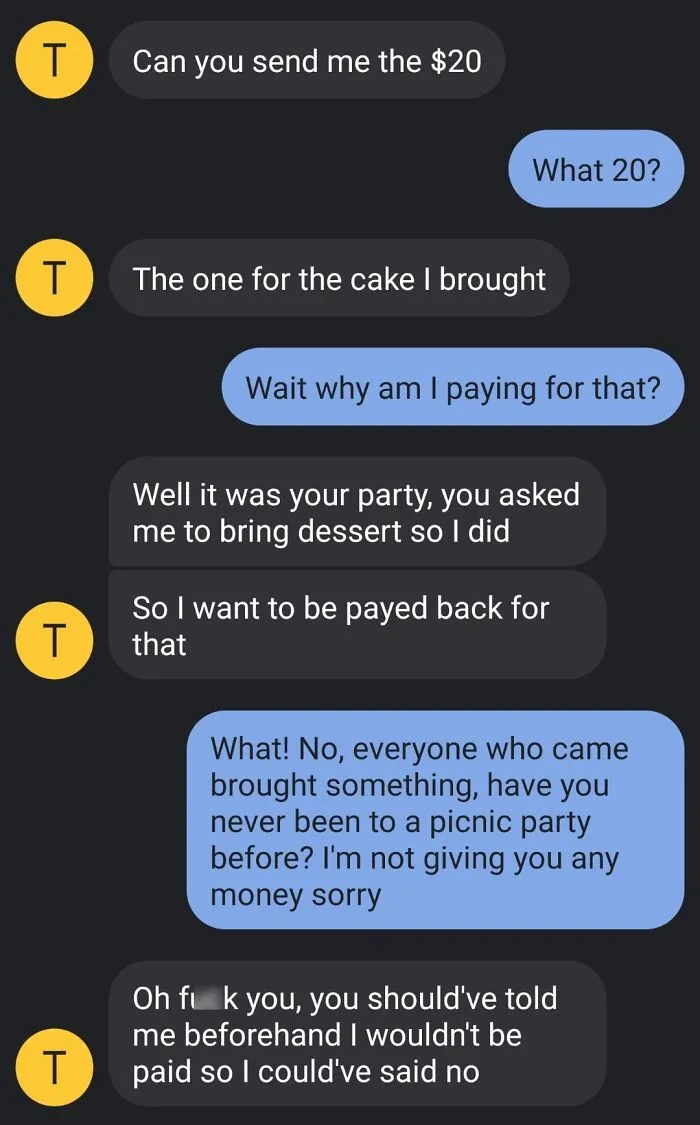
#10 Entitled Family Member Wants To Be Paid For A Dessert They Brought To A Family Gathering
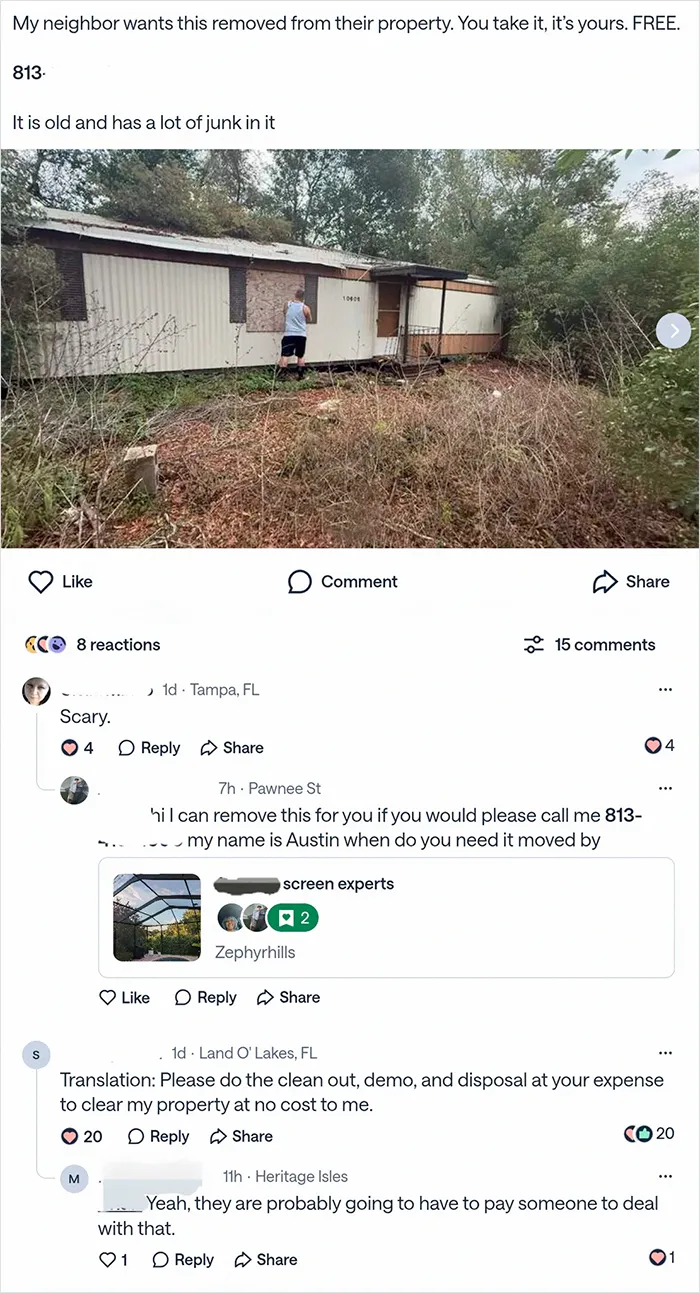
Research also points out that feeling entitled to something and the disappointment that follows when you don’t get what you want can reinforce entitled behavior. This typically follows a vicious 3-step cycle.
Entitled people are always vulnerable to the threat of unmet expectations. When their expectations aren’t met, it can lead to dissatisfaction and other emotions like anger and a sense of being cheated. When they’re distressed, they try to fix the situation by consoling themselves. This results in self-reassurance that they deserve everything they have ever wanted, which reinforces the same entitled behavior.
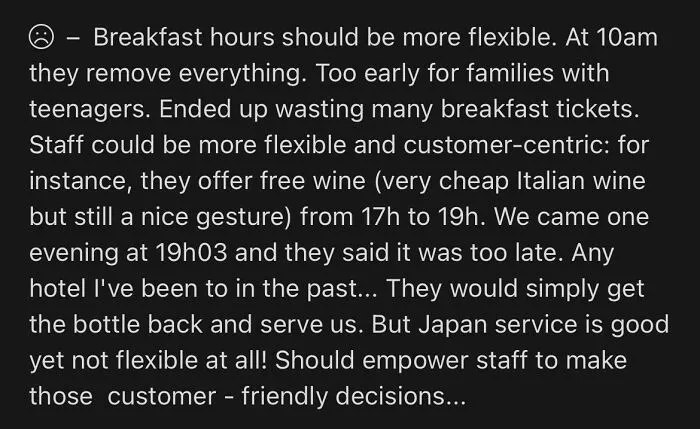
#14 Help Me Be Childish At A Children Event That I Paid For But I Can’t Pay You To Piss Of My Hoa
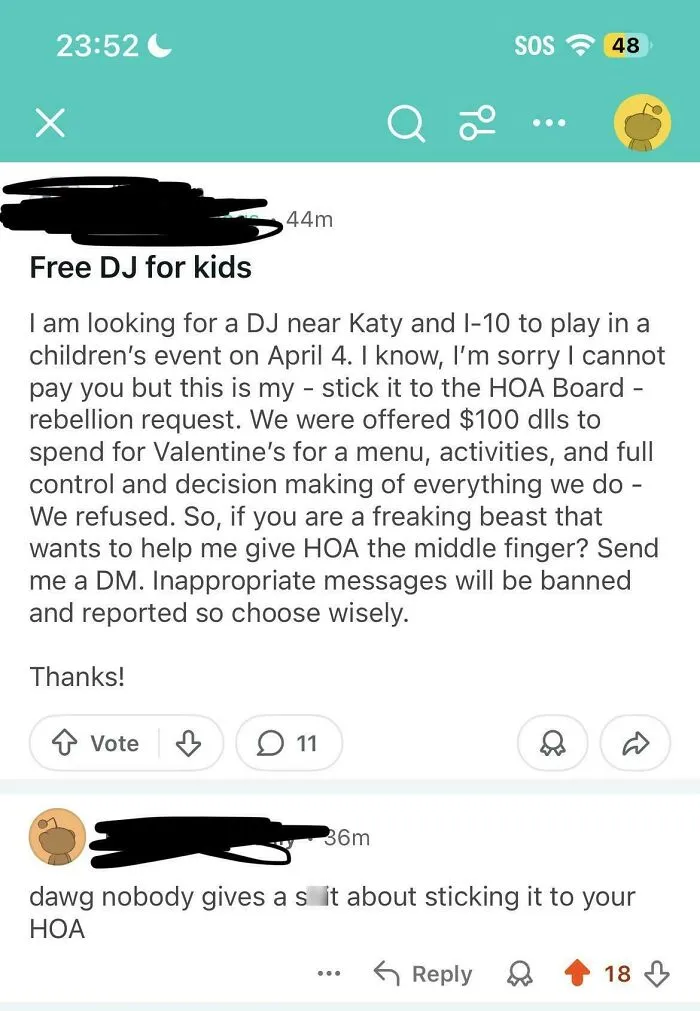
#15 Eb Vegan Jogger Demands Neighbours Stop Cooking Meat While Their Windows Are Open

When people have this pervasive sense of self-importance, it’s hardly surprising that it affects their interpersonal relationships. What they don’t realize is that their need for better treatment than others or their belief that rules don’t apply to them can cause them long-term suffering.
Research adds that they are more likely to feel unhappy, disappointed, or depressed. In fact, their career may suffer, too. While their confidence can help them land leadership roles, they are not team players. Most of their decisions are self-serving, which can become pretty evident to their coworkers.
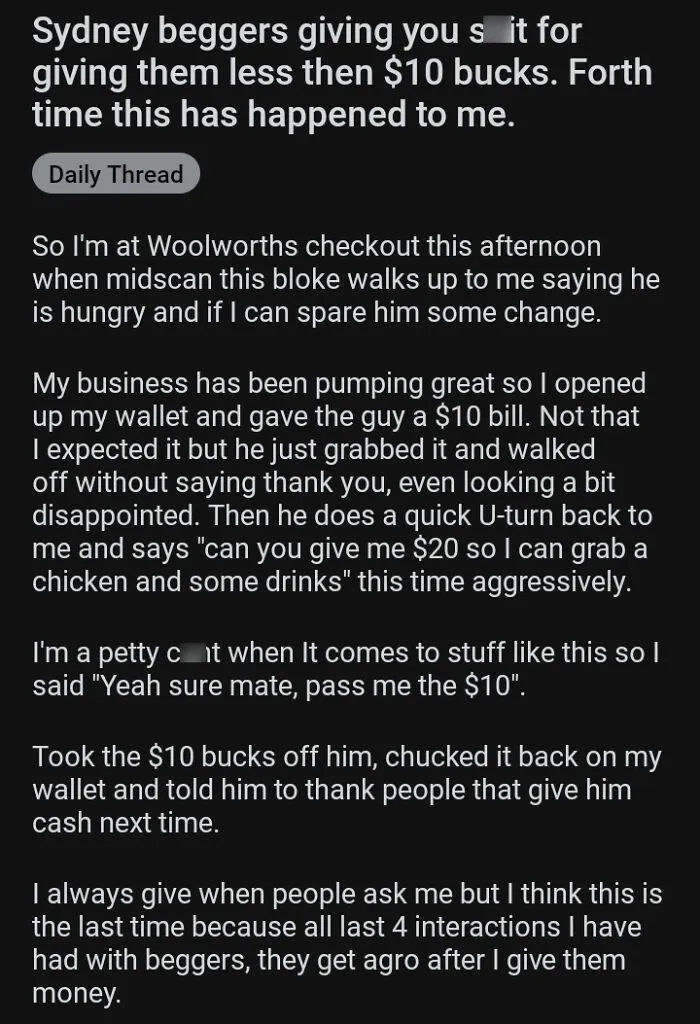
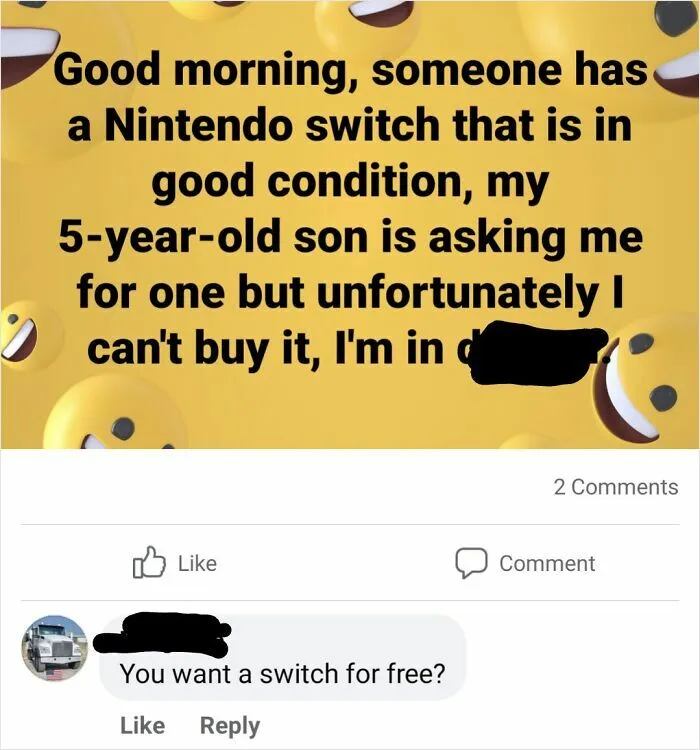
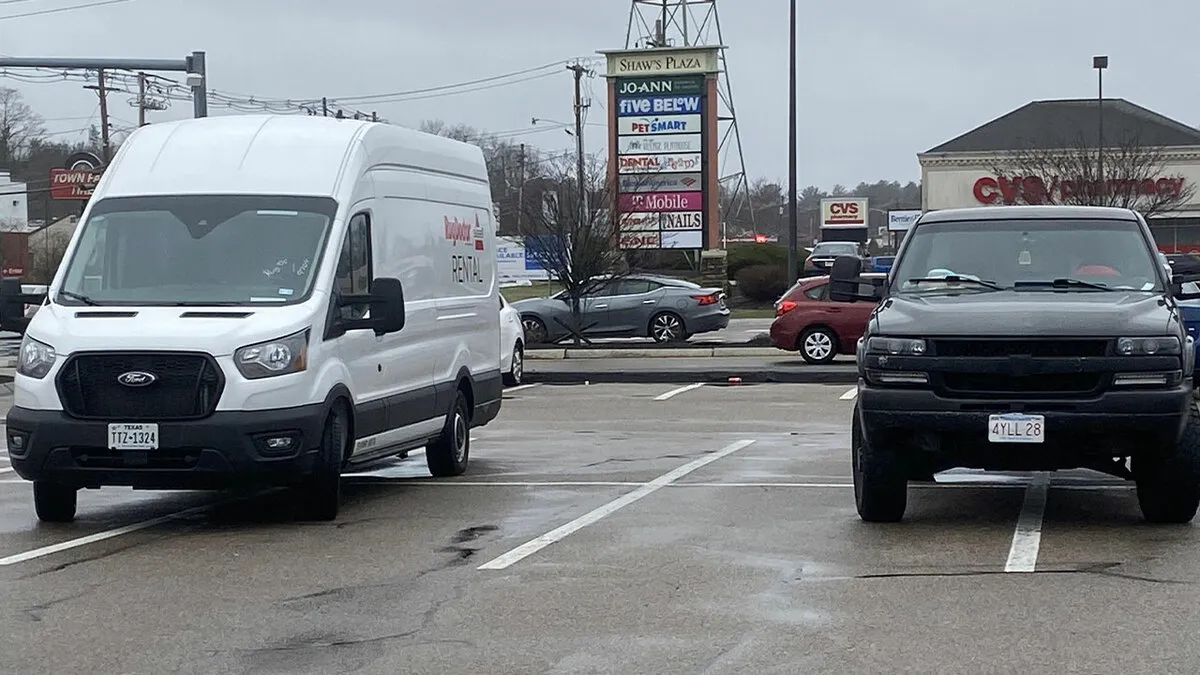
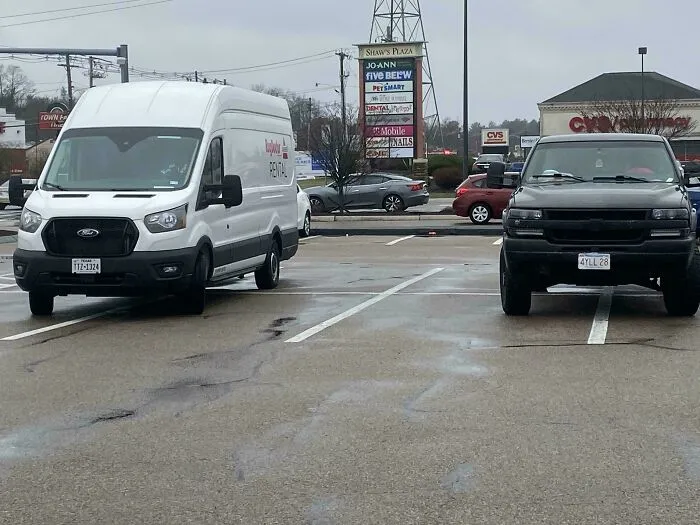
#18 Two Entitled Jerks Double Parking In A Desirable Section Of The Parking Lot
According to experts at The Society for Personality and Social Psychology, interacting with highly entitled people can lower your well-being because they’re more likely to create conflict, behave dishonestly, and act selfishly. They stress that it’s hard to change someone’s personality, and particularly difficult to make someone feel or act less entitled.
“But we can do things to avoid reinforcing someone’s sense of entitlement. For example, when entitled people make unwarranted demands, it might be better not to give in, because doing so may make them even more certain that their behavior is justified. And when saying “no” to these people, it may help to explain why your refusal is fair, because perceptions of unfairness are linked to even more entitled behavior in the future,” the experts add.