
Business psychology research shows this phrase has been weaponized to justify increasingly unreasonable demands, from clients expecting refunds after they've already received and used a service to people demanding custom work be completed in physically impossible timeframes. The original phrase was never meant to imply customers can demand a photographer show up to shoot an event they weren't hired for or that paying for a cake means the baker must also deliver it at midnight on a Tuesday to a location three states away.

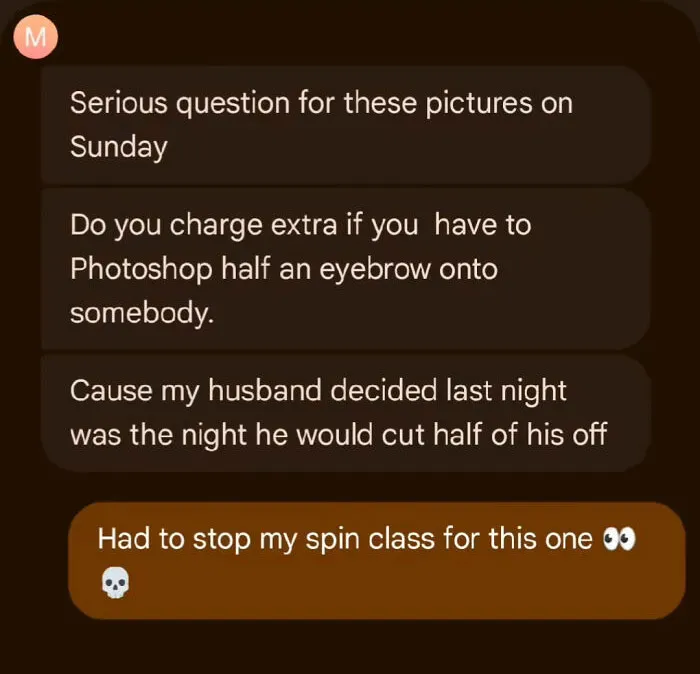

Economic research on consumer behavior reveals that budget clients often display the most entitled behavior, a phenomenon that contradicts logical assumptions. Studies indicate that clients paying premium prices typically respect boundaries and expertise more than those seeking bargains, possibly because budget clients feel they need to extract maximum value to justify their purchase while premium clients trust the expertise they're paying for.

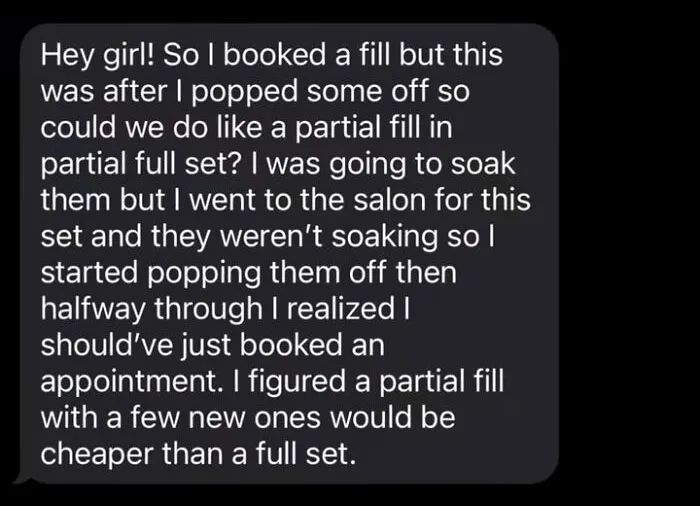

This explains why the client paying $50 for a logo will demand 47 revisions and complain constantly while the client paying $5000 typically approves designs quickly and says thank you. The rise of gig economy platforms has created what sociologists call "service worker devaluation," where the ease of hiring someone through an app psychologically reduces their perceived humanity and expertise. When you can book a photographer with three clicks on your phone, some part of your brain apparently decides they're basically an algorithm you can reprogram with increasingly deranged demands.

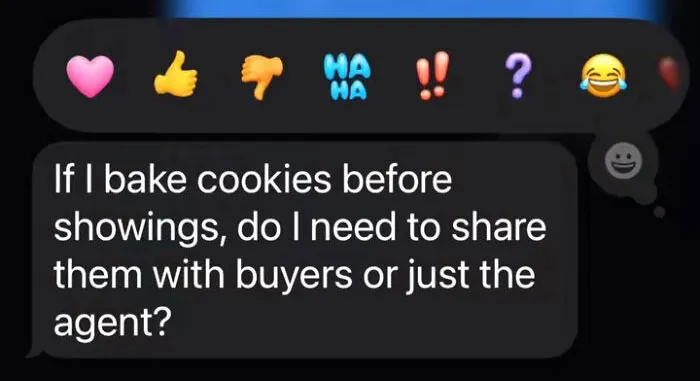

The specificity of contracts means nothing when a client has decided in their mind that payment equals unlimited servitude. Behavioral economics research indicates that people dramatically underestimate the labor and expertise required for creative and service work, leading to expectations that would be laughable if they weren't so common and depressing.