


This post may include affiliate links.
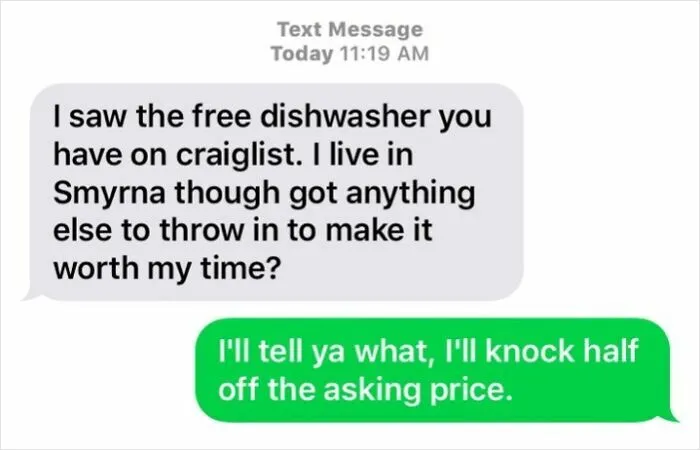
#1 I Was Giving Away A Free Dishwasher On Craigslist And Caught One In The Wild!
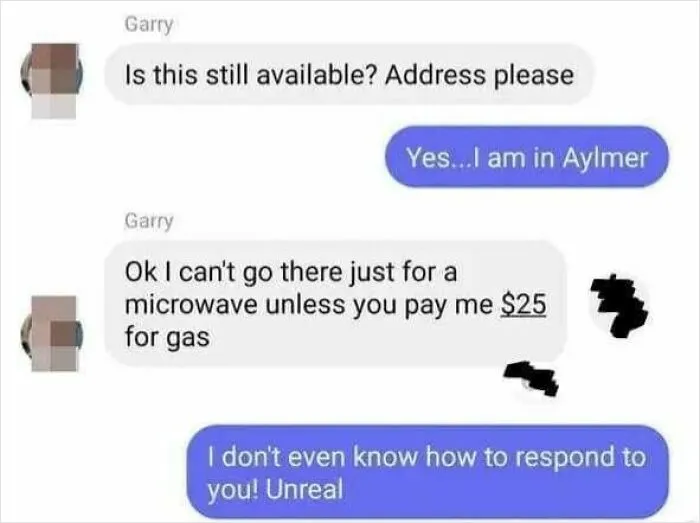
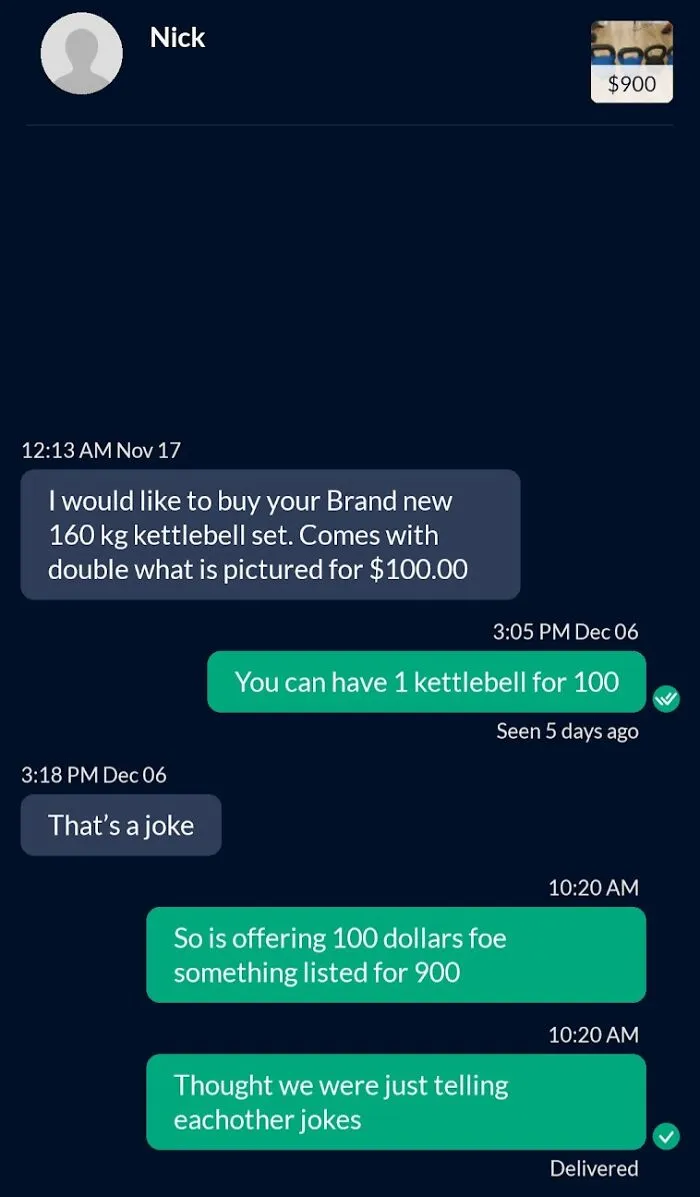
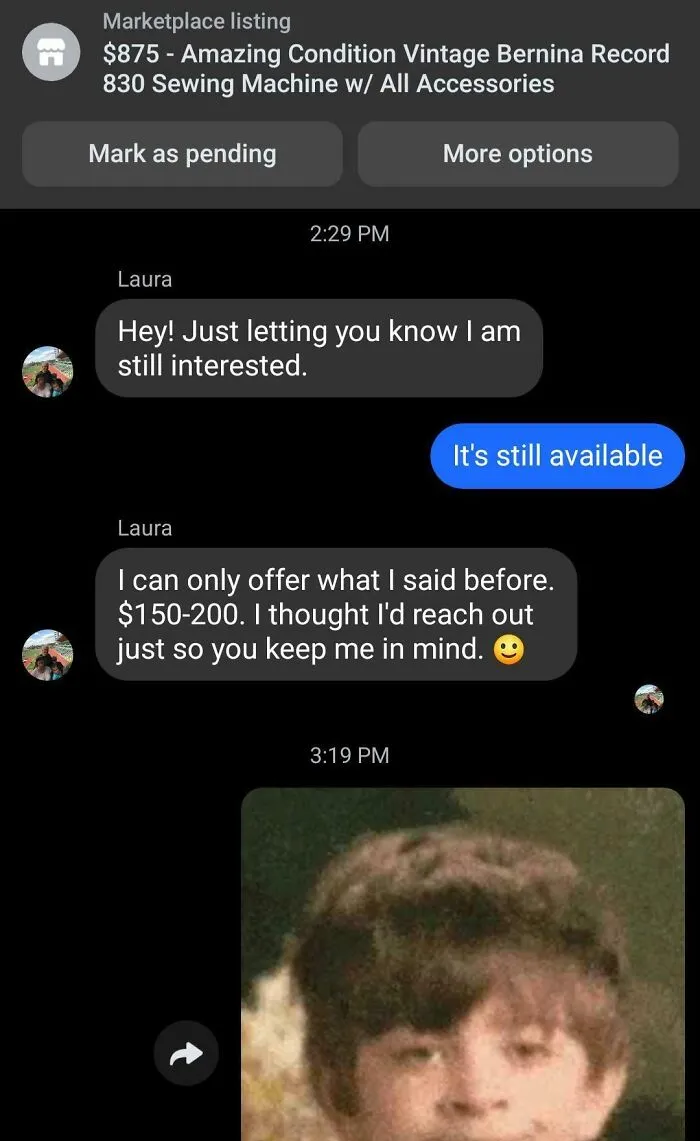
In today’s world, with the cost of rent, groceries, bills, and pretty much everything else climbing, it’s perfectly understandable that people are looking for ways to save money. Maybe you compare prices before shopping, hunt for discounts, use coupons, or wait for a sale before making a purchase. There’s absolutely nothing wrong with being careful about where your money goes. In fact, being financially responsible can make a huge difference over time. But there’s a pretty big difference between being frugal and being downright cheap. Saving money means making thoughtful choices with your own spending. Being cheap, on the other hand, can sometimes mean expecting everyone else to pick up the tab.
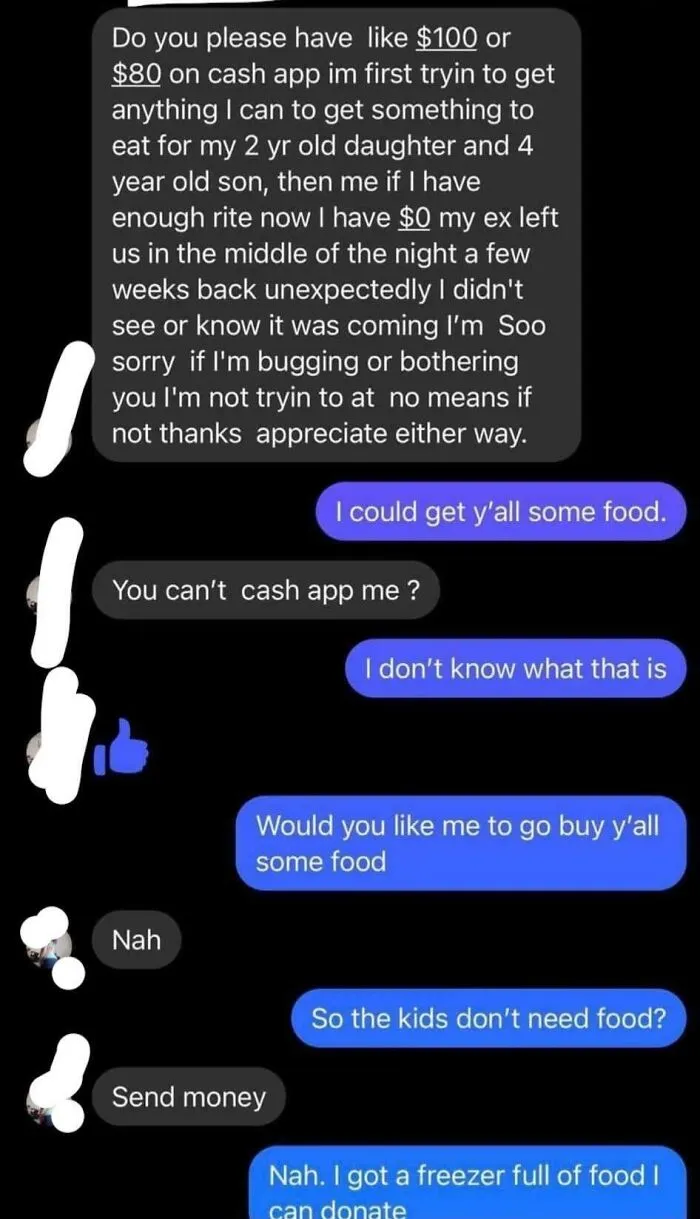
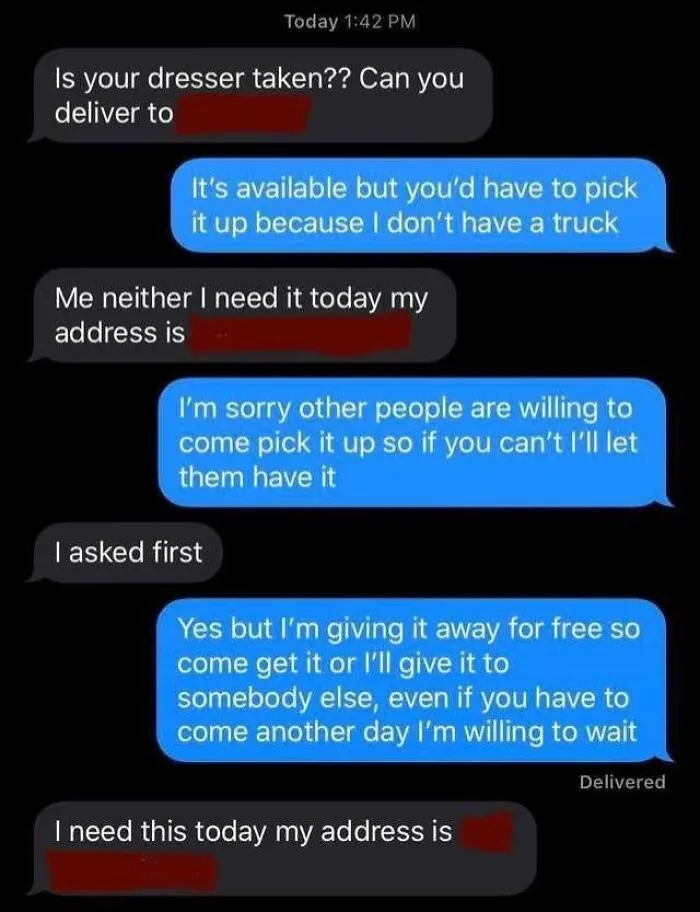

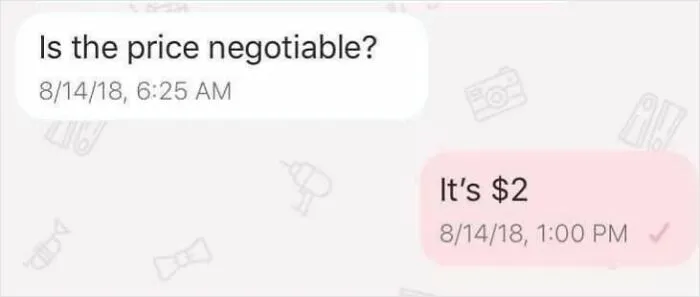
So, what exactly makes someone a cheapskate? Generally speaking, it’s someone who goes out of their way to avoid paying their fair share, even when they can afford to contribute. The problem is that their attempts to save money often end up costing someone else instead. As Yahoo Finance explains, being cheap is generally viewed negatively, while being frugal is about making smart and intentional financial decisions. A frugal person might skip an unnecessary purchase because they have a bigger goal in mind. A cheapskate might conveniently “forget” their wallet when the restaurant bill arrives. See the difference?

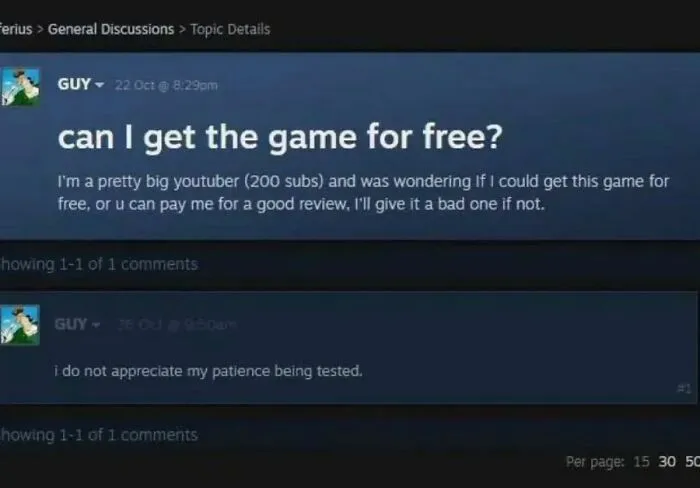
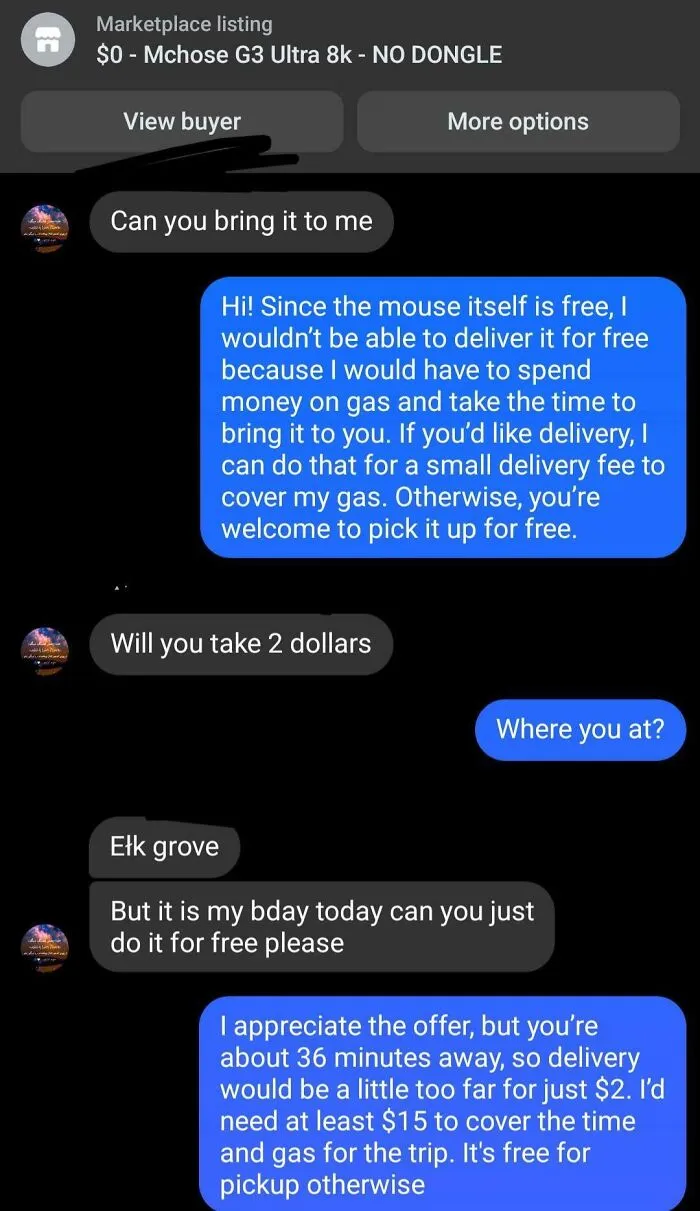
#9 Free Game, Fast Attitude
Etiquette expert and keynote speaker Thomas Farley, known as Mister Manners, put it rather neatly in a piece for CNBC. “A cheapskate is someone who is simply not paying their fair share,” he explained, pointing out that even a billionaire can be a cheapskate. According to Farley, the issue isn't necessarily how much money someone has sitting in the bank. It’s about deliberately choosing not to spend it when doing so leaves other people to cover the difference. In other words, being wealthy doesn't automatically make someone generous, and being on a budget doesn't make someone cheap. Sometimes, it all comes down to whether you're being considerate of the people around you.
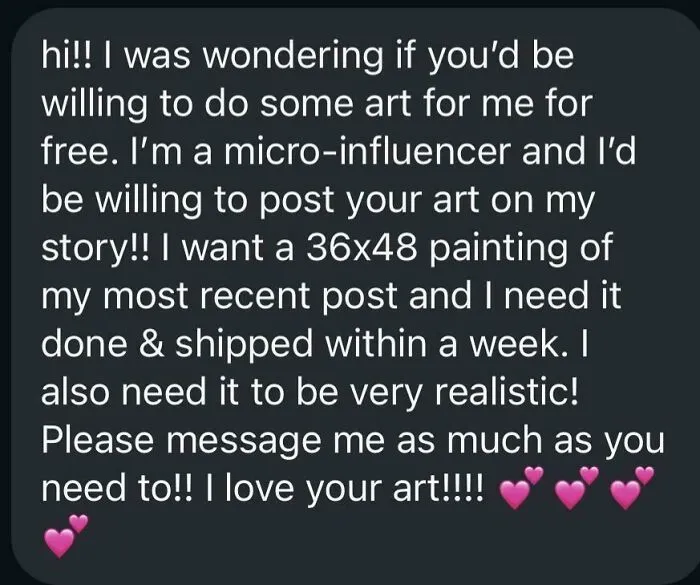
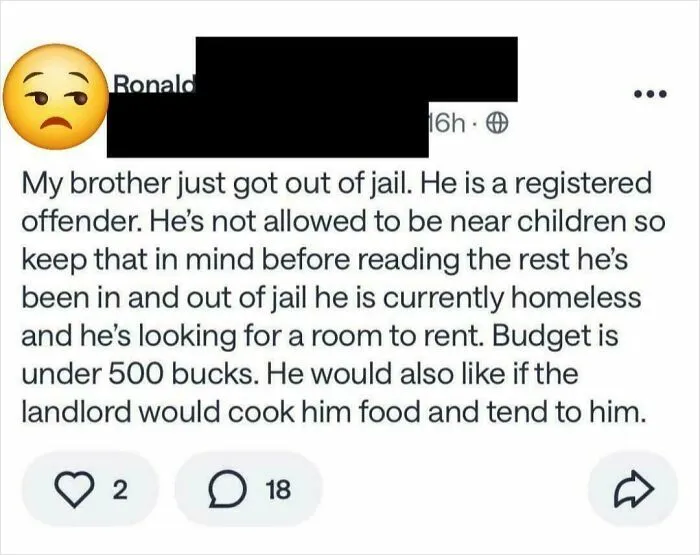
And here’s the thing: being frugal doesn't have to mean living a miserable life or refusing to spend money on anything fun. Amy Dacyczyn, author of The Tightwad Gazette, famously approached thrift from a completely different angle. The publication began in 1990 as a small black-and-white newsletter written from her farmhouse in Maine. Dacyczyn, who became known as the “Frugal Zealot,” wanted to show that families could live comfortably on a modest income while still reaching major financial goals, including buying a home and raising six children. The newsletter eventually attracted a huge following and was compiled into a book in 1998, becoming something of a bible for extreme thrifting and creative money-saving.
#13 Bride In One Of My Local Wedding Groups Looking For Vendors To Join An "Unpaid Collaboration"


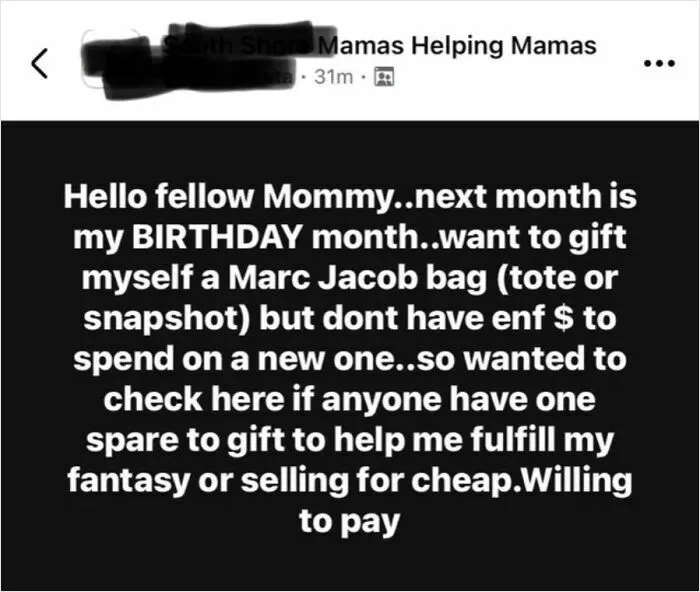
#15 Birthday Month, Champagne Taste
For Dacyczyn, frugality wasn't about constantly telling yourself “no” or feeling guilty every time you spent money. Instead, she treated it almost like a puzzle: How can you solve a problem without immediately throwing money at it? Her philosophy encouraged people to replace spending with creativity, time, effort, and a little resourcefulness. Leftover food could become tomorrow's lunch, an old item could be repaired instead of replaced, and an ordinary errand could be planned more efficiently. In that sense, being frugal can actually be surprisingly empowering. You're not simply avoiding spending; you're finding smarter ways to get what you need without unnecessarily reaching for your wallet.
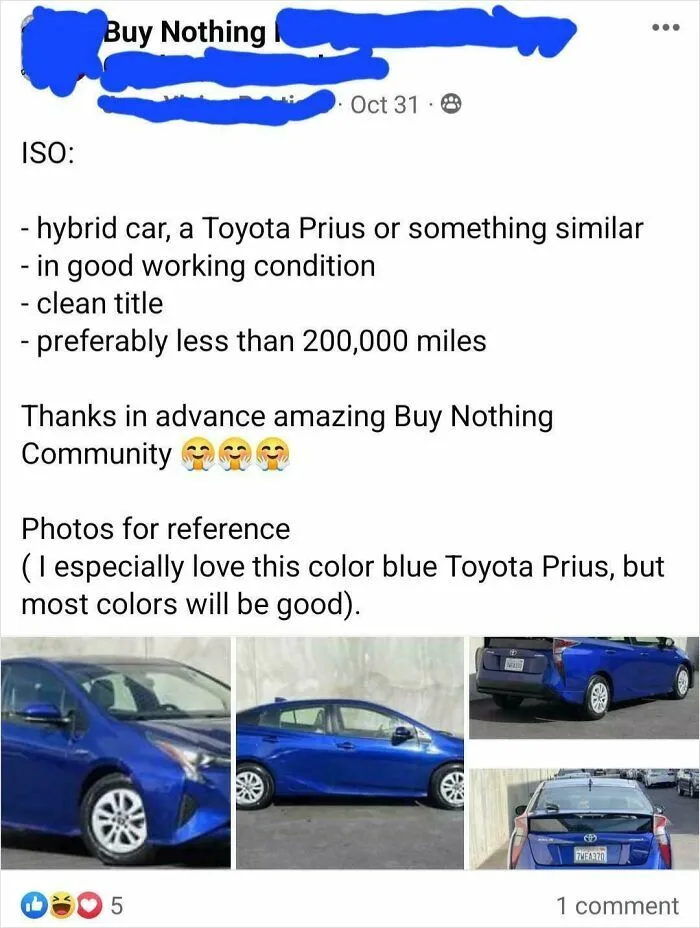
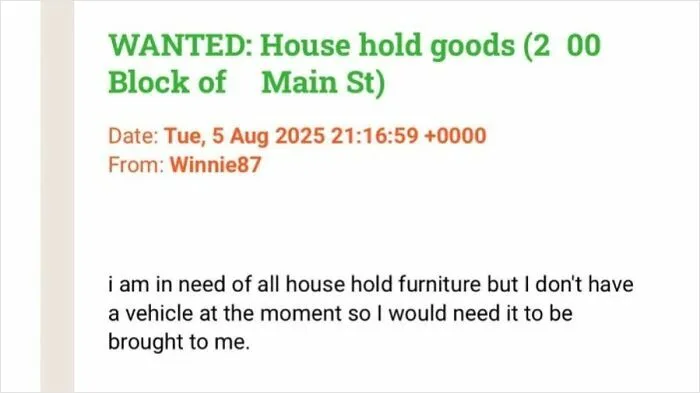
#17 Furnish My House & Deliver
And sometimes, it's the tiny everyday habits that make the biggest difference. Canceling a streaming service you barely watch, turning the heating down by a degree or two, washing clothes in cold water, hanging them outside to dry, or unplugging appliances you're not using might not feel like major financial victories. Neither does repairing something instead of immediately buying a replacement. But when those little decisions become habits, they can add up over months and years. The same goes for planning meals, bringing lunch from home, buying secondhand, or simply waiting a day before making an impulse purchase. None of these choices will magically make you rich, but together they can leave noticeably more money in your pocket.