


If you’ve grown up with one or more siblings, you must be aware of the daily nuisances: them stealing your charger, “borrowing” your clothes and returning them stained, or finishing your snacks without even asking. But as people grow up, those small habits can turn into dangerous entitlement… as shown in the story below, shared online by a disgruntled brother.
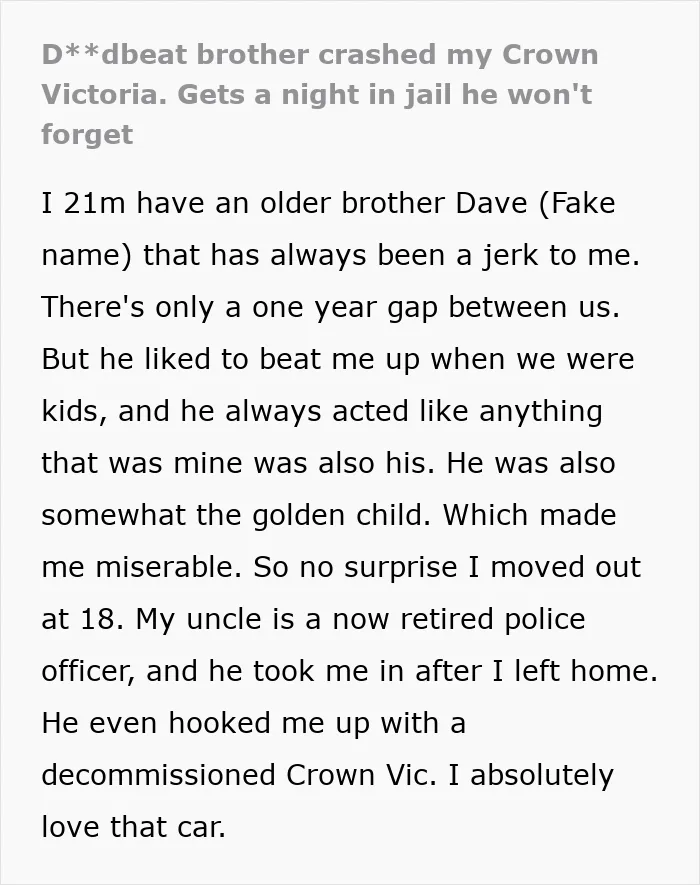
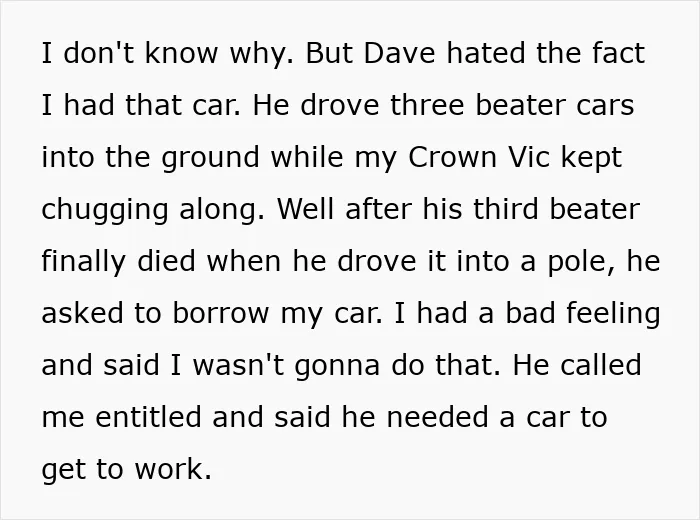
The 21-year-old said he refused to lend his prized car to his older sibling, who had already wrecked three of his own vehicles. But the brother stole the car anyway.
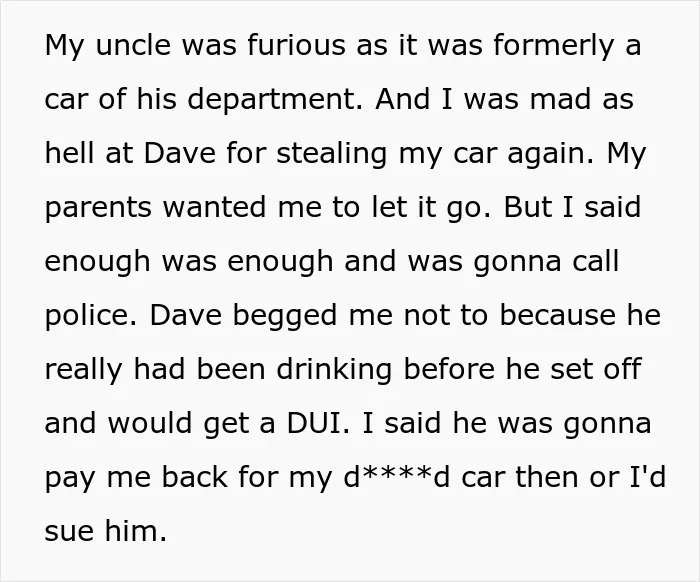
By Christmas Day, the car ended up nose-deep in a frozen ditch, and the brother was found in handcuffs.
Read the full story to find out how one family’s holiday unraveled.
A 21-year-old said he refused to lend his prized car to his older brother

But the brother stole the car using a set of duplicate keys

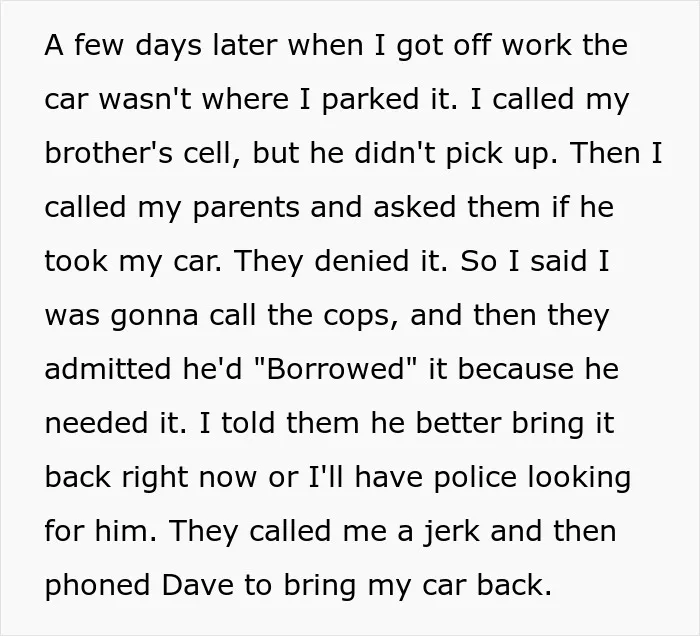





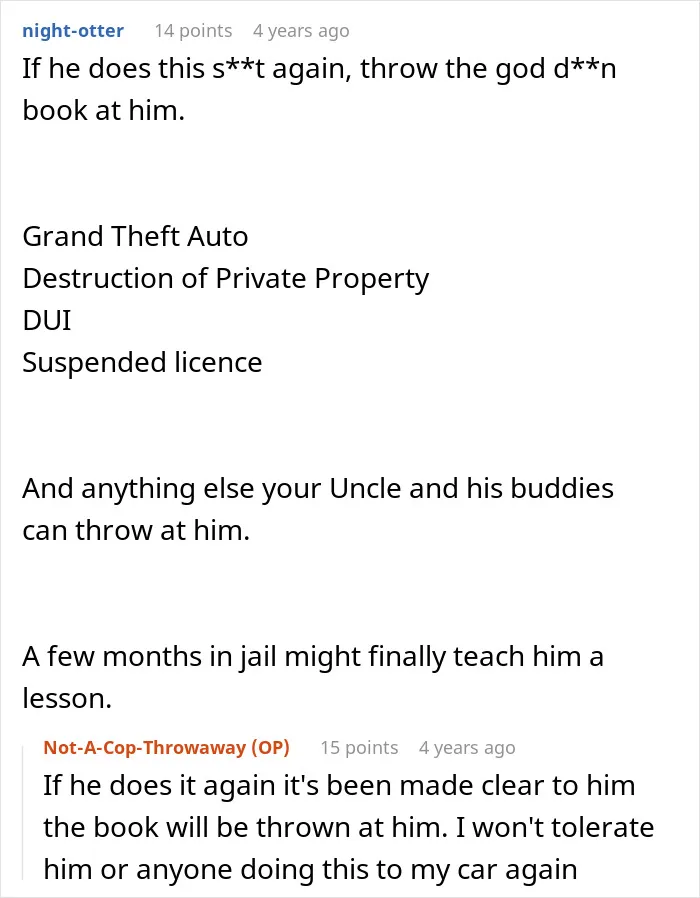
Soon, cops reached the scene and took matters into their own hands


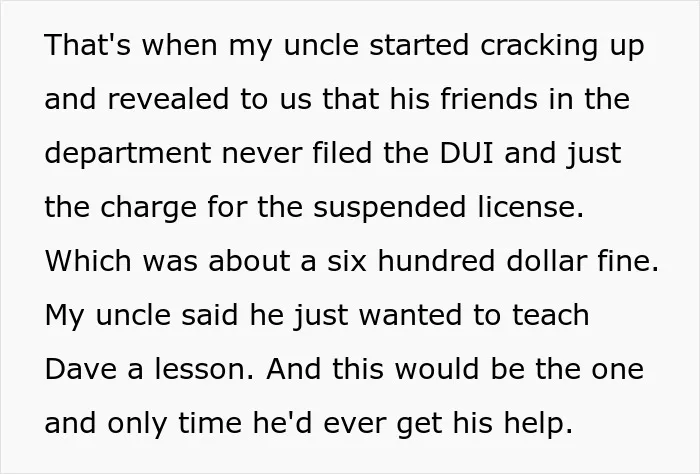

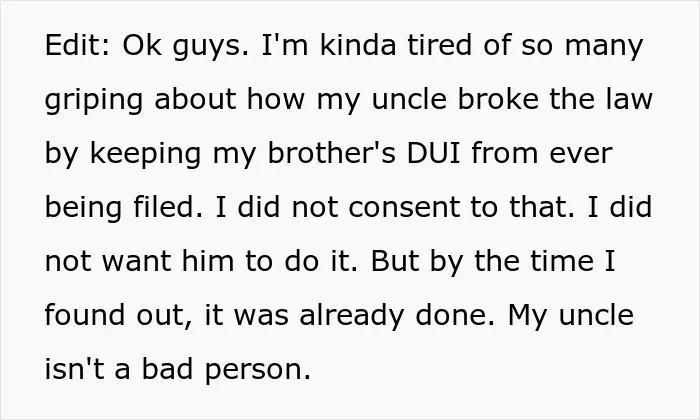

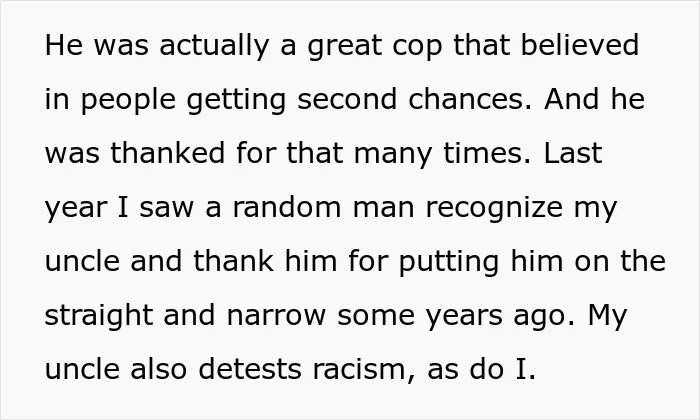
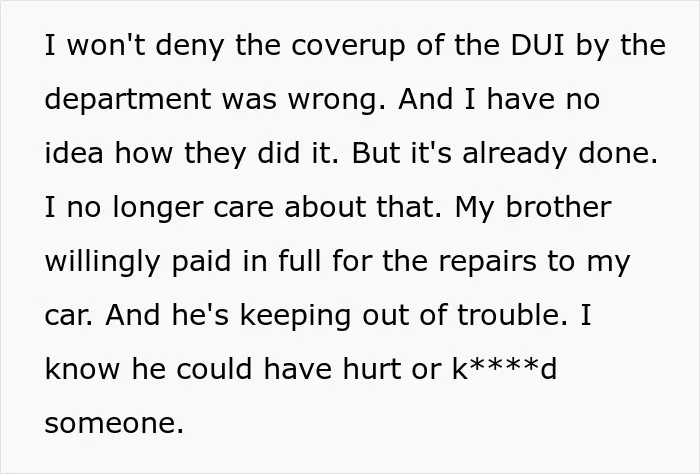

Understanding parental favoritism and its lifelong impact on siblings
Most parents will rarely admit it out loud, but a surprising number have a “hidden favorite” in the family. Research shows that most parents show some level of preference, even if it is completely unintentional. This often depends on factors like a child’s temperament, birth order, behavior, or simply how easy they are to parent.
According to a study published in Frontiers in Psychology, the dynamic — known as parental differential treatment — was found in around 65% of the families studied. Researchers have identified it across many different cultures.
Favoritism is rarely black and white — it almost always comes down to personal perspective. One child might grow up feeling completely overlooked, while their sibling has no idea that anything was ever unfair. When a parent routinely gives one kid more praise, affection, or freedom while letting rules slide, it sets a pattern. Yet, parents and siblings often look back on those same years and see two completely different stories.
That disconnect explains why an adult might vent online about an “entitled” brother, while the brother is just acting out the only role he’s ever known.
These differing views carry real weight. Research shows that when kids feel a parent plays favorites, sibling friction can turn into deep-seated hostility. It can spark arguments and leave a trail of resentment that ruins their relationship well into adulthood.
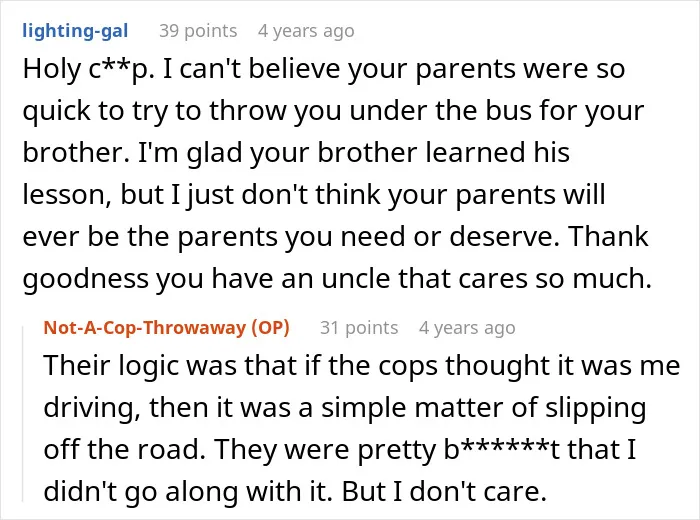
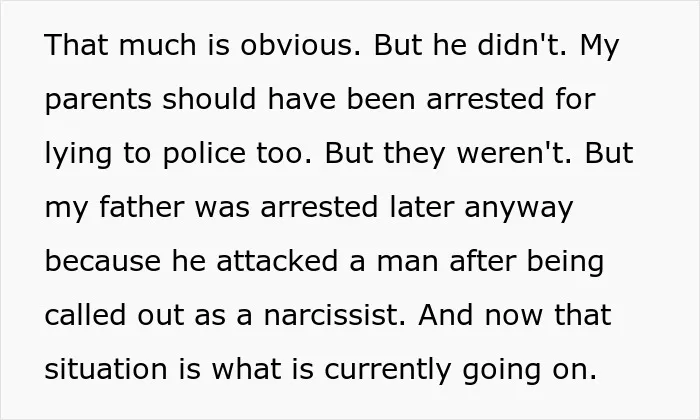
In extreme cases, this dynamic evolves into severe enabling. For example, parents go as far as lying to the police to protect their favorite child from real consequences.
Less favored siblings are also more likely to have poorer mental health, worse family relationships, and less academic success than their siblings in childhood.
“They feel diminished and unfairly treated compared to the favorite child who feels more highly valued and specially deserving. From being less favored a sense of injury can be sustained; from being favored a sense of entitlement can develop,” says Dr. Carl Pickhardt, a psychologist in Texas.
Being the favorite child isn’t easy, either. While it seems like a great position to be in, it can actually cause serious emotional pain later in life. Research shows that favored children often deal with higher rates of depression as adults.
“We believe that this is because being a mother’s favorite child creates conflict in their favoured children's relationships with their siblings. We have found that that this tension with siblings in adulthood is consequential for psychological well-being,” says Megan Gilligan, an associate professor of human development and family science at the University of Missouri.
The pressure doesn’t end there, either. As parents grow older and need extra support, they almost always expect their favorite child to step up and take care of them. This creates a heavy, unfair burden that the “golden child” is forced to carry alone.
The power of roles and relational entitlement
Relational entitlement is the belief that a person is inherently owed care, support, or attention from someone else.
In close relationships, especially between siblings, these patterns can become so normalized that they no longer feel like unreasonable demands. For example, a sibling might assume their brother or sister will always lend them stuff, even if they are careless and irresponsible.
On the other side of this dynamic, the sibling who consistently takes on “the responsible one” role faces a heavy emotional toll. Research shows that these people are much more likely to report emotional exhaustion, even if they never openly express their frustration.
Luckily, family roles are not set in stone. Because labels like “the responsible one” or “the entitled one” are learned over time through repeated habits, they can also be unlearned. Research indicates that when families recognize these unfair patterns and adjust how they share tasks and support, sibling conflict and long-held resentment decrease over time.
Breaking away from a toxic family ecosystem often comes with a painful mix of guilt and relief. Yet establishing clear boundaries is often the only way to break the cycle of unfair expectations.
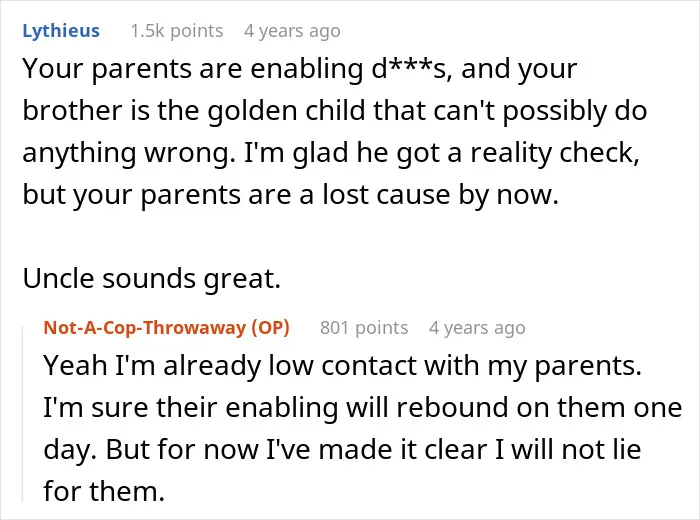
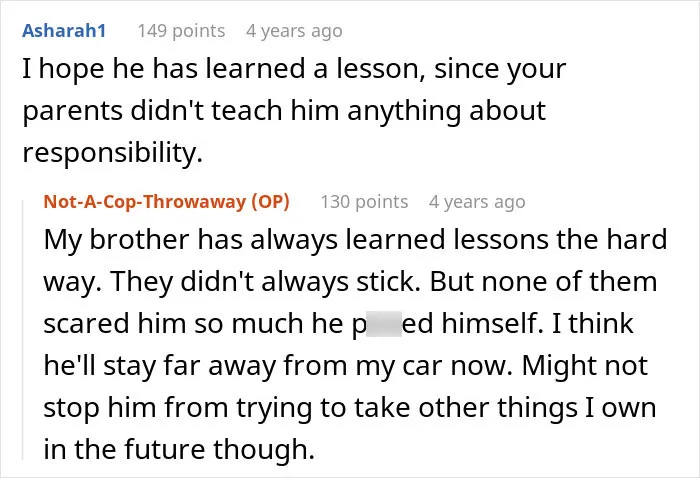
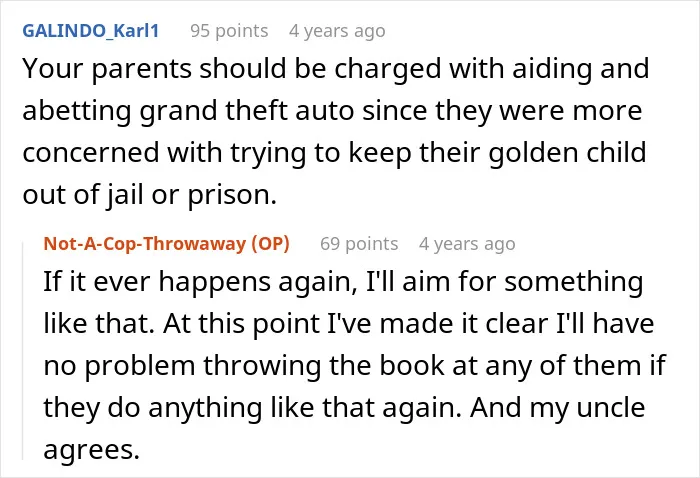
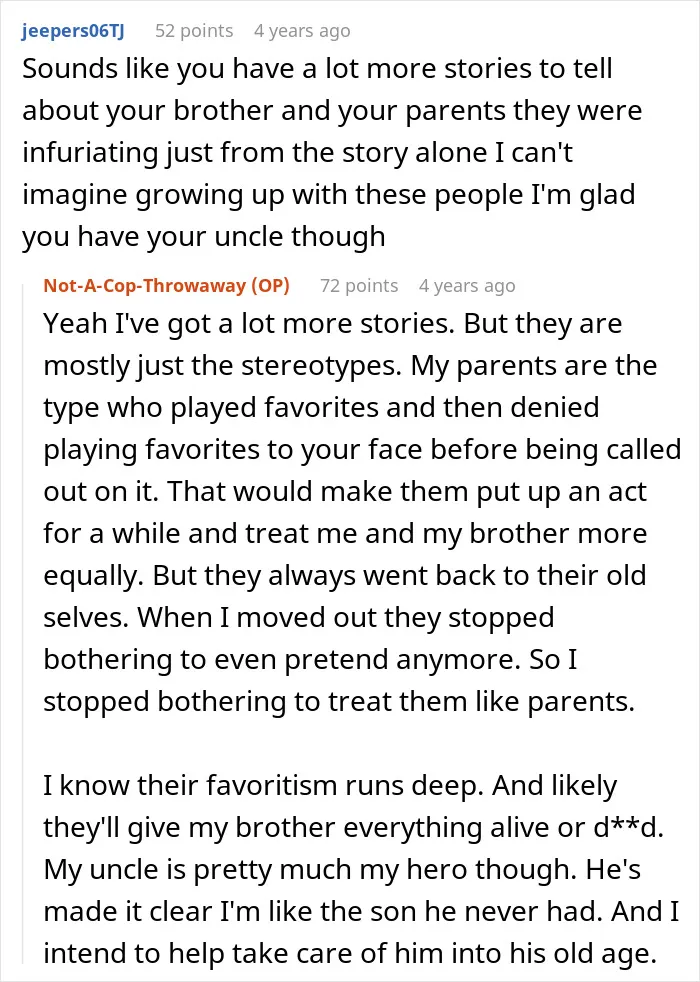
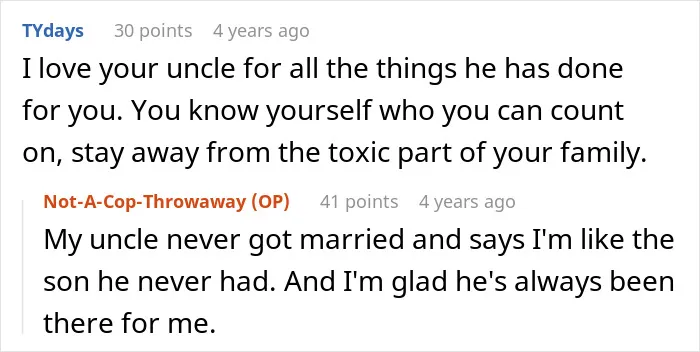
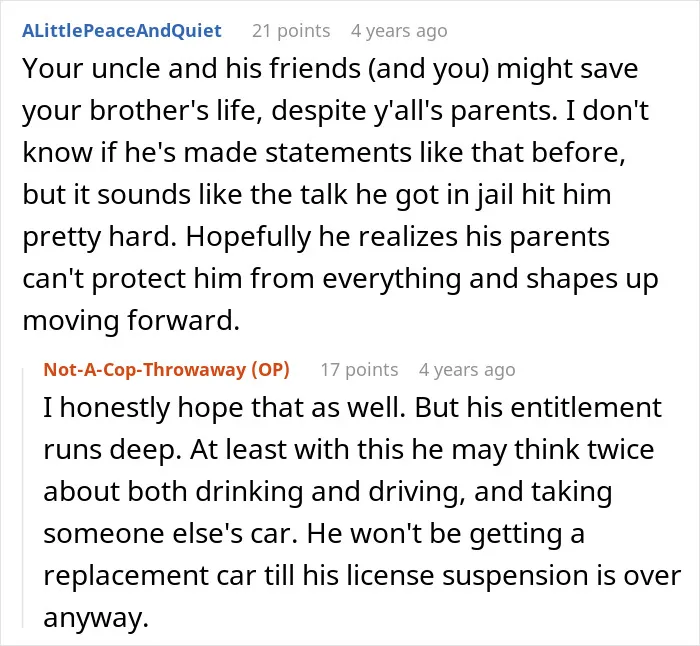
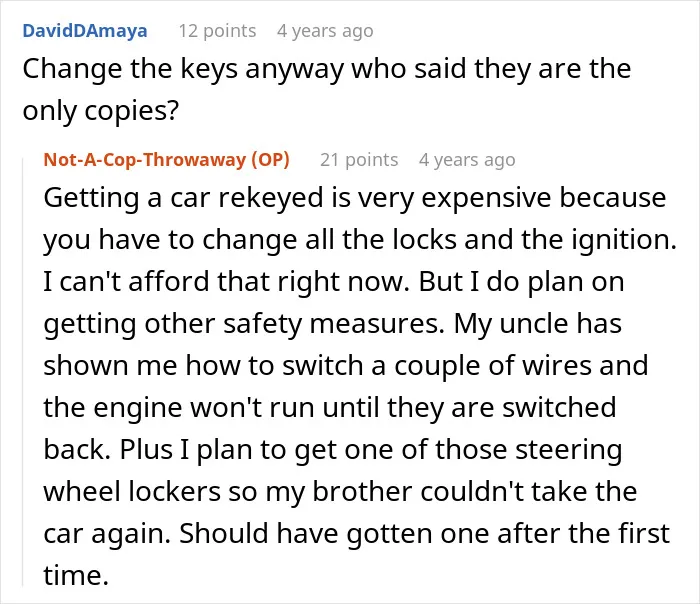
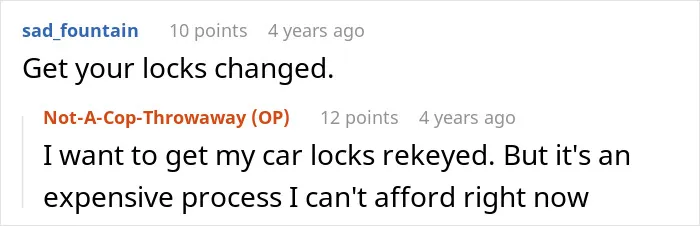
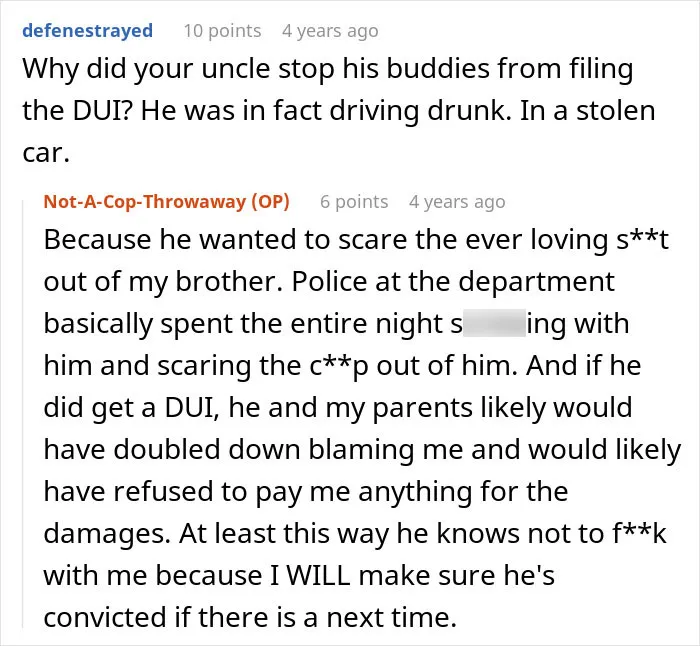
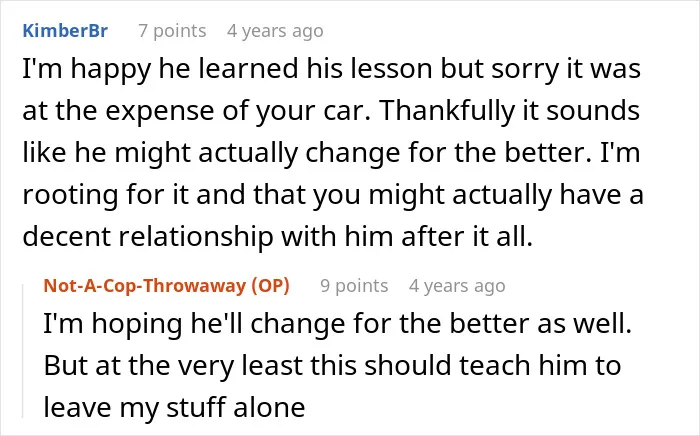
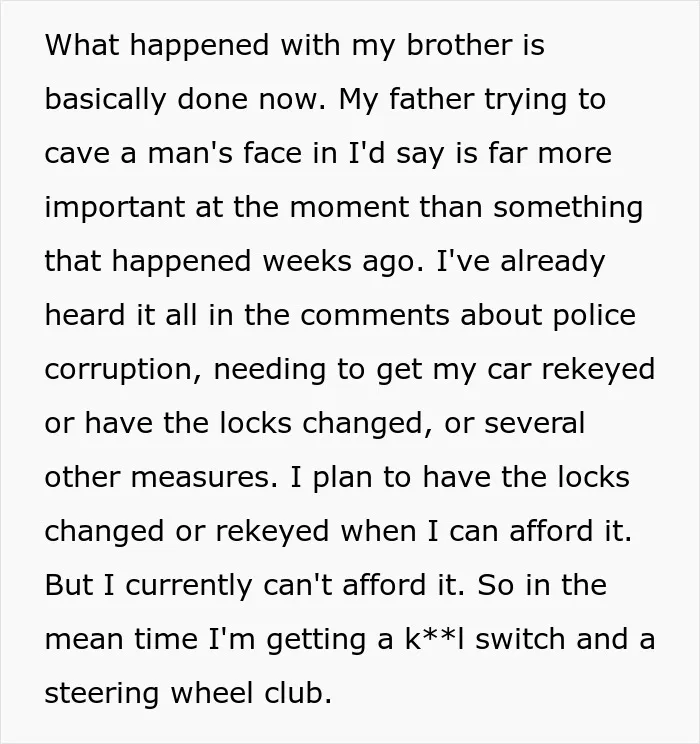
The man gave some more info in response to the comments