








Entitlement is a persistent belief that you deserve special treatment, extra perks, and zero consequences, regardless of actual effort. It is the classic “rules for thee, but not for me” mindset.
Understanding why people act like the world owes them requires looking at how their brains, upbringing, and environment shape them.
#5 Someone Threw Books From The Little Library Into The Water

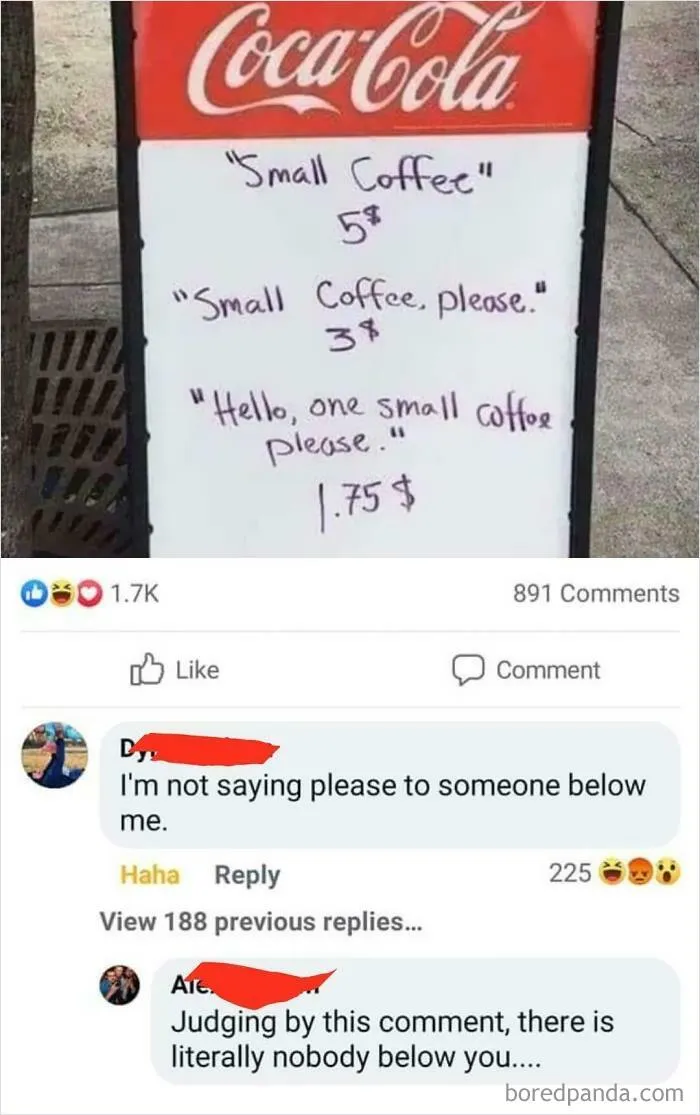
There is an agreement among many experts that entitlement often starts in childhood. When parents shield a kid from every minor failure, hand out trophies just for showing up, or instantly fix every uncomfortable situation, the brain learns a skewed lesson: My needs take priority over basic rules.
Without experiencing natural boundaries early on, kids grow into adults who genuinely believe standard social rules don’t apply to them.
“On the surface, it looks like love and protection. Underneath, it communicates a dangerous message: the world will bend for you, because you are special,” says Professor RJ Starr, a theorist in theoretical and integrative psychology.
“It’s the child whose tantrum in the toy aisle always results in a purchase, or the teenager whose late assignments are excused because their parents intervene with teachers.”
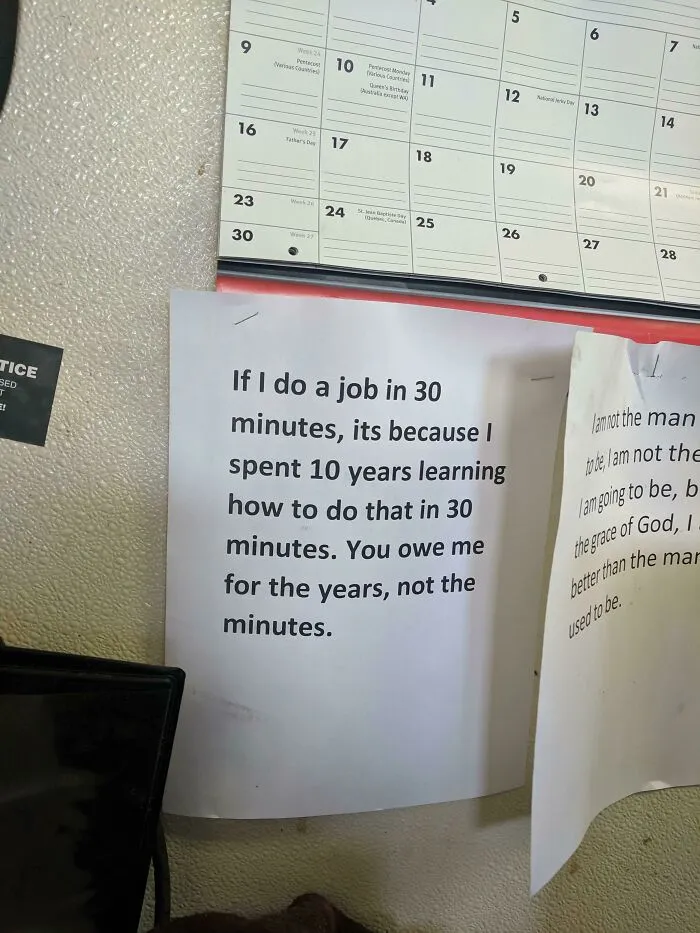
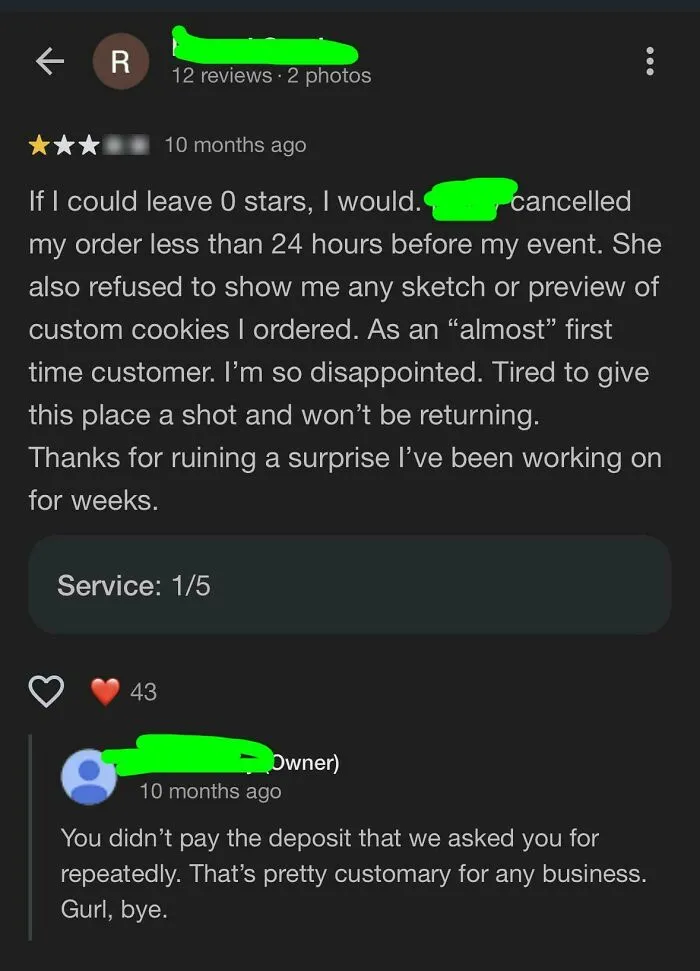
#9 Immediate Hire
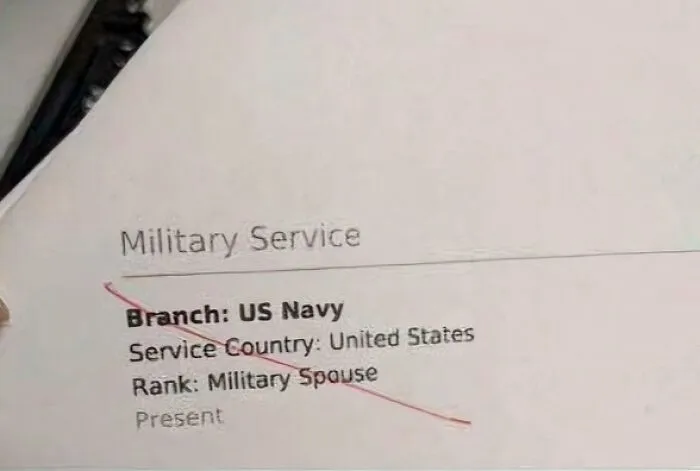
and this resume came in. "Military
Spouse". She's serious LMAO.
GTFOH.
Entitlement is easy to spot in other people, but almost nobody wants to admit they have it too.
You can see it in the person who cuts the line at the coffee shop, the coworker who takes credit for your work, or the friend who always asks for favors but disappears when you need a hand.
“We label these people as difficult, arrogant, or spoiled, but entitlement is more than just bad manners. It is a way of seeing the world that quietly assumes the rules apply differently to you,” says professor Starr.
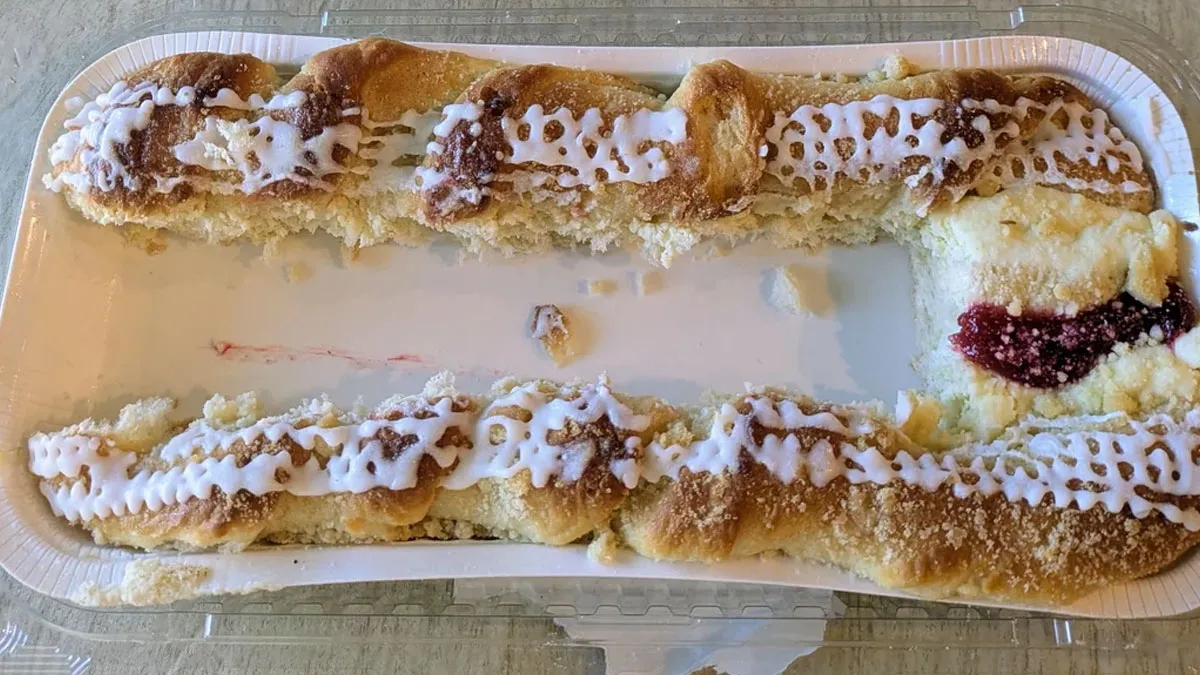
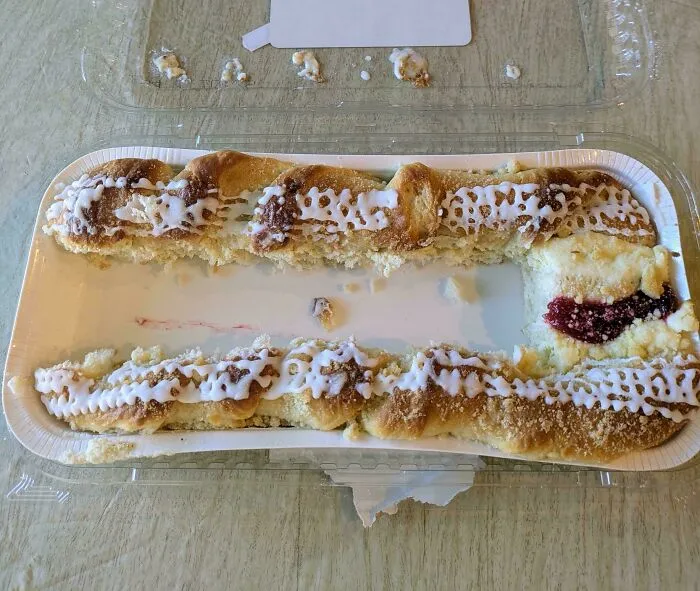
#10 My Wife Ate My Son's Birthday Breakfast

#12 A Wild Karen Changing Her Baby’s Diaper On Top Of An Old Navy Clothing Display. “Are You Taking A Picture Of Me???”

Paradoxically, entitlement isn’t always born from supreme confidence — it can actually be a shield. Acting selfishly might be their way to gain respect before anyone can uncover their insecurities.
A study published in the Journal of Personality Assessment found that people with a high sense of entitlement carry an intense vulnerability to ego threat.
When faced with this threat or lack of special recognition, highly entitled people react with disproportionate anger and hostility to protect their fragile self-view.
#13 Someone Had A Bonfire On A Public Beach And Threw Glass Bottles Into It, The Covered It With Sand



The ultimate irony of entitlement is that people use it to chase happiness, yet it guarantees their own misery. When you walk around expecting the world to bow down to you, life becomes a constant series of letdowns.
Research from Case Western Reserve University revealed that entitled individuals trap themselves in an endless cycle of psychological distress. After reviewing over 170 studies for the journal Psychological Bulletin, researchers mapped out the exact trap these folks fall into.
It starts with sky-high, unrealistic expectations. Because no one actually gets special treatment 24/7, these demands get crushed by reality. Instead of adjusting their mindset, entitled people view these normal setbacks as personal attacks, sparking deep anger and bitterness.
The research showed that to cope with that frustration, they double down on their own self-importance to soothe their hurt ego. That temporary ego boost makes them feel better for a second, but it only resets the trap for the next inevitable disappointment.
#16 How Entitled Do You Have To Be?



The endless loop of disappointment doesn’t just mess with someone’s head.
According to Dr. Julie Exline, a professor of psychological sciences at Case Western Reserve University, the fallout of entitlement leads to broken relationships, constant fights, and even deep depression.
When you constantly expect a VIP pass from life, you start treating everyone around you like an obstacle instead of an equal.
“So much of entitlement is about competition — being better or more deserving than other people. It really pits you against society, and it can be very isolating,” Dr. Exline explains.
Instead of building real connections, entitled people push friends and family away with their endless demands. They end up sitting alone on a pedestal of their own making, wondering why nobody wants to stick around.
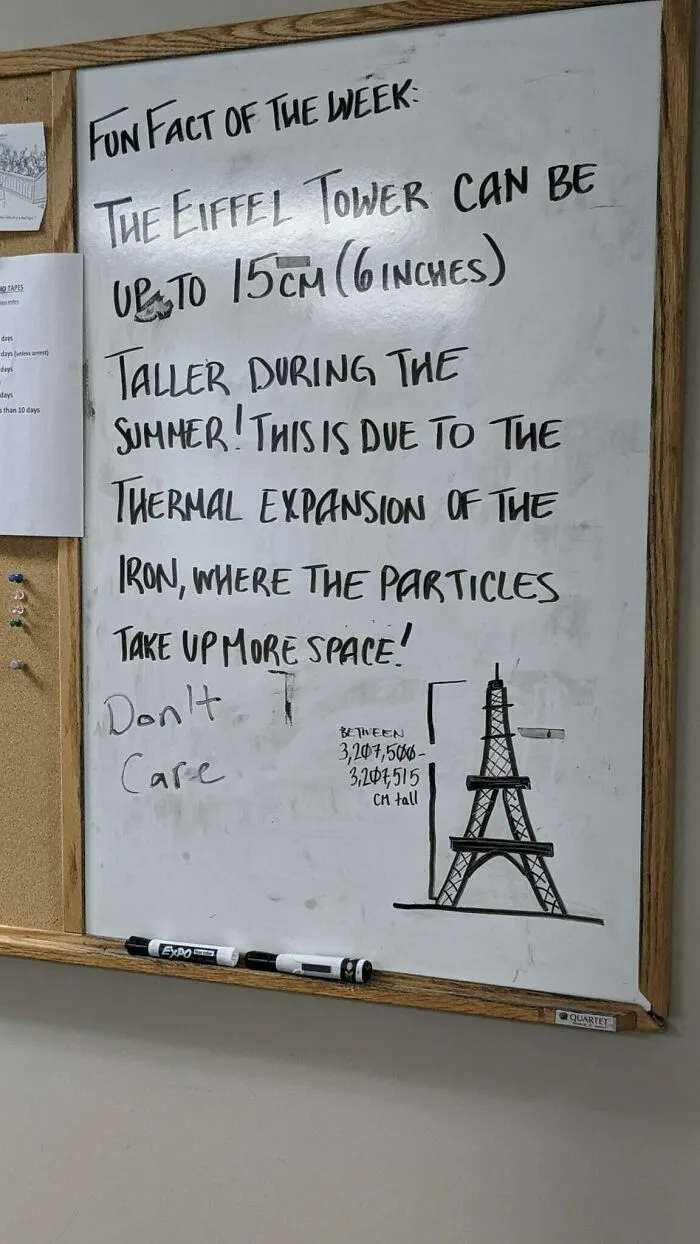
#20 I Have Been Writing A Fun Fact Every Week On An Unused Whiteboard At The Office. Someone Clearly Doesn't Like It
Breaking out of an entitlement trap is tough, but it isn’t impossible.
Research shows that actively practicing gratitude directly combats feelings of deprivation. Instead of fixating on what life owes them, focusing on what they already have reduces resentment.
Low empathy often drives entitled behavior. Experts suggest consciously practicing perspective-taking trains the brain to break out of single-minded self-interest.
“Conditioning yourself to think about other people and what they deserve — and also being willing to admit your own faults and weaknesses — can help you feel more connected to others. Being able to admit that, ‘Yes, I am special, but so is everybody else,’ may help you shift your mindset to one of gratitude, rather than one of entitlement,” says Dr. Exline.