

Carpooling is a great way to get to and from work. It’s friendlier to the environment, helps people get to work faster, and decreases traffic jams. Regardless, only about 8.5% of American workers carpool to work. Sometimes it can be unpleasant, and coworkers may be the culprits.
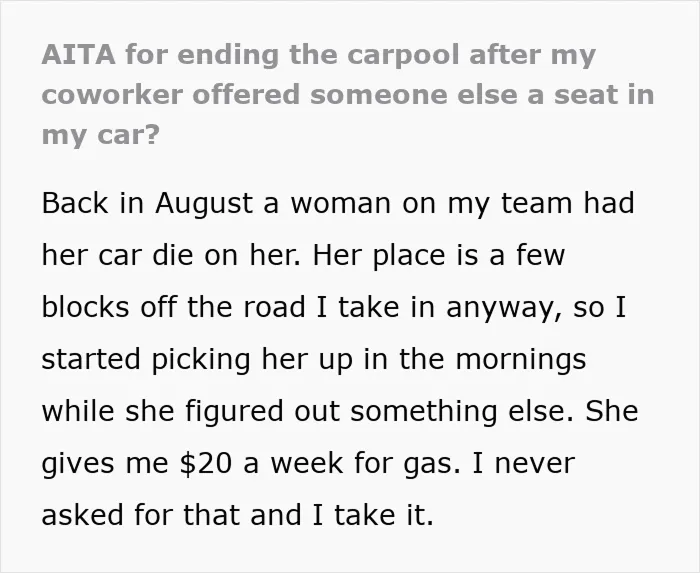
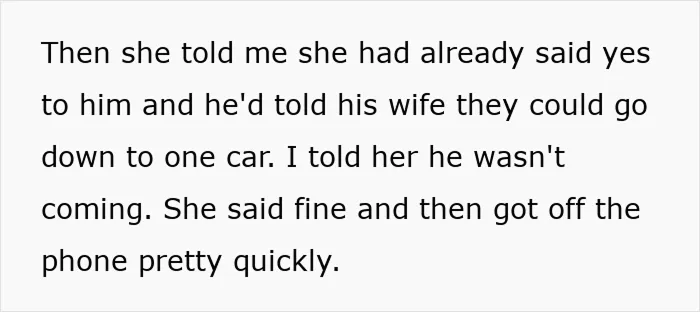
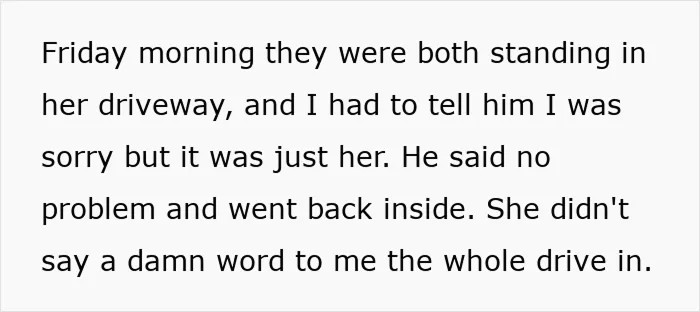
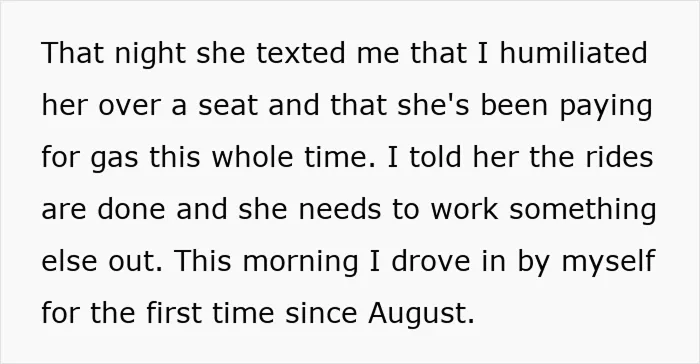
This person started offering to take their colleague to work after her car broke down. For a few weeks, everything was fine and dandy, but then the coworker started using the OP as a taxi: daycare drops, pharmacy runs, and even invitations to other coworkers to carpool. They never agreed to this, but later asked the internet whether they were the jerk in this situation.
A woman started carpooling with a coworker after her car broke down

But her entitlement showed its claws when she started treating the coworker like a taxi service


We’re psychologically wired to want to help people, that’s why it’s easy to take advantage of us
Many of us have probably dealt with, in the immortal words of Charlie Murphy, “habitual line-steppers” in the workplace. According to Forbes, 85% of Americans say their coworkers are annoying, but microwaving fish in a shared kitchen is a small thing compared to asking others to join the carpool without your knowledge.
The OP is right to be angry in this story. First of all, they were doing a favor for their colleague: her car recently broke down, and they volunteered to drive her to and from work every day. The $20 a week might’ve given her the idea that this was her way not only of repaying her coworker, but also of paying a fee for more favors.
In reality, a favor is something another person grants you: it’s not about being reimbursed or repaid with another favor later. However, many people find that hard to wrap their heads around. It’s hard to expect someone to help you for free, without expecting something back.
That’s the idea behind the norm of reciprocity. Our wish to even out the scales is part of social psychology; we feel we owe the other person something because they’ve done us a favor. Reciprocity doesn’t always have to come in the form of money. Some people expect friendship, approval, trust, or later support in return.
As Kendra Cherry, MSEd, writes for VeryWell Mind, reciprocity is vital to our species' survival. If people didn’t help each other, we probably would’ve been extinct by now. “By reciprocating, we ensure that other people receive help when they need it and that we receive assistance when we need it,” she explains.
However, relationships between people may cross the boundaries of reciprocity. Some might think relationships shouldn’t be about give-and-take—that makes them too transactional. But there is a line between taking advantage of someone and accepting their help while assuming they’re willing to help you more and more.
Some people might fall into the trap of favors, and the OP in this story could’ve easily been taken advantage of further if they hadn’t put their foot down. That’s where the “Foot-in-the-door” effect from marketing comes in. Basically, we’re wired to help others with small requests; that’s probably why the driver in this story agreed to daycare drop-offs and pharmacy runs.
“In practice, when someone consents to a small action, they often feel a psychological obligation to follow through on related, larger actions,” Kristie Tse, LMHC, explained to VeryWell Mind. The OP simply fell into a trap of wanting to help. After all, we never know which person will take advantage of us when we first grant them a small favor.
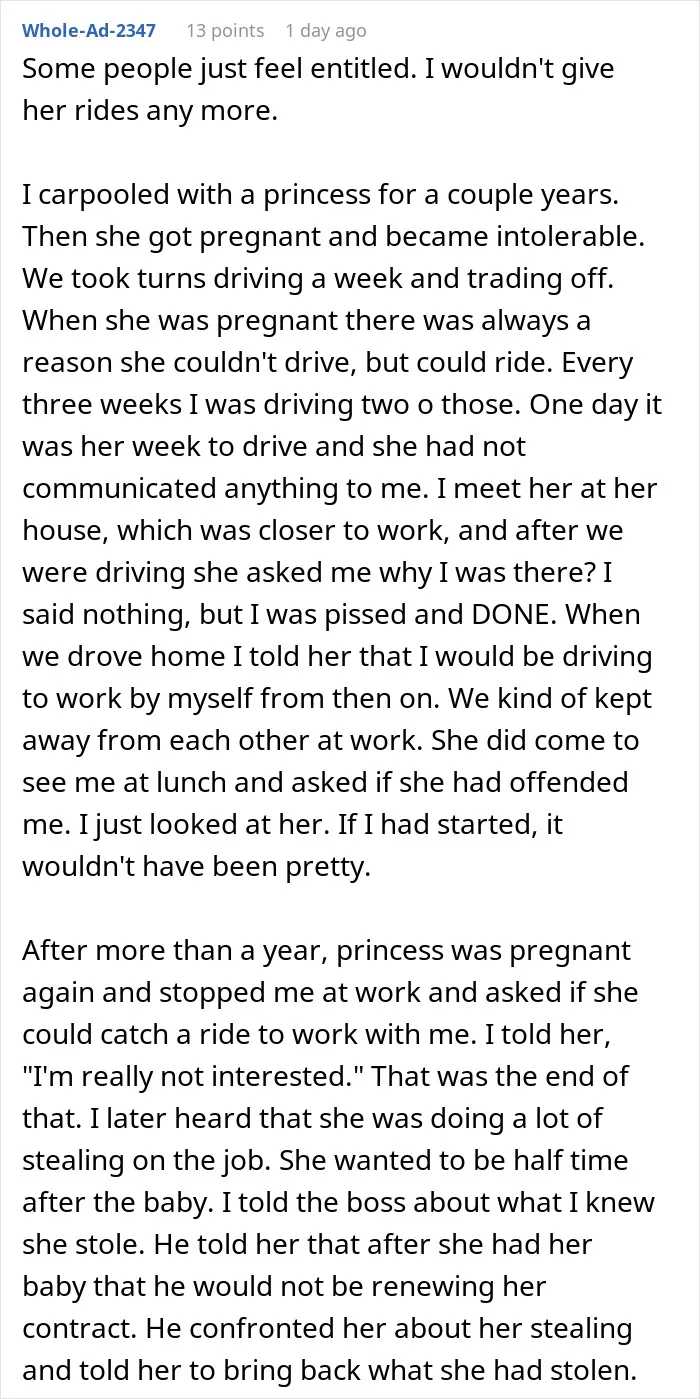
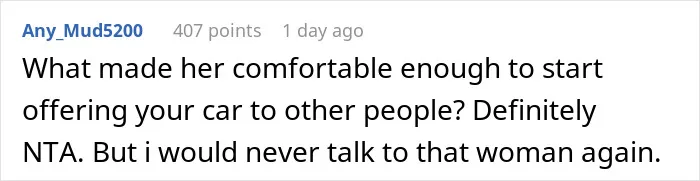
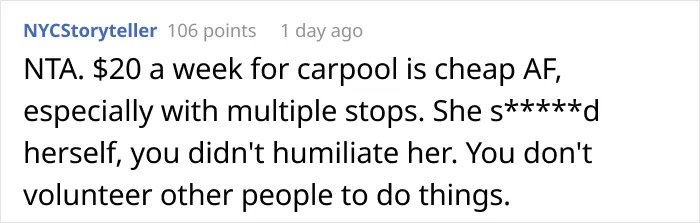
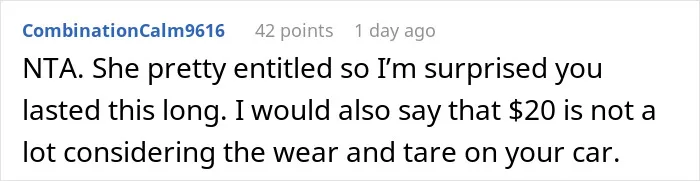
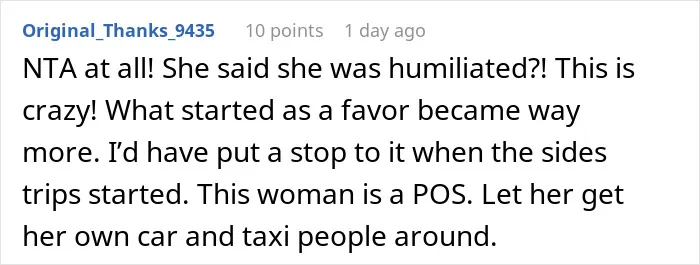
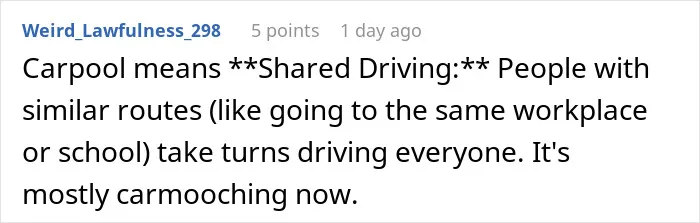
“Let her get her own car and taxi people around,” the commenters wrote





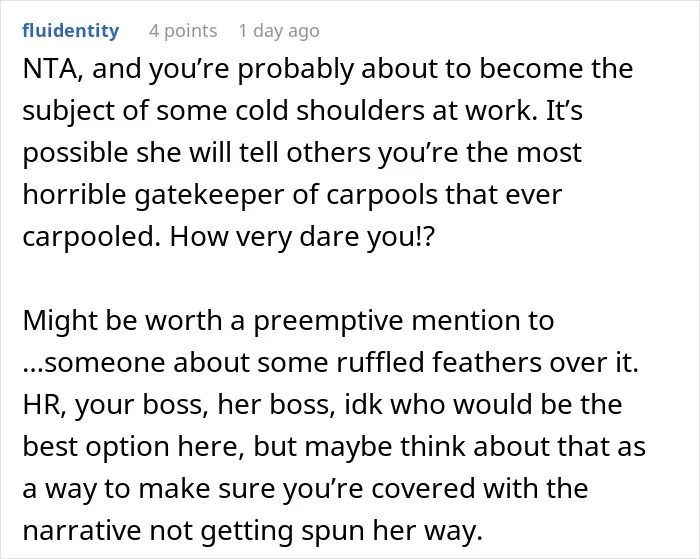
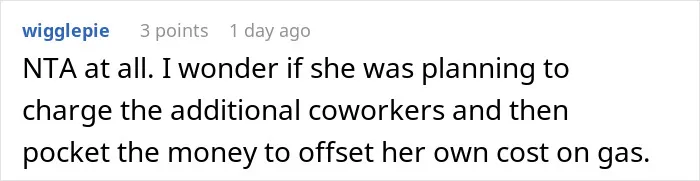
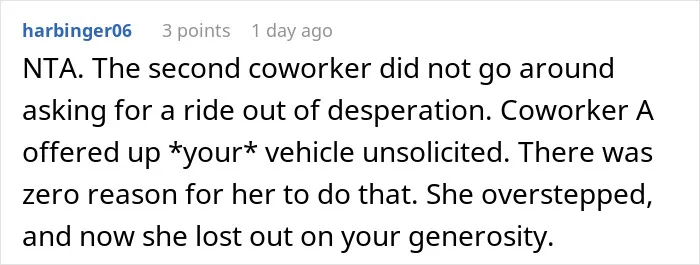
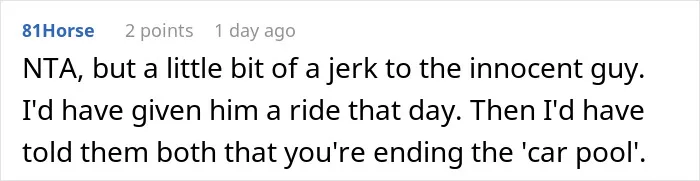
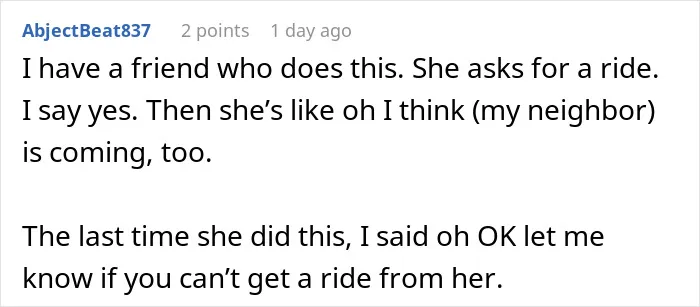
The OP wasn’t the only one who had unpleasant experiences with carpooling