

This post may include affiliate links.

When we talk about stressful jobs, we often picture the obvious ones: emergency doctors rushing between patients, firefighters running into burning buildings, or police officers dealing with unpredictable situations. But stress at work can also come from things that look completely ordinary from the outside.
A teacher can spend the day juggling dozens of students and endless paperwork, a customer-service worker can absorb complaints for hours, and an office employee can feel drained from back-to-back meetings, impossible deadlines, and messages that never seem to stop.
Even jobs that appear comfortable can leave people mentally exhausted when they’re constantly expected to be available, productive, and ready for the next challenge. Sometimes, the most exhausting part of a job isn't what you physically do; it's what the job asks you to carry in your head all day.
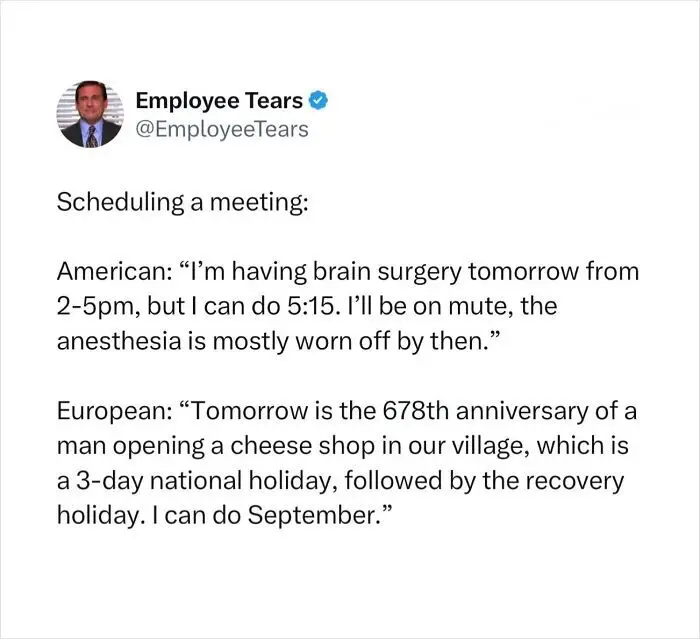
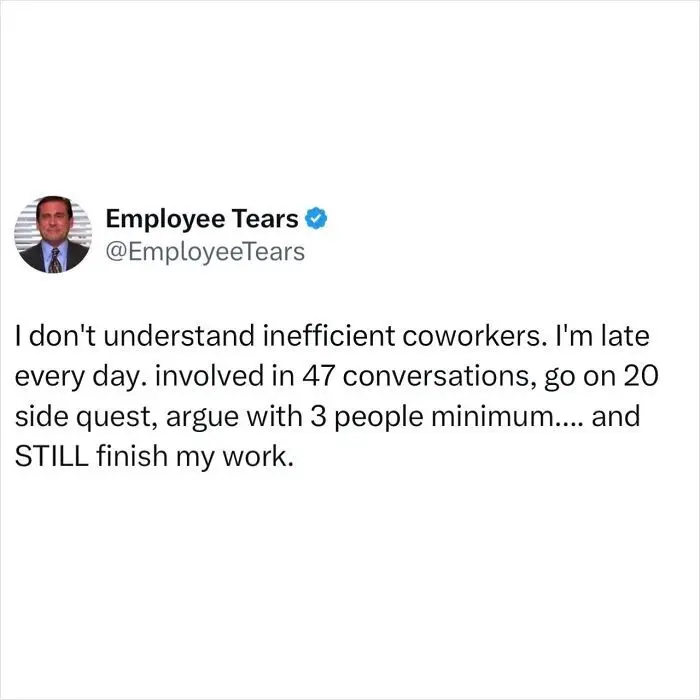
The numbers aren't particularly encouraging either. The 2026 Workplace Stress Statistics Report reveals that around 90% of employees experience stress at work.
Nearly half (46%) identify their workload as their biggest source of stress. Furthermore, 44% have considered quitting because of work-related stress. Imagine reaching a point where giving up a steady paycheck seems preferable to spending another day at your workplace.
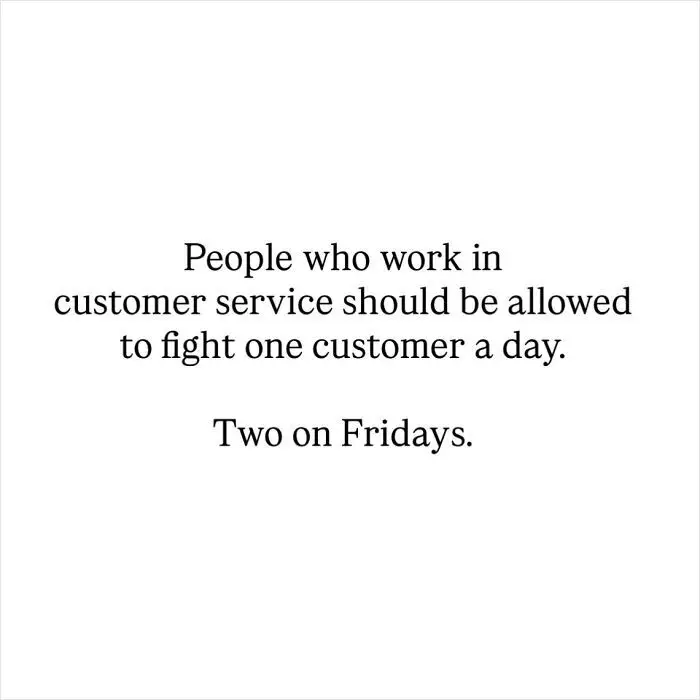

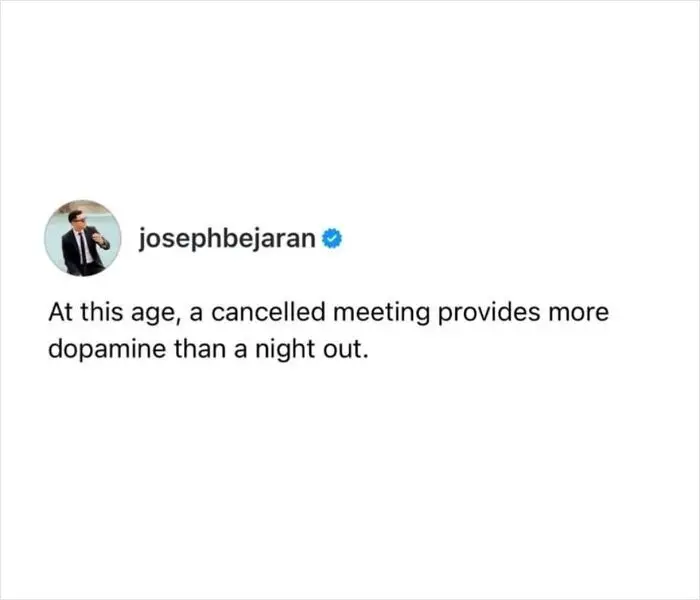
What's interesting about stress is that dealing with its cause doesn't necessarily get rid of it.
In their book Burnout: The Secret to Unlocking the Stress Cycle, sisters Emily and Amelia Nagoski explain the difference between a stressor and stress itself. An angry boss, for instance, is a stressor.
Once the conversation with them ends, the immediate problem might be over. However, your body may still be experiencing the effects of that stressful encounter.
And depending on what awaits us at home, we might not even get a chance to unwind.
The Nagoski sisters discuss how women are particularly susceptible to the pressure of constantly attending to other people's needs. A mother might finish her office work at 5 p.m., pick up her children, prepare dinner, and help with homework before finally getting a chance to sit down.
Even Christmas, a time we're supposed to look forward to, can become another source of stress.
Forbes reported that 41% of American adults expected the 2025 holiday season to be more stressful than the previous one. Between buying presents, hosting relatives, and trying to wrap up work before going on leave, when exactly are people supposed to relax?
The 2024 Workforce State of Mind Report found that 77% of employees said workplace stress had negatively affected their physical health. Some people struggle to fall asleep despite being exhausted. Others might wake up in the middle of the night thinking about an assignment that's due the following morning.
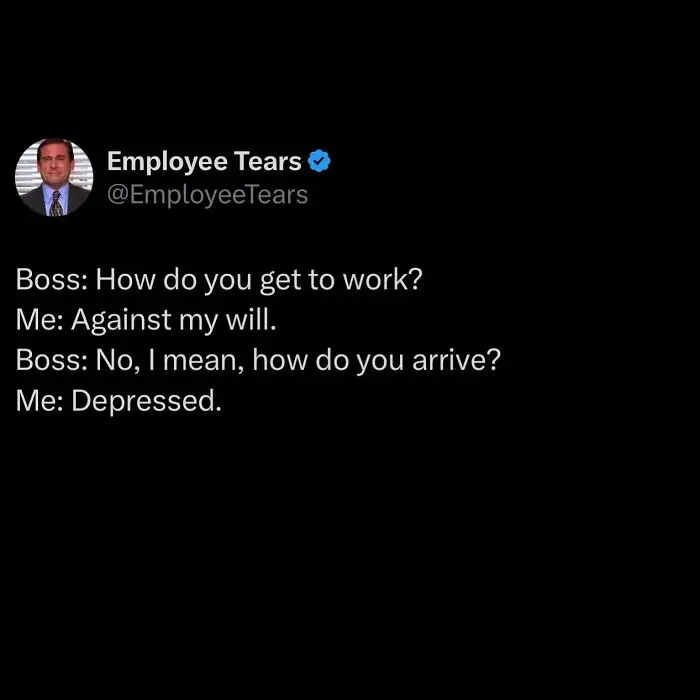
Furthermore, the Australian Psychological Society identifies mood swings, feelings of helplessness, and withdrawal from colleagues as some of the psychological signs of workplace stress.
And these changes aren't necessarily confined to the office. Someone who's spent the entire day dealing with unreasonable demands might end up losing their patience with their partner over something as trivial as an unwashed coffee mug.