






#1

Ask stupid questions and you'll get stupid answers. But it's not as straight-cut as that when it comes to working with customers. Retail and fast food workers are expected to be professional, even when faced with the least sharpest tools in the shed. While some encounters may want to leave them rolling their eyes, staff often need to blink twice... and smile.
Some experts believe that stupid questions are actually good for business. They often hold a remarkably deep source of wisdom, says communicator and copywriter Scott Flood. He explains that what might seem stupid to you, is not as dumb to the next person.
#2

#3
Flood explains that because you know a lot about your product or service, it’s easy to forget your prospects and customers know a lot less about it.
"They probably care a lot less about it, too," he writes. "When marketers become consumed by the details, they often lose sight of the basics – and those basics tend to be what matters most to your audience."
According to the expert, paying attention to stupid questions can help you see what really matters. "So don’t brush them off as the playground of the ignorant," Flood advises. "Listen closely, especially when you hear the same question again and again. Then weave the answers into your marketing messages."
#4

“So what do i do with it?”
“put bird seed in it.”
“oh, will it attract butterflies?”
“No. It will attract birds.”
#5
Customer: can you match the colour to my neighbours caravan
Me: I don’t know, what colour is your neighbour’s caravan?
Customer: (indignantly) I don’t know-you’re the so called paint expert!
Me: (thinking to myself) how can I meet so many stupid people in one section of the store?!
#6

Ian Heller is the co-founder and chief strategy officer for Distribution Strategy Group. He believes that some people have double-standards when dealing with dumb questions.
"We are all customers in some situations and service providers in others. Sometimes, as customers, we ask dumb questions, too," Heller says. "The problem is we are very understanding and generous with our own flaws, but can be unforgiving when other people make mistakes."
He likens it to road rage, saying that we sometimes accidentally cut off other drivers sometimes, but when someone does it to us, we assume it’s intentional. And completely lose the plot.
#7

#8

Me: I'm sorry, we don't have that right now. MI sweet corn is out of season.
Her: But I want it. Now.
Me: Ma'am, it's winter. We can't get it right now.
Her: When can you get it? I can come back.
Me: Let's see. Planting is at the end of May, add time to grow & stuff, first picking should be in mid August. Come back then.
For some reason she was not amused....
#9
Her food comes.
“Wheres everything else in the omelette? Olives, tomato?”
“Did you want a Greek omelette?”
“Yes! Who would order an omelette with just feta cheese?!”
Ma’am I’m not here to judge I’m just here to get you your food! But you have to tell me the food you want accurately!!!
Heller advises workers to have more grace and compassion, as hard as it may sometimes be. He also suggests that managers train their staff on how to deal with less-than-smart customers.
"If someone tells a dumb customer story, tell them they need to come up with a smart customer story to match it," he explains. "Make sure they know that getting the same question from multiple customers probably means something is wrong with your website, marketing materials or policies."
#10

#11
She demanded to speak to my manager because I “gave her attitude”
1/2.
#12
I told him no and finally got him to show me the problem.
He hadn’t put the battery in.
Then there are those who are vehemently against stupid questions, saying they waste time, money and energy. As Cy Wakeman puts it, "A single stupid' question can commission hours of resources in the form of meetings, research, analysis and discussions that are a total waste of time, talent, and focus."
Wakeman, a Drama Researcher and author of No Ego: How Leaders Can Cut the Cost of Workplace Drama, End Entitlement and Deliver Big Results, says her own research shows that almost 2.5 hours per day per employee are wasted seeking an answer that "doesn’t exist, doesn’t matter, or reinforces the erroneous belief that others are the source of our problems."
#13

#14

Lady: are the hats part of the sale?
Me: no, just shoes.
Lady: so no hats?
Me: no, just shoes.
Lady: so no hats?
Me, stone faced now: no.
#15
Wakeman says you can avoid asking stupid questions by changing the way you ask them... The expert suggests changing every “Why,” Who” or “When” to either a “How” or “What.” Then follow with the words “can I.” End the question with some action word such as “do” or “help,” she adds.
“Why do things keep changing?” becomes “What can I do to get skilled up for change so I am unfazed by it?” or, “How can I help drive the change?” or even, “How can I quickly align with the change?” the researcher told Quartz.
Wakeman says questions worded this way are a lot more helpful and accountable.
#16

#17
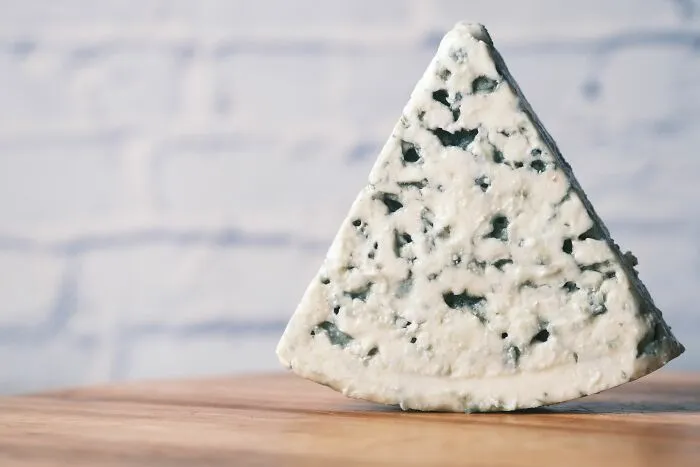
Me: ok. why?
Manager: they said the blue cheese was moldy.
Me: ………………..
#18
#19
#20

Dude it's not my job to monitor your banking and spending activities.