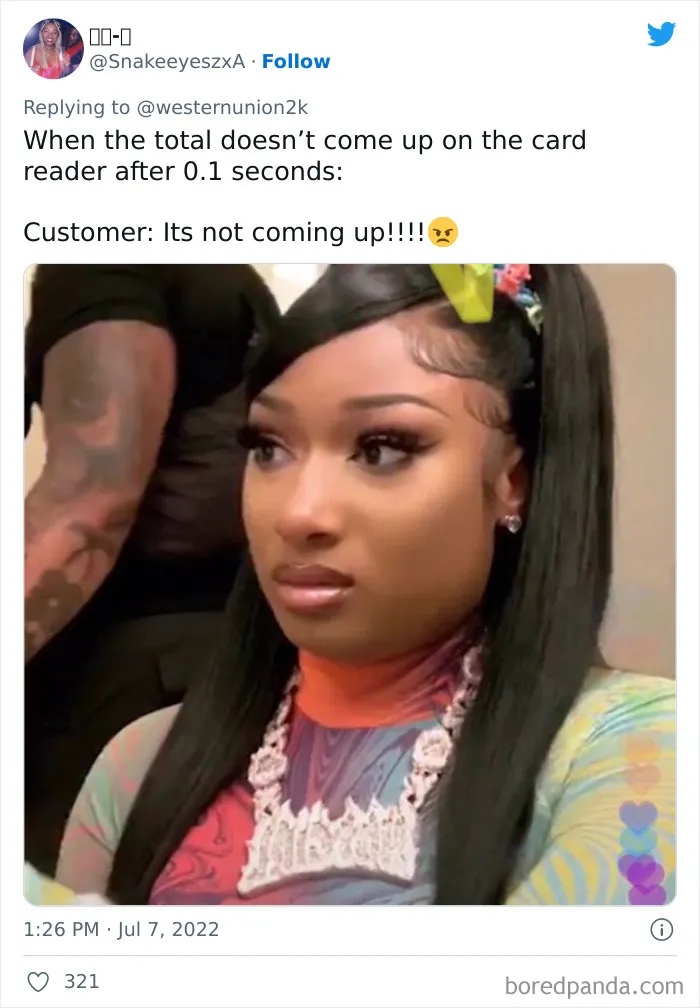


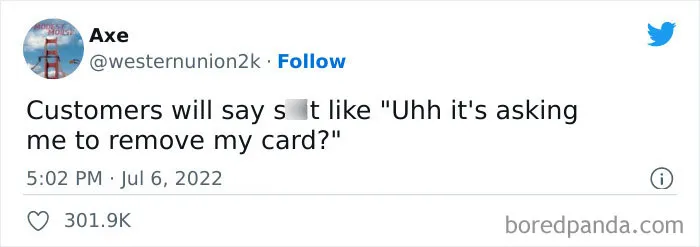
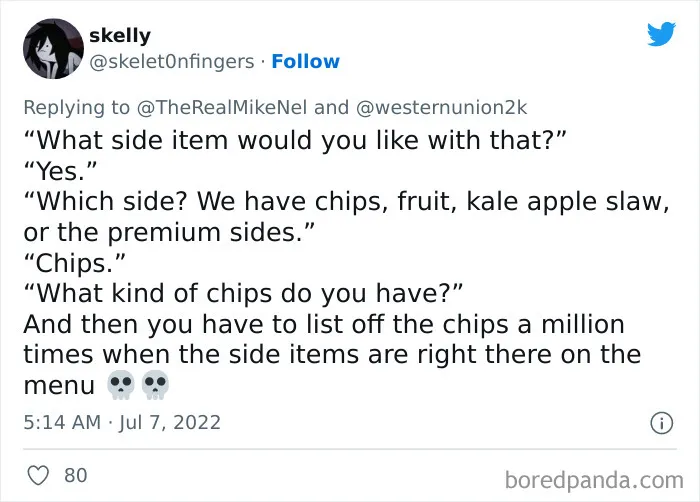
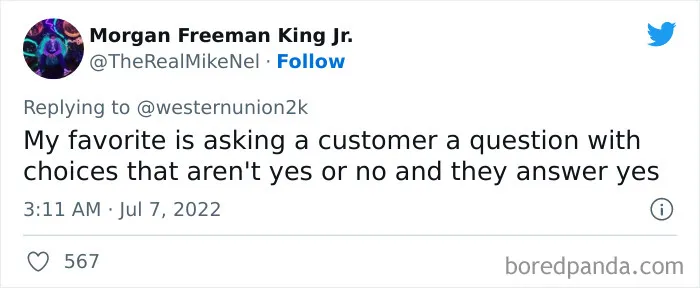
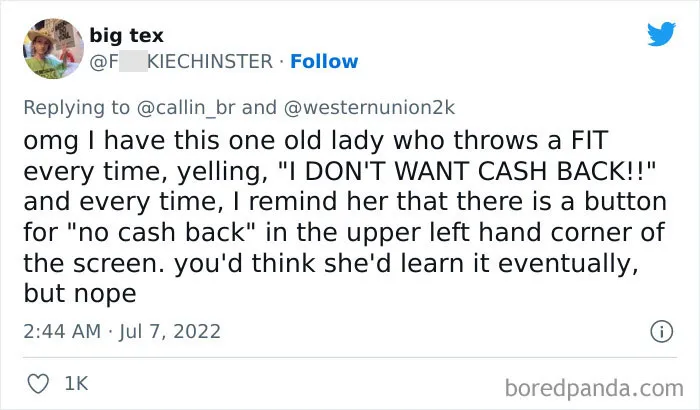
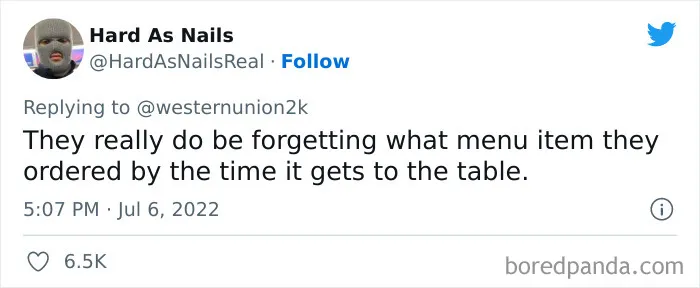
Now, aside from the dumb questions about when to remove their cards from the chip readers or how much something costs when the price is clearly on the product, there are certainly times where a customer is not only ignorant, but blatantly wrong. If they ask for water at a restaurant for the “second time” when you know it’s the first time, sure, they can be right. But if they are outright rude or bigoted, those customers are not worth keeping in the first place. According to the Pareto Principle, or the 80/20 rule, 20% of customers usually account for 80% of total profits. When you encounter a nightmare customer who is making employees, or other customers, uncomfortable, chances are, your business can afford to lose them. If catering to them is more effort than it’s worth, just hold the door open for them and hope they never come back.
As we all know, it is impossible to please everyone. In one of my previous customer service jobs, within the same day, I would hear excited compliments and heated complaints about the music that was playing in the salon. Everyone has their own preferences, and that is okay. As Kumar Arora wrote in Forbes, “Using ‘the customer is always right’ in your daily business practices works under the assumption that you can satisfy every customer 24/7. This is a fool’s errand. Even the largest and most successful brands know this to be impossible, and so should you. People are unique. We all have different tastes in fashion, food, cars, homes, etc., and if you attempt to satisfy every customer's needs, your business will quickly fail.”
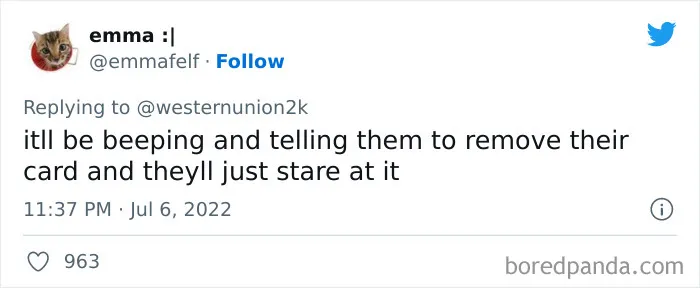
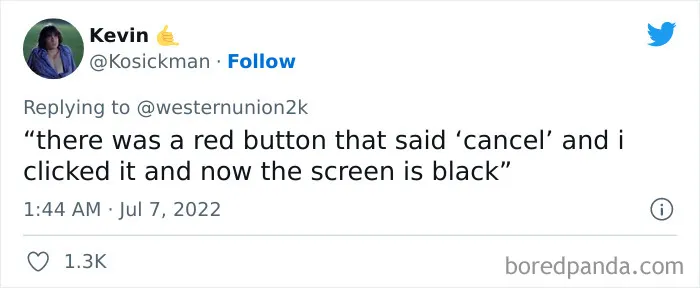
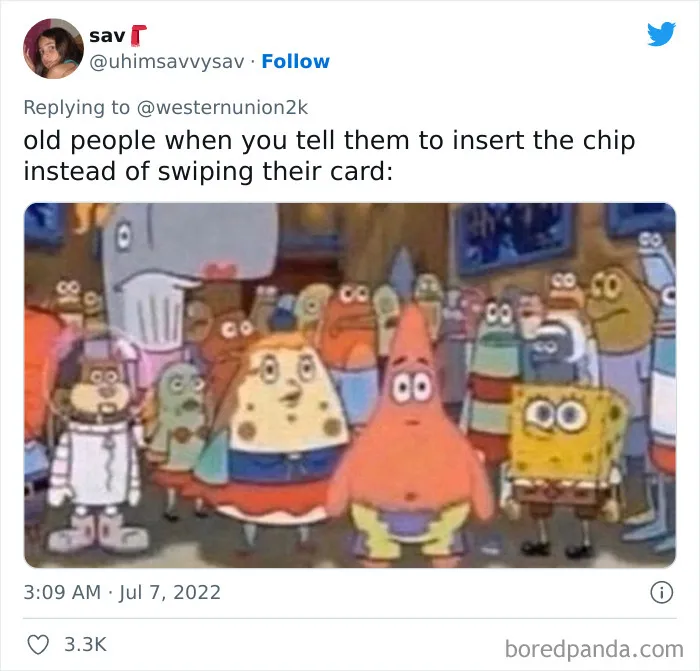
As much fun as it is to mock dumb things customers have said, it is also a reminder to not be that customer. Employees and patrons are just trying to get through the day, whether they are running an errand or working a job they are less than passionate about to provide for their family, so they both appreciate it when the other makes their life easier. Workers, try to have patience with customers who might be a little bit slow to understand things like card readers, and customers, just take a moment to think before you speak. Or you might end up being roasted on Twitter.