



We typically learn how to lie between the ages of 2 and 4. At that point, the ability to deceive is actually an important cognitive developmental milestone.
It indicates we realize that our thoughts are separate from others’ — we understand that we can’t read each other’s minds!
But that doesn’t mean we can just say whatever and get away with it. Push your false narratives too far, and you’ll get exposed. People aren’t dumb and will catch up. Plus, since we all carry cameras in our pockets and know how to take screenshots online, there will be receipts.
To remind everyone that confidence doesn’t always equal credibility, we put together some of the most satisfying times liars got caught in broad daylight.
This post may include affiliate links.
To Ariely, honesty is something of a state of mind. He thinks the IRS should require people to sign a pledge to be honest when they start working on their taxes, not when they’re done. Setting the stage for honesty is more effective than asking someone after the fact whether or not they lied.
However, echoing the study in Communication Monographs, he said we shouldn’t view research on honesty and lies as negative. We have plenty of opportunities to cheat and steal — sometimes, without even getting caught — and we usually don’t take them.
“There's a lot of good in us,” he added. “In fact, the surprising thing for a rational economist would be: why don't we cheat more?”
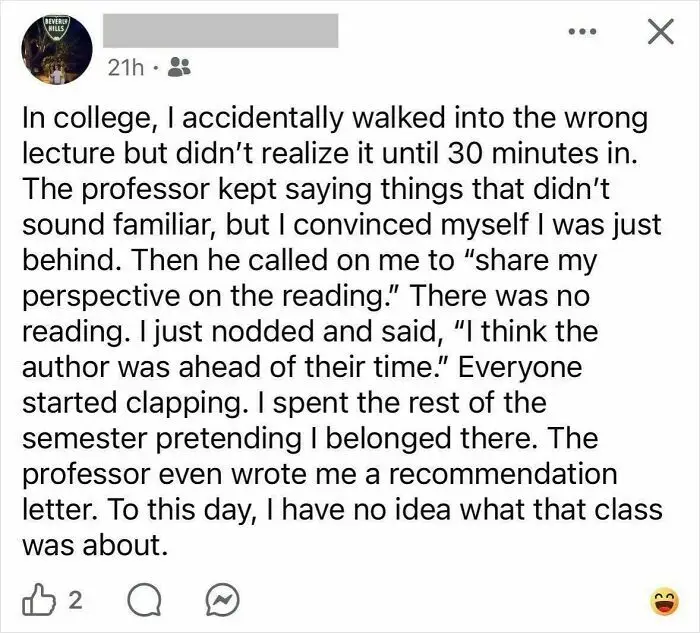
#23 This Didn't Happen So Hard It Make Things That Already Happened Unhappen

Report
26points



#27 Friend Of Mine Has Daily Stories Of Men Worshipping Her Like The Goddess She Is

Report
23points




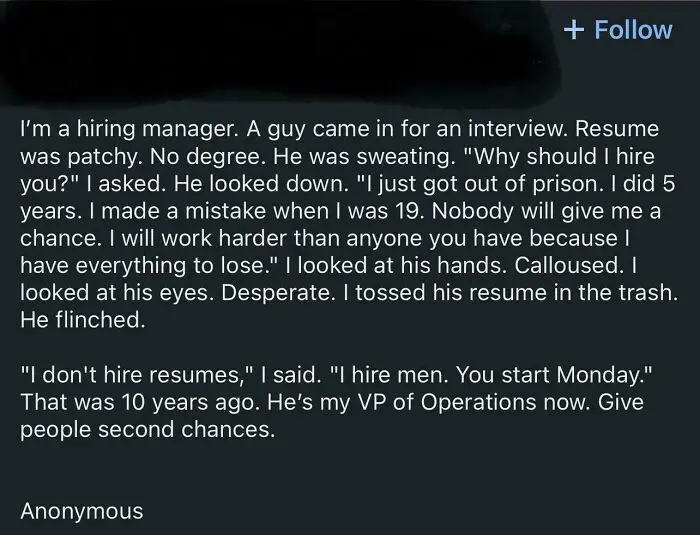



#37 I Literally Have Never Met A Single Person Who Gets Angry At Either Merry Christmas Or Happy Holidays

Report
17points