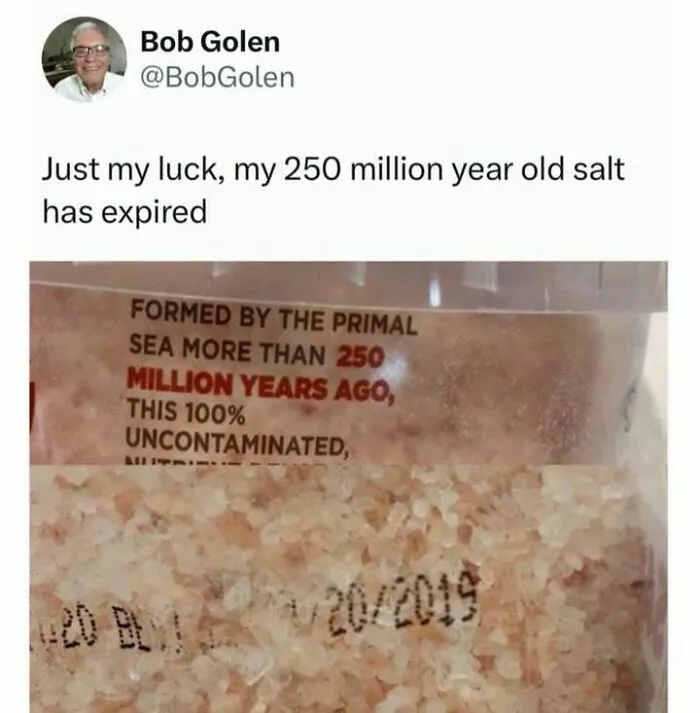




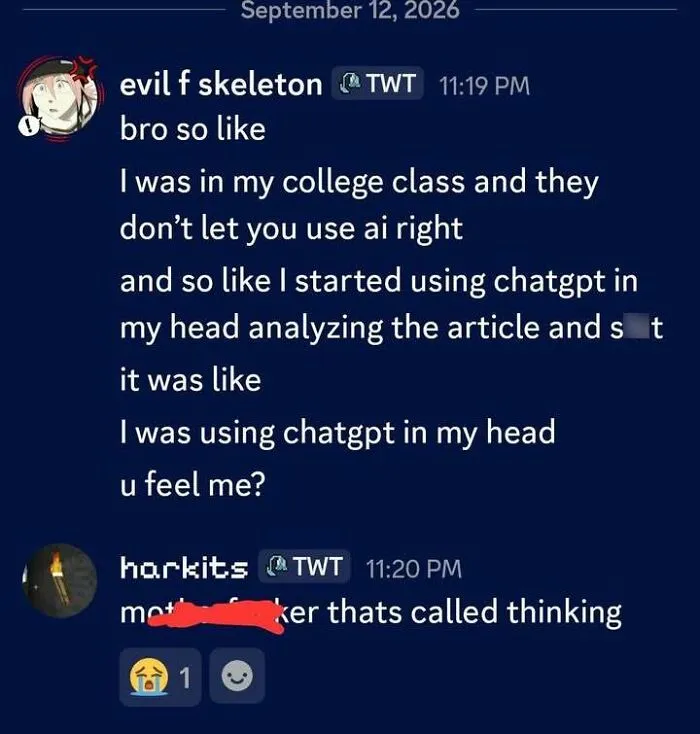
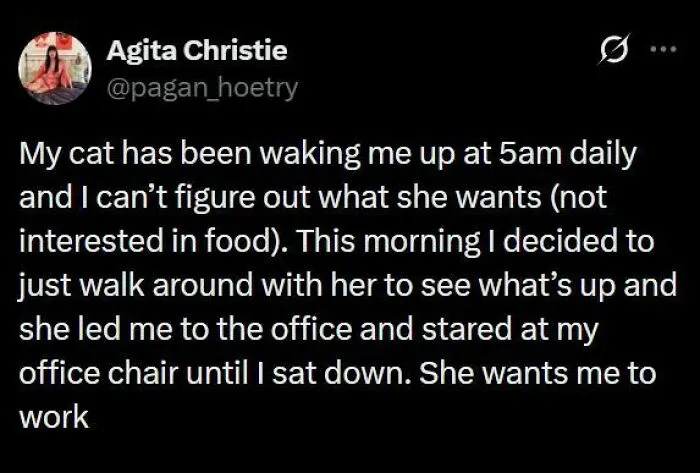
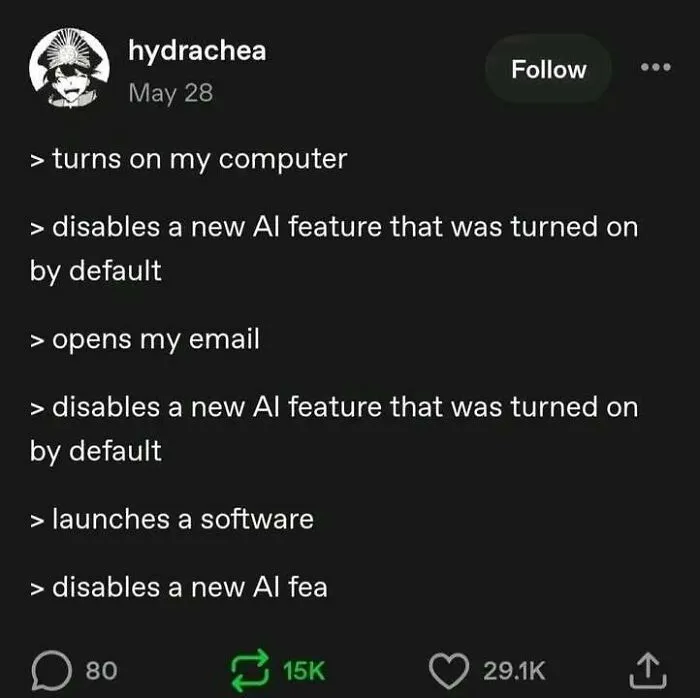
Edgy memes often make fun of serious topics and mock real-world problems.
Online, “edgy” describes content that tries to push buttons. Standard memes try to make everyone happy — edgy memes want to stir up big reactions. Creators use dark comedy and heavy sarcasm to shock the viewer, confuse them, and make them laugh.

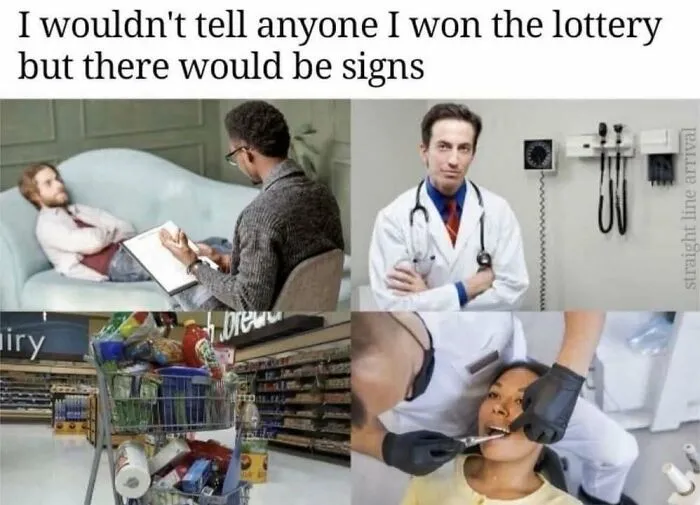
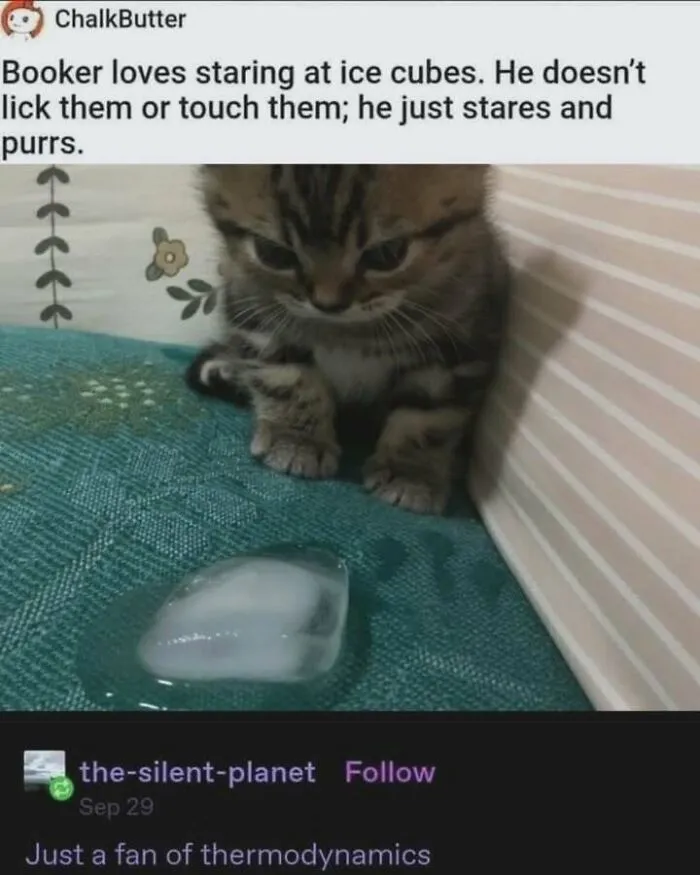
Since dark humor is a big part of these memes, it actually helps people make light of heavy situations.
Studies show that sharing a meme that captures a mood or situation you’ve felt but can’t quite put into words gives you a sense of connection with others. Experts believe memes are like their own kind of language that can cross cultures and bring people together.
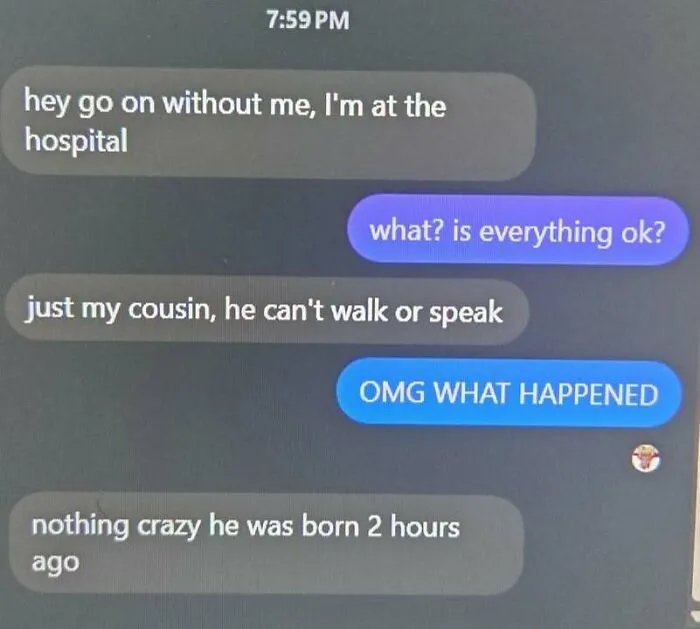
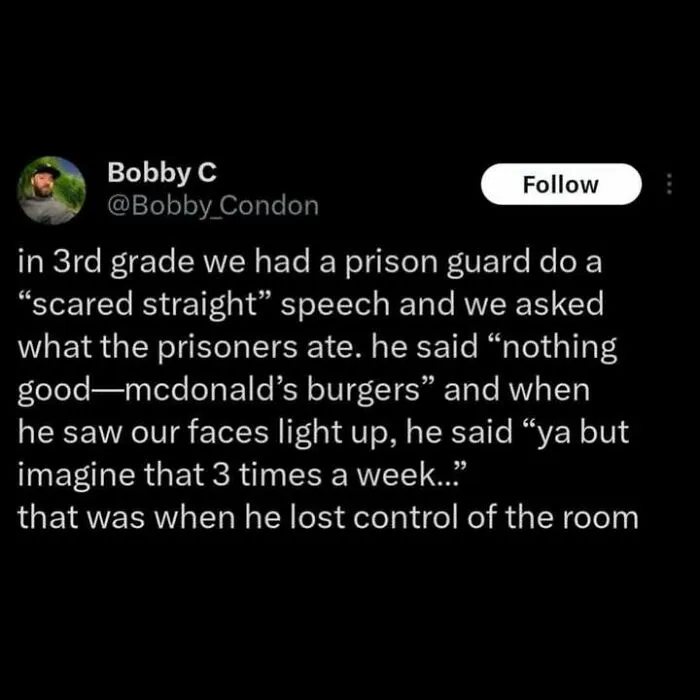
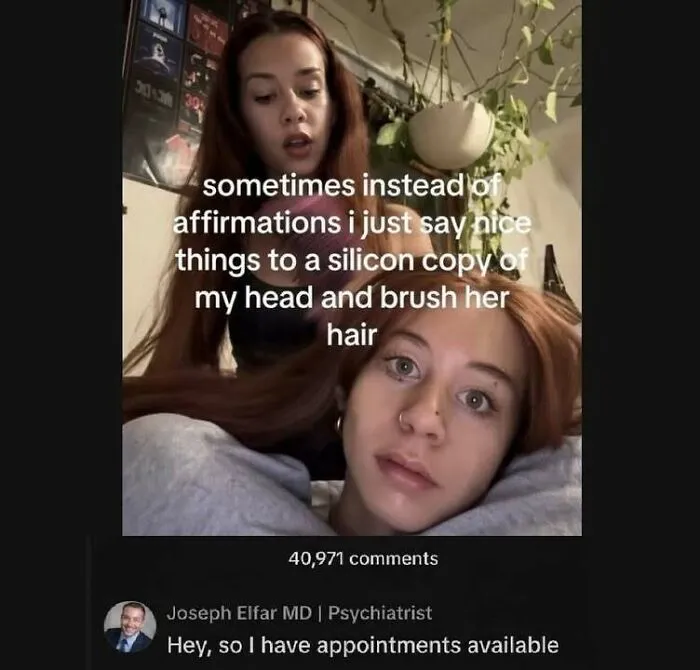
You might think you are wasting precious time by looking at memes. But a ton of research shows memes can offer real mental health benefits. A Penn State study found that viewing memes — even those about major stressors like COVID-19 — boosts positive feelings and makes people feel more capable of handling daily pressure.
Memes also serve as a vital tool for those dealing with anxiety and depression. Research shows that people experiencing anxiety often turn to memes to regulate their emotions and cope. Similarly, those living with depression find depression-focused memes significantly funnier and more relatable than those who are not depressed.
Dark or cynical humor can seem intense on the surface, but it gives many people a safe way to address difficult emotions without feeling overwhelmed. These memes create a space where people can candidly laugh about heavy topics that are usually hard to discuss face-to-face.
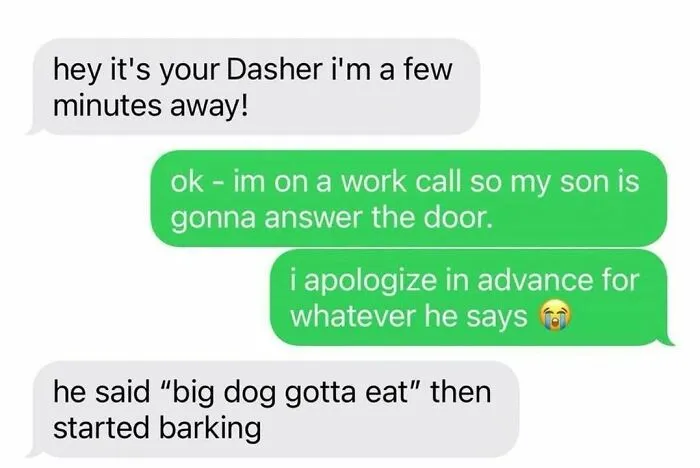

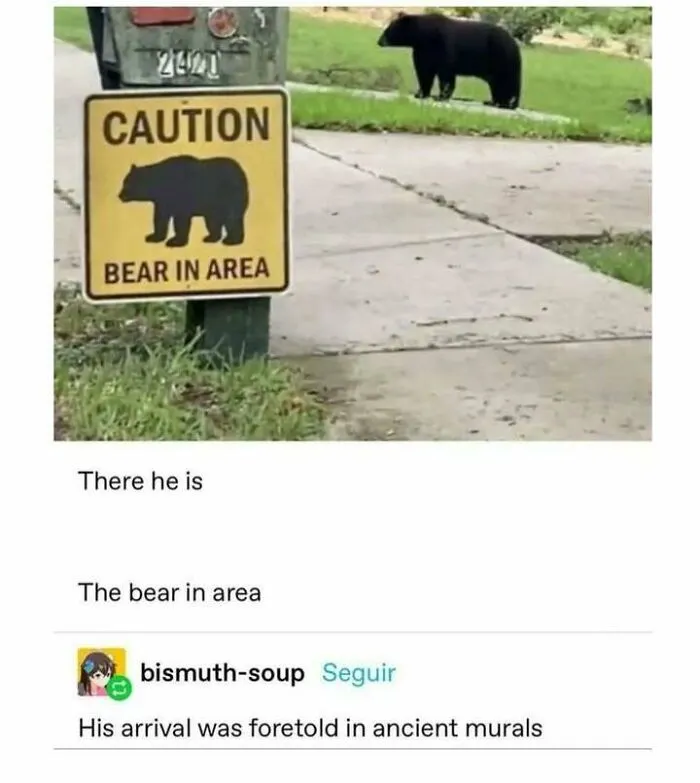
Most people spend hours online every day, so it’s no surprise that memes fill a huge part of that screen time. In the US, average users spend over two hours daily scrolling through social media, soaking in steady streams of photos, videos, and humor.
Memes have become a core language for younger generations. Three out of four people aged 13 to 36 regularly post them, with more than half sharing new memes every week and nearly a third sharing them daily.
While most share them to be funny, over half use them as quick replies in conversations. Others send them as subtle hints, while many rely on a well-timed image when plain words simply fail to get the point across.
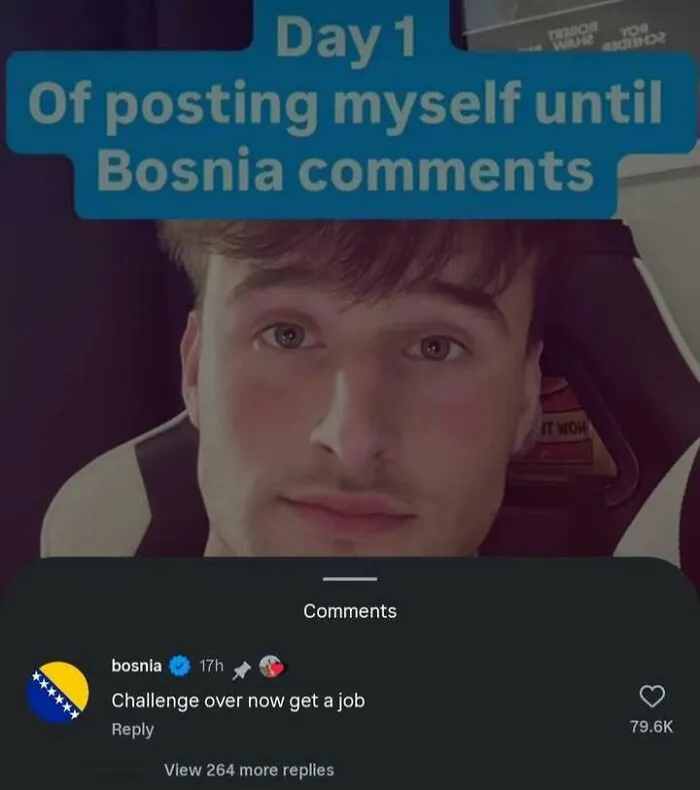

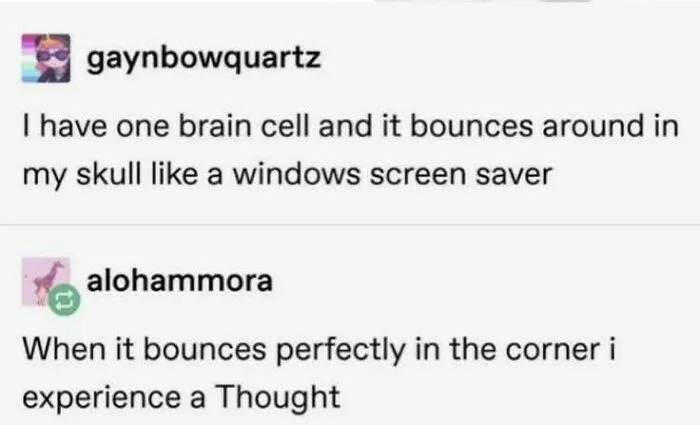
The memes in this list also rely heavily on sarcasm to deliver a quick punch. Sarcasm makes us laugh because it plays a clever trick on our expectations. The humor comes from the sudden clash between literal words and their true, opposite meaning. This twist catches our brains off guard, which triggers a natural chuckle.
This laughter stems from what researchers call a “benign violation.” According to this humor theory, we find things funny when something breaks a social rule or expectation, yet remains completely harmless. Sarcastic jokes push boundaries through fake praise or mild mockery, but because they happen in a playful context, our brains view them as safe rather than threatening.


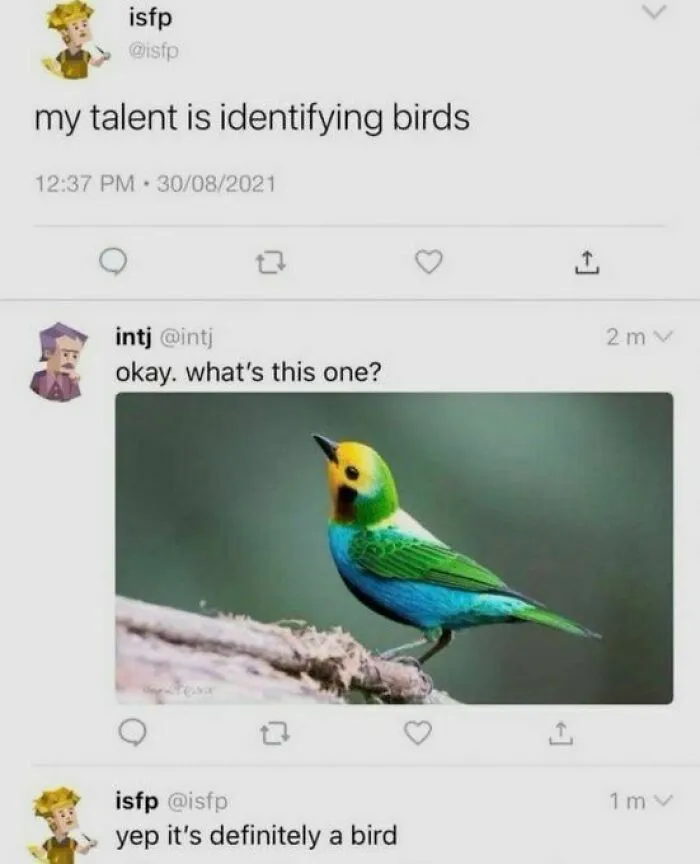
Experts believe humor thrives because it evolved as a psychological safety check. It allows us to reset our minds and behavior the moment we realize a perceived threat is actually harmless.
“Humor provides a way to cope with the hypothetical threats, remote concerns, minor setbacks, social faux pas, cultural misunderstandings and other benign violations people regularly experience,” says Caleb Warren, professor in the Department of Marketing in the Eller College of Management.