



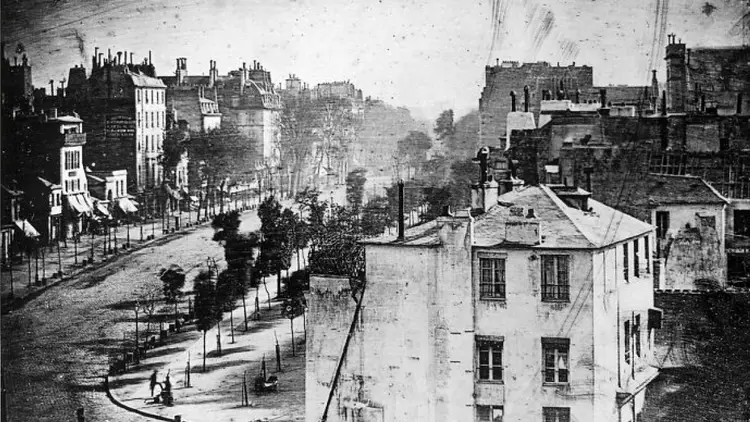


It’s hard to imagine London, Paris, or even Seoul without high-rise buildings and dazzling lights. But believe it or not, centuries ago, these capital cities from around the world looked nothing like they do today. Before modernization took hold, the towering skyscrapers, tarred roads, and flashy cars we’re used to seeing were once medieval buildings, horse-drawn carriages, and cobblestone streets. Thanks to photography and the amazing artists behind it, catching a glimpse into the past has never been easier. Get ready to take a step back in time with this list of 49 rare early photos of the world’s capital cities.
#21 New Delhi, India, 1920s
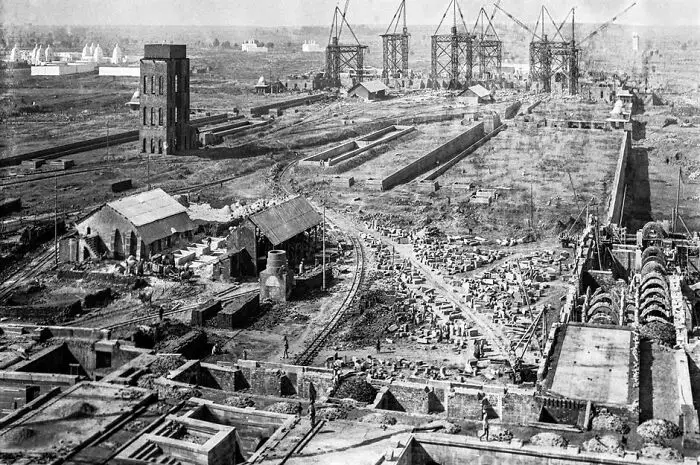
This photo of the construction of the Viceroy’s House (now Rashtrapati Bhavan) in New Delhi was taken in the 1920s when India was still under British rule. Photographed by Arthur Gordon Shoosmith, the image captured the city’s transformation from farmland into an imperial capital, with grand architecture.
Report
12points
#22 Ottawa, Canada, 1890s
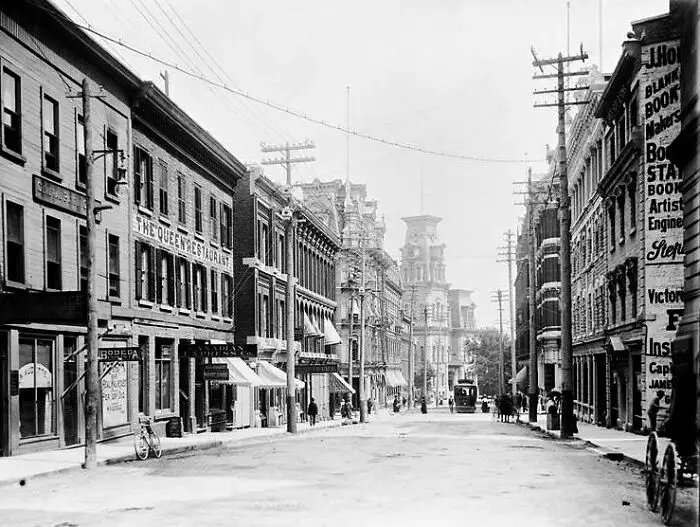
This late 19th-century photo of Elgin Street in Ottawa shows the transformation the capital was undergoing at that time. Previously a lumber town surrounded by forests and wilderness, the city was now the country’s political hub with many new buildings housing restaurants, offices, and other businesses. Today, Ottawa is still a strong capital city with high levels of education, a very high standard of living, and relatively low unemployment.
Report
12points
#23 Tallinn, Estonia, 1900
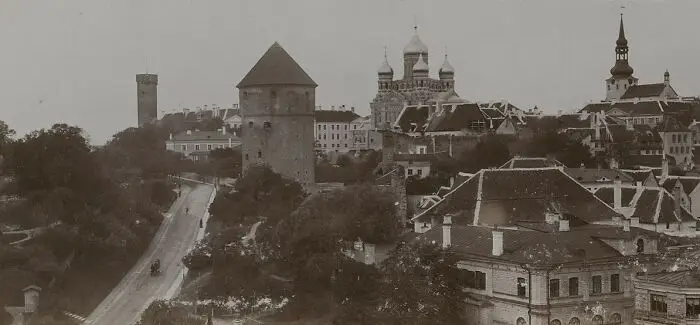
Under the rule of the Russian Empire in the early 20th century, Tallinn underwent a period of transformation. Along with urban modernization, the city’s political and cultural climate was reshaped by the growing Orthodox presence and imperial influence. This photo, taken in 1900, features many of Tallinn’s medieval monuments, with the newly built Alexander Nevsky Cathedral in the background.
Report
12points
#24 London, United Kingdom, 1839
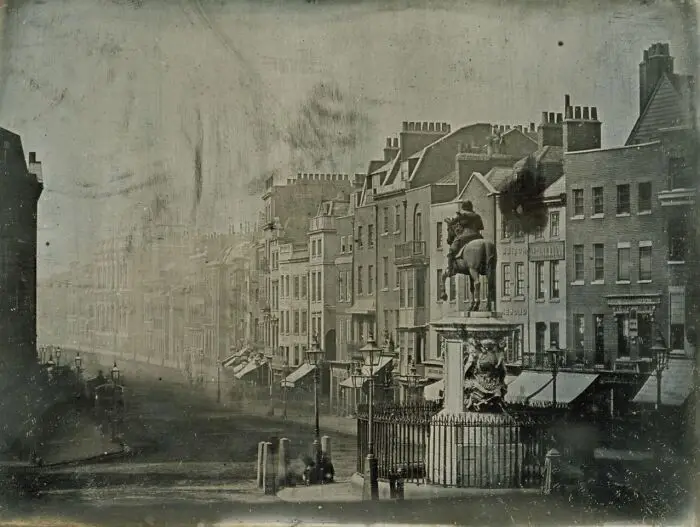
Thanks to the Industrial Revolution, London became the world’s largest city in the 19th century. Recognized as one of the first photos of the capital, taken by French photographer Monsieur de St Croix in 1839, this image features the Royal Banqueting House and the equestrian statue of Charles I at Charing Cross.
11points
#25 Washington D.C., USA, 1846
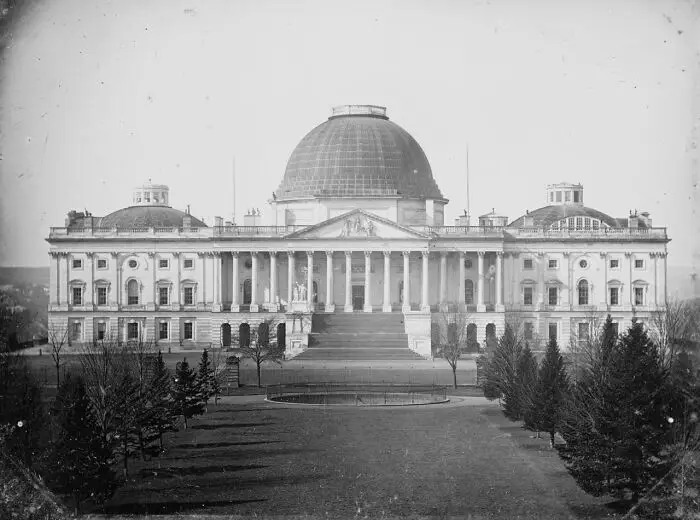
In 1846, Washington was still a developing capital city, sparsely populated with multiple buildings under construction. Pictured here is the earliest known photo of the U.S. Capitol, captured by John Plumbe in 1846, featuring the building’s original short wooden dome designed by Charles Bulfinch. A few years after this image was taken, the towering iron dome we know today was constructed.
Report
11points
#26 Bangkok, Thailand, 1860s
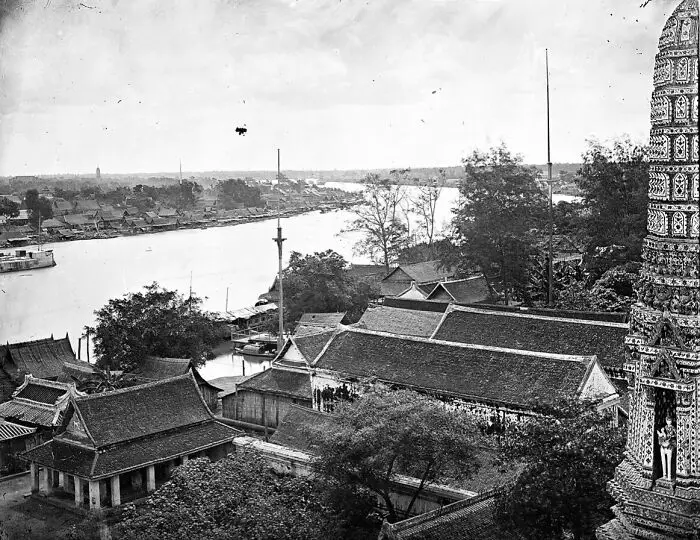
Under King Mongkut in the mid-19th century, Bangkok opened up to Western trade and modernization. During this time, photographer John Thomson captured this image of the Chao Phraya River from the Wat Arun, along with many other photos of the city, the royal family, and cultural ceremonies. These invaluable records of Bangkok are part of his collection of 700 original glass negatives taken in that period.
11points
#27 Abu Dhabi, UAE, 1960s
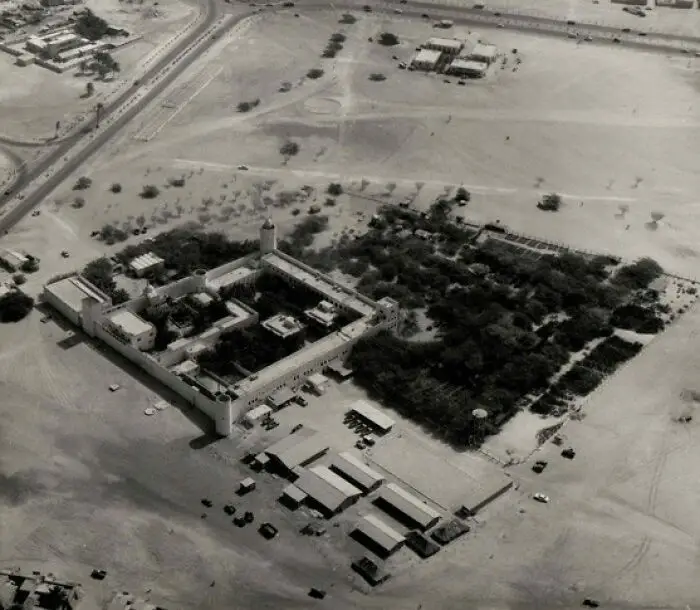
Before Abu Dhabi developed into the modern capital we know today, it was a quiet coastal town surrounded by expansive desert landscape. Photographed here is Qasr Al Hosn, the main residence of the ruling family as well as the city’s political and governmental hub since the late 18th century. Recognized as the oldest stone building in Abu Dhabi, this palace is now a historical landmark.
Report
11points
#28 Havana, Cuba, 1900
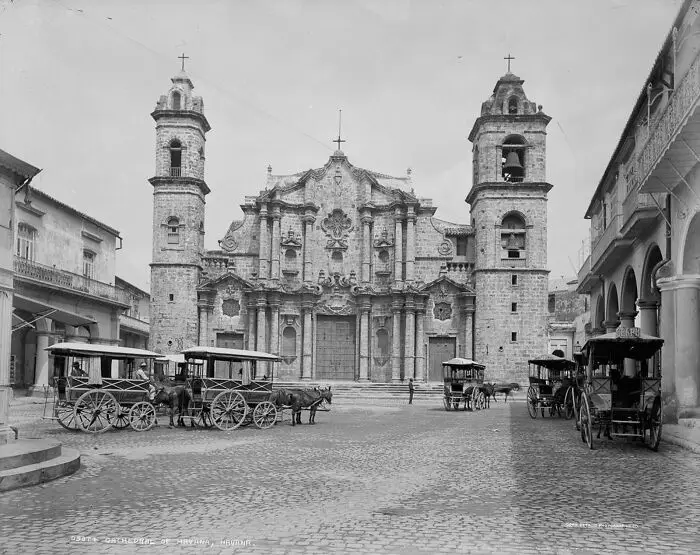
By the end of the 19th century and after the Spanish-American War, Spain’s rule over Havana had concluded. With the U.S. taking over the government, its influence began to emerge in the city’s infrastructure, politics, and culture, transforming the metropolis into a rapidly growing cosmopolitan port capital. Photographed here was the Cathedral of Havana, located in one of Havana’s most famous squares.
Report
11points
#29 Jakarta, Indonesia, 1860-1900
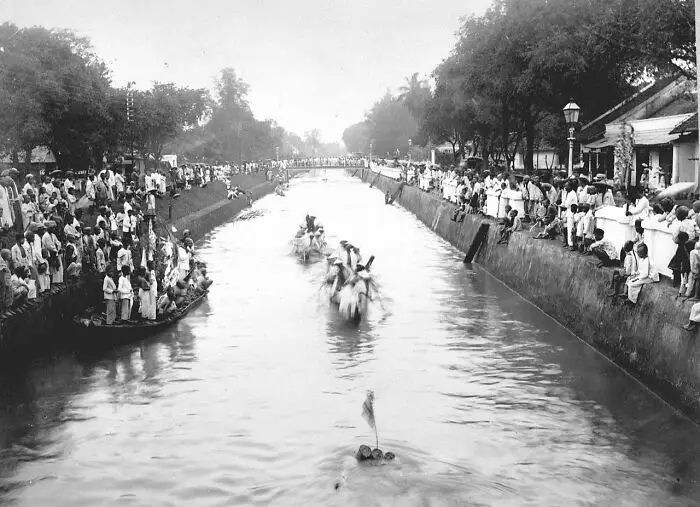
Under Dutch colonial rule in the late 19th century, Jakarta (Batavia) was a significant port and hub for Indonesia. This photo of a local boat race on a canal in the capital was likely taken in the late 19th century, when the city was thriving due to its export economy and growing infrastructure.
11points
#30 Amsterdam, Netherlands, 1857
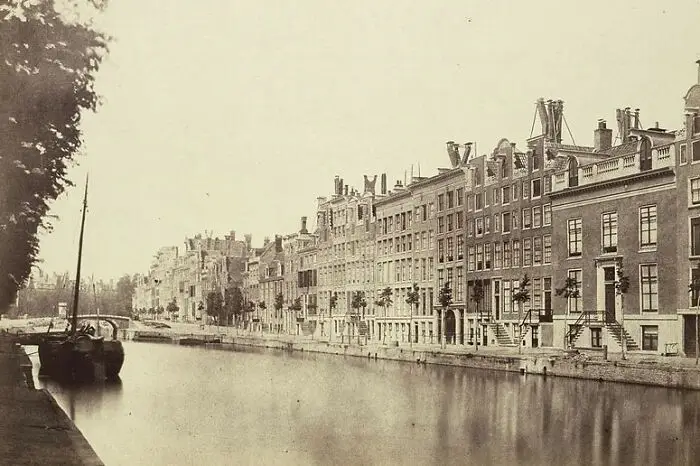
Although Amsterdam was modernizing in the 19th century, it still faced housing shortages and sanitation issues, with cholera-inducing pollution affecting its canals. This photo of Keizersgracht canal between Utrechtsestraat and the Amstel River was taken in 1857, a few decades before urban renewal ended the city’s cholera epidemic.
11points
#31 Buenos Aires, Argentina, 1910
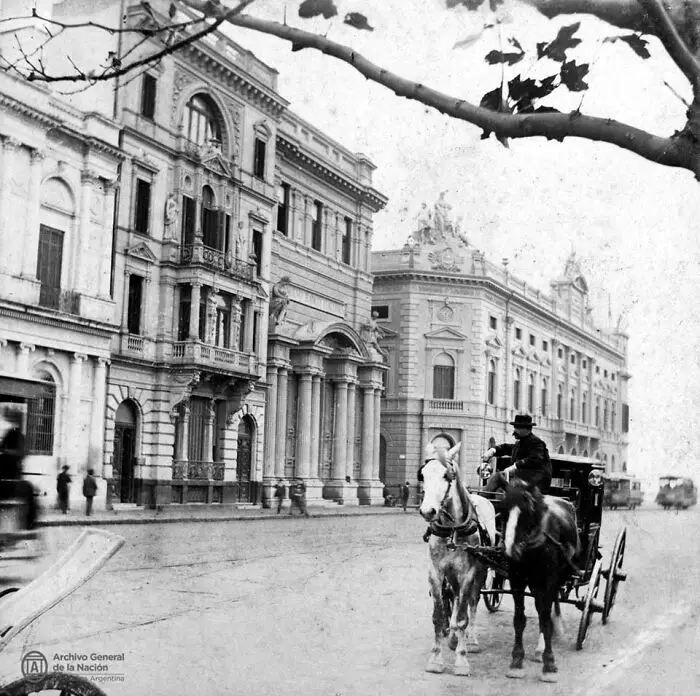
Despite experiencing rapid growth in the early 20th century and becoming one of the world’s richest and largest cities, Buenos Aires still had widespread poverty. Its new infrastructure, cultural, and modernization mostly benefited the upper and middle classes, while the working class experienced poor living conditions. This 1910 photo of the city was captured during its period of transformation.
11points
#32 Prague, Czech Republic, 1900s
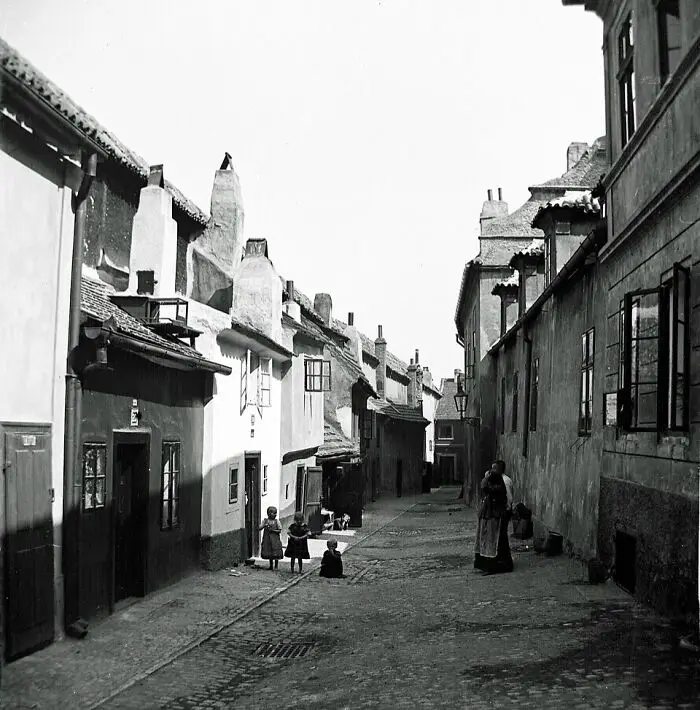
At the beginning of the 20th century, Prague was experiencing industrial expansion while under the rule of the Austro-Hungarian Empire. This historic photo of Golden Lane (Zlatá ulička) in Prague Castle, featuring some of the city’s medieval buildings and modest charm, was captured by Danish photographer Peter Elfelt in the early 1900s.
Report
11points
#33 Helsinki, Finland, 1880
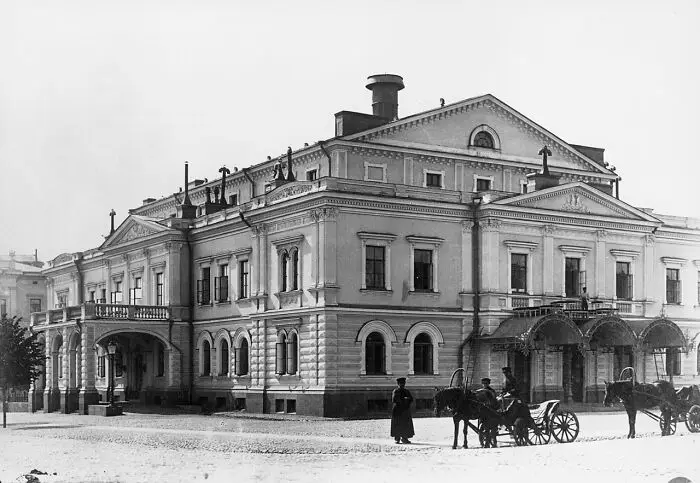
Helsinki was a thriving capital city under Russian rule in the late 19th century. Interestingly, neoclassical architecture was becoming increasingly popular and influenced many new construction projects during that period. One such building is the Alexander Theater, photographed here, which became one of its most magnificent monuments after it was built in 1879.
Report
11points
#34 Nairobi, Kenya, 1939
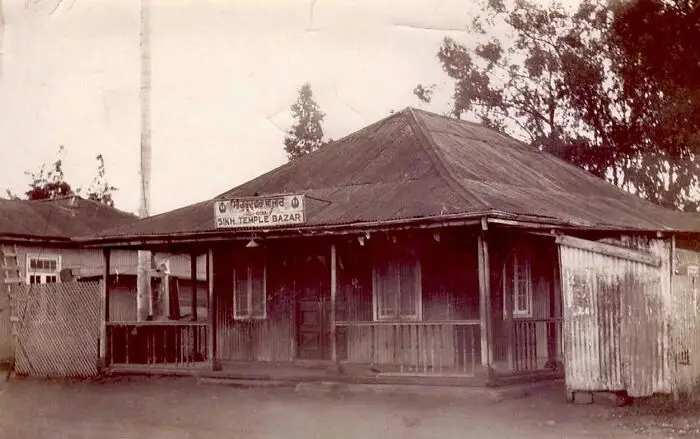
In the early 20th century, Nairobi was also a developing city under British rule. During the construction of the Uganda Railway, many Sikh settlers took up residence in the capital, leading to the development of a multicultural community. Pictured here is the Gurdwara Bazar, a temple that was founded in 1918 as a hub and place of worship for the settlers.
Report
11points
#35 Panama City, Panama, 1900s
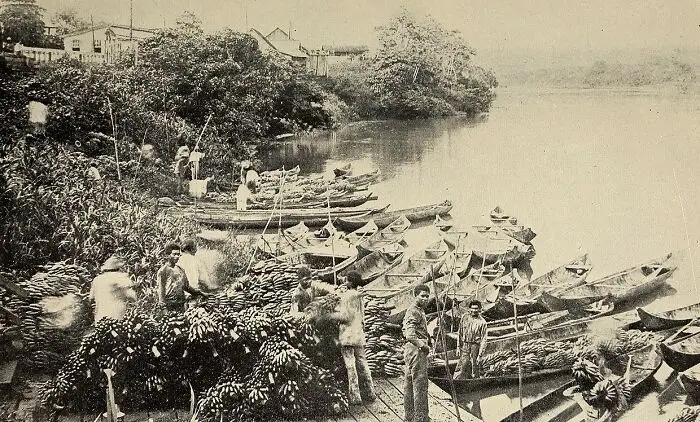
This photo from the 1900s of banana traders along a river was captured during a period of rapid change for Panama City. With the Panama Canal being at the center of the capital’s transformation, the metropolis became a significant link between oceans and continents. As such, the banana trade expanded, and with that came economic growth.
Report
11points
#36 Istanbul, Turkey, 1843
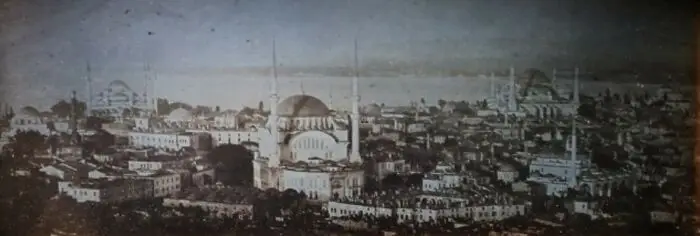
Modernization and traditional life co-existed in Istanbul in the 19th century, then known as Constantinople, the heart of the Ottoman Empire. Similar to his photos of Rome taken just a year earlier, French photographer Joseph-Philibert Girault de Prangey took this panoramic picture of Istanbul in 1843. Captured from the famous Beyazit Tower, the historic image features the Nuruosmaniye Mosque, Hagia Sophia, the Blue Mosque, and the Bosporus Strait.
Report
10points
#37 Mexico City, Mexico, 1884
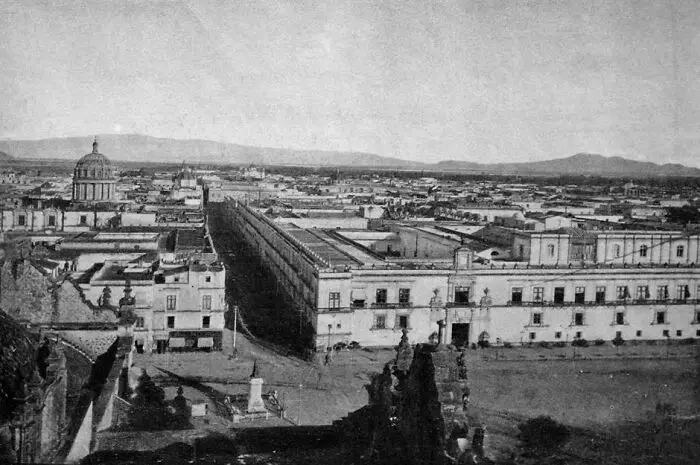
The Constitution Plaza (Zócalo), pictured here, was at the heart of Mexico City in the 19th century and continues to be today. In 1884, when President Porfirio Diaz was at the helm, the capital underwent major modernization, with some of the city’s transformation modelled after Paris’s development earlier in the same century.
Report
10points
#38 Dublin, Ireland, 1848
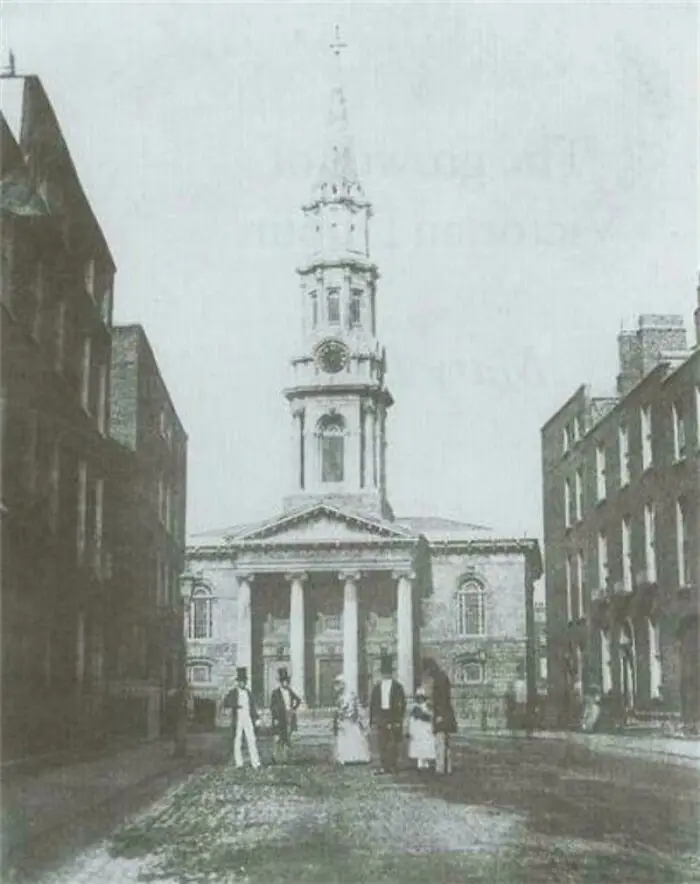
This image of a group posing in front of St. George’s Church in 1848 is one of Dublin’s earliest photos. During the Great Famine in the mid-19th century, the city experienced widespread poverty and overcrowding due to thousands of people fleeing from rural areas to the capital in search of employment. Despite the economic challenges faced at the time, Dublin remained Ireland’s major political and cultural hub.
Report
10points
#39 Bern, Switzerland, 1890
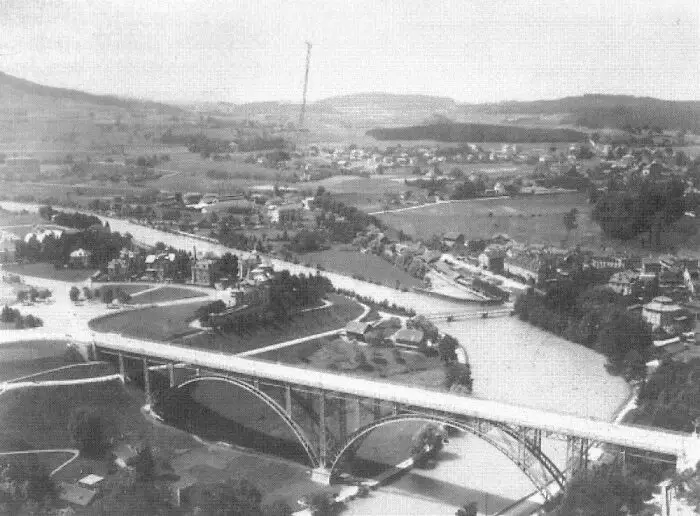
Recognized as Switzerland’s federal capital since 1848, Bern was the political and cultural hub during the country’s industrialization in the late 19th century. With new infrastructure, such as the Kirchenfeld Bridge being constructed, the city transformed from a medieval metropolis into a more modern one.
Report
10points
#40 Riga, Latvia, 1900s
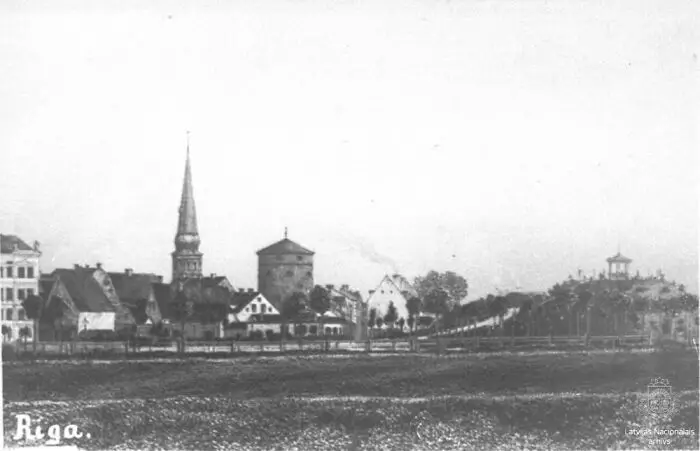
Before becoming the capital of independent Latvia, Riga was one of the largest and most significant industrial cities in the Russian Empire. However, after a series of devastating conflicts like WWI and Latvia’s fight for independence, the capital suffered great losses. Despite this, Riga remained at the forefront of the country’s culture and spirit.
10points