


That suggests the problem may not always be the people Americans encounter, but the larger systems they’re interacting with—and the disconnect between what those systems are supposed to do and how they’re perceived. Hitlin said transparency could help close that gap, particularly by making the impact of government work more visible to the people it affects.
“Really focus on how the work federal employees do impacts the people directly—make that connection really clear to people,” Hitlin said. “That’s helped in the messaging work we’ve done to make government seem more relevant to people.”


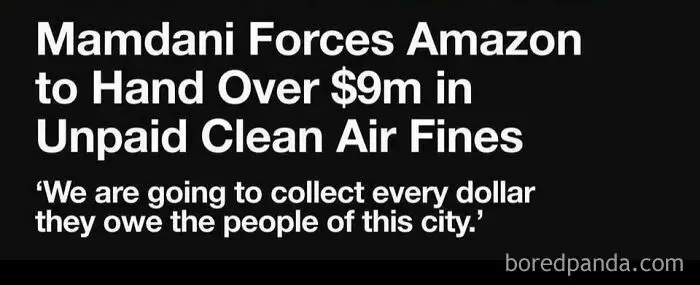
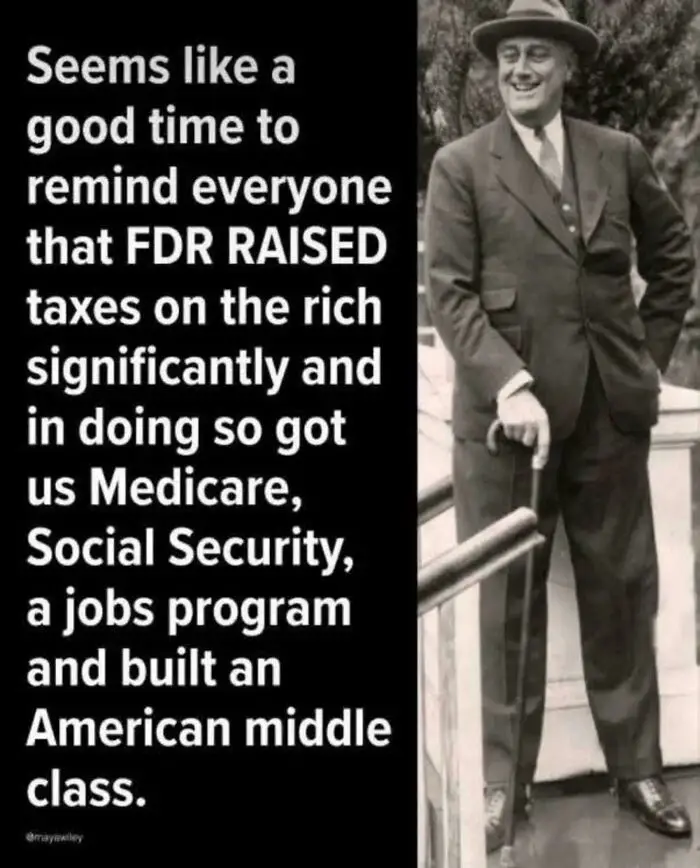
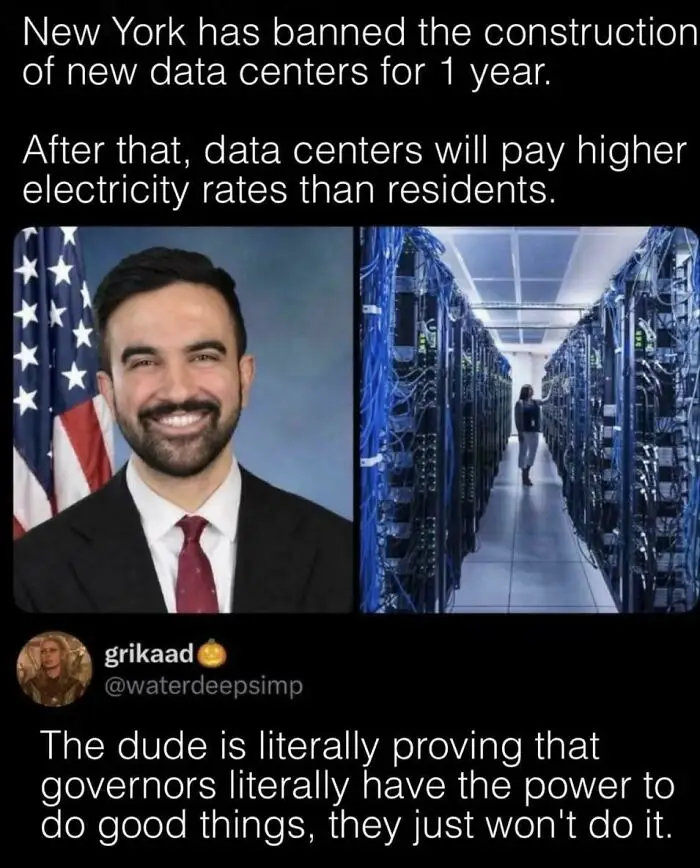
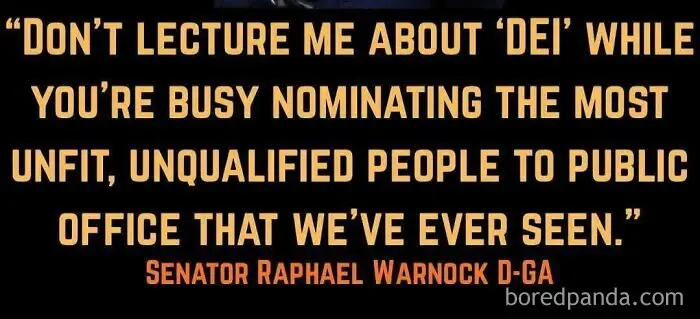
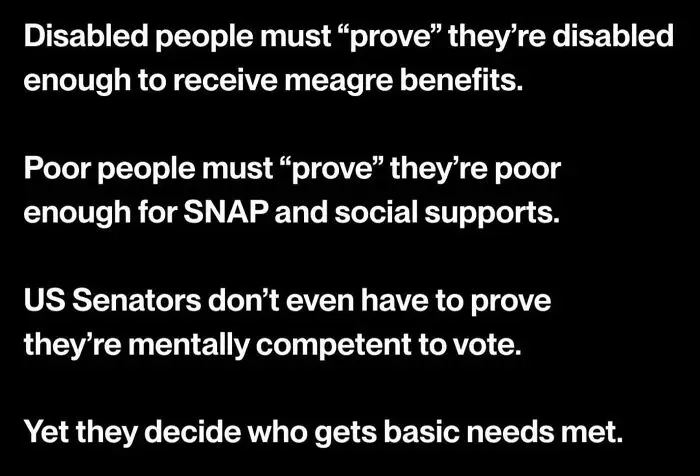
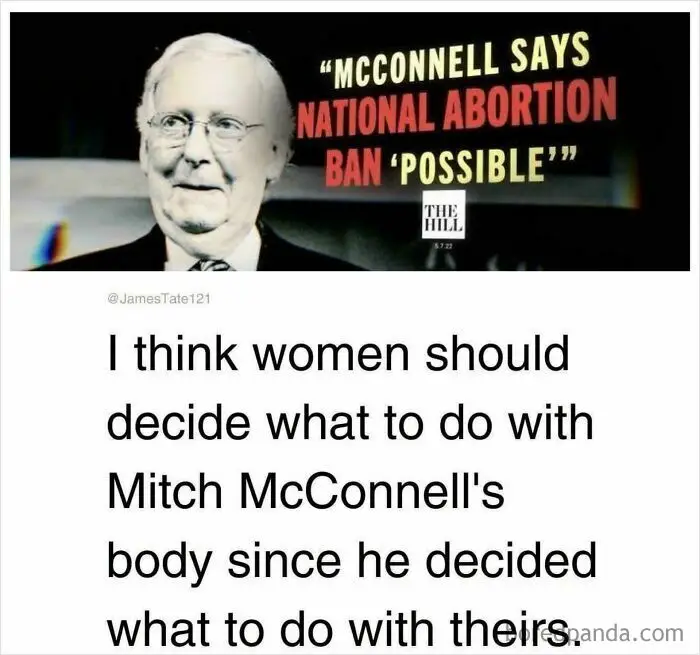
And perhaps that disconnect is part of what makes some aspects of modern life feel so dystopian: the growing sense that the people making decisions and the people living with the consequences aren’t always the same. And that goes beyond government, extending to the technology, workplaces, corporations, and other institutions that increasingly shape our everyday lives. Sometimes, it’s simply the realization that the people and systems shaping our lives don’t seem to be working as well as they should—or, at least, not for everyone. And these folks have the receipts to prove it.

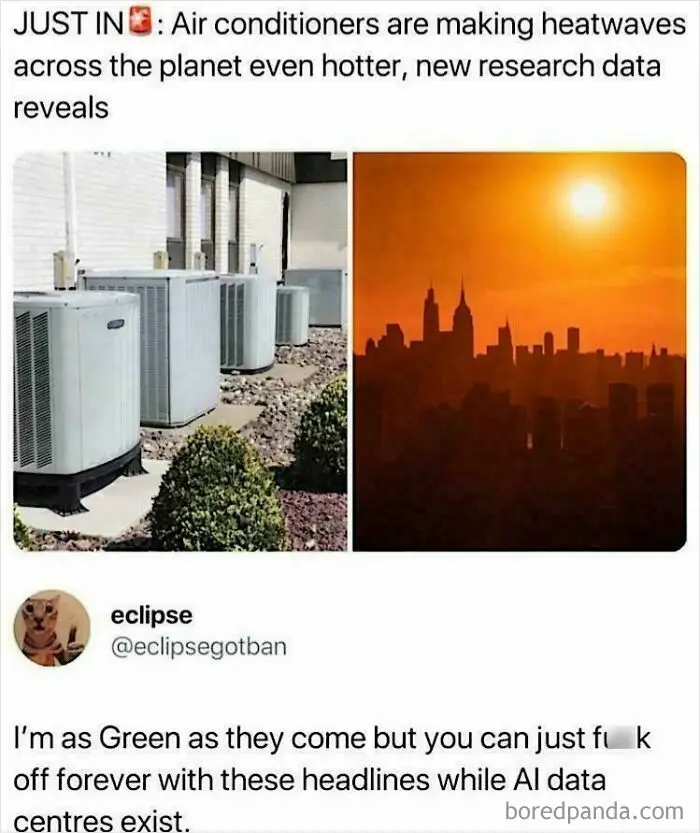
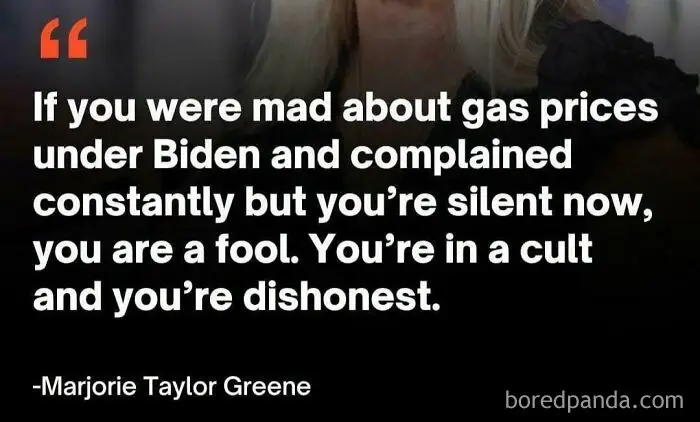

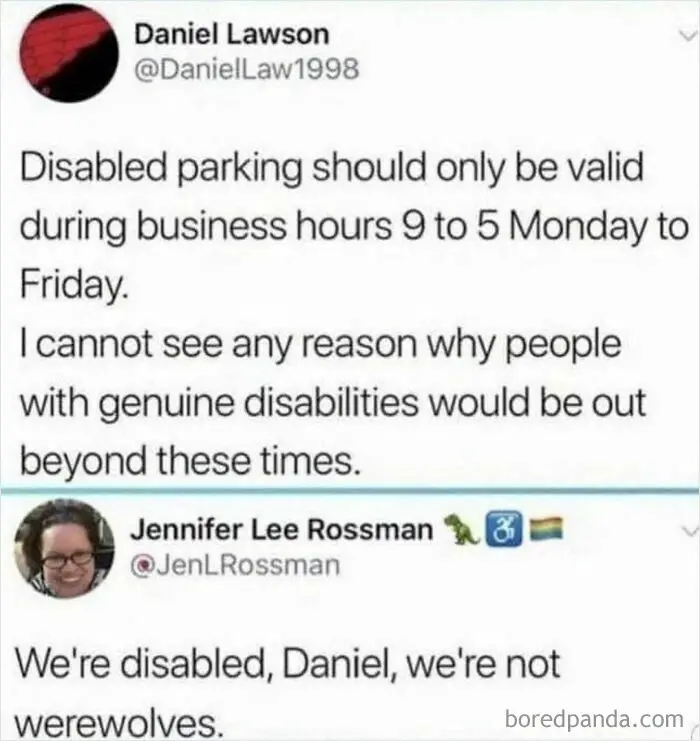
#30 And What About Disabled Vampires?! You Didn't Think About Them Now Did You, Daniel