






#1
Honestly made my day, it was super cute.
Some of life's strangest experiences happen when you least expect them. Like that time I went through a KFC drive-through (as in Kentucky Fried Chicken) only to be told, "Sorry, we're out of chicken." Wait. What? Or that other time I ordered a medium meal and was asked, "Would you like that extra medium?" Huh.
Drive-throughs have been around a lot longer than many of us might realize. The first one popped up in the United States during the 1930s. But it was a bit different to what we know today...
#2
When we pulled up to the window, the guy gave us our food and then gave me some fries, said, "No judgment, it's on the house," and winked at me. It was super nice but also I cringed of embarrassment and that was the day I learned they can hear you even when you don't think they can.
#3
"These establishments offered simple menus and served customers who could stay in their cars and be served by carhops," reports Top Grill Roadhouse. "Drive-ins became popular gathering spots, where families could enjoy a meal while experiencing the novelty of dining from the comfort of their vehicles."
Soon, drive-throughs had evolved to cater for car-crazy people, and very busy families.
"The true birth of the fast-food roadhouse can be attributed to the establishment of the first fast food chains," notes the site. "In the 1940s and 1950s, entrepreneurs like the McDonald brothers, Richard and Maurice, and others introduced innovative systems and streamlined processes to deliver food quickly and efficiently."
#4
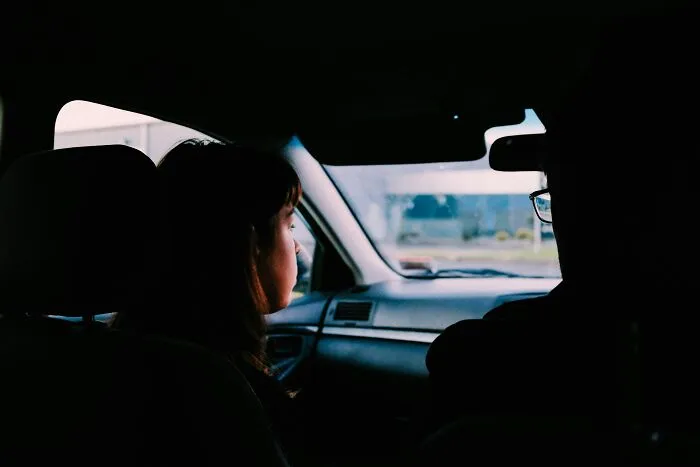
I greeted her with “hello mam, sorry for your past experiences but not all of us are idiots, and in fact we all can hear you on the headsets as soon as you pull up”
She drove off.
#5
He is in fact, a good boy.
#6
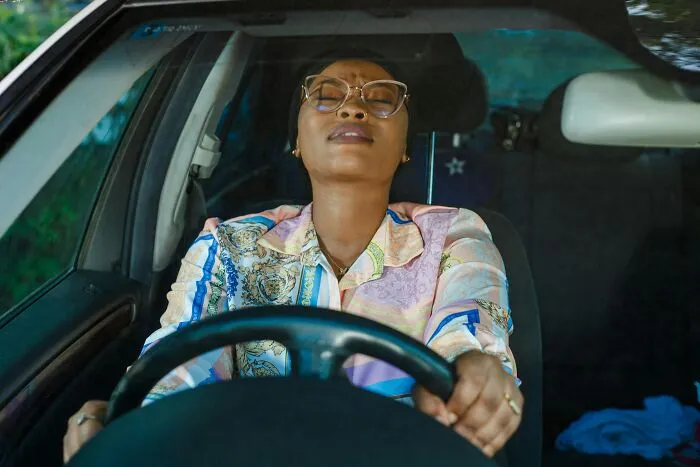
person in her passenger side asks: "what's wrong?"
she responds, window still down: "my dad just passed away."
taking her payment was extremely uncomfortable.
According to the National Museum of American History, the first In-N-Out Burger drive-thru opened in California in 1948. "Customers received sheets of butcher paper to protect their laps while eating in their cars," it reveals. "Soon, printed 'lap mats' were a regular feature of the chain."
It was the McDonald brothers who changed the face of drive-throughs with their revolutionary Speedee Service System, which was implemented in their San Bernardino, California restaurant. It focused on mass production, standardization, and fast service, cutting down the time that customers had to wait for their food.
"The success of this concept led to the opening of the first McDonald's franchise in 1955, marking the beginning of a fast-food empire," the museum's site notes.
#7
#8
#9
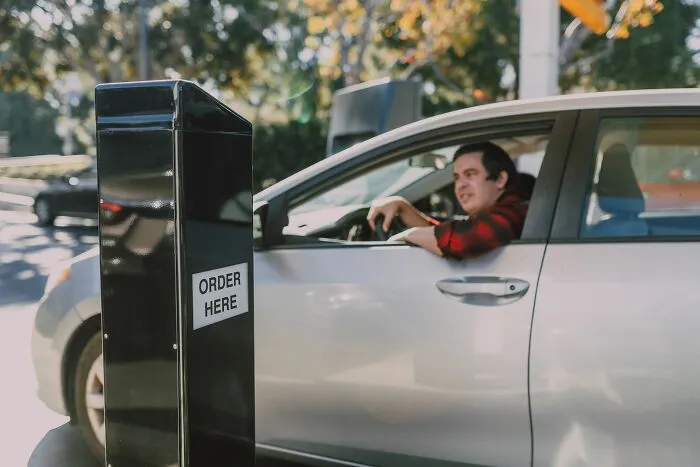
He was looking at the chicken nuggets.
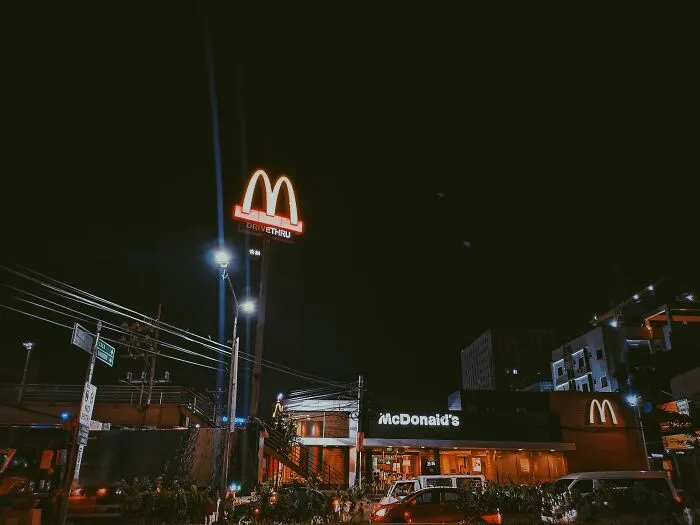
Nowadays, between 40% and 70% of fast-food customers use drive-throughs, with drive-through lanes generating roughly 60% to 70% of total sales for major quick-service chains like McDonald's.
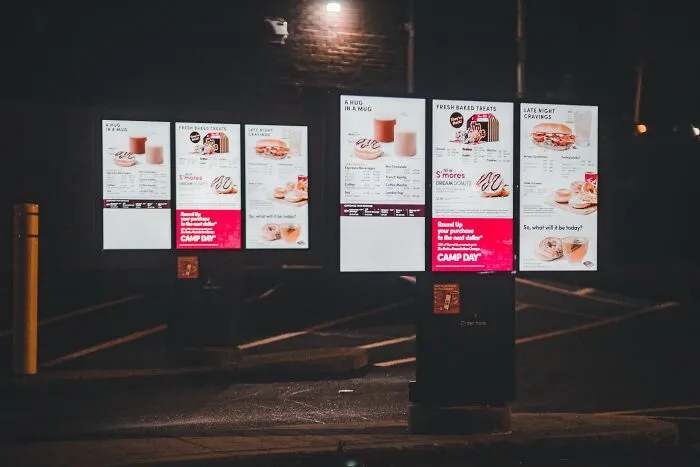
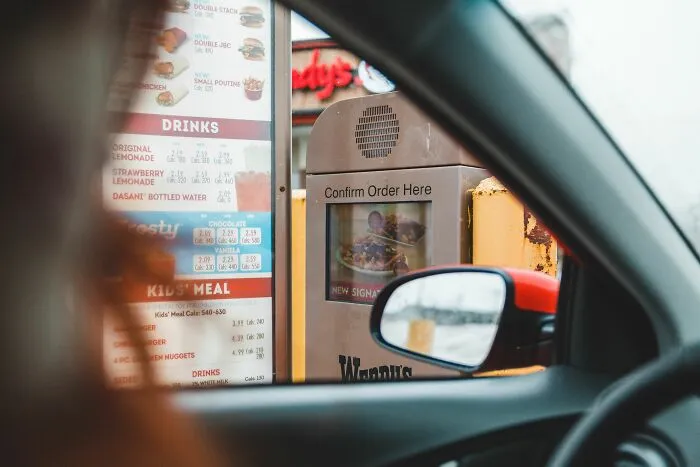
What many might not know is that the person taking your order at McDonald's can actually hear you from the second your vehicle pulls up to the speaker.
"The way that McDonald's drive-thru communication system works is that there is a sensor in the drive-thru lane that is triggered when you drive over it. This issues a beep in the employee's headset and immediately starts transmitting audio from your end," explains the Tasting Table site. "On the employee's side, they have control over whether or not to transmit audio. This enables them to talk to other customers or restaurant staff without needlessly bombarding you with all of that excess information."
#10
#11
A lot of parents hadn't learned English well enough to feel confident ordering food, so they'd have their kids do it. This could be difficult depending on the age of the child, but I always admired it.
#12
According to a survey conducted by Drive Research, on average, Americans spend $148 on fast food each month.
"Fast food establishments are known for their convenience and accessibility, making them an attractive option for individuals with busy lifestyles or those seeking a quick meal solution," explains the Drive Research site. "The relative affordability of many fast food items, when compared to dining at sit-down restaurants, may also contribute to this monthly spending average."
#13
#14
#15
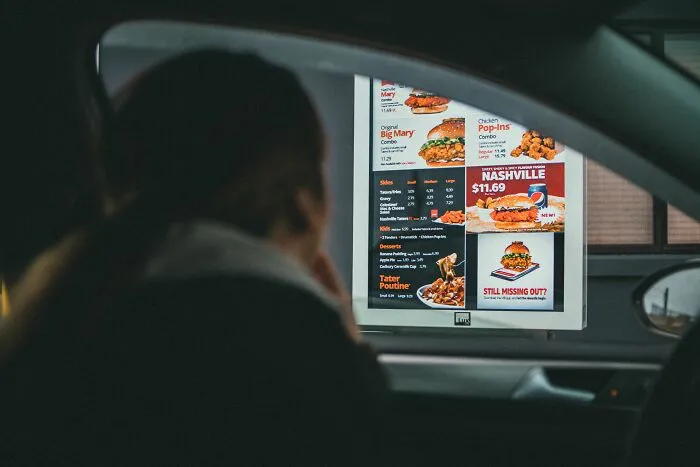
Drive Research's team also found that women are more likely than men to use a drive-through.
"Our fast food consumption survey found that 53% of females prefer to go through the drive-thru when purchasing fast food, while only 26% of males use the drive-thru," they noted, adding that one possible explanation for this difference could be related to convenience and time management.
#16
My boss took an order for 4 high school girls one morning. She hears them say “Wow, she was a jerk” and my boss says “you know, I can still hear you ladies. When you get up here to the window, just keep driving because we’re not going to be serving you today”.
The car full of girls goes slowly by the window with 4 girls flipping off the staff watching at the closed window and we all just waved g’bye.
#17
#18
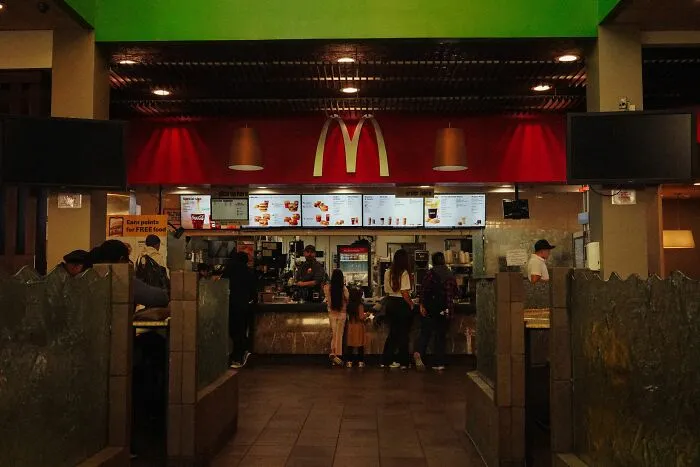
"Females may, on average, have busier schedules due to a variety of responsibilities, such as work, household chores, childcare, or other commitments," adds the research team. "As a result, they may be more inclined to opt for the convenience of a drive-thru, which offers a quicker and more efficient way to obtain meals."
But there could be another reason: staying in the car, especially at night, is simply safer. If you're opting to use a drive-through, just remember that you never know who is listening into your conversation!
#19
Gave me and my coworkers a good chuckle.
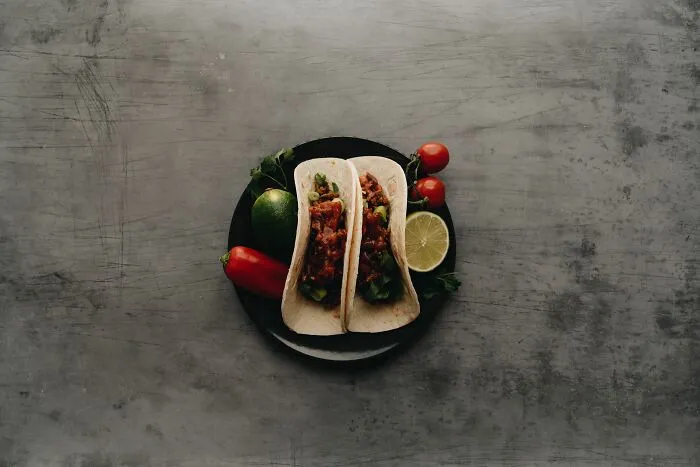
Note: this was years before BK had tacos, why do I live in a world where I have to clarify that?
#20
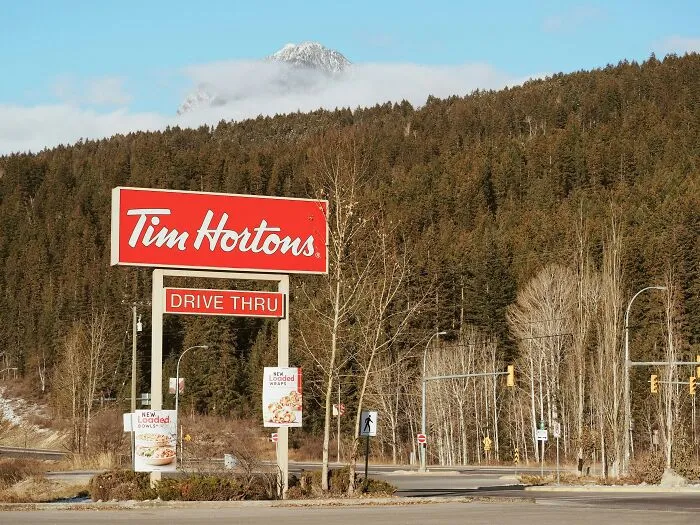
He walked inside and made a big scene about it then left with his 10-pack of Timbits. It was a weird experience.