

This post may include affiliate links.
#21
As for historians themselves, the University of Oxford suggests that they sharpen their skills by reading lots of books and journal articles about the topics they’re passionate about.
“Work out what you think about what you read. For instance, ask yourself: what is the author’s argument? Is it convincing? Why (or why not)? What evidence does the author use to make their argument? What is missing from their approach to the past? What else do historians need to find out? What primary sources would enable historians to understand this topic better?” the university sets out some guidelines.
#22
#23

#24
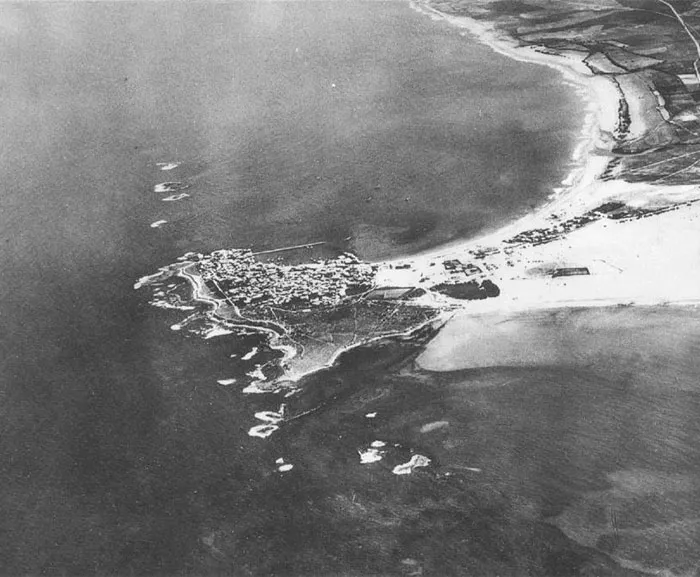
Historians shouldn’t just spend their time in the library among gorgeous dusty books, however. They should also engage with the news, visit museums and historical sites, listen to podcasts, and take part in their academic community’s events.
For some more dramatic moments in history, take a peek at Bored Panda's previous post.
#25
#26
#27
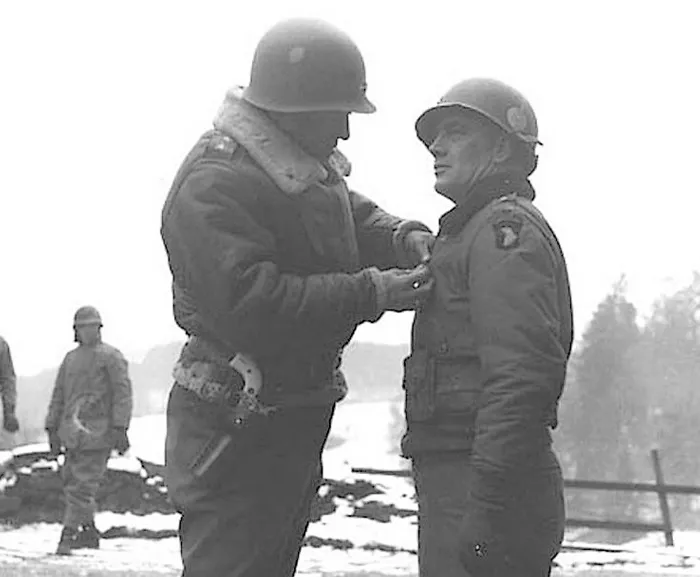
The fortune of war is changing. This time the U.S.A. forces in and near Bastogne have been encircled by strong German armored units. More German armored units have crossed the river Our near Ortheuville, have taken Marche and reached St. Hubert by passing through Hompre-Sibret-Tillet. Libramont is in German hands.
There is only one possibility to save the encircled U.S.A. troops from total annihilation: that is the honorable surrender of the encircled town. In order to think it over a term of two hours will be granted beginning with the presentation of this note.
If this proposal should be rejected one German Artillery Corps and six heavy A. A. Battalions are ready to annihilate the U.S.A. troops in and near Bastogne. The order for firing will be given immediately after this two hours term. All the serious civilian losses caused by this artillery fire would not correspond with the well-known American humanity.
The German Commander.
*NUTS!*
The American Commander.
#28
#29
#30