





Dogs may be known as humanity’s best friend, but that doesn’t mean we always understand them as well as we think. From wagging tails and wet noses to eating grass, barking, and displays of “guilt,” plenty of familiar dog behaviors have accumulated explanations that sound convincing but don’t necessarily match what researchers know about canine behavior.
Part of the problem is our tendency to interpret dogs through a human lens. A wagging tail is often assumed to mean happiness, a guilty-looking face can be mistaken for remorse, and certain behaviors are still explained using outdated ideas about dominance. In reality, canine body language and behavior are more nuanced, and factors such as context, learning, genetics, and environment can dramatically change what a particular action means.
Curious which popular dog “facts” hold up and which deserve a second look, Bored Panda asked a dog behavior expert Dr. Kristina Spaulding to weigh in.

#1 Growling Is Bad Behavior

A growl is often a dog's way of saying, "I'm uncomfortable," "I'm scared," or "Please give me some space." Punishing a dog for growling may suppress the warning without addressing the underlying emotion.
31points
#2 A Quiet Dog Is Always A Relaxed Dog

Dogs often show discomfort through subtle body language long before they bark or growl. Lip licking, turning the head away, freezing, yawning, avoiding eye contact, or showing the whites of their eyes can all be early signs of stress or anxiety.
Report
27points
#3 A Wagging Tail Always Means A Dog Is Happy

A wagging tail simply means a dog is emotionally aroused. Depending on the position, speed, and stiffness of the wag, it can signal excitement, curiosity, nervousness, or even frustration, not just happiness.
20points
#4 Rewarding Good Behavior Is Less Effective Than Punishing Bad Behavior

Research consistently shows that dogs learn faster and develop stronger relationships with their owners when training focuses on positive reinforcement instead of punishment.
Punishment can work, especially in the short-term. But, it can also often make the behavior worse, damage the relationship, teach the dog not to give warning signs, and create a number of other side effects.
18points
#5 Yawning Always Means A Dog Is Tired

Dogs often yawn when they're feeling stressed, overwhelmed, or uncertain. It's one of several calming signals they use to cope with uncomfortable situations.
17points
#6 You Can't Teach An Old Dog New Tricks
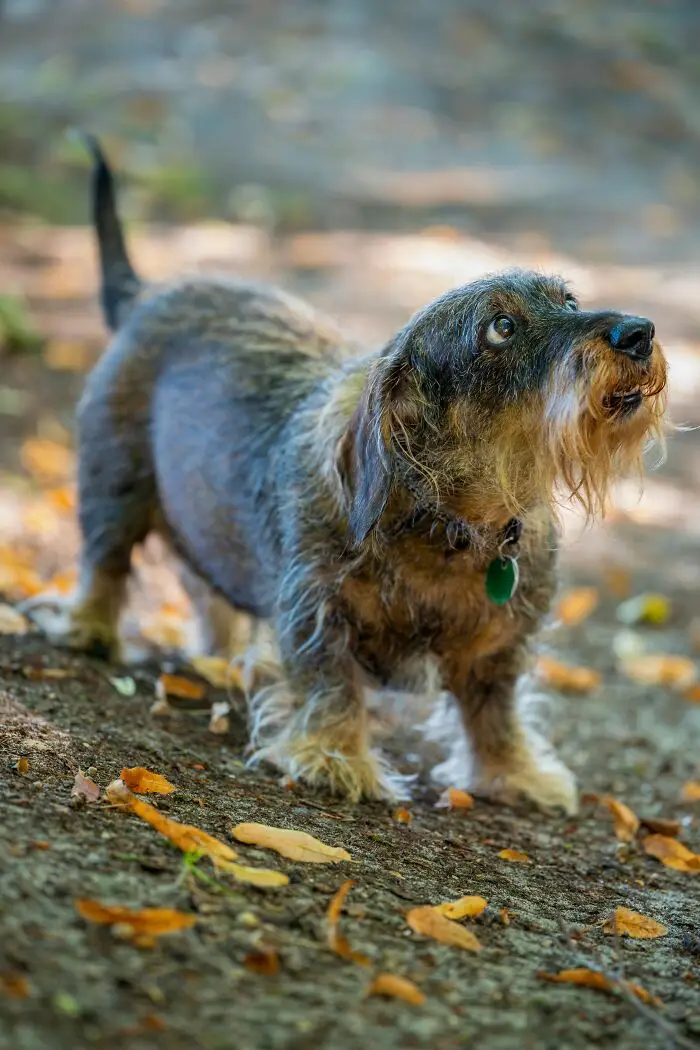
Age isn't the biggest obstacle to learning. Healthy senior dogs are fully capable of learning new behaviors, commands, and routines when training is patient, consistent, and rewarding.
Report
15points
#7 Sleeping Belly-Up Always Means Complete Trust
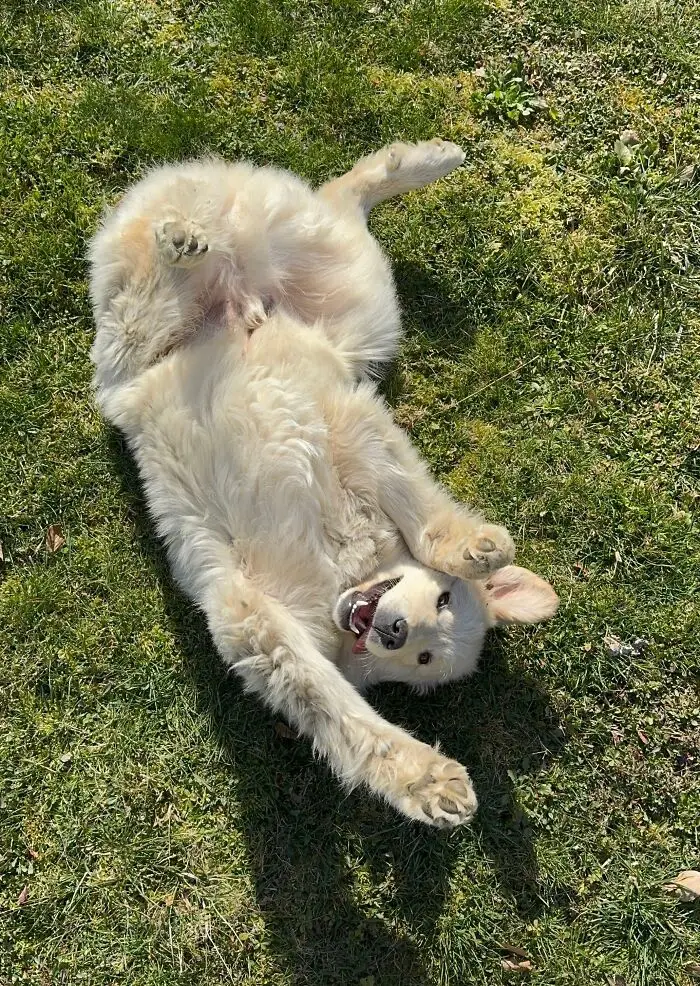
Although this position can signal relaxation, many dogs also sleep on their backs simply because it's comfortable or helps them cool off by exposing their belly.
Dogs will also sometimes go belly up when they are feeling threatened, so it can actually be an appeasement signal as well.
14points
#8 The "Zoomies" Are Not Normal
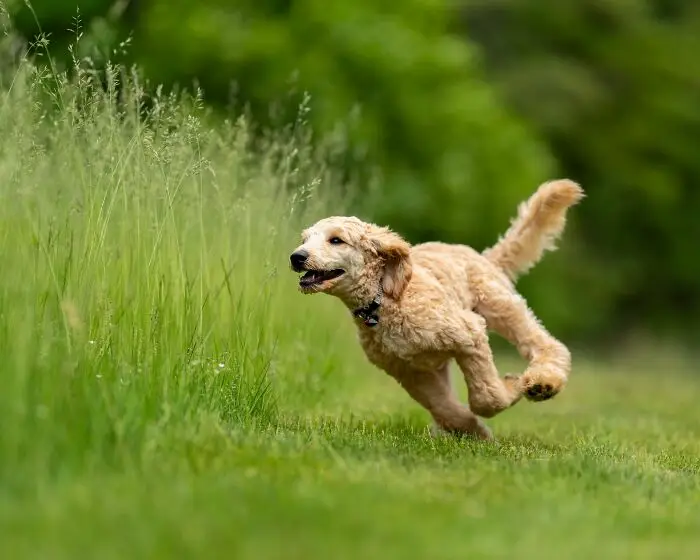
Those sudden bursts of frantic running, officially known as Frenetic Random Activity Periods (FRAPs), are a healthy way for many dogs to release excitement and excess energy.
Report
14points
#9 Breed Automatically Determines Behavior
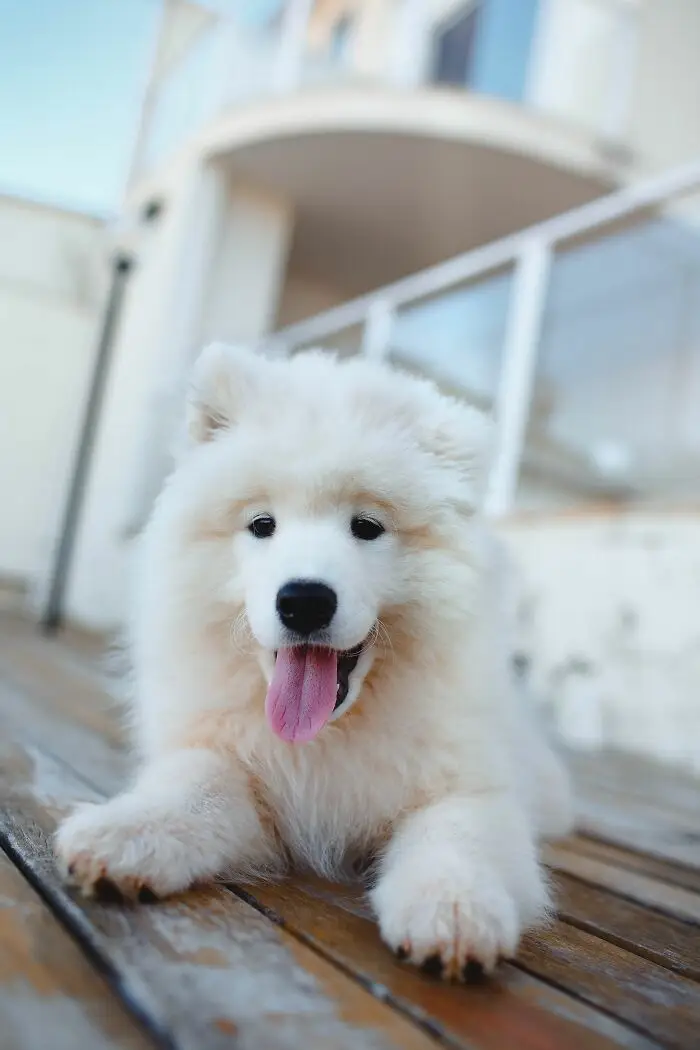
While genetics influence certain tendencies, a dog's personality is shaped by many factors, including early socialization, training, environment, health, and individual experiences.
Report
11points
#10 Dogs Misbehave Out Of Spite Or Revenge

When dogs chew furniture, have accidents indoors, or destroy belongings, there's usually an explanation such as boredom, anxiety, stress, frustration, or unmet physical and mental needs, not revenge.
Report
10points
#11 Dogs Feel Guilt The Way Humans Do

That famous "guilty look" usually appears because dogs are reacting to their owner's tone of voice and body language. Rather than admitting they did something wrong, they're responding to the situation unfolding around them.
Report
9points
#12 Every Dog Wants To Make New Friends
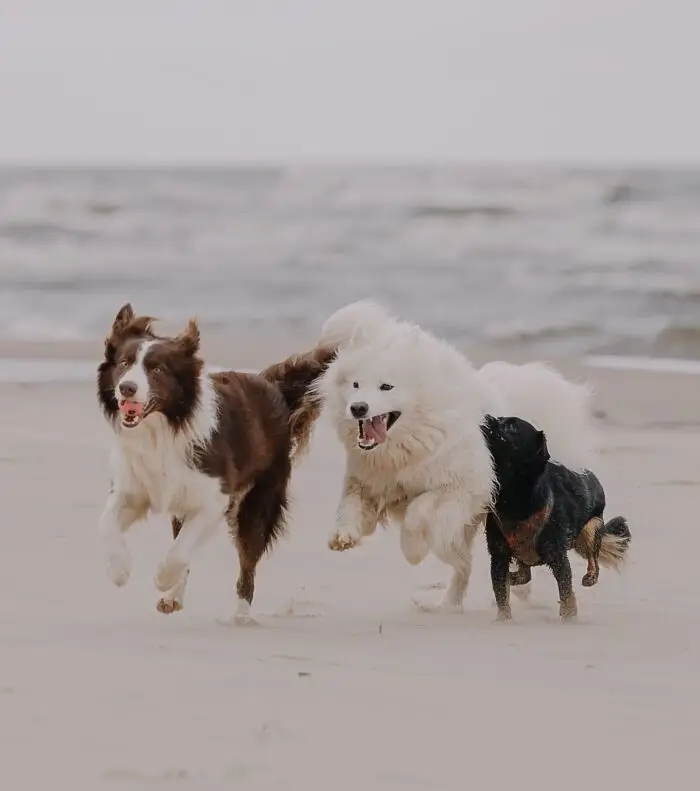
Just like people, dogs have different social preferences. Some enjoy meeting every dog they see, while others feel happier interacting only with familiar companions.
Report
9points
#13 Socializing A Puppy Means Exposing Them To As Many People, Animals, Places, And Experiences As Possible
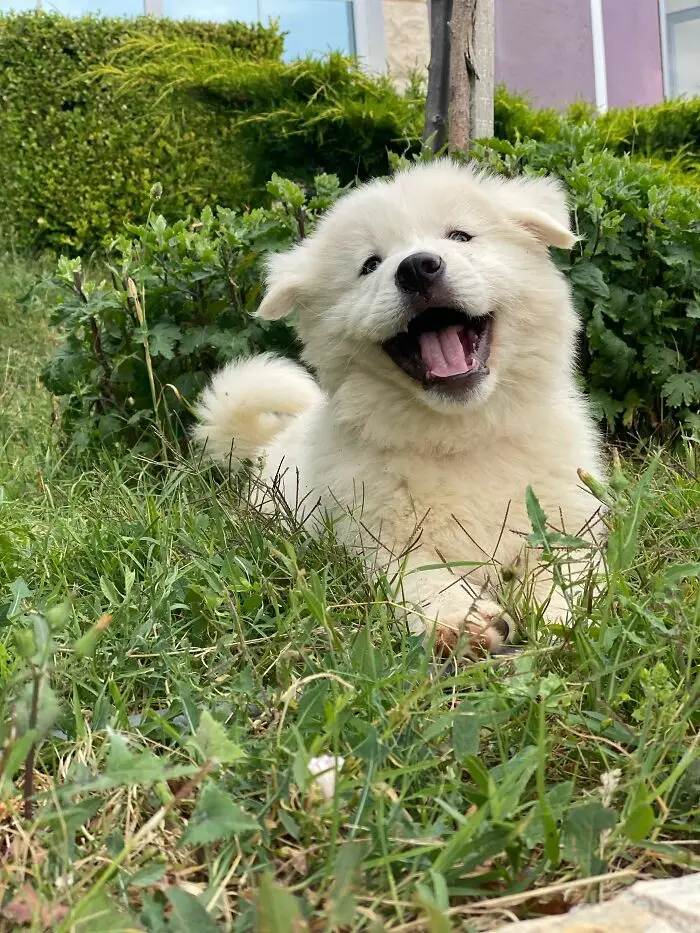
Effective socialization is not just about exposure. The goal is to help puppies develop positive—or at least neutral—associations with the world around them. Experiences should be gradually and carefully introduced at a level the puppy can comfortably manage. Puppies should be able to move away or opt out rather than being forced to interact. They can be comforted if they seek comfort. If they are placed into situations where they feel uncomfortable or unsafe, it can actually contribute to increased fear and have the opposite effect of what people are seeking.
Report
9points
#14 Licking Is Always A Sign Of Affection
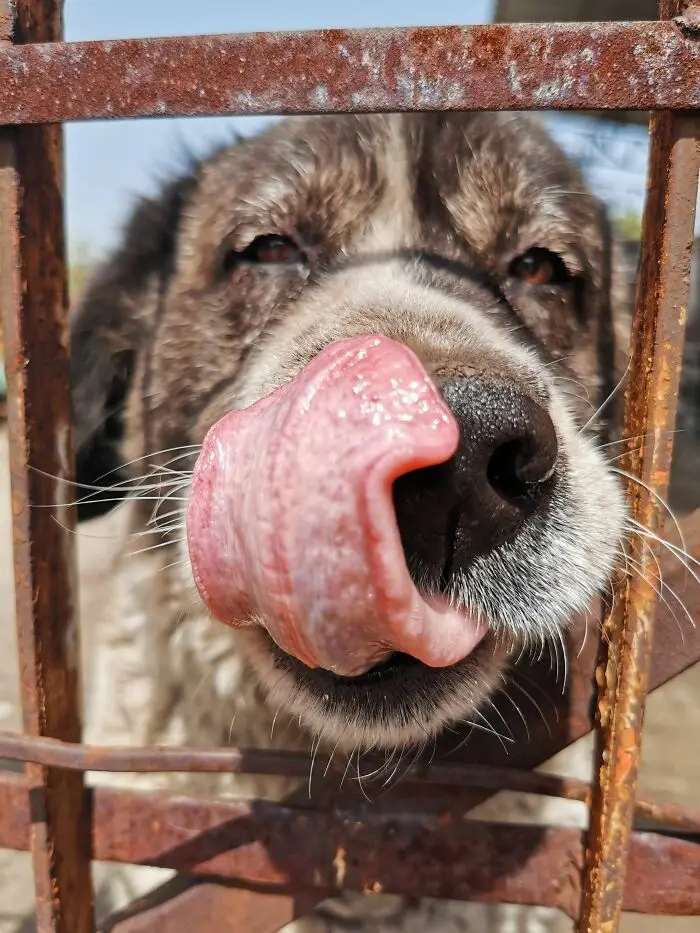
Dogs lick for many different reasons. They may be greeting you, seeking attention, gathering information through taste and scent, showing submission, or simply soothing themselves.
8points
#15 Dogs Are Trying To "Dominate" Their Owners
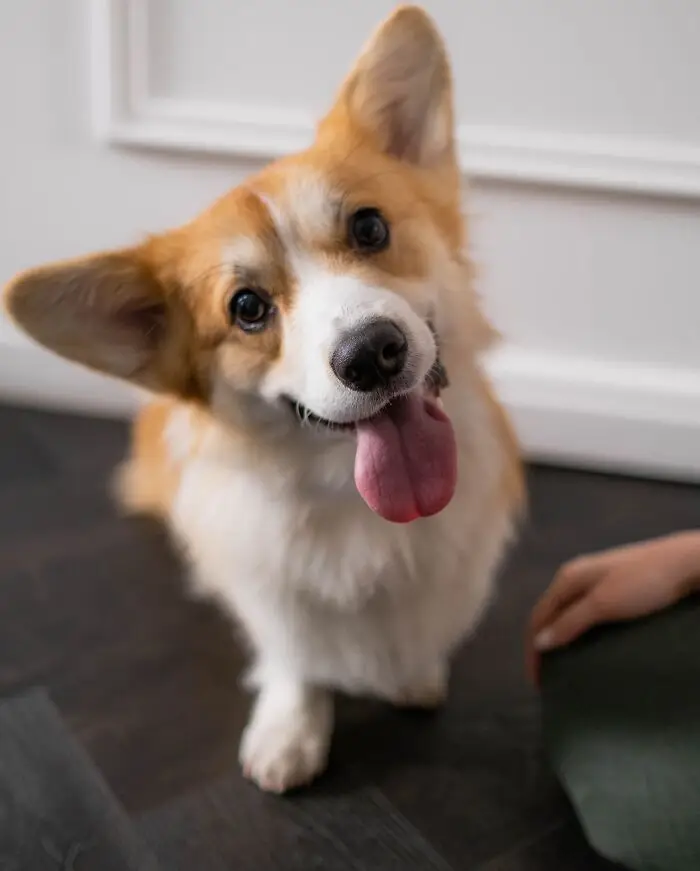
The idea that dogs are constantly trying to become the "alpha" has largely been abandoned by modern animal behaviorists. Most unwanted behaviors stem from fear, stress, confusion, excitement, or a lack of training, not a desire for control.
Report
7points
#16 Dogs See The World In Black And White

Dogs don't experience colors the same way humans do, but they aren't colorblind. They can distinguish shades of blue and yellow, although reds and greens appear much less vivid.
7points
#17 Ignoring Their Owner Means A Dog Is Being Stubborn
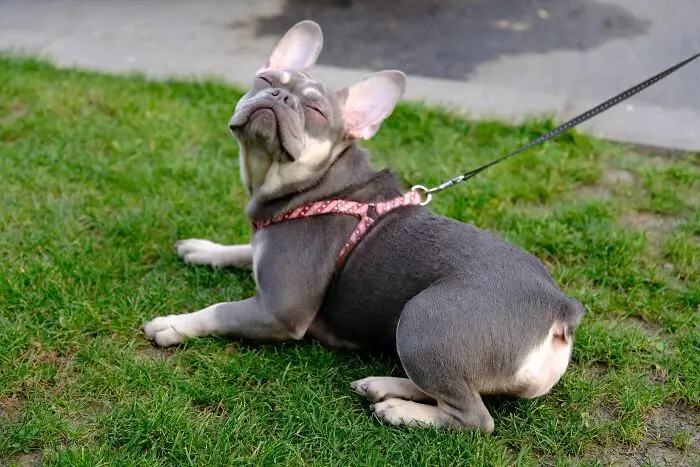
A dog that doesn't respond to a command may be distracted, confused, anxious, overstimulated, or simply unsure of what's being asked, not intentionally disobedient.
5points