





#1

#2

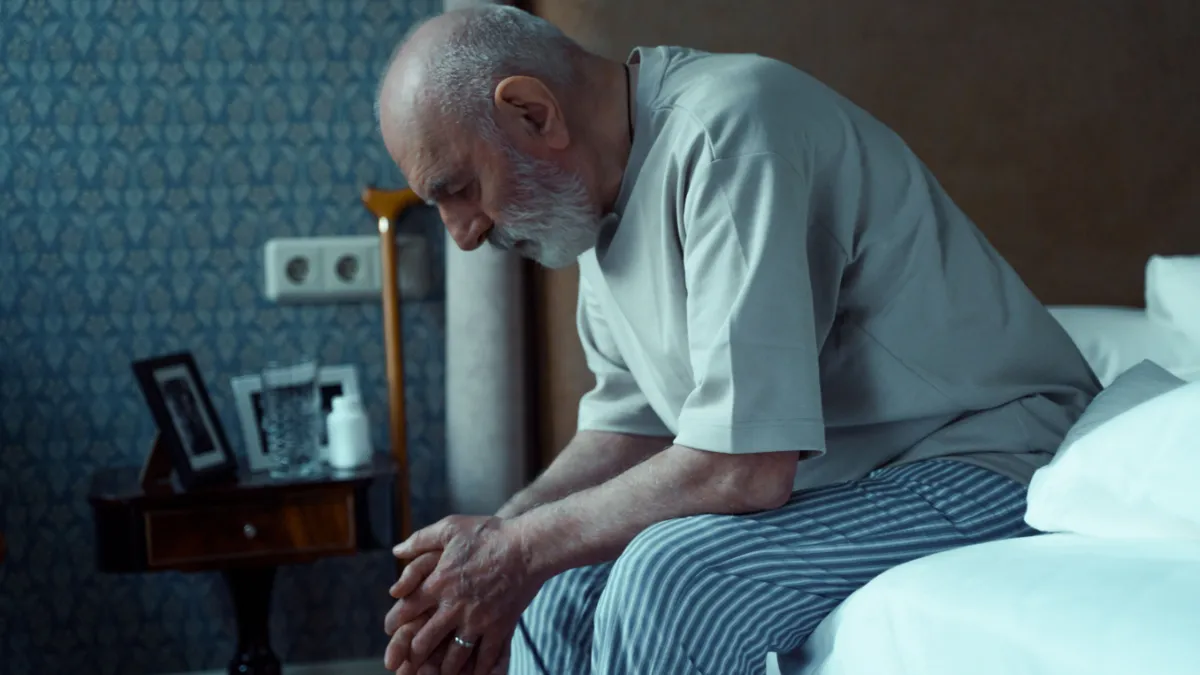
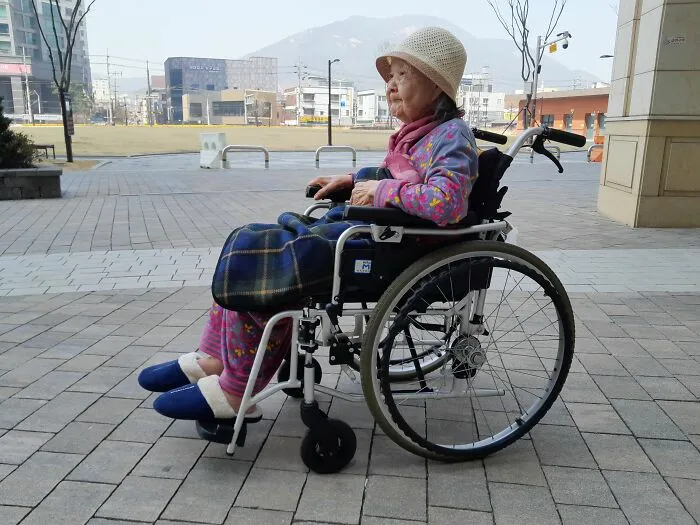
She was blind, frail, constantly in pain (though she wouldn't show it), in a wheelchair, and she desperately loved her family. But each time her children, their spouses, her grandchildren visited, one would distract her, and the other would sneak around her home and steal. (Even though they were doctors/lawyers and the like.)
She'd wave them off with a cheerful goodbye, and as soon as their car was out of sight, she'd take a deep breath, and ask me to show her which room/s they gone in. Then she'd try to find what was taken. I'd watch her quietly cry, with these heartbreaking wimpers and sniffles, saying things like, "but that was my mother's, it was all I had left of hers."
One day while she was really suffering (her daughter in law demanded my company reduce her pain meds because "a*******n runs in the family"), she broke down and admitted that she felt that her life that she had dedicated to a more traditional role of raising children felt completely wasted and meaningless. She said that she doesn't believe that she had ever been loved since her parents passed -- not by her husband nor her children that she had sacrificed everything for. She said that since I was still young and had time, that I would learn from her mistakes, and live for myself, because "times are changing".
She was so so lonely. Even though its been years, I still hope those nasty, rich, selfish little vultures step on a rusty nail.
#3

As people approach the end of their lives, they may find themselves looking back on the experiences that shaped them, the choices they made, and the relationships they formed along the way. Science Norway explains that psychologists call this process life review, a natural tendency to remember and evaluate past experiences as people try to make sense of their lives.
When the future becomes shorter and more uncertain, reflecting on the past can become a way to understand who they were and what their lives ultimately meant. Rather than simply reminiscing about happier times, people may begin revisiting moments that still carry emotional weight, including decisions they regret and things they wish they had done differently.
#4

#5

#6

Every drop of milk came back, the mouth “weren’t right,” and lord only knows what else. The husband was threatening to abandon her and the other kids because it “obviously” was because of something she did that the baby had severe disabilities, and the baby was wasting away, crying, unable to take in anything. So she smothered it. One of the saddest people I ever met.
This reflection can bring unfinished business to the surface, particularly when it involves loved ones. People may think about relationships they neglected, apologies they never offered, or feelings they kept hidden because they feared the consequences of expressing them. Looking back can help some people reframe painful experiences, accept what they can no longer change, and recognize the meaning their lives have held.
Psychologist Erik Erikson explored a similar idea in his theory of psychosocial development, which suggests that reflecting on one's life can lead to a sense of integrity and fulfillment or, alternatively, despair over missed opportunities and unfulfilled hopes. For some patients, sharing a long-held secret may therefore be part of trying to make peace with their past or ensure that others understand an important part of their lives.
#7
#8

#9

Cut to these men, dying in the ICU and barely able to breathe, saying to themselves and to me: “I’m so stupid. I’m so stupid. Why didn’t I get the vaccine!?”
And I said plural because I actually had 3 different male patients in that same scenario, and they all died a terrible d***h.
The desire to open up can also be influenced by the person on the receiving end of a confession. Upworthy explores why patients nearing the end of life may feel comfortable confiding in nurses and doctors, who can offer a combination of emotional support, familiarity, and distance from the patient's personal relationships. Someone may hesitate to tell a spouse or child about a past mistake, a difficult feeling, or a secret that could hurt the family.
A healthcare professional, however, is close enough to offer compassion without being directly involved in the situation. This can make it easier for patients to discuss sensitive subjects they have avoided for years, particularly when they feel that a medical professional will listen calmly rather than react with anger or disappointment.
#10
#11

“F**k those g*****n cigarettes”.
#12

Trust often develops through repeated interactions rather than one dramatic conversation. Nurses may spend extended periods caring for patients, sharing quiet moments, providing comfort, and talking about ordinary things that gradually make a hospital room feel less unfamiliar. These everyday interactions can create opportunities for patients to become more open about their fears, regrets, and personal histories.
Facing a serious illness can also bring questions about mortality, loneliness, and unfinished relationships into sharper focus, making previously avoided conversations feel more urgent. A confession may not necessarily be an attempt to obtain forgiveness or change what happened, but sometimes, a patient simply wants someone to understand what they have been carrying privately. Being heard without judgment can offer comfort when other aspects of their situation feel beyond their control.
#13
It turns out that she had a lot of lesbian magazines as well as paraphernalia.
The poor woman was in the closet for almost 90 years.
#14

#15
Another reason people may choose to reveal something deeply personal is their desire to make sense of unresolved experiences before they lose the opportunity to address them. Verywell Mind explains that the need for cognitive closure refers to a preference for clear answers and definite conclusions rather than uncertainty. Closure can also involve acknowledging difficult emotions, repairing relationships, apologizing, forgiving someone, or finding meaning in past decisions.
When an issue remains unresolved, people may continue searching for explanations or imagining how things could have turned out differently. This can become particularly significant near the end of life, when there may be limited time left to revisit an old disagreement, explain a painful decision, or tell someone how much they mattered.
#16
#17

Edit: I’m gonna have to checkout the clint Eastwood movie. But this story happened in 2014 a few years before that movie even came out.
#18
Not every unresolved issue can be neatly settled, however, and finding closure does not always mean receiving forgiveness or obtaining every answer. Sometimes, the most a person can do is acknowledge what happened, explain their perspective, or finally express a feeling they have kept hidden. Speaking openly can turn a private concern into something another person has witnessed and understood, even if the circumstances cannot be changed.
This may help explain why some patients share their most personal revelations with a healthcare professional rather than with the person directly involved. A clinician can provide a space for reflection without promising to repair a relationship or resolve a lifetime of regret. The act of speaking may itself be meaningful, particularly when the patient wants their experiences to be understood rather than left entirely unspoken.
#19

The son arrived who still lived on the family farm in Iowa, and his dad said there was gold buried underneath the concrete water trough for the cattle which was built in 1933 and it was time to retrieve it. The son thought his dad was delirious and said “sure, dad” and seemed he didn’t believe him. The dad kept saying it and the son finally began to believe him. I never found out if gold was really there but his elderly Dad gave his last ounces of energy and effort to tell him.
#20
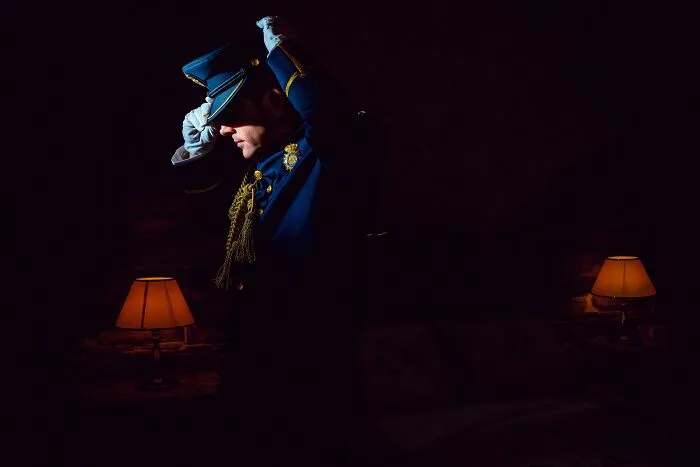
After listening to her for a while, I put together that her husband was a N**i officer and they were fleeing so he wouldn’t get persecuted for war crimes.
ETA Prosecuted! Not persecuted.