






#1
We often hear that nobody regrets working too hard when facing the final curtain. So what do most people ponder at the very end of their life?
Grace Bluerock is a social worker who spent six years working in hospice care. She says what she heard and saw taught her so much about the meaning of life. Many of those she comforted were trying to make peace with their time spent on earth.
"Although each person's life story was unique, certain disappointments were expressed time and time again," reveals Bluerock.
The number one regret patients had was that they weren't loving enough to the people who mattered most.
"Many people expressed sorrow for not having been more understanding, caring, and present for the people who were important to them," says Bluerock. "They wished they had the courage to say 'I love you' more often."
#2
#3

The second most popular regret was similar to the first.
"The people I worked with often regretted taking their families for granted," Bluerock says. "After all, once they got terminally ill, it was their families who stuck by them to hold their hand, provide love and companionship, and care for them around the clock."
The third is one many of us were expecting to pop up: "I wish I never spent so much time working." Bluerock reveals that many of her patients admitted to working long, hard hours, and in doing so, ended up missing some of the important moments in their kids' lives."
#4
When he was dying, he told me there was a g*n hidden in his house and he wanted me to take it. In his youth, there had been a guy in the neighborhood who was beating his wife, and everyone knew about it. The woman finally came to my grandfather and asked for help. He and his buddies went to the guy’s house in the middle of the night, the wife let them in, and they beat the s**t out of him in his bed. Then my grandfather stuck the g*n in the guy’s mouth and told him to forget about his wife and leave town that day, and if they ever saw him again, it would be the last time. After that, he hid the g*n in his basement and forgot about it for 50 years. Sure enough, after he was gone, we found an ancient revolver down there.
Not that disturbing of a story, really, but it was a shock to me, because he had always just been the sweet old guy who told me dumb jokes. And really, I think your average person doesn’t get to hear that many deathbed confessions.
#5
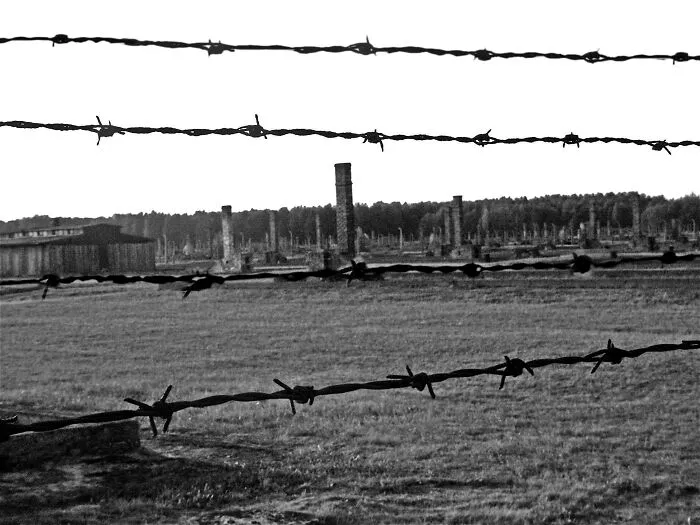
#6
Him and 3 other guys were checking houses and inside one of the houses were 2 N**i Doctors. Upon further inspection they found 2 American soldiers that the doctors had been draining blood from so they could use it for injured N**i's.
They tied up the n**i Doctors, untied the soldiers and grabbed a bottle of alcohol. They shot the n**i Doctors in the stomach and stood over them drinking the alcohol watching them suffer until they died.
Bluerock shared a story about one such person—a salesman whose boss expected him to travel three weeks each month, despite him having a young daughter at home.
"Although he was an excellent provider for her, he never got to know her well," the social worker revealed. "As she became older, he tried to form a relationship with her, but it was too late to make up for lost time. He never fully forgave himself for choosing time at work over time with her."
#7
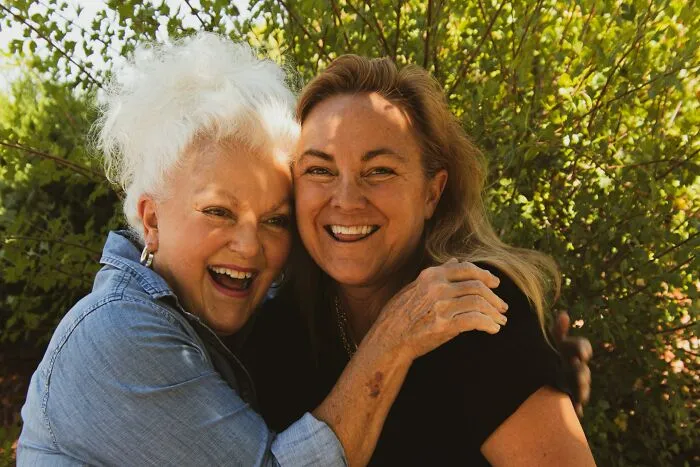
Finally admitted they were more than roommates, but never were intimate for her fear they would not go to heaven.
Imagine 60 years together with the love of your life and never having physical intimacy for fear of going to hell.
#8
#9

After he got out, he and my grandmother moved to the new Chicago suburbs and bought a house that is still there to this day (Zillow estimate shows a seven-figure valuation). He got into electric motor sales at a company called Bodine Electric and rose up to VP of Sales very quickly, before the 50s were over. Well, Mr. Bodine had a couple sons who would be taking over the company, and that didn’t sit right with my grandfather who wanted to be President of the company. So, he quit.
They moved to a small rural town in Indiana where he thought he’d open an engineering supply and distribution company. That failed, and so did his 4 later companies. He went bankrupt owing money all over town. He went on social security disability due to some nebulous and largely unfounded claims of back problems supported by the local town physician, and my grandmother went back to work to support the family as a school teacher on one income and his SSD. My dad and his siblings grew up poor and put themselves through school working at the local steel mill, etc.
He lived in that small, poor town for the rest of his life sitting in a chair watching tv from the 1960s on. On his deathbed in 2011, he whispered to my grandmother, loud enough for all his children and grandchildren still to hear, “We should’ve stayed in Chicago.”.
Bronnie Ware also worked in palliative care for many years, and went on to write an international bestselling memoir about the top five regrets people have at the end of life. The expert says that people grow a lot when faced with their own mortality.
"I learnt never to underestimate someone’s capacity for growth," Ware wrote. "Some changes were phenomenal. Each experienced a variety of emotions, as expected, denial, fear, anger, remorse, more denial and eventually acceptance."
Ware says that when questioned about any regrets they had, or anything they would do differently, common themes surfaced again and again. However, she adds that thankfully, every single patient found their peace before they departed.
#10

#11

#12
According to Ware, the most common regret her patients shared was that they hadn't been true to themselves. "I wish I’d had the courage to live a life true to myself, not the life others expected of me," they'd say in their final days.
The expert explains that when people realise that the end is near, and they look back at their live, many realize just how many dreams have gone unfulfilled.
"It is very important to try and [honor] at least some of your dreams along the way," she warns. "From the moment that you lose your health, it is too late. Health brings a freedom very few [realize], until they no longer have it."
#13
After the women in his family were m******d by Nazis in Poland, he (was still a young child) and his dad were able to escape to a nearby forest. He doesn't know how old he was or how long they hid but his dad went blind during that time. He mentioned he thought he was around 10.
At some point the resistance found him and his dad hiding in the forest. The resistance reclaimed the town and wanted to bring them out from the forest. Once in town they brought my grandfather to the father and son that m******d his family.
The resistance leader told him this was his only chance at retribution. My great grandfather being blind couldn't do it. They handed my grandpa a g*n. He k****d them both. Only time I heard him cry and he never told anyone because he was scared he'd go to jail for it. .

#15
Just like Bluerock, Ware says that working too much was often right there near near the top of the list. Especially with her male patients. In fact, she says every man that she nursed said the same thing: They missed their children’s youth and their partner’s companionship.
"Women also spoke of this regret," reveals Ware. "But as most were from an older generation, many of the female patients had not been breadwinners. All of the men I nursed deeply regretted spending so much of their lives on the treadmill of a work existence."
#16
My father and I spoke on the phone about once a week. We hadn't talked in close to 2-3 weeks at this particular moment and he tried to reach out on a Friday night. I was out of town visiting friends, at their party, when he called me. I didn't take the call - figured I'd call him back when I returned home on Sunday.
Sunday came and I unpacked, did laundry, etc. 100% forgot to call my father.
Monday, at work, I started with lunch break with "oh, I should call dad and see what he wanted".
I called, phone rang 6-7 times, and my oldest brother picked up. He had just got to the house a few minutes prior to me calling. His exact words were, "Hey Raymond, it's Mike. They found dad this morning, passed away in his bed. Apparently he passed during his sleep last night."
I'll never know what that phone call was.
That's hard to live with.
Always take the call.
Always.
#17
#18
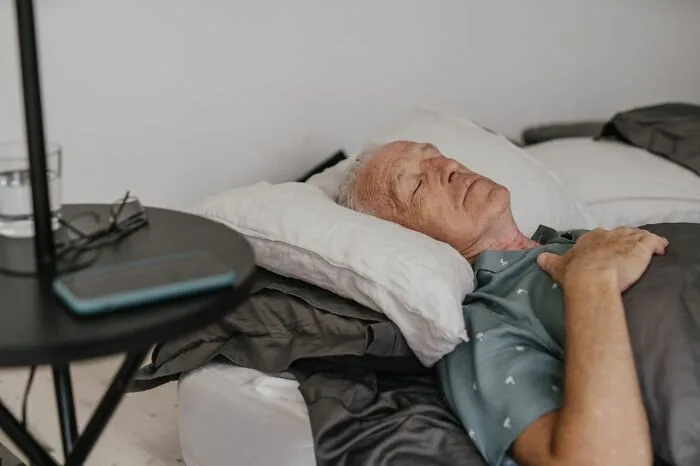
Another regret many people take to the grave is that they didn't always express how they truly felt. Ware says many patients admitted to suppressing their feelings in order to keep peace with others. In some cases, this was the very reason they ended up getting sick.
"They settled for a mediocre existence and never became who they were truly capable of becoming," she adds. "Many developed illnesses relating to the bitterness and resentment they carried as a result."
#19

My country had a period of civil war between the 60s all the way up until the late 90s.
A lot of people confessed to m*rders and acts of t*******m. The dementia patients didn’t so much confess directly but rather got confused and thought they'd just committed it.
One man stands out the most because he had a combination of dementia and serious mental health issues. Would often scream about it, break down in tears about planting a b**b outside of a bar where people had died.
#20

Years later, one of the relatives said the new man did not-so-good things to my dad's daughters. But because of our culture and the family's reluctance to open old wounds: I only heard about it when my aunt passed away.