





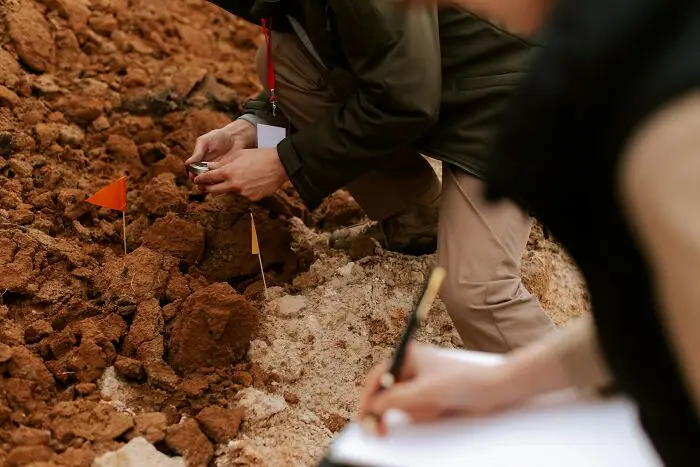
While Indiana Jones made it look glamorous, real archeology involves a lot of sitting outside and carefully picking at bits of dirt. But don’t let that fool you, it’s still a job where one is as likely to find bits of pottery as human and animal remains.
So people from across the internet shared archeological finds that they thought were particularly dark or disturbing. A word of warning, some of these are a bit gruesome. Get comfortable as you scroll through, check if you’re not on some ancient, holy burial ground, upvote your favorites and be sure to share your own thoughts in the comments below.
#21
Ramses II, considered by many the greatest Pharaoh ever, died from a tooth abscess. It struck me that one of the most powerful people in the world at one time was taken down in his prime thousands of years ago by something many people take for granted today: dental health. People still die from dental abscesses today, they don't know how dangerous it is.
Report
21points
#22
The most disturbing and saddening archaeological find for me was the discovery of seventeen bodies found in a well in Norwich in 2004. Carbon dated to between 1161 and 1216, some of the victims were found to be related to one other and contained genetic markers that suggested they were Ashkenazi Jews. They were likely victims of the Pogrom in 1190.
Report
21points
#23
If I had ever pursued anthropology beyond the undergraduate level, I had intended to focus on cannibalism for my Master's Degree and human sacrifice for my PhD. The behaviors appear aberrant to the casual observer, but when you look at it in terms of survival, among other reasons, cannibalism is actually a pretty logical decision to make.
In terms of cannibalism, I think the most disturbing find is not a find at all - yet. I've been reading up on survival cannibalism in China during the Cultural Revolution, and as archives are opening up for study, Chinese historians have been able to gauge how common cannibalism was during that period. What's shocking is how common it was. Cannibalism also occurred during the 1990s famine in North Korea and that doesn't surprise me at all, but the *breadth* of cannibalism and the number of recorded cases in China is far higher than I was expecting. I really just didn't think the records would be there to demonstrate it, but they are.
So it's not necessarily an archaeological discovery that *has* happened, it's the one that's *going to* happen when future archaeologists open up Chinese gravesites from that period.
Report
19points
#24
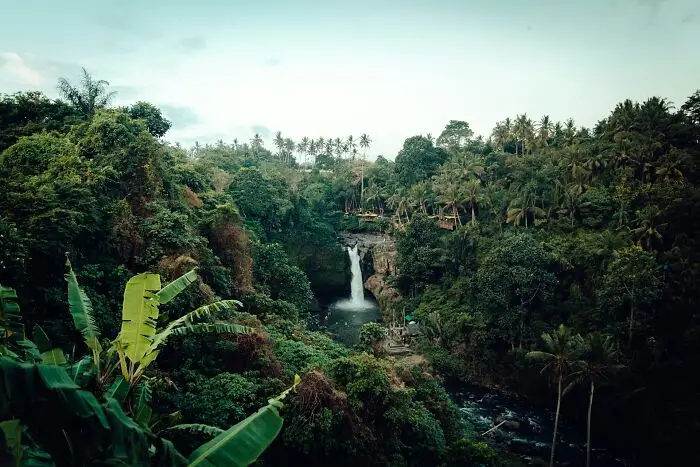
That there was an entire civilization living in the Amazon Basin that was destroyed by European diseases without Europeans making contact or becoming aware of it, and the Amazon rainforest is a gigantic, overgrown garden.
Report
18points
#25
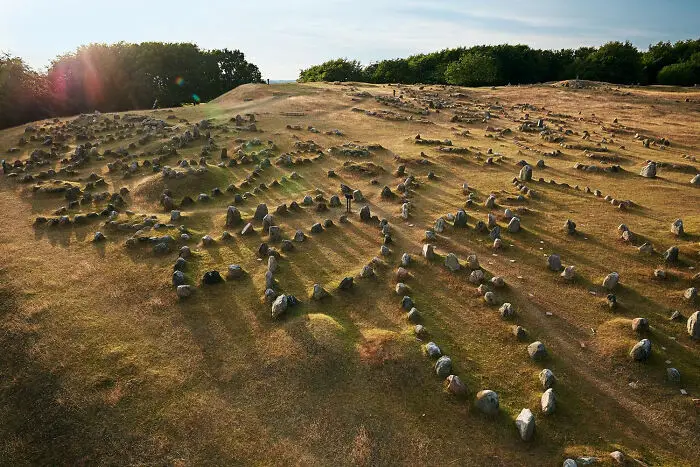
Vikings' burial sites are pretty disturbing. They were often buried with their wives, slaves and horses.
The way Ötzi the Iceman died was pretty gruesome too.
Also, all of the mass graves of the past plagues. I live in a city where a couple of years ago a mass grave of hundreds of 19th century cholera victims was discovered. We knew they were there somewhere, we've been finding bones in the ground for years, the discovery was still a shock for people who basically live now on this graveyard...
Report
18points
#26
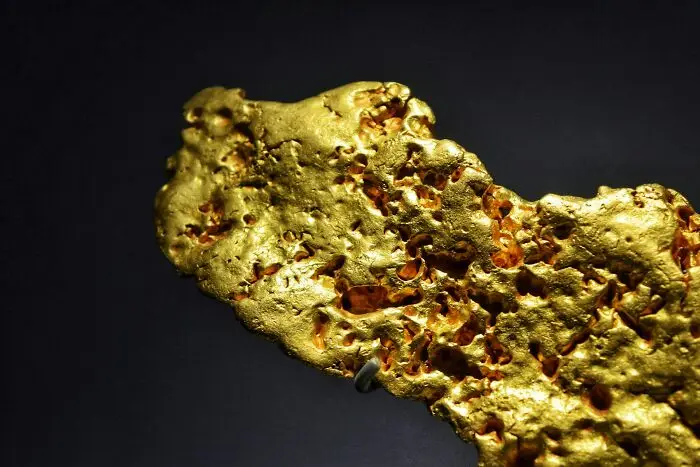
Homo Erectus mining gold. What was the purpose? Why would a "primitive" man(two or three species away from sapians) dig 20ft deep holes for a few ounces of metal?
Report
18points
#27
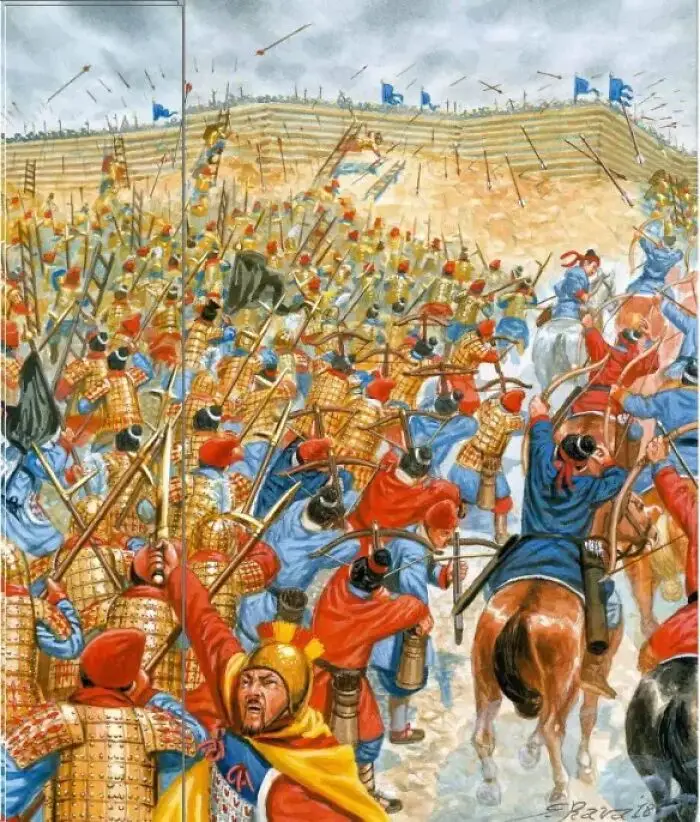
The battle of Changping during the warring states period in China when the Qin defeated the Zhao kingdom. It's said the Qin k****d over 450,000 and buried their soldiers alive. That region of China continues to find mass graves from that event to this day.
17points
#28
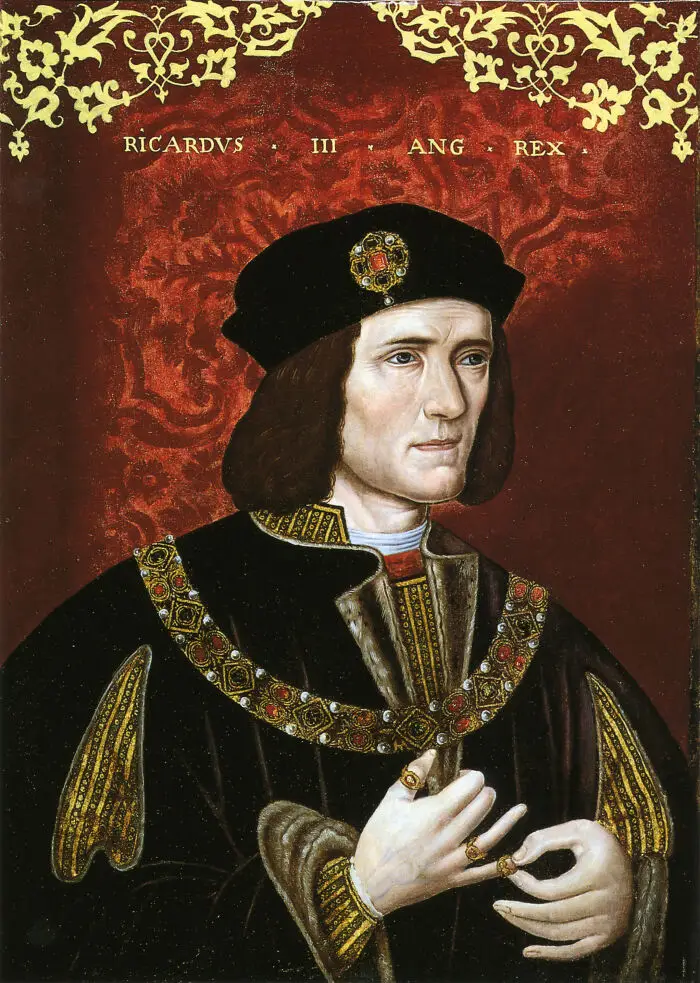
The body that was accidentally dug up while making a new parking lot that turns out to be the true king of England.
Report
17points
#29
The Silurian hypothesis! Long and short is it ponders the question of what if we’re not the first industrialized species on this planet? How so? Our species has been industrialized since let’s say 1800. So only 200 years of meaningful tech, and been around for 10,000 years tops as some form of society. Imagine in 4.5 billion years, how many times could this exact scenario have happened? Even in 100 million years it’s enough time to rise as a species and die and most everything would be gone, and given enough time anything left could even be consumed by tectonic plates. The interesting thing is, the most obvious sign of industrialized civilization that we know of, spikes in carbon dioxide, have been discovered, most recently to us is 56 million years ago, but there are 6 or 7 total that have been identified throughout history. It’s kind of ominous to think an entire sources could have be born, rise to greatness, and disappear completely without a trace, multiple times. We may very well be just the 8th iteration of this happening without even knowing it.
Report
17points
#30
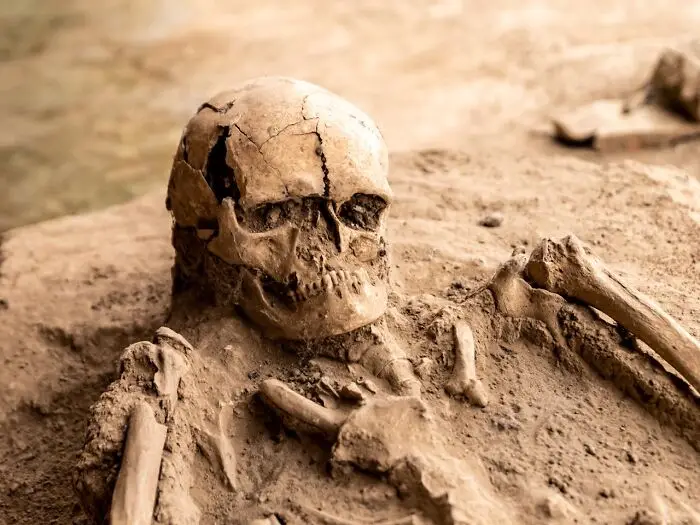
Skeleton lake. When I last looked into it, the theory was that a large group of pilgrims d**d in a hail storm up in the Himalayans. New genetic and dietary studies show that it seems to be 3 different groups of people from 3 different time periods - one from the Mediterranean. Only a few individuals show damage consistent with a hail storm. So that might explain one group? Very bizarre.
Report
17points
#31
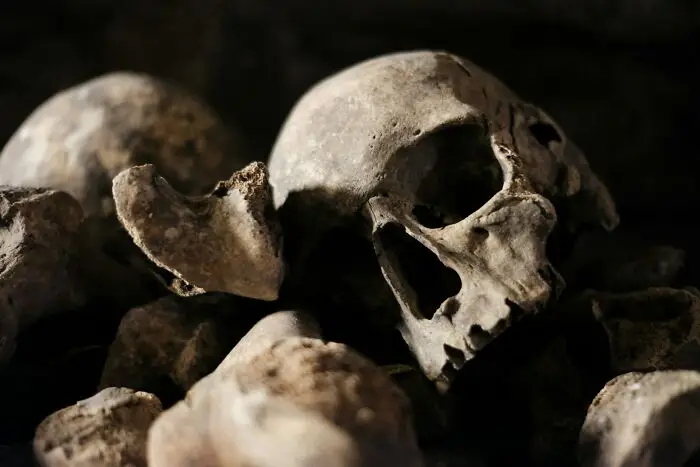
There was the huge recent human sacrifice temple in Mexico they recently unearthed that had hug pillar that were decorated with human skulls all the way up to the ceiling.
15points
#32

It's not really a single discovery, more of raw human nature exposed through repeated actions. Fetal skeletal remains are often found in privies near brothels.
Report
14points
#33
King Tuts tomb. I saw a picture of the seal that was on the tomb entrance before it was opened and idk why but it made me feel so sad and disturbed that it was opened. I know it was a great discovery and taught us a lot about ancient Egypt but it's still sad. I wish a little that their tombs wouldn't be disturbed and would last for thousands of years more without being discovered.
Report
14points
#34
Xipe Totec, a mesoamerican god known as "the flayed one." Very gruesome stuff. Priests would wear the skins of sacrificed victims for weeks. Nahua sources from the colonial era give testament to this most horrible of practices. Archeological digs have found many figurines depicting the practice as well. When I visited Mexico earlier this year, the most numerous figurines exhibited in the museums (depicting a deity) were of the rain god. The second most numerous belonged to Xipe Totec.
Report
14points
#35
I'm surprised nobody said this, but the Nor' Loch of Edinburgh (what is today the Princes Street Gardens) was a place used for many atrocities for centuries, such as witch ducking, drowning defeated enemies, smuggling and apparently was also a common place for s*****e attemps.
When it was drained during the 19th Century the amount of bodies that appeared was way larger than expected. To think that so many lives were taken over the span of so many years in a place where people go nowadays to do shopping or picnic is actually haunting.
When it was drained during the 19th Century the amount of bodies that appeared was way larger than expected. To think that so many lives were taken over the span of so many years in a place where people go nowadays to do shopping or picnic is actually haunting.
Report
13points
#36
I'm less disturbed by what has been found and more so what hasn't. I don't remember the exact percentage (don't smite me) but basically all fossilized organisms only make up 1 to 10% of all life that was once on earth. It's horrifying to think of just how many things or creatures were here before us that will forever be lost to time without any way of possibly knowing anything about them other than the fact we will never know.
Report
12points
#37
Sometimes it's not the archaeology that's frightening but what it's buried in. In several cases digs had to be curtailed because such things as arsenic, cadmium or mercury were discovered in the soils or coating artifacts.
These were modern digs with pretty good h&s, imagine the outcomes of earlier Edwardian or Victorian digs without such monitoring.
These were modern digs with pretty good h&s, imagine the outcomes of earlier Edwardian or Victorian digs without such monitoring.
Report
12points
#38

Infant Sacrifices in ancient Carthage. This is sort of debated because we don’t have direct evidence of child sacrifice, the is no big bloody alter labeled “burn babies here”. But what we do have is Roman accounts of child sacrifice in Carthage. On its own that isn’t super damming, the Roman’s accused everyone they didn’t like of doing human sacrifices. The part that’s disturbing is the remains of infant cremations mixed in with cremated animal remains. This may have just been a Carthaginian burial tradition, an animal sacrifice accompanying a lost child. However the odd thing is that the infant/animal cremations are found separate from other burials which suggests that these infant cremations were somehow different.
Report
11points
#39

Not really archeological in the sense of having been dug up from ancient times but the fully preserved dead bodies on Everest and other mountains. The fact that some are/were actually used as landmarks to mark paths and distances is super creepy to me.
Report
11points
#40
Going through the journals of conquistadors, there's evidence Mesoamerica had philosophical schools the equal of "Western/Eastern" traditions, but completely unique.
As you might imagine, eradicating all traces of it was one of the Church's biggest priorities.
Give the book '1491' a read, it includes a HEARTBREAKING transcript of a philosophical/theological debate between Aztec and Spanish priests.
As you might imagine, eradicating all traces of it was one of the Church's biggest priorities.
Give the book '1491' a read, it includes a HEARTBREAKING transcript of a philosophical/theological debate between Aztec and Spanish priests.
Report
11points
