


The word potluck goes back to the 1500s, when it meant whatever happened to be in the pot when an unexpected guest turned up for dinner. The luck belonged to the guest. It has nothing to do with the potlatch ceremonies of the Pacific Northwest, a mix-up people make all the time. Four centuries later, the guest still takes the gamble, and now they also have to carry the pot.
And luck really might not be on your side. The CDC estimates that 48 million Americans get sick from food every year, around 128,000 end up in the hospital, and for about 3,000, that was their last meal. Restaurants get inspected, and in some cities they have to post a letter grade in the window, so you know where you stand. Nobody has ever sent an inspector to your coworker's house, so her kitchen runs on her own confidence.
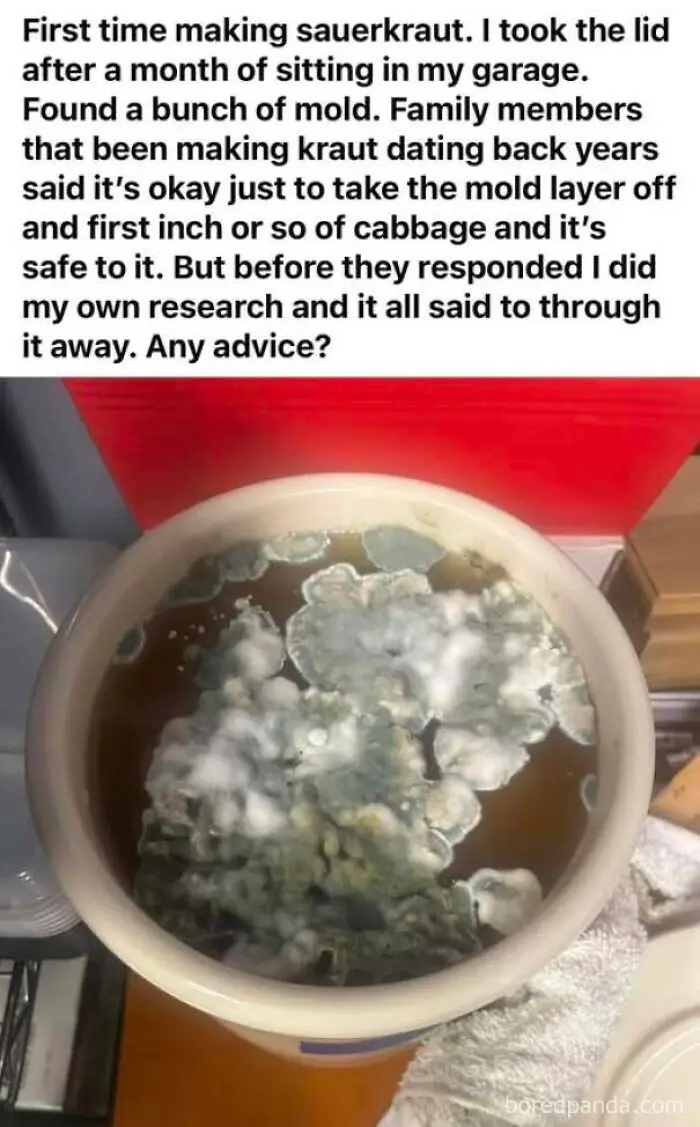
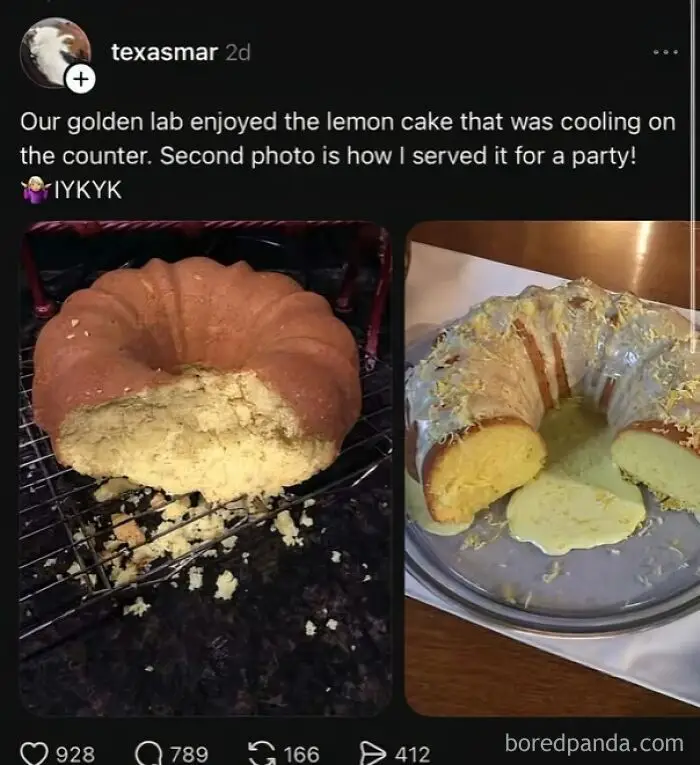
Bacteria are a big part of that. The USDA says they multiply fastest between 40°F and 140°F and can double in as little as 20 minutes, which is why cooked food shouldn't sit out for more than two hours, or one hour if it's above 90°F. A potluck table at 1 pm on a warm day is a laboratory with a seating plan.
The CDC even calls Clostridium perfringens the ‘buffet germ’, and it causes about a million illnesses a year in the US. It loves big pots of gravy that cool too slowly, so asking "is the gravy supposed to be this temperature?" is a very good question.
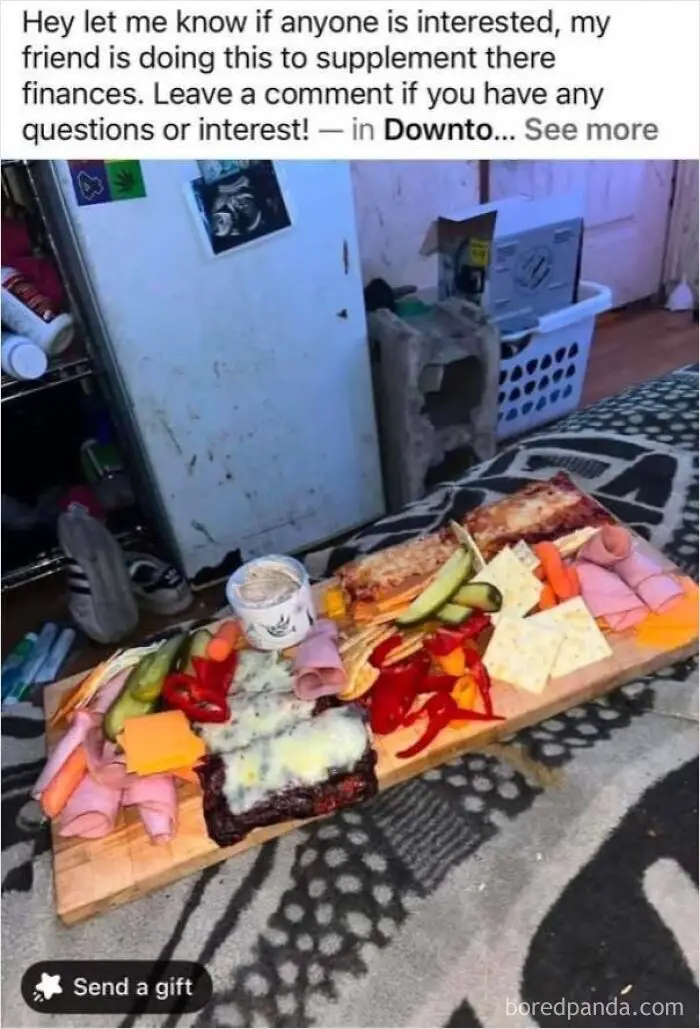
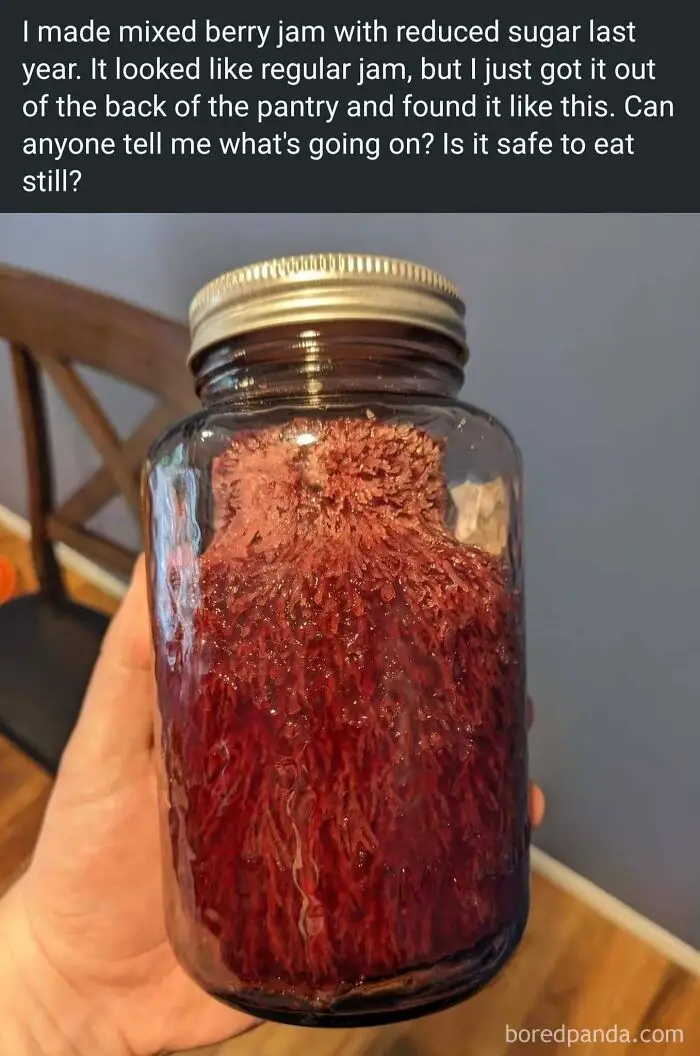

Hands matter just as much. The CDC says infected food workers cause roughly 70% of the norovirus outbreaks linked to contaminated food, and that washing for 20 seconds prevents about 1 in 3 diarrheal illnesses.
The famous case is Mary Mallon, a cook in early 1900s New York who carried typhoid without ever feeling sick. She infected at least 51 people, and three of them lost their lives because of it. She insisted she was healthy and went back to cooking after being released, which is exactly what your friend with the cough says before bringing the deviled eggs.
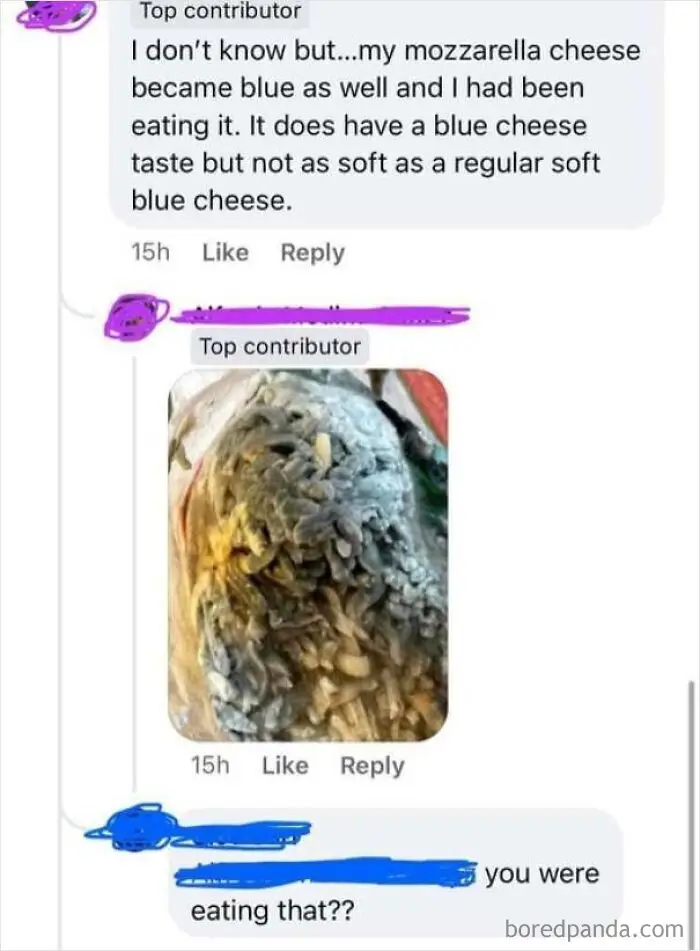

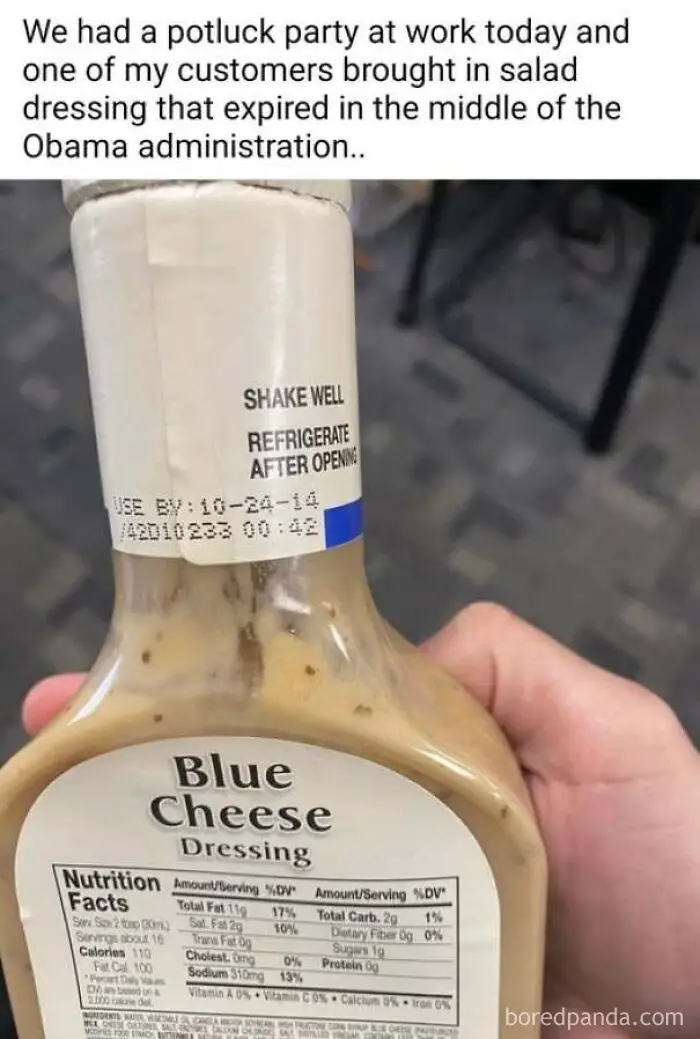
A big culprit also sits in the kitchen sink (if it even gets used at all). A 2017 study found up to 54 billion bacteria per cubic centimeter in used kitchen sponges. The researchers also found that sponges people regularly cleaned weren't any less bacterial than the ones they didn't, so the scrubbing might just be moving things around.
Meanwhile, Rutgers researchers tested the five-second rule in 2016 and found that bacteria can transfer from a floor in less than one second. Watermelon picked up the most, and gummy candy picked up the least. Suddenly, gummy clusters for dinner doesn’t sound half bad.

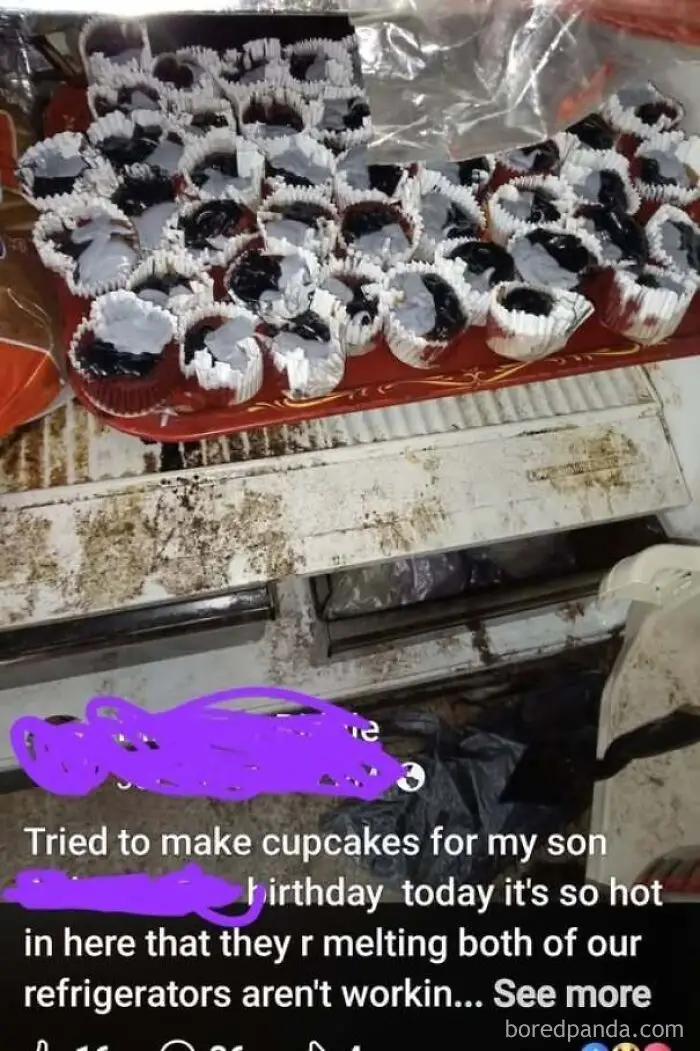

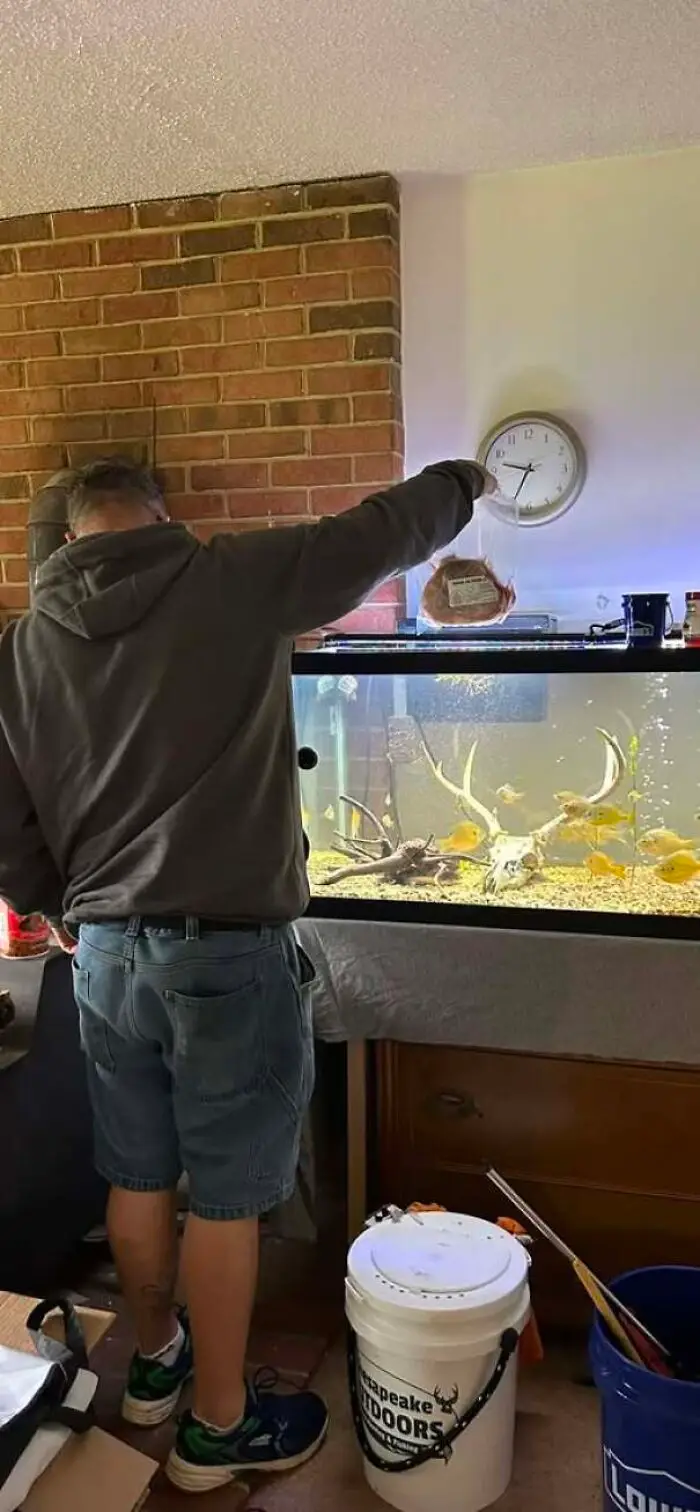
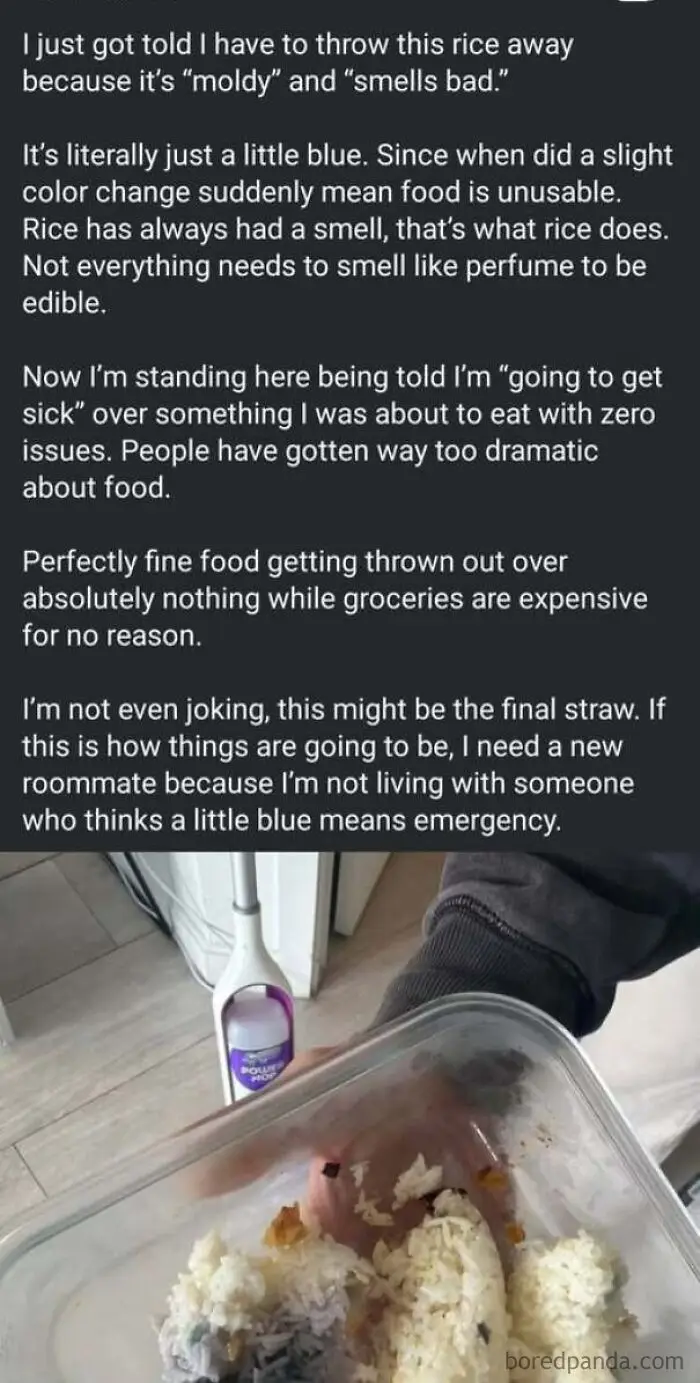
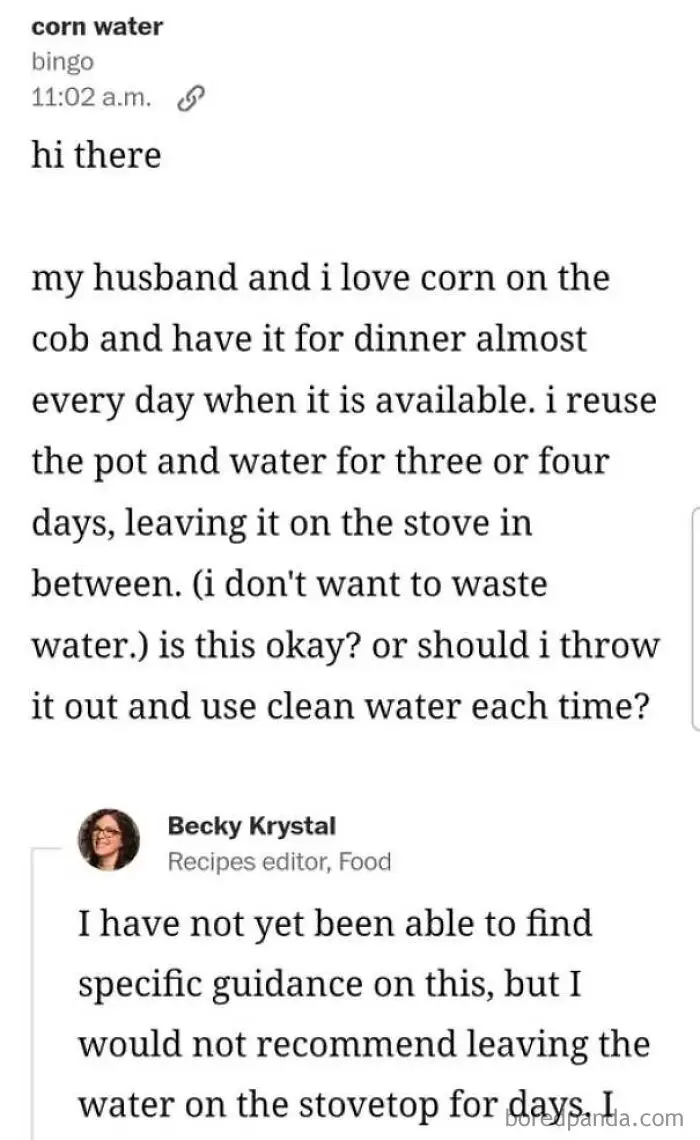
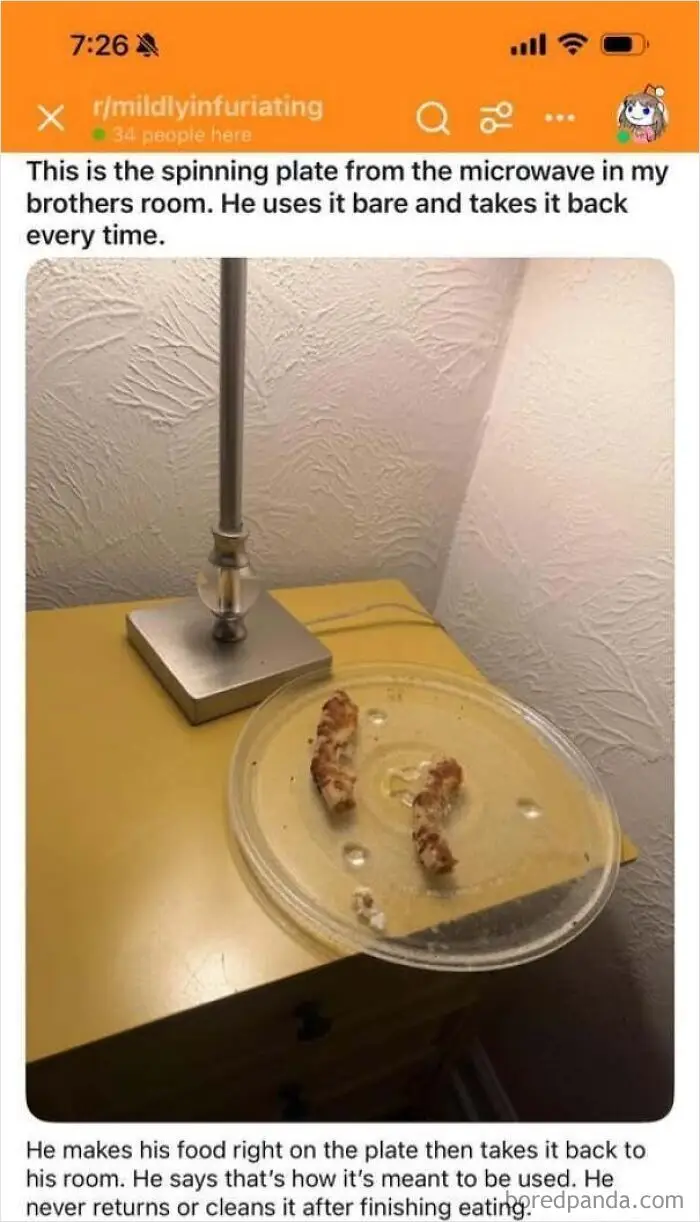
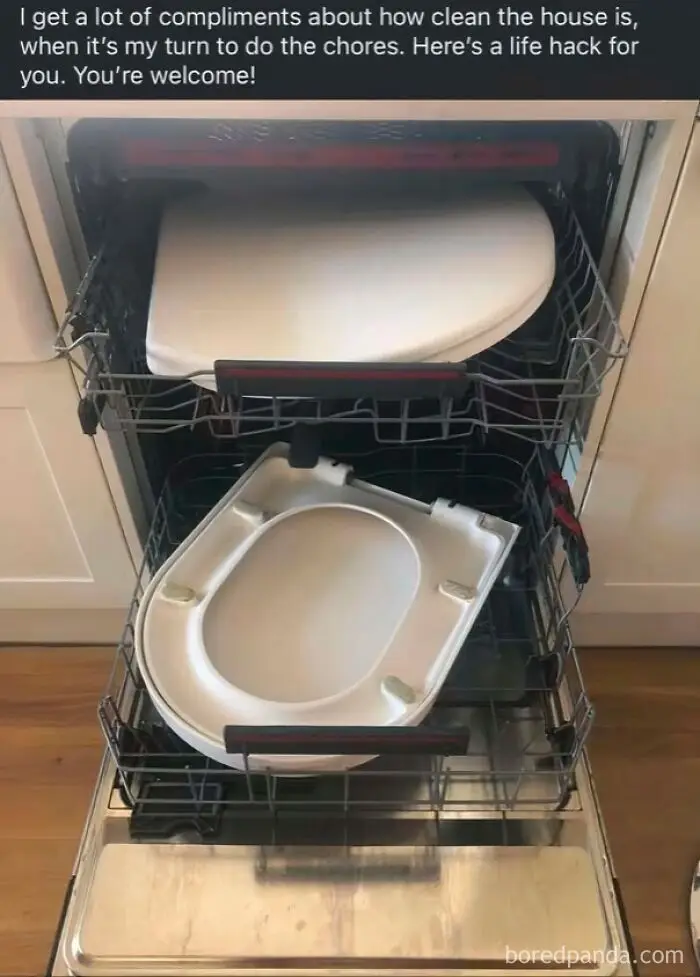
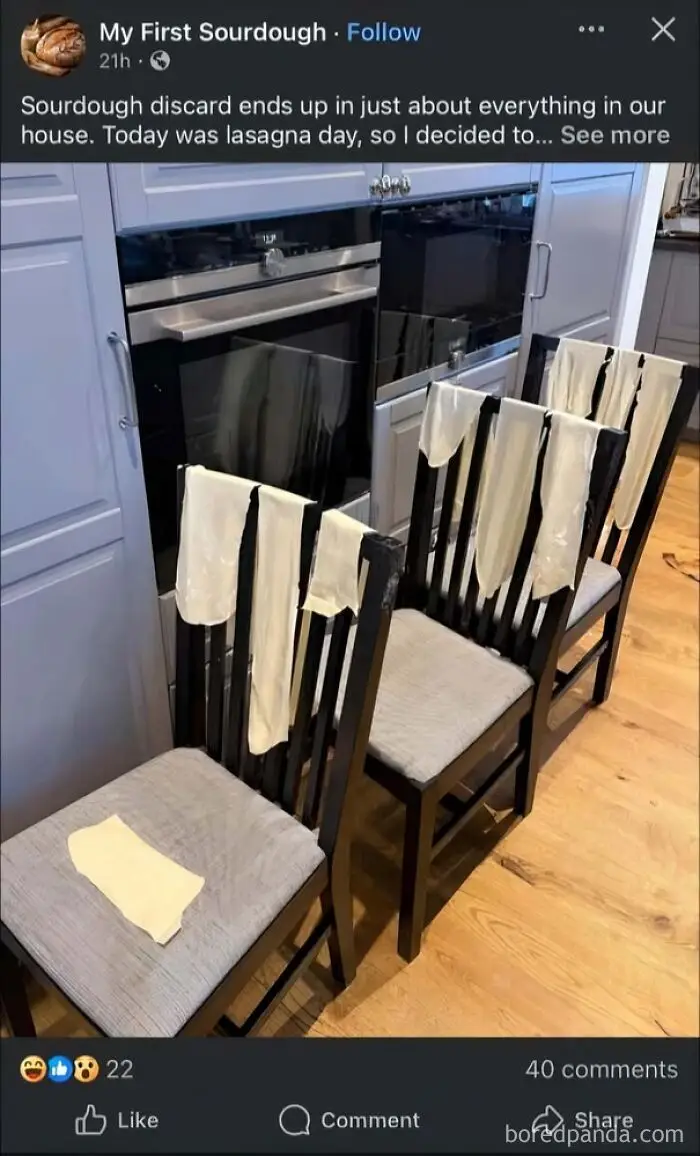
If the photos in this group make your stomach turn, that's a built-in safety feature in your brain. A psychologist at the University of Pennsylvania spent decades studying disgust and found that people refused to drink juice after a sterilized cockroach had been dipped in it. They also refused to eat fudge shaped like dog dodo, even though they knew it was fudge.
Valerie Curtis, who studies disgust at the London School of Hygiene and Tropical Medicine, argues that the reaction evolved to keep us away from disease. Because of this, our gag reflex has a better safety record than most health inspectors.
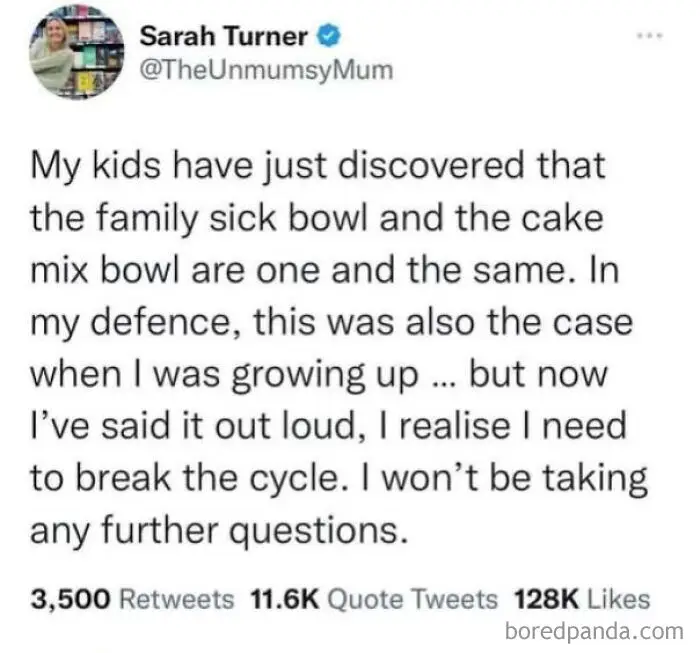
None of this has stopped Americans from loving the potluck dish that started as a corporate recipe. Dorcas Reilly, a home economist in the Campbell Soup Company's test kitchen in New Jersey, created the green bean casserole in 1955. It has six ingredients and needs almost no cooking skill, and her original recipe card is now held by the National Archives. Campbell's says it appears on roughly 20 million American tables every Thanksgiving. The dish itself might be fine, but that doesn’t account for the kitchen it came out of.