



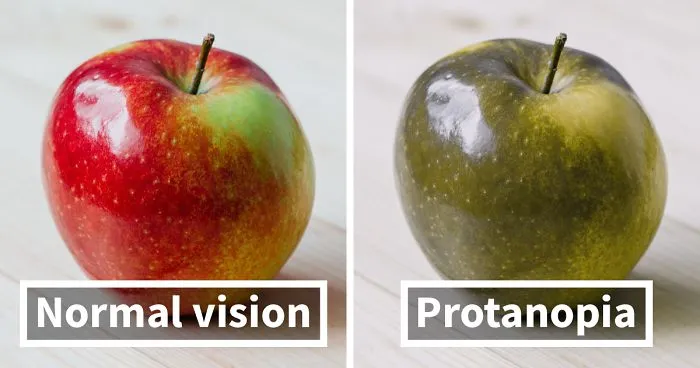

Ever wondered what do color blind people see? To satisfy the urge to find out, there's a website called color-blindness.com that lets you take a glimpse.
Despite the name, color blindness doesn't mean that people see the world in black and white. More than 99% of all colorblind people can, in fact, see color. Because of this, the term "color vision deficiency" (CVD) is considered to be more accurate. According to color-blindness.com, around 0.5% of women (1 in 200) and 8% of men (1 in 12) suffer from some form of CVD. There are several types of colorblindness, such as Deuteranomalia (which makes everything look a little faded), Protanopia (which makes everything seem a little green), and Tritanopia (greenish-pink tones), and only around 0.00003% of the world’s population suffers from total color blindness (Monochromacy).
Bored Panda decided to test various images to see how different colors look through different CVD lenses. Here's what we found on how do color blind people see! (h/t)
Normal vision
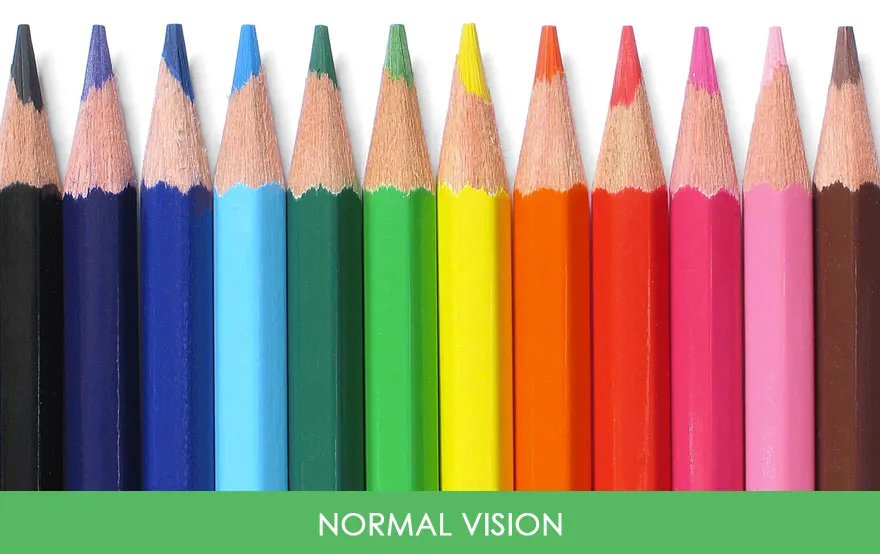
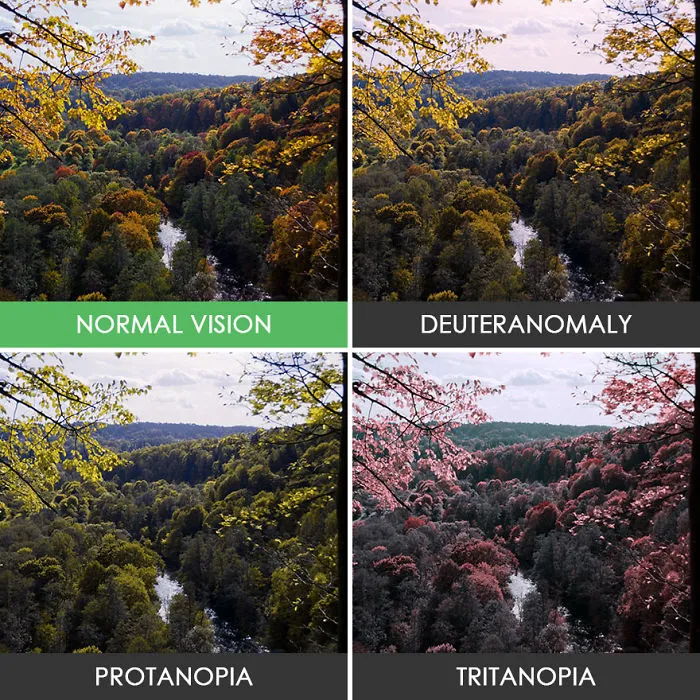
This is how different colors look to somebody who has normal vision.
Deuteranomalia
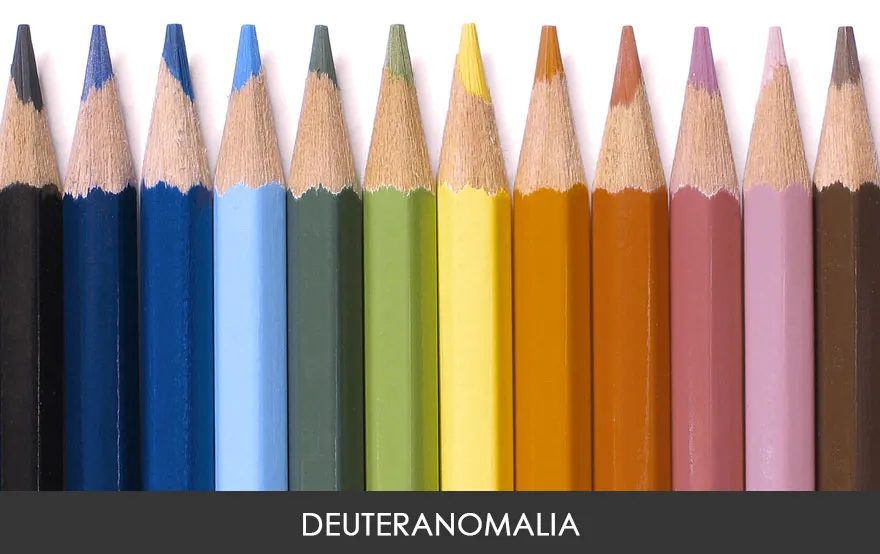
The most common of colorblind types is called Deuteranomalia. Around 4.63% of men and 0.36% of women experience this type of color vision deficiency, many of whom don't even realize. People with Deuteranomalia see a more subdued color palette, especially when it comes to colors like green and red.
Protanopia
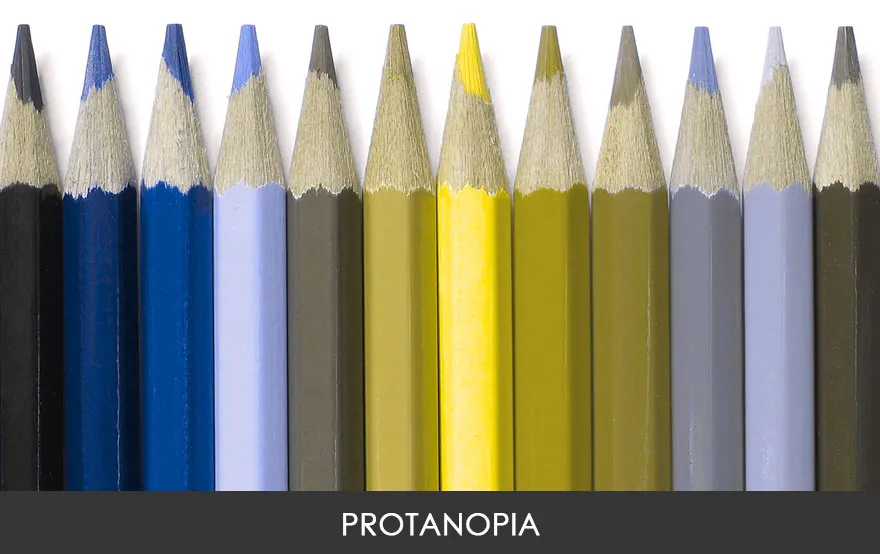
When somebody has Protanopia, all shades of green and red look rather faded, whereas yellow and blue shades seem largely unaffected. Only around 1% of men experience this type of CVD.
Tritanopia
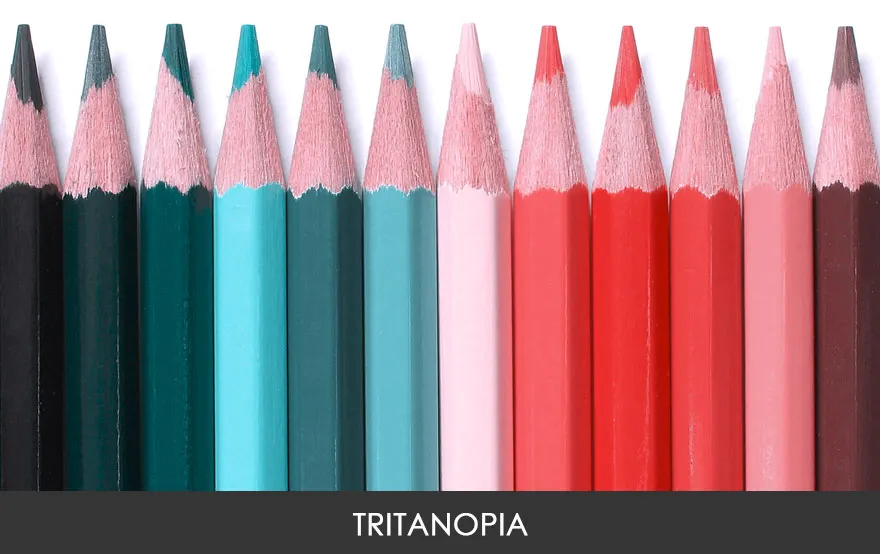
When somebody has Protanopia, all shades of green and red look rather faded, whereas yellow and blue shades seem largely unaffected. Only around 1% of men experience this type of CVD.
People with Tritanopia see colors with a greenish/pink tone. It's a sporadic form of color blindness and is believed to affect only 0.0001% of men and women.
Total color blindness (Monochromacy)
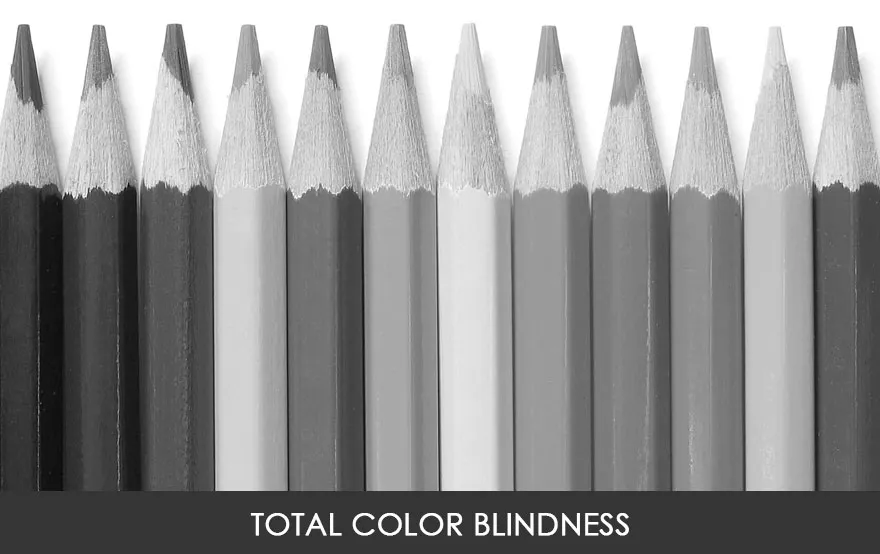
Total color blindness, or Monochromacy, is the rarest form of color vision deficiency. People who have it can only see in black and white, but it's estimated that only 0.00003% of the world's population is affected by this particular condition.
This post may include affiliate links.


#46 Colorful Houses

Unknown
Report5points


#49 Easter Eggs

Unknown
Report5points


#53 Lego

Kognitio
Report5points

#55 Powerpuff Girls

Cartoon Network
Report4points


Understanding different spectrums of vision not only applies to human vision deficiencies but also to the extraordinary ways other species perceive the world. Birds, for example, detect colors invisible to the human eye due to their enhanced color vision capabilities. Exploring how these avian creatures perceive the vibrant spectrum can provide additional insight into the variety of color perceptions experienced by individuals with color vision deficiency.
This fascinating topic is further examined in the explanation of bird vision versus human vision, offering a unique perspective on our visual limitations.