


This post may include affiliate links.
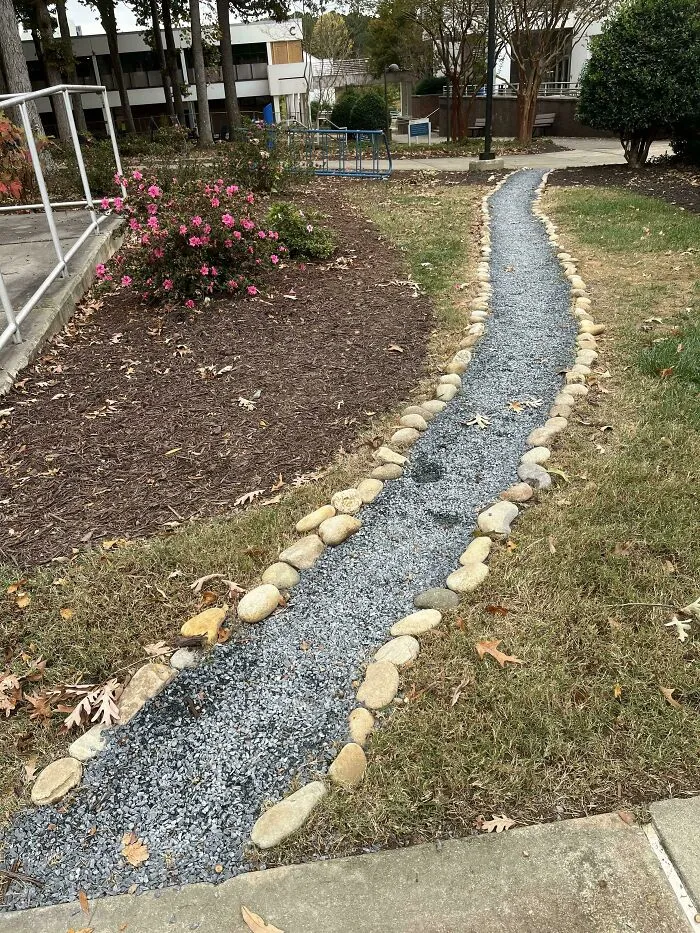
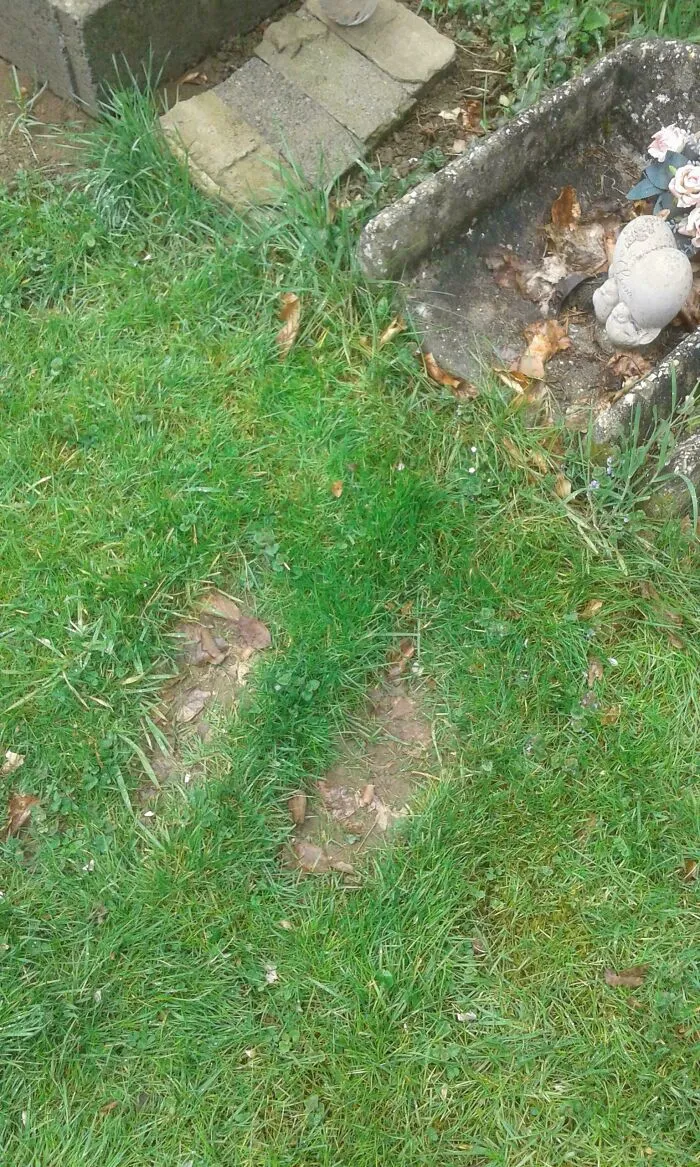
#2 My Sister Spends So Much Time In Front Of Our Dog's Grave That Her Footprints Are Imprinted On The Grass
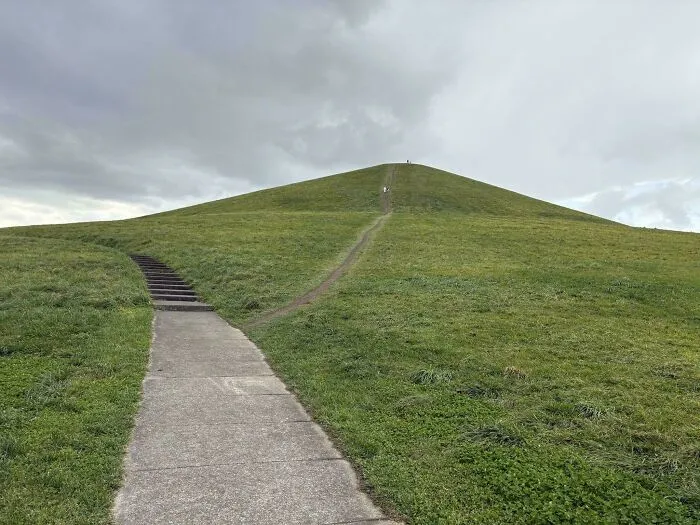
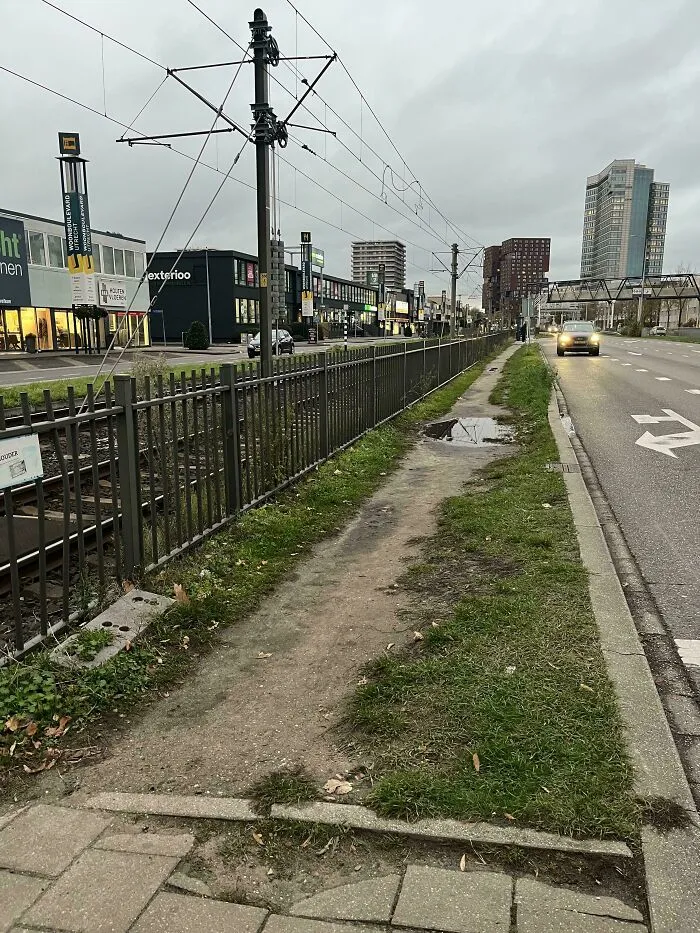
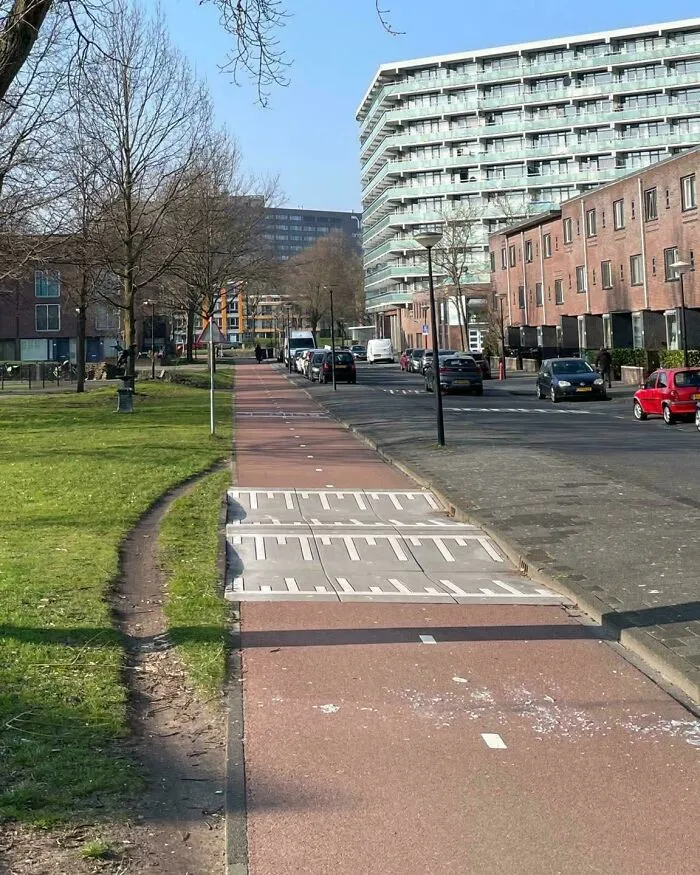
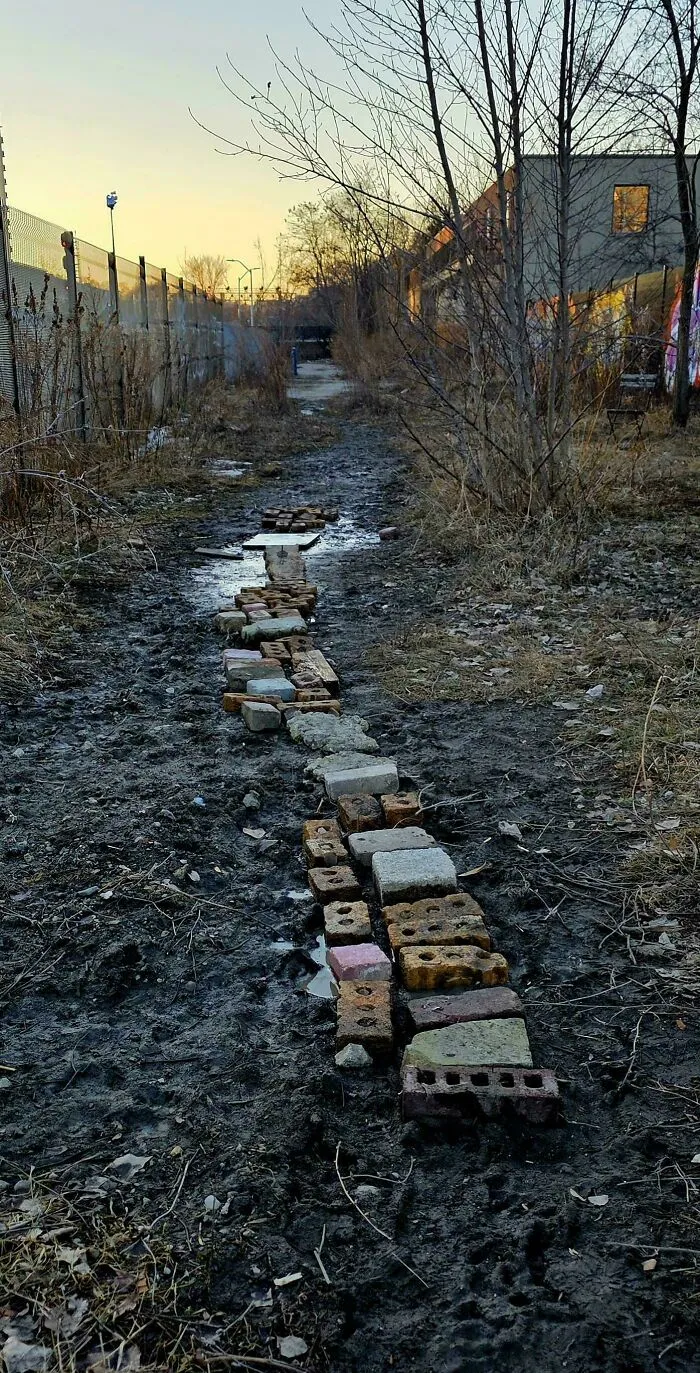
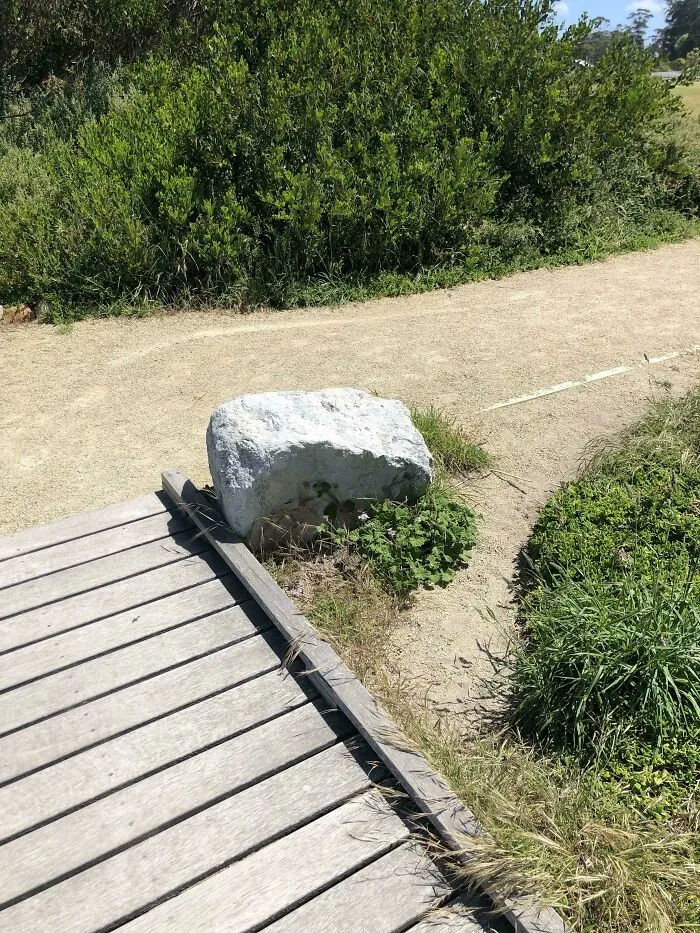
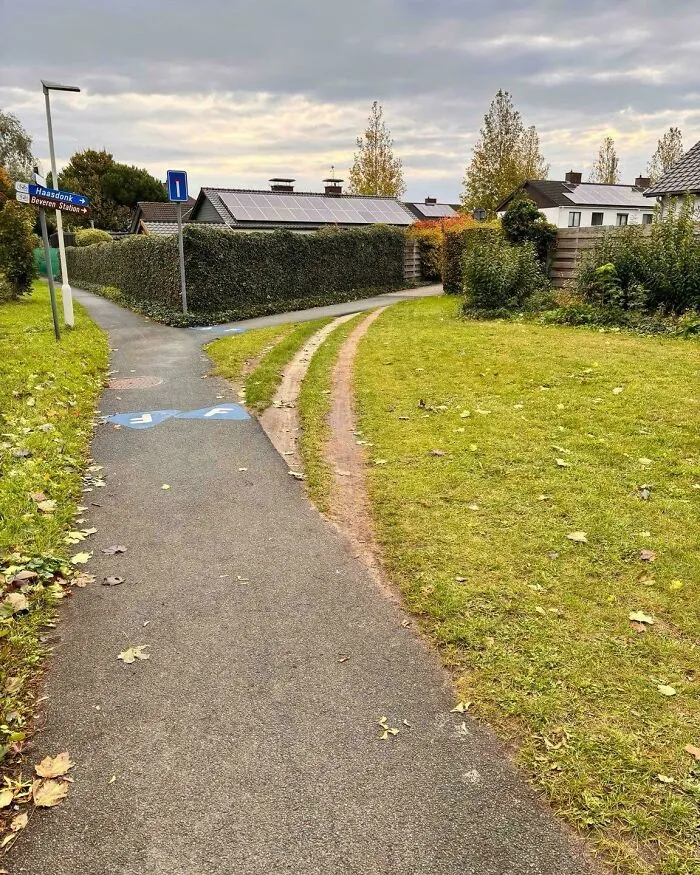
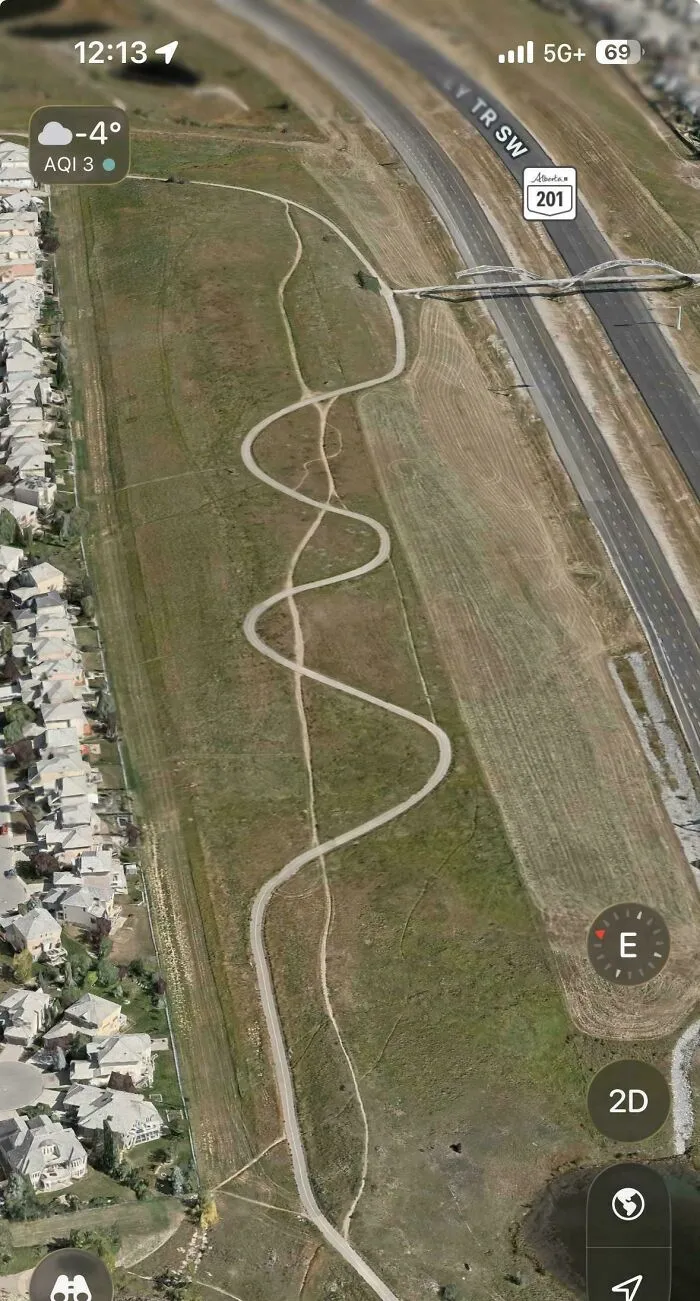
Desire paths, aka desire lines, are formed when human beings or animals take the most efficient shortcuts to get where they need to go. In short, these trails are proof that living beings want to save time and energy. They are naturally incredibly efficiency-oriented.
However, not all urban planners, architects, and city builders are aware of this inclination. What they sketch in their blueprints and designs doesn’t always include citizens’ wants and needs for efficient movement. In short, city designs sometimes lack empathy because they are detached from the people actually living there.
It takes very little for a desire path to form! As few as 15 walks across a stretch of unpaved ground are enough to begin wearing in a visible trail.
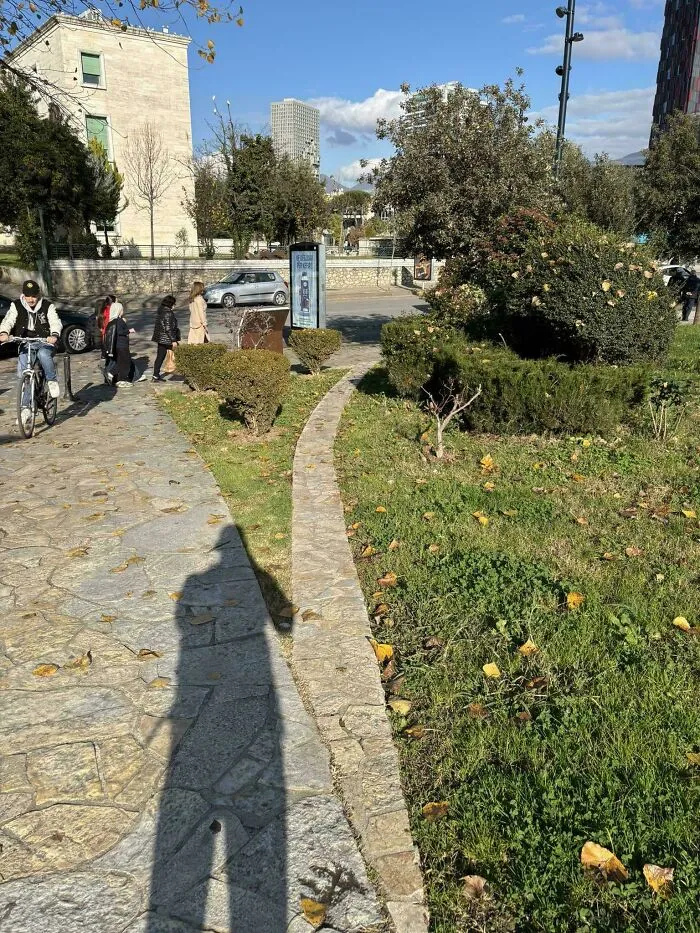
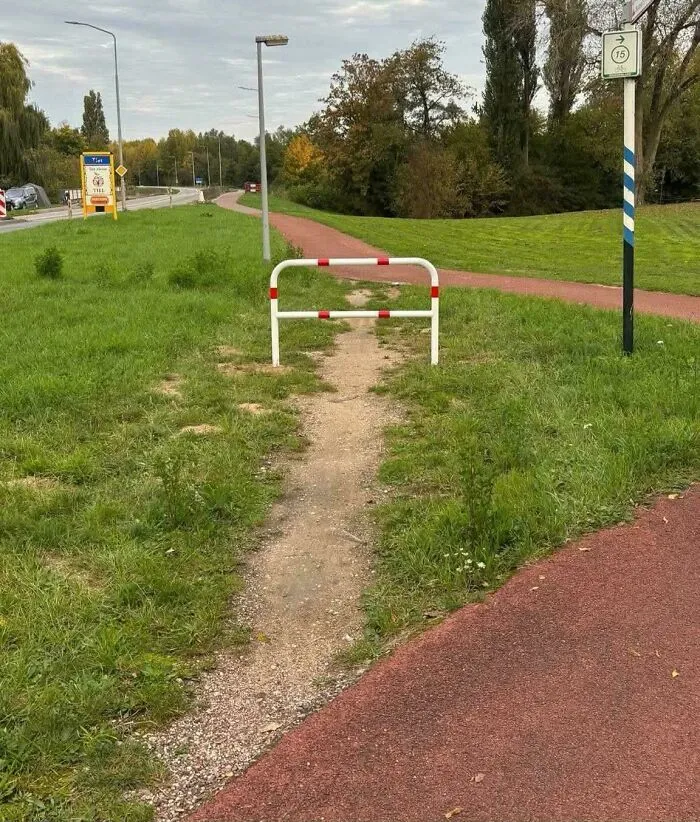
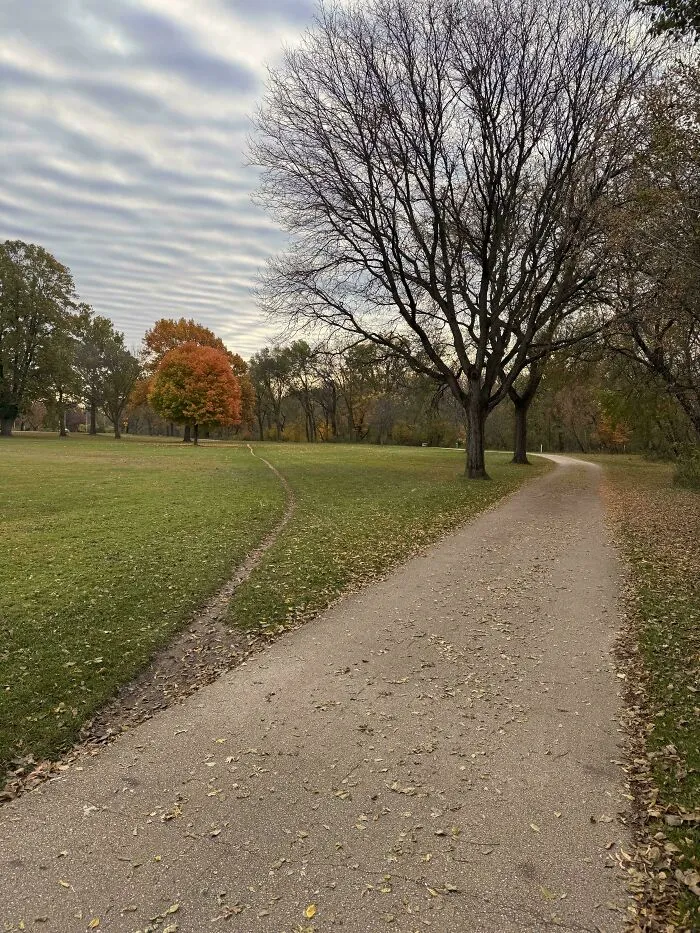
Then, since a trail is already (ever so slightly) visible, it sends out an ‘invitation’ for more and more people to walk down it, thus becoming even more worn.
So, if you had even just a bit of patience, you could quickly and intentionally establish a few desire paths in your neighborhood. That being said, these trails are chosen because they’re the most efficient. Paths that aren’t as efficient get discarded for new ones that save time.
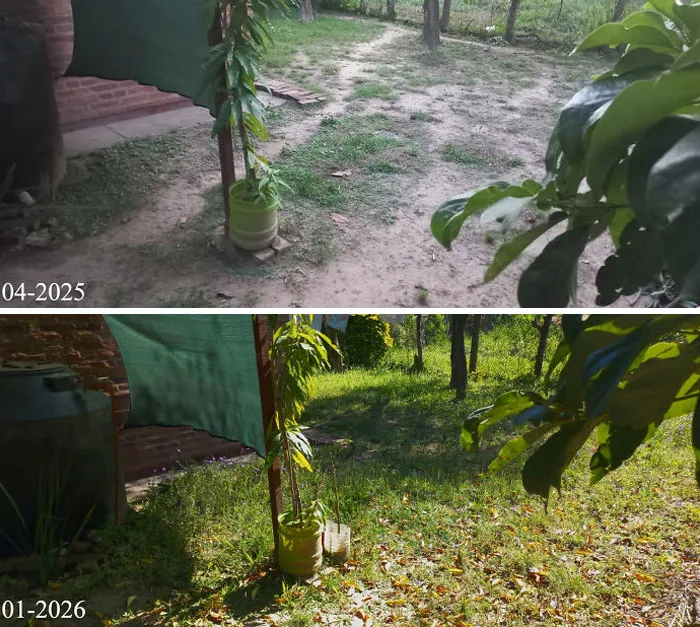
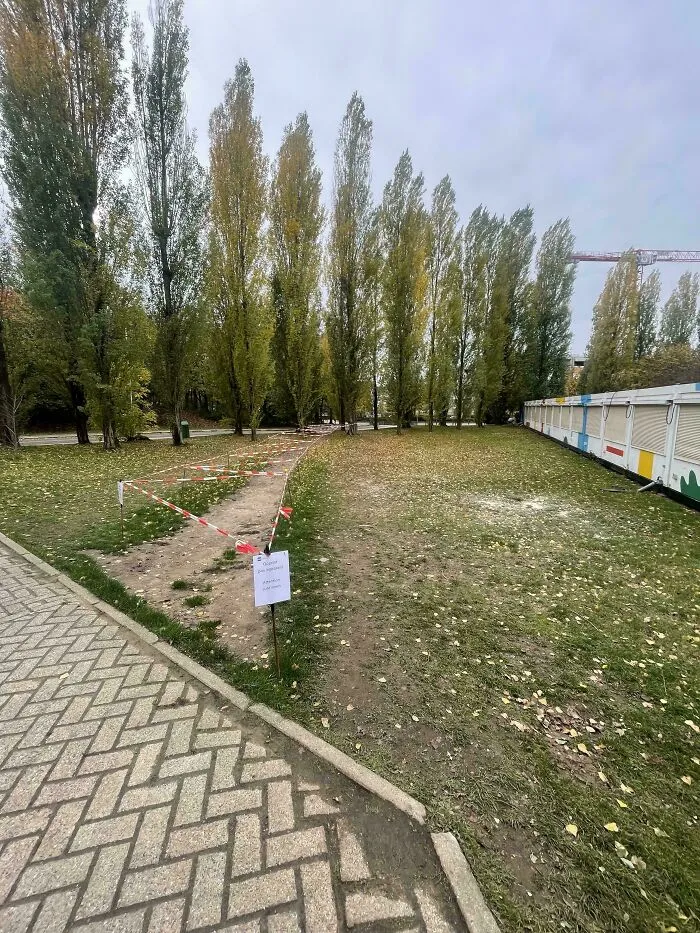

Based on recent research, people tend to naturally turn left and walk in an anticlockwise direction. “If you simply ask someone to start walking, whether they are wandering around a museum, a supermarket, or even an empty room, it is surprisingly likely that they will drift counterclockwise,” says Dr Iñaki Echeverría-Huarte, at the University of Navarra in Spain.
“Each of us carries a small personal bias to turn slightly to one side, and when many people share a space, those tiny biases add up into a net counterclockwise rotation.” Dr Echeverría-Huarte notes.
“None of us is perfectly symmetrical, and the way each person’s brain gathers sensory information and coordinates it with the muscles seems to tip them gently to one side. I should be honest, though. We have tested several ideas and the bias stubbornly keeps showing up, so the exact mechanism is still an open question.”
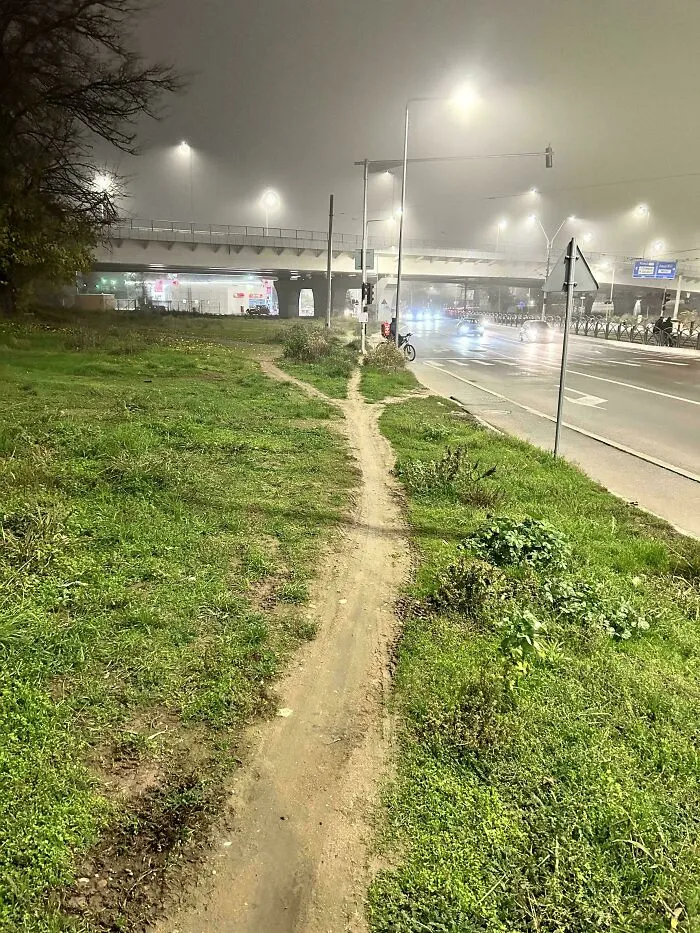
Walking has many benefits for your physical, mental, and even emotional well-being. For example, in a workplace context, it can even boost your creativity, improve your mood, reduce stress, strengthen positive relationships, and lighten the symptoms of burnout.
According to researcher, speaker, consultant, and teacher Jeffrey Davis, M.A., the author of Tracking Wonder: Reclaiming a Life of Meaning and Possibility in a World Obsessed with Productivity, integrating walking meetings into your work life can be a positive shift. However, where you walk matters as much (if not more) as you walk in the first place.
In a post on Psychology Today, he notes how green and quiet spaces lead to better results than walking indoors. “If possible, map out a few safe, nature-rich routes near your workplace. Even small parks or tree-lined sidewalks can provide the psychological relief needed to support creativity and connection,” he writes.
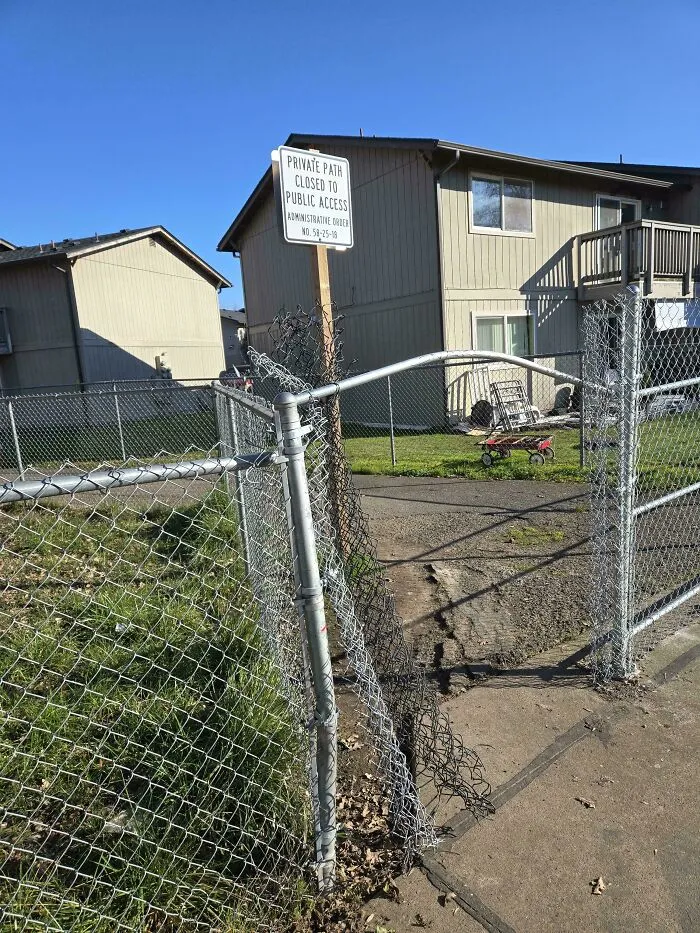
#13 May We All Find Someone To Desire Us As Much As Someone Desired This Path
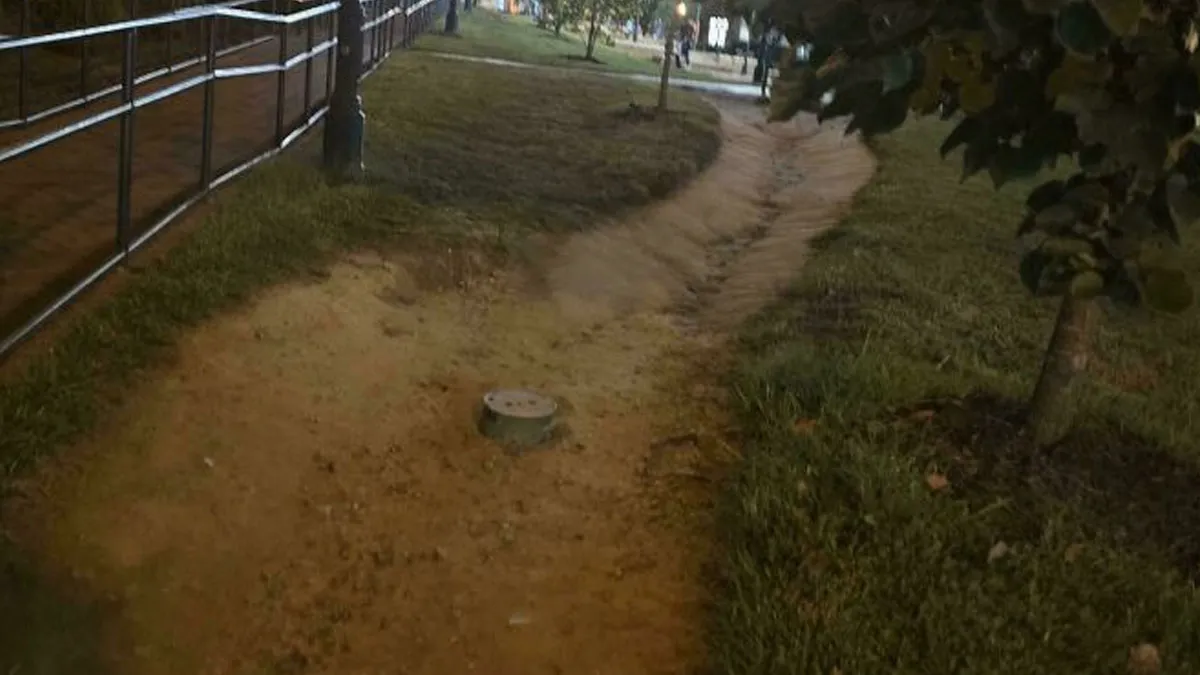
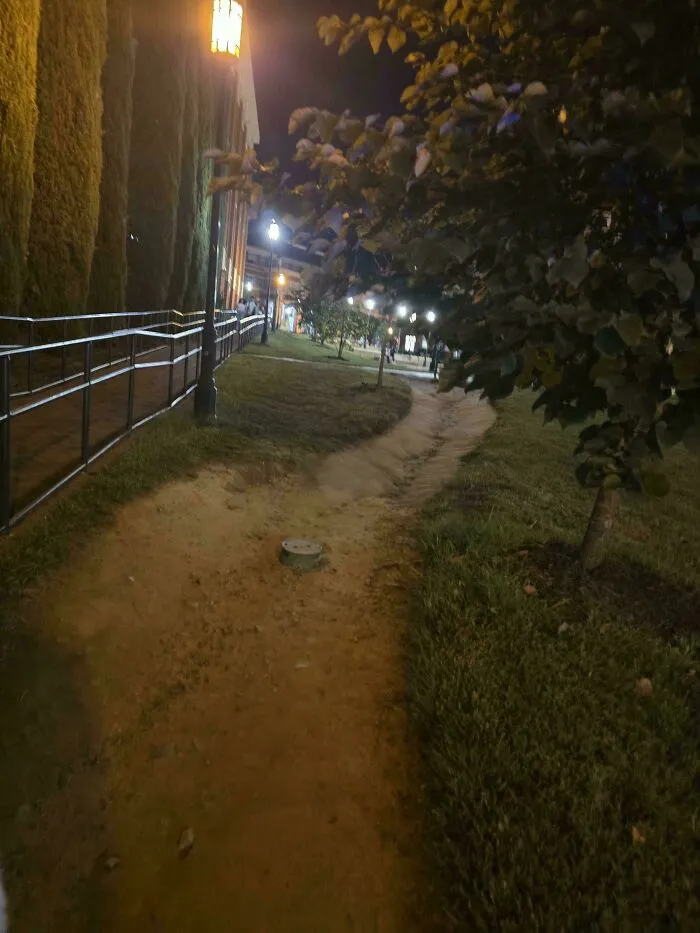
#14 Campus Bikers And Walkers Wear Down The Middle Of This Path So Much They Are Digging Up The Water Access Pipe
Meanwhile, low-intensity walking holds the most benefits for divergent thinking. That being said, you have to take your colleagues’ needs into consideration and be as clear and inclusive as possible.
“Not all employees may feel comfortable or safe taking a walk during work. Consider access and comfort levels such as mobility, weather, clothing, and personal safety. Offer options. When walking together, side-by-side conversation can reduce hierarchy and loosen the sense of pressure that sometimes comes with face-to-face meetings,” Davis notes.
Earlier, our team here at Bored Panda got in touch with the moderator team that keeps the ‘Desire Path’ online community running smoothly.
“Once people know they [desire paths] have a name, they start seeing them all over the place. It’s a ‘once you see, you can’t unsee’ scenario,” a moderator opened up to us during a previous interview.