



#2 The Illusion Of Choice
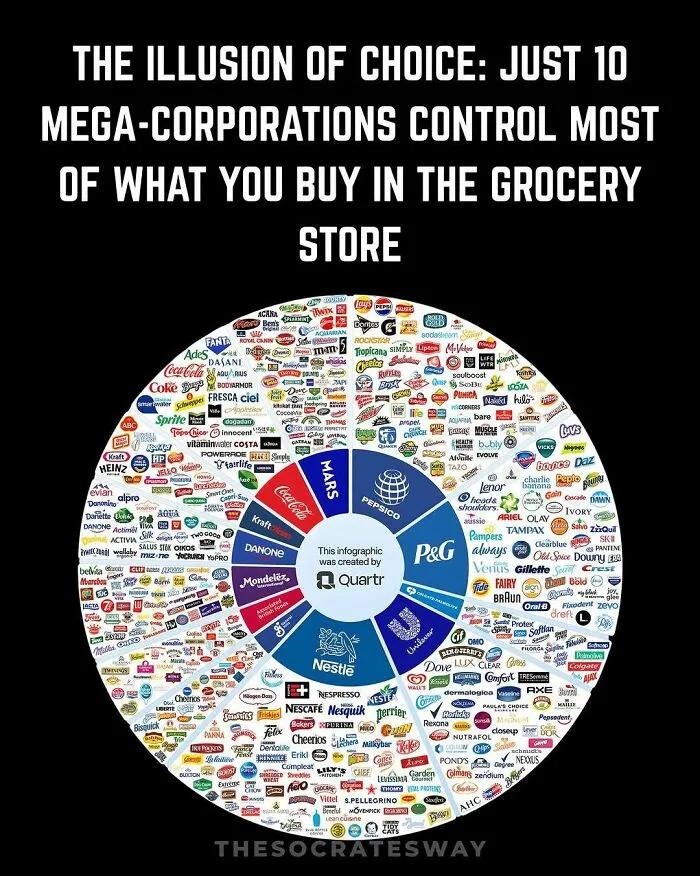
Hundreds of brands. Endless options.
Different marketing.
Often the same parent company.
But the power behind it is concentrated

Consumer protection laws are there for a reason. They help defend you from unfair trade practices, misleading business actions, and unethical behavior.
The reason why some companies ignore these laws (or try to find loopholes) is that they want to achieve an unfair advantage over their competitors. In a nutshell, they want more profit, and they are willing to bend the rules—both legal and moral—for a bigger slice of the pie.
Your best defense as a consumer, aside from ideally having a top-tier lawyer who can sue blatantly lying companies, is to be skeptical of any promises made in marketing material and ads.
Good products exist, yes, but miracle ones do not. Anyone who tells you otherwise is likely selling you snake oil and trying to outshine other snake oil sellers.
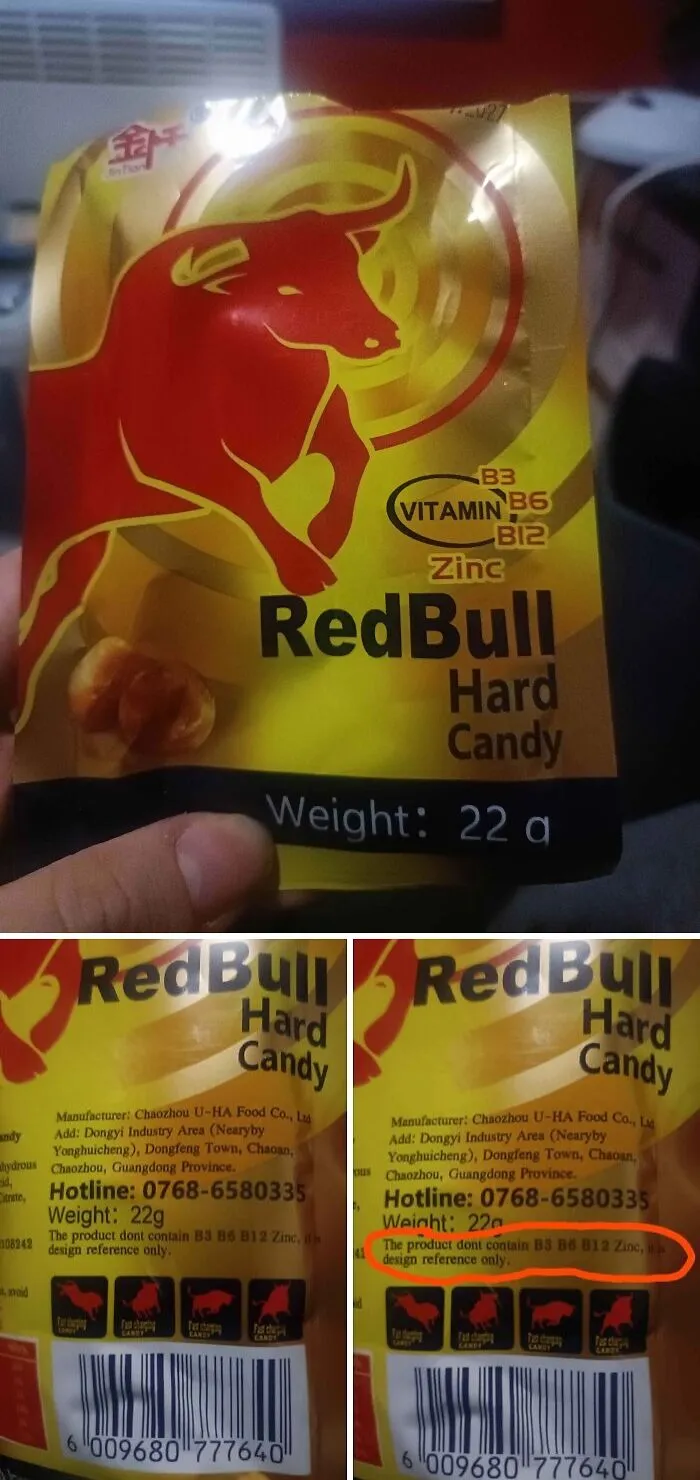
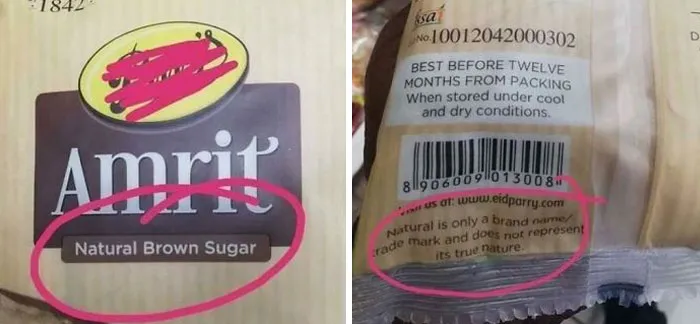
#5 Contains Vitamins B3, B6, B12, And Zinc, Except It Doesn't Contain Those

Unfair trade practices include misrepresentation, false advertising, deceptive pricing, etc., to try to trick the customer through omissions and representations.
A business act or practice is considered unfair if it causes or is likely to cause substantial injury to consumers, cannot be reasonably avoided by consumers, and is not outweighed by the benefits provided to either the consumers or competitors.

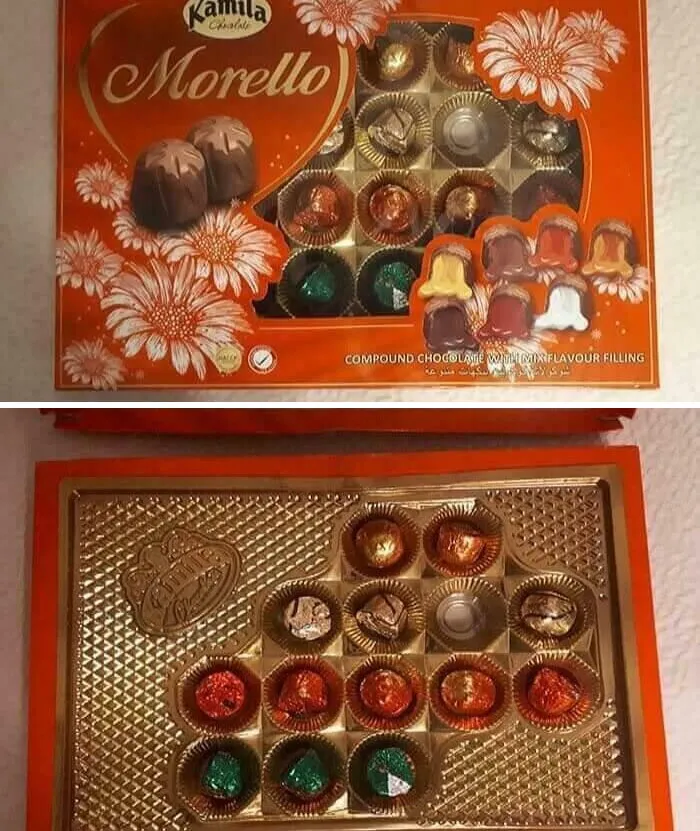
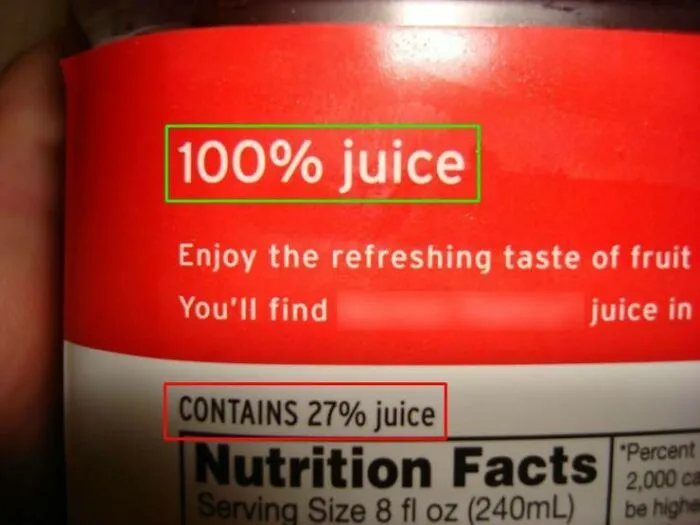
The logical strategy for any business owner would be to turn as many current and future customers into returning ones who will be loyal to the brand.
The evidence for brand and customer loyalty is staggering. Broadly speaking, loyal customers bring in far more profit than any other category. So, it only makes sense to focus on long-term, not short-term returns, and create a brand that is reputable and trustworthy.
Stating the obvious: people don’t enjoy companies lying to them. And they won’t be loyal to someone who tricks them.
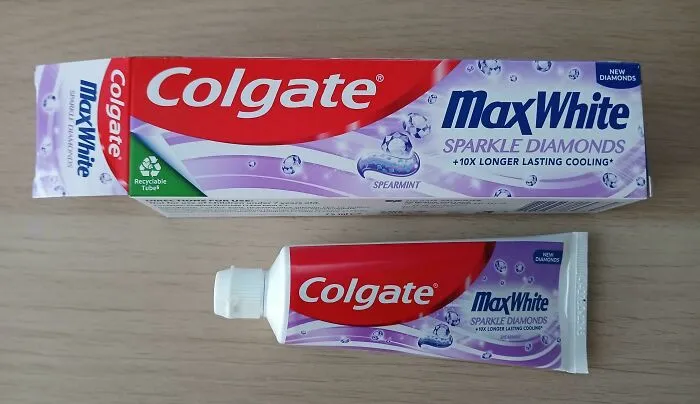

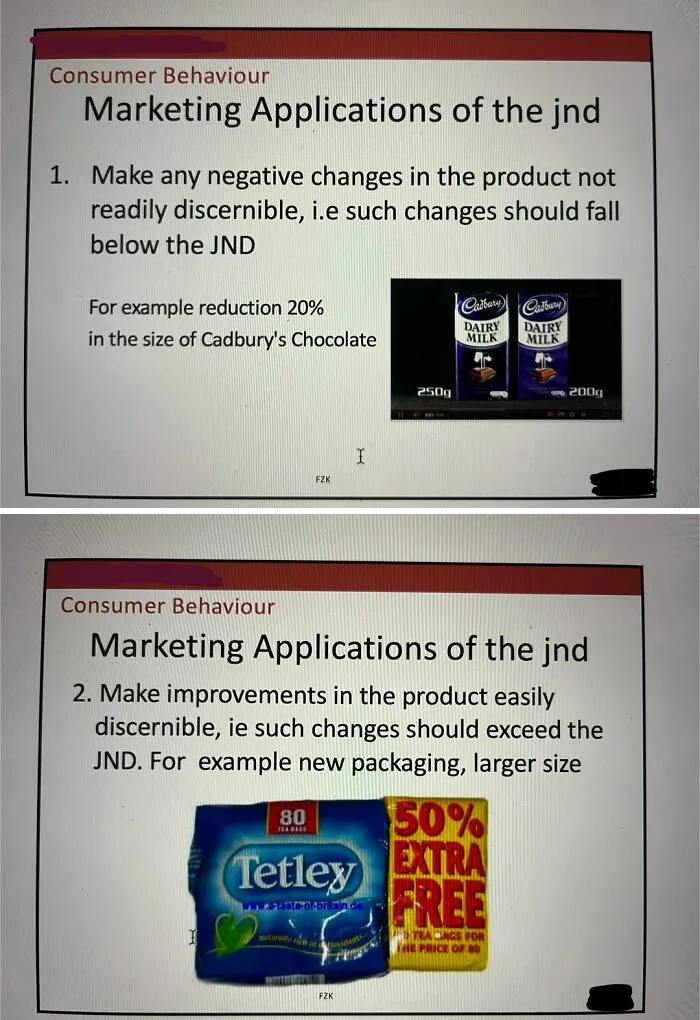
#12 A “Textbook” Example Of How Big Brands Lie To Us
During a recent survey, Capital One Shopping found that increasing customer loyalty by just 5% can lead to profit increases ranging from 25% to 95%.
What’s more, most retail business (65%) comes from customers loyal to the brand. They are responsible for spending, on average, 67% more on products than new customers.

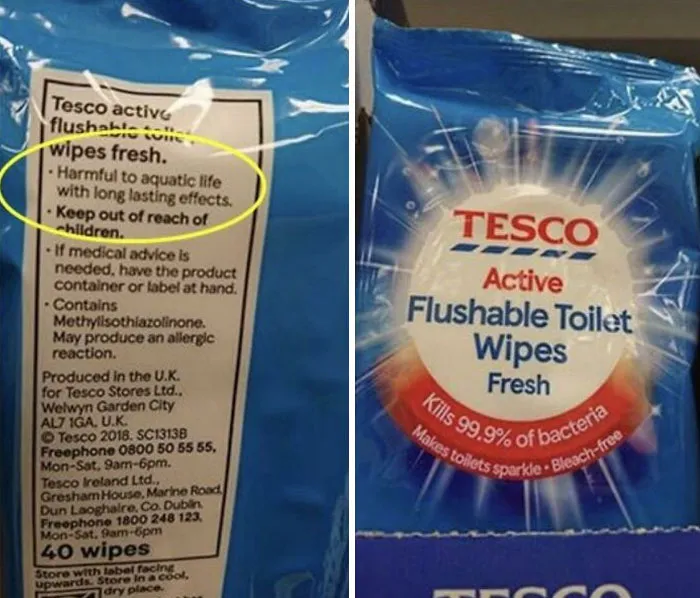
#15 Labelling Wipes That Are Toxic For Aquatic Life And Non-Degradable As ‘Flushable’
Consumers who are loyal to your brand are worth roughly 2.5 times more revenue than new or future customers. Furthermore, brand loyalty leads to better corporate returns. They are around 120% higher than average. The cherry on top is that loyal customers boost shareholder returns between 2 and 5 times over a 10-year period.
And if you happen to have a company in the US retail banking industry, you can expect corporate growth to increase a mind-melting 290% above the industry average.

Research shows that 73% of American consumers are loyal to at least one brand, and 68% claim brand loyalty. The average US consumer is enrolled in 17 loyalty programs, with a 51% active participation rate.
Most global consumers (75%) are willing to switch brands if they’re offered a loyalty program with better rewards.
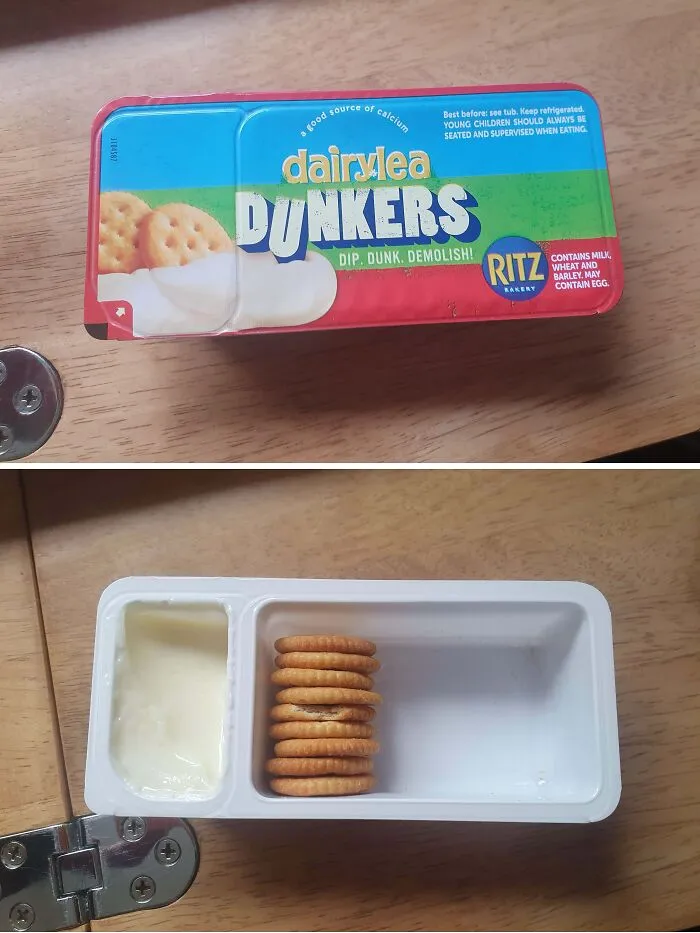
#19 I Chose The Bottle Because A Tube Wasn't Enough! This Trojan Trickery Is An Abuse Coming From A Brand With Recognition
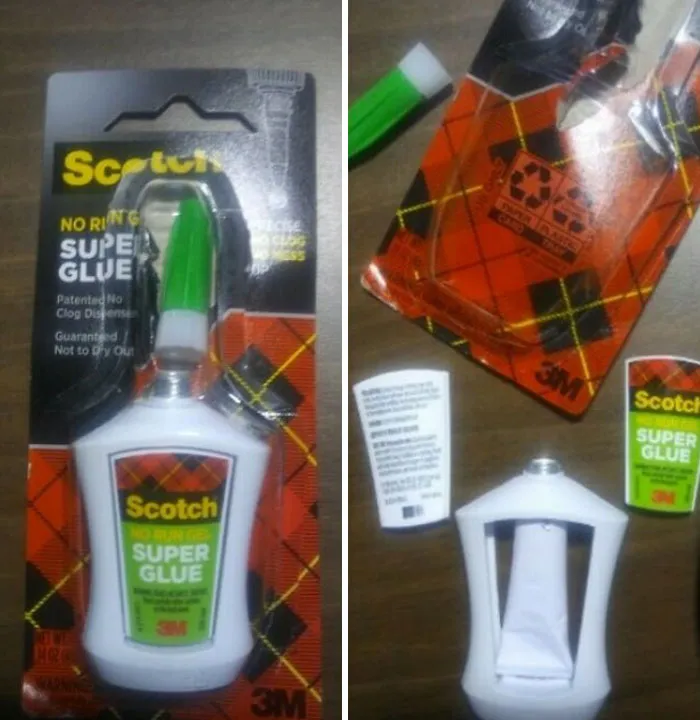
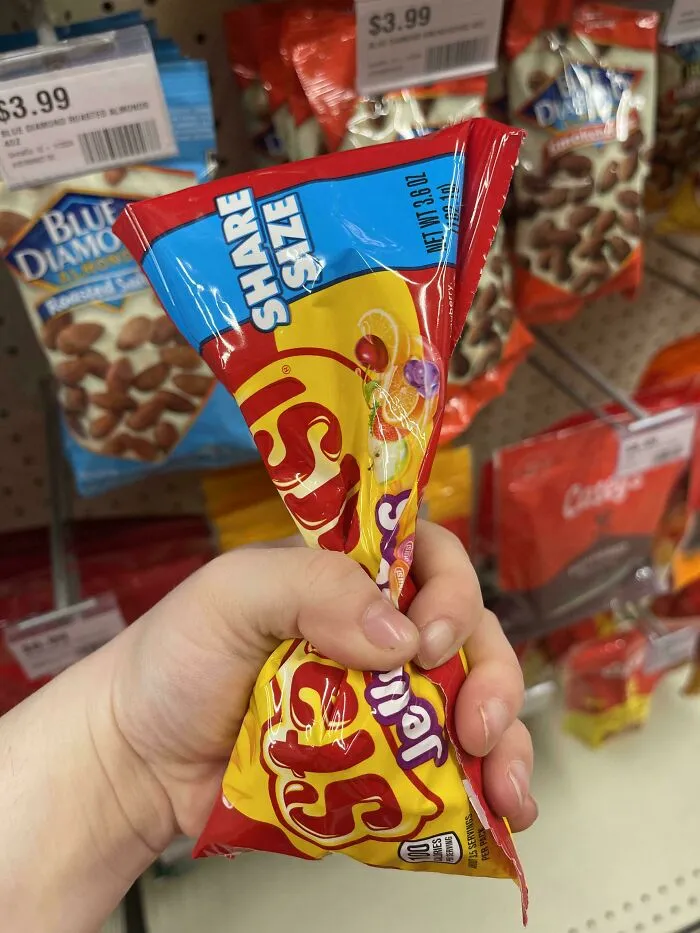
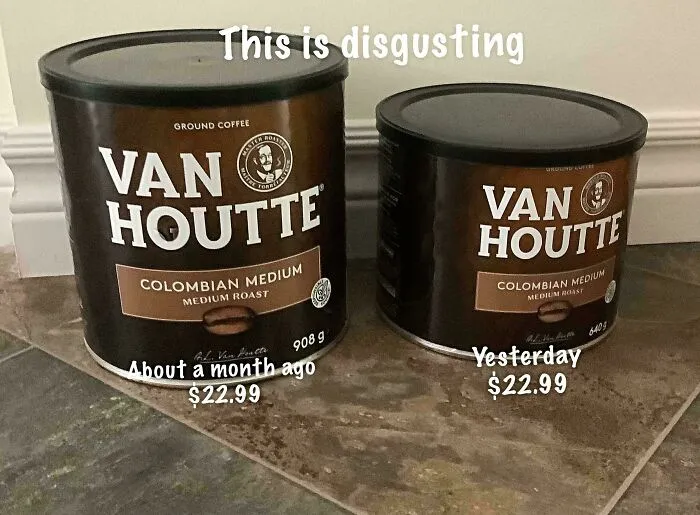
#20 I’ve Been Pissed About This For Weeks. 75% Air. My Hands Are Small And I Could Hold All Of It In My Palm What Do You Mean “Share Size”