






Some moments in history aren't just breaking news—they're foundation-shaking events that echo through the centuries. From the bold signatures on the Declaration of Independence to the mushroom clouds over Japan, America's story is defined by pivotal moments that changed everything that came after. These aren't just dates to memorize for a history test; they're the turning points that explain who we are today.
Whether it's the Supreme Court's devastating Dred Scott decision that helped ignite a Civil War or the tragic sinking of the Lusitania that pulled us into a world conflict, these watershed moments transcend their own time. We've gathered 25 of the most profound events in American history—the kind that didn't just define their decade but continue to shape our lives today. Take a journey with us through the moments that made America, for better or worse.
#21 September 11 Attacks (2001)
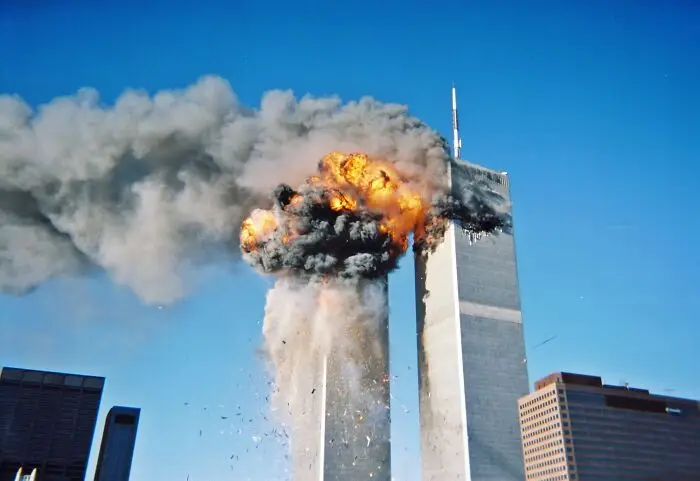
On September 11, 2001, the U.S. faced the deadliest terrorist attack in its history. Al-Qaeda hijackers seized four commercial planes, crashing two into the World Trade Center in New York City, one into the Pentagon, and another in Pennsylvania after passengers fought back. Nearly 3,000 people were killed, and the Twin Towers collapsed, leaving the nation in shock. The attacks led to the War on Terror, the Patriot Act, and the invasions of Afghanistan and Iraq. Security policies worldwide were reshaped, and the day remains a symbol of resilience, loss, and the fight against terrorism.
4points
#22 Stock Market Crash (1929)
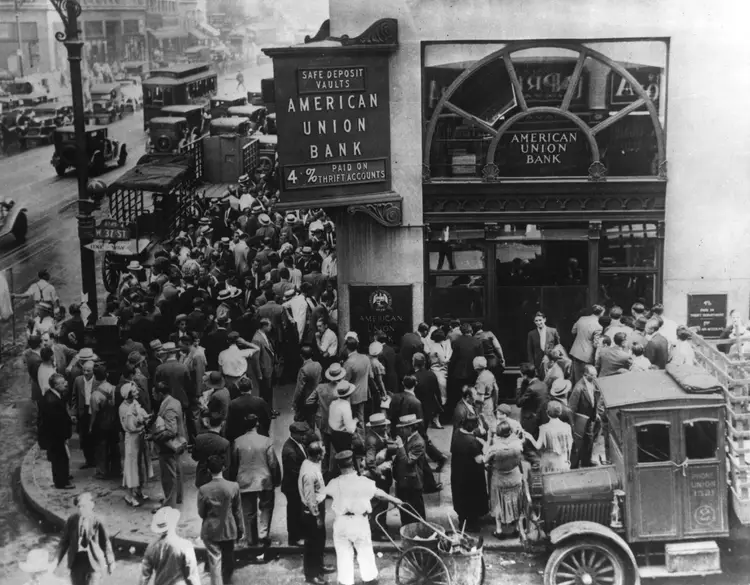
The Stock Market Crash of 1929 shattered the illusion of endless prosperity, marking the beginning of the Great Depression. On October 24 (“Black Thursday”), panic selling sent prices tumbling, and by October 29 (“Black Tuesday”), the market had collapsed. Over $30 billion vanished in days, wiping out fortunes and devastating investors. Reckless speculation, buying on margin, and an overheated economy all contributed to the crash. Banks failed, businesses crumbled, and unemployment skyrocketed. The economic downturn lasted a decade, prompting sweeping reforms, including FDR’s New Deal, to rebuild confidence in the financial system.
Report
3points
#23 Fdr’s First Fireside Chat (1933)
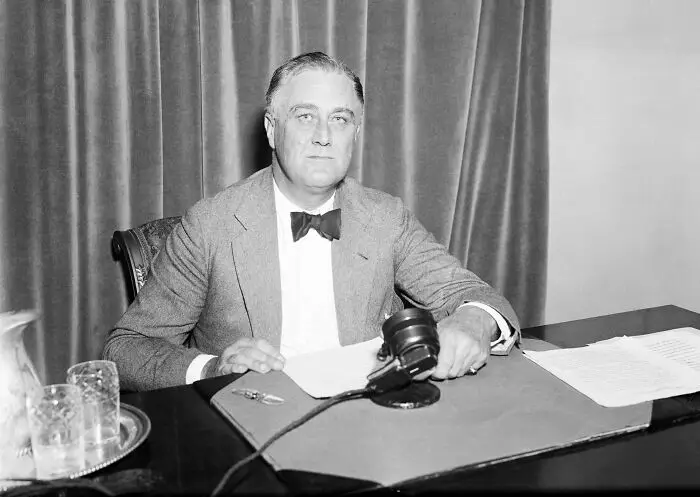
On March 12, 1933, Franklin D. Roosevelt delivered his first Fireside Chat, a radio address that reassured a nation in crisis. Amid the Great Depression, banks were failing, and public trust had collapsed. Speaking calmly and clearly, FDR explained his banking reforms and urged Americans to keep their money in banks instead of hoarding cash. His words restored confidence, and when banks reopened, deposits surged. The Fireside Chats became a hallmark of his presidency, using radio to connect directly with the people, making them feel informed and included in the fight for economic recovery.
Report
3points
#24 Assassination Of Martin Luther King, Jr. (1968)

On April 4, 1968, Dr. Martin Luther King Jr., the leader of the civil rights movement, was assassinated on the balcony of the Lorraine Motel in Memphis, Tennessee. King had traveled there to support striking sanitation workers, continuing his fight for racial and economic justice. His killer, James Earl Ray, shot him with a rifle, sparking nationwide riots and an outpouring of grief. King’s death was a devastating blow, but his legacy endured, inspiring civil rights legislation and continued struggles for equality. His message of nonviolence and justice remains a powerful force in American history.
Report
3points
#25 Covid-19 Pandemic (2019-...)
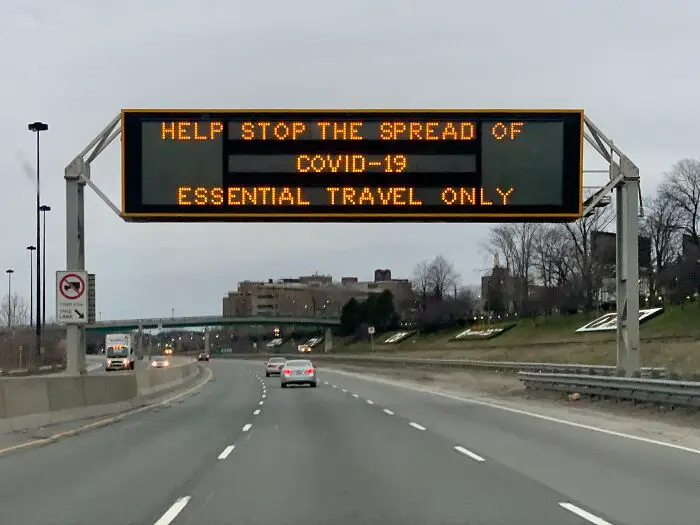
The COVID-19 pandemic, caused by the SARS-CoV-2 virus, spread globally in early 2020, triggering a crisis unlike any in modern history. Governments imposed lockdowns, travel bans, and mask mandates as hospitals filled and economies stalled. Scientists raced to develop vaccines, which rolled out by late 2020, but new variants prolonged the crisis. The pandemic reshaped daily life, accelerating remote work, digital services, and medical advancements while exposing healthcare and economic inequalities. With millions of lives lost, COVID-19 left a lasting impact on global health policies, economies, and public trust in institutions.
Report
3points