

The Washington Post stresses the fact that recreational fear can be a lot of fun under the right circumstances. But it’s not just about enjoying yourself. Horror can be an important tool for learning. Not only do you get the rush and a boosted mood from getting scared, but you also prepare yourself for (theoretical) dangerous situations.
The director of the Recreational Fear Lab at Aarhus University, Mathias Clasen, told the Washington Post that people consuming horror learn about the dangers of the world and better understand their own responses. “What does it feel like to be afraid? How much fear can I take?”
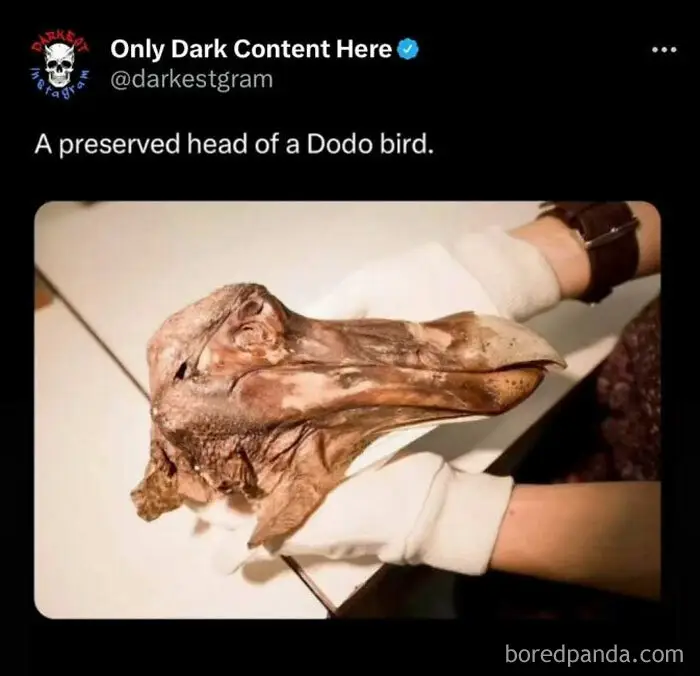
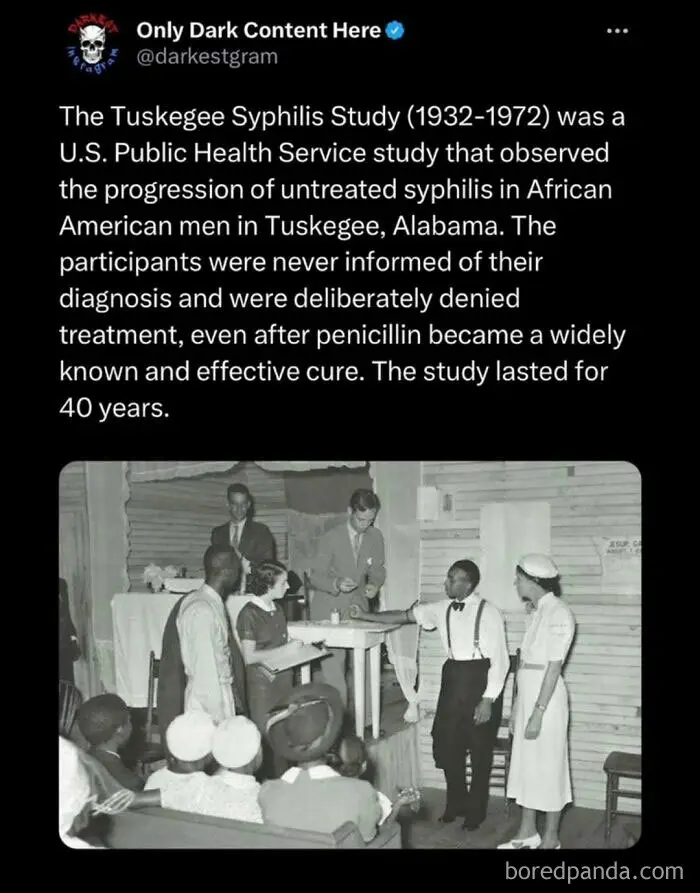
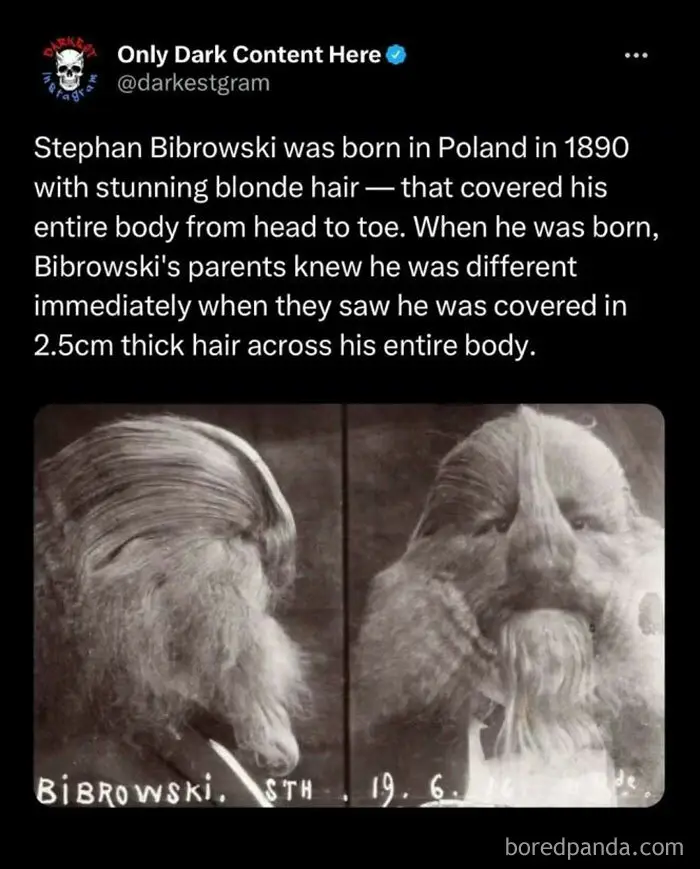
The key is to find some sort of balance between too much and too little fear. If a recreational horror experience is too tame, your audience is likely to get bored. However, crank the fear up too high and people will be far too anxious to enjoy themselves.
It’s a balancing act that’s hard to get right because everyone’s relationship with horror is so individualistic.
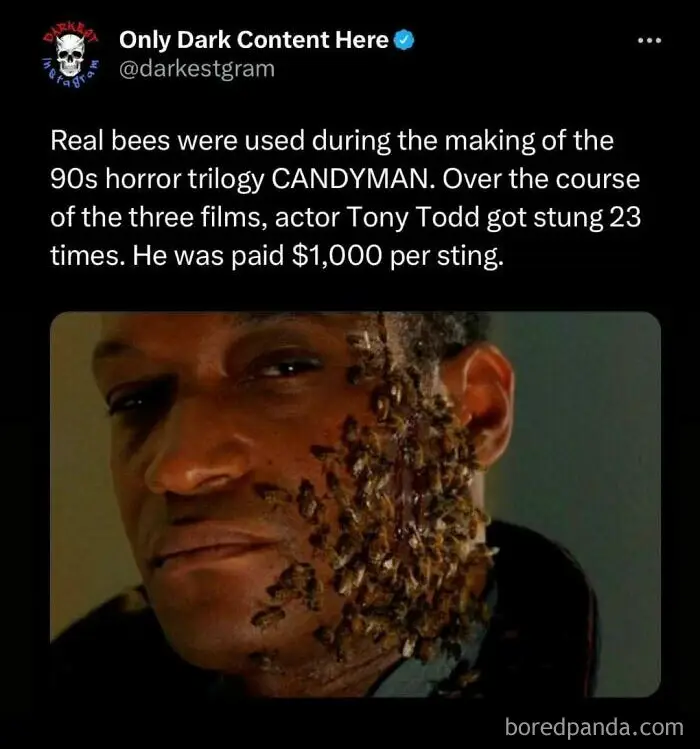
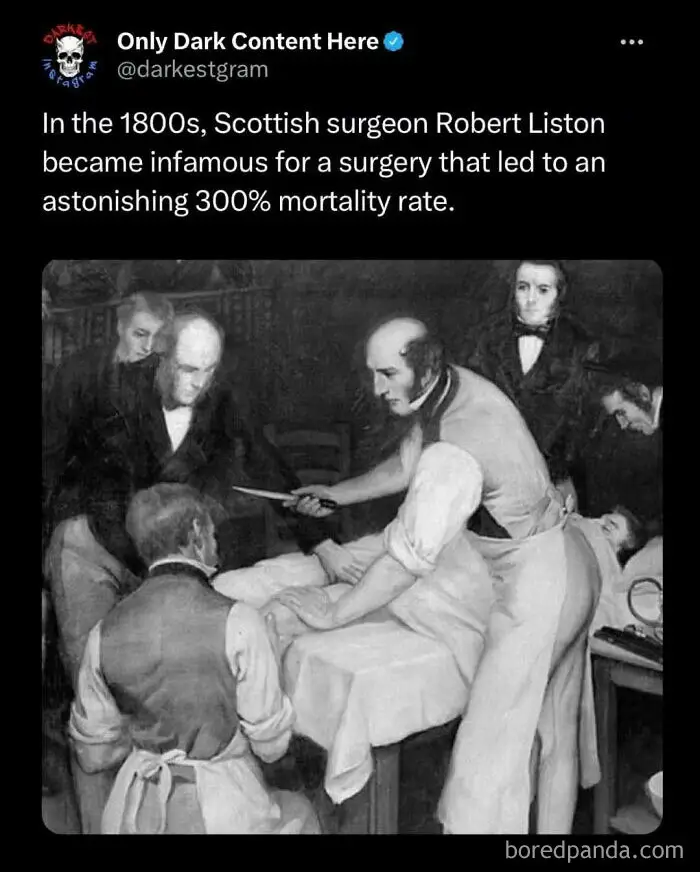
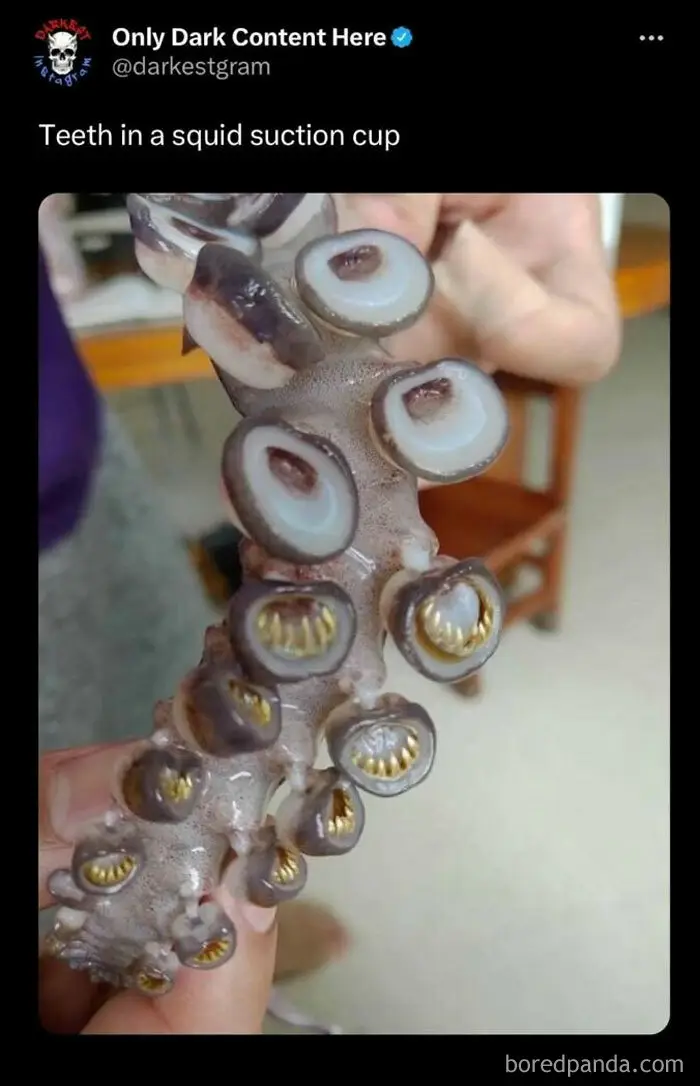
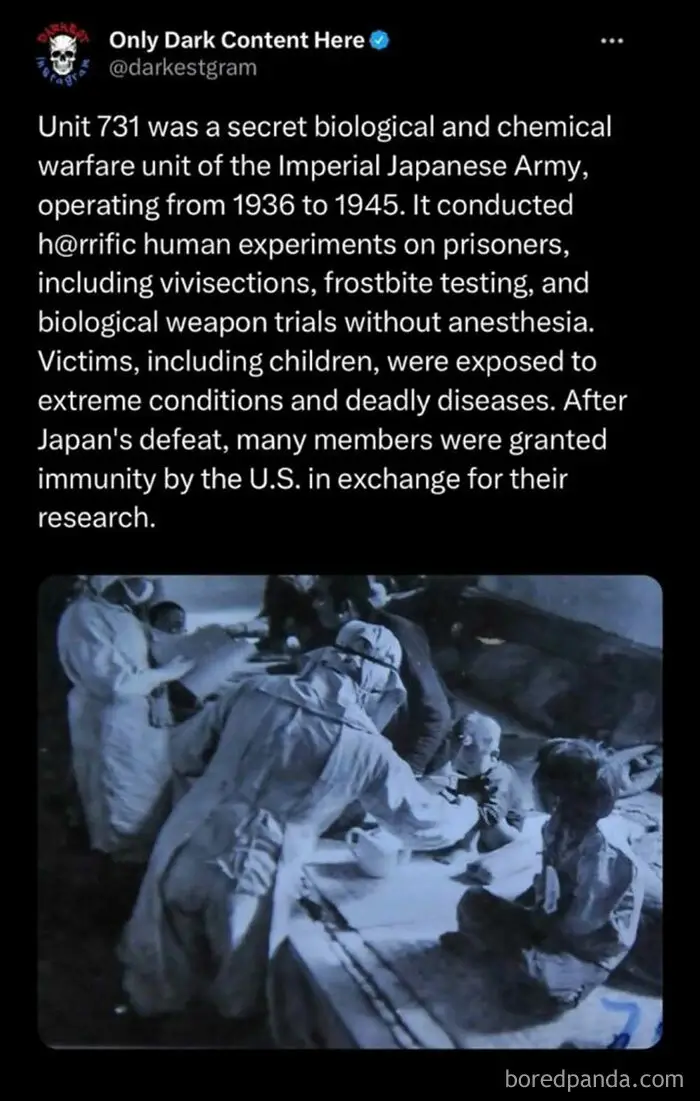
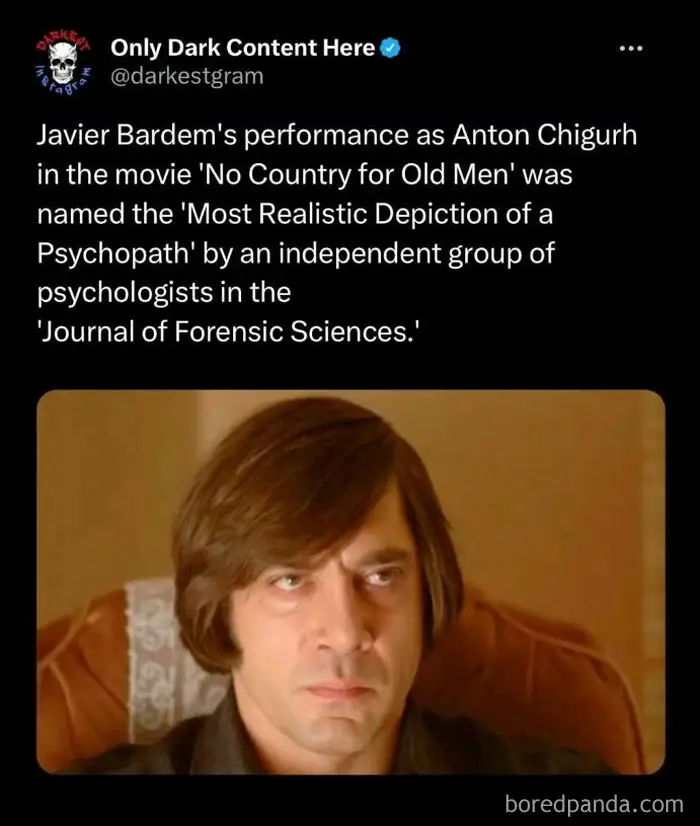
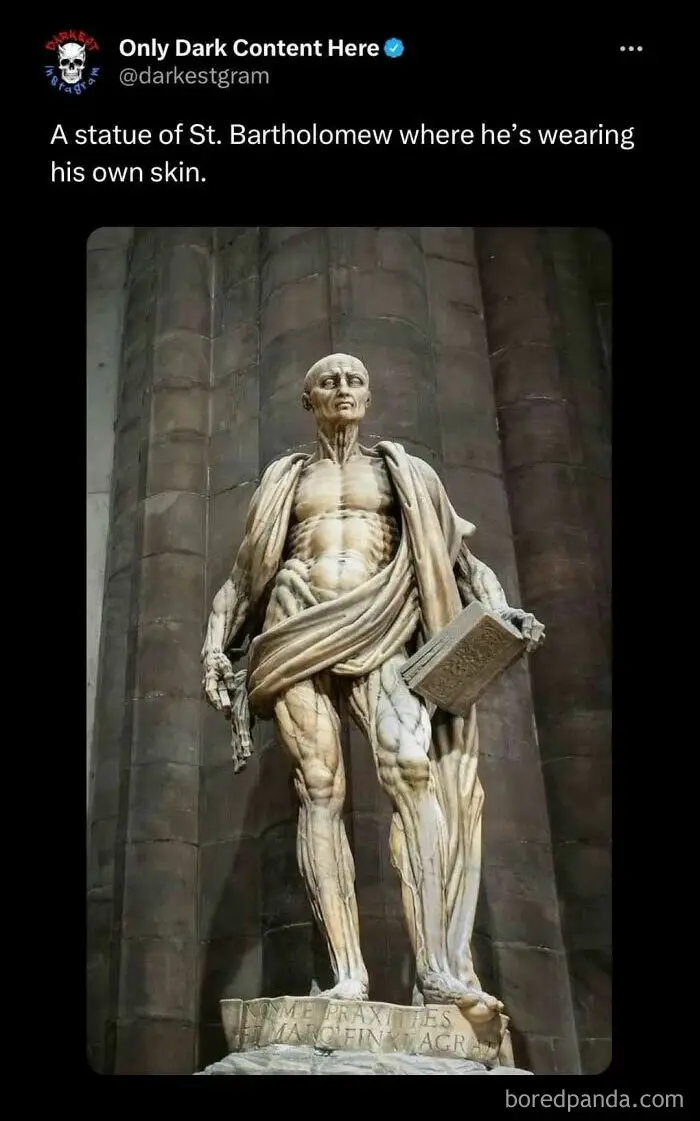
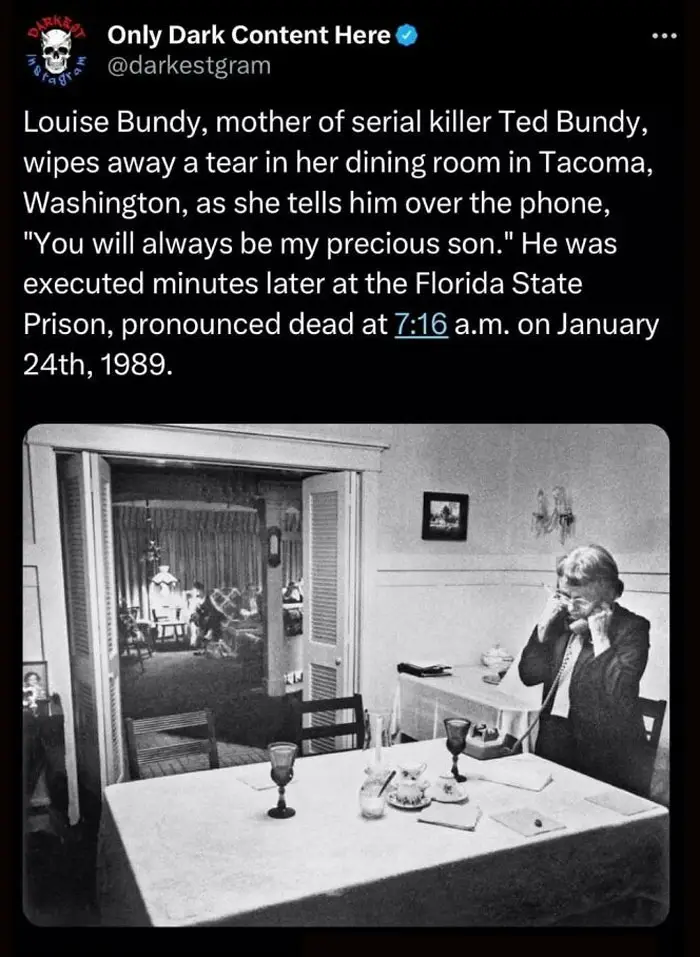
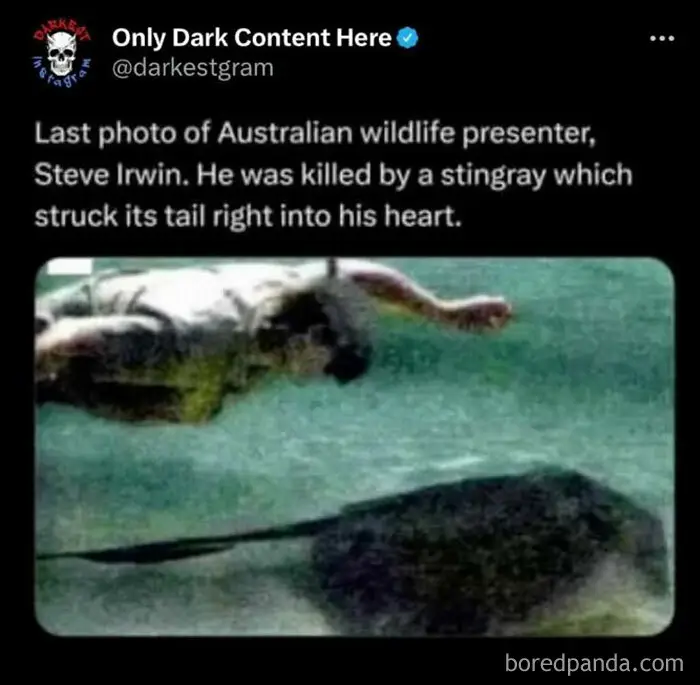
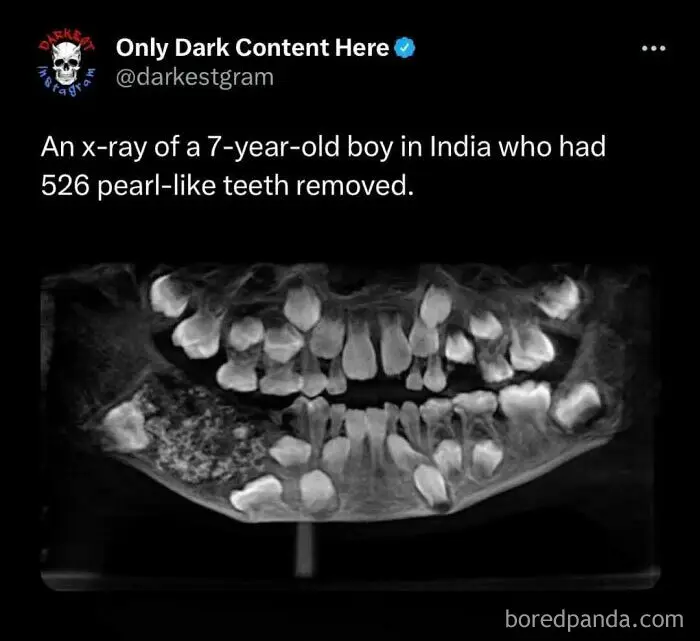
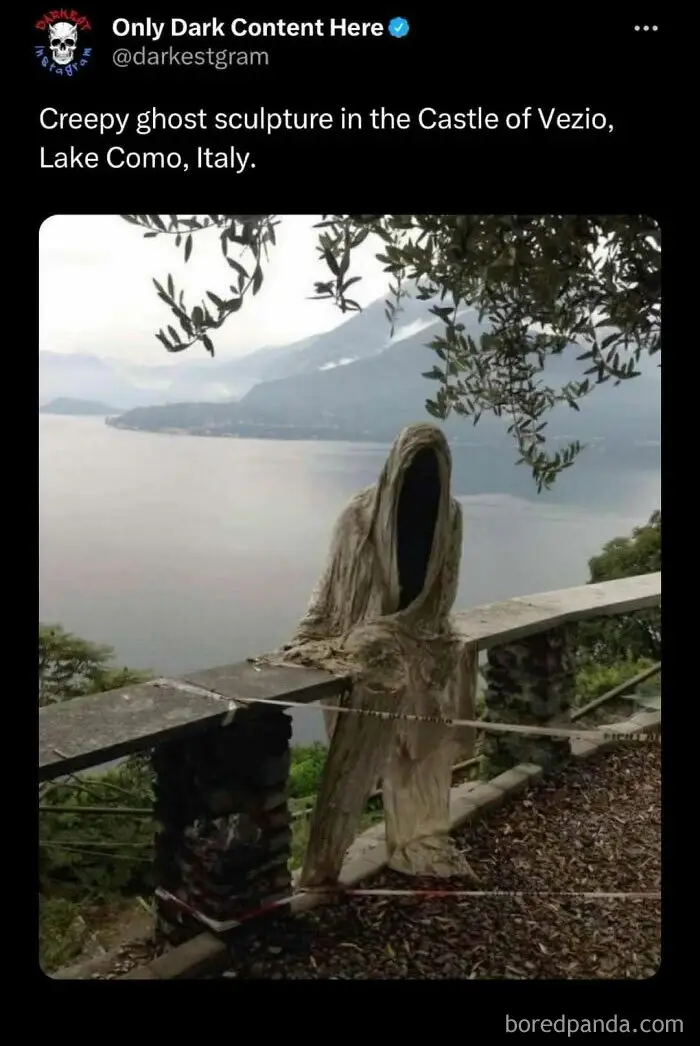
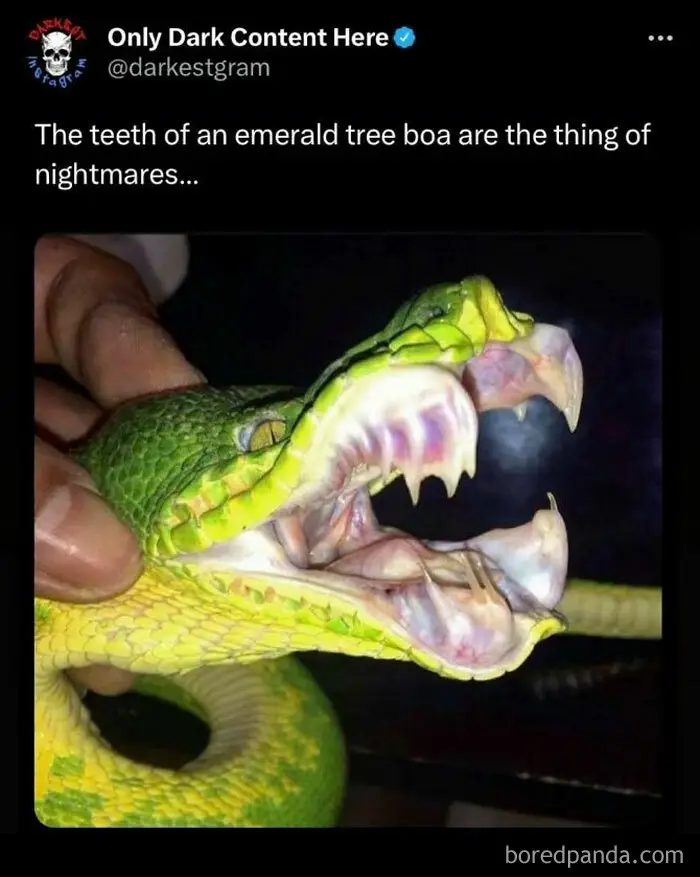
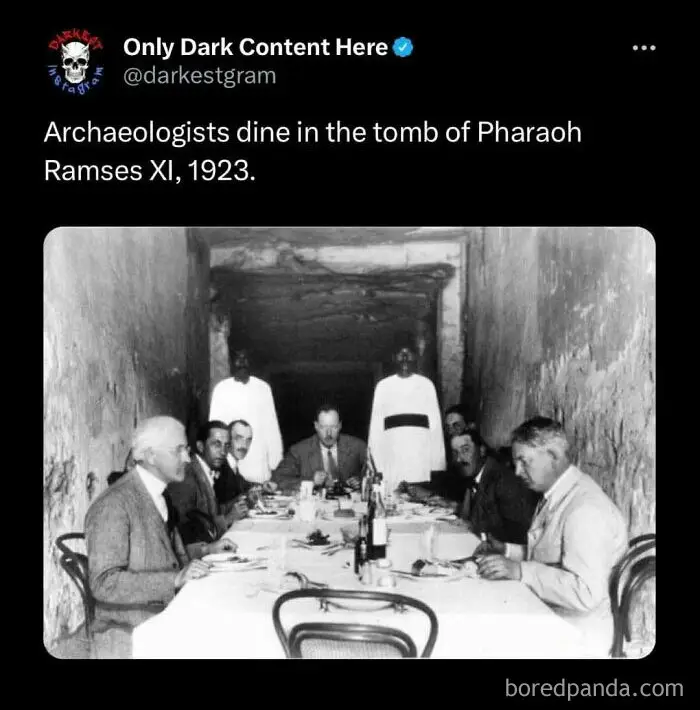
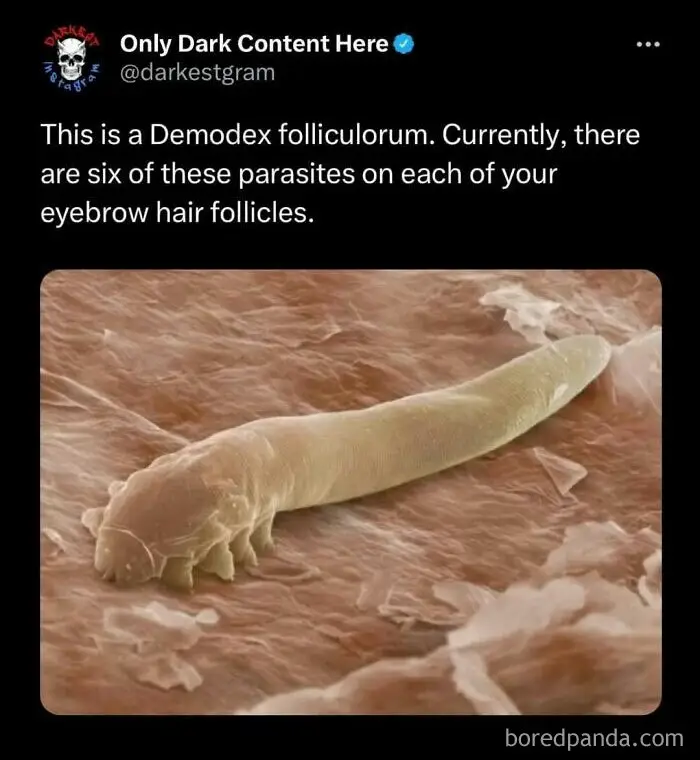
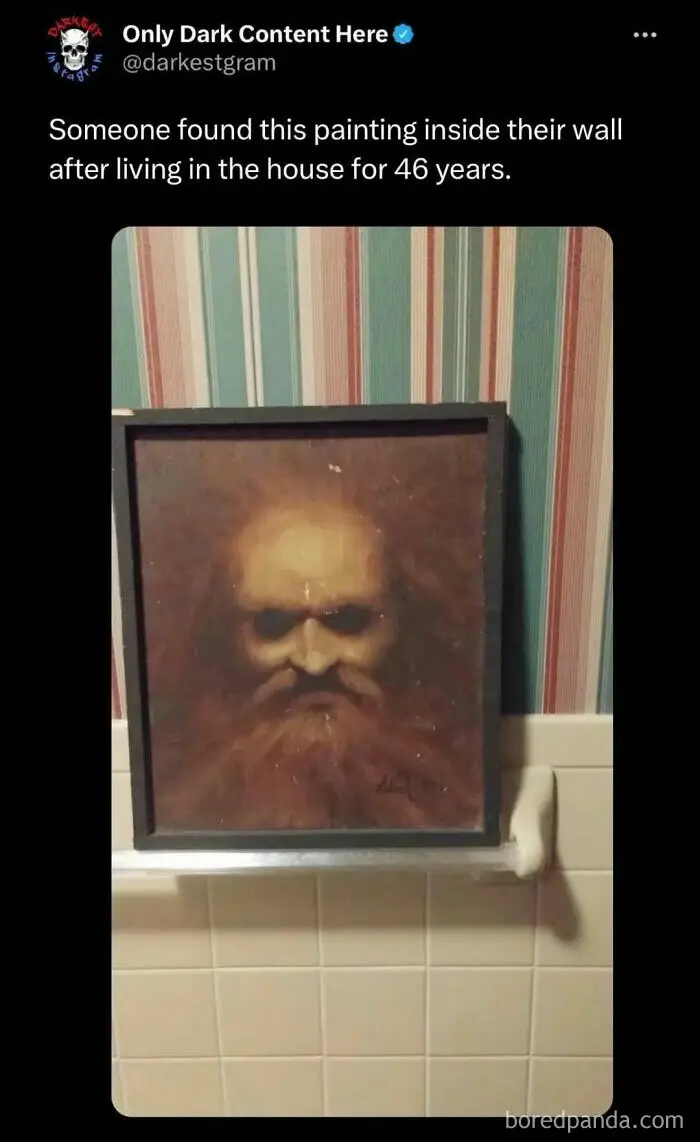
The ‘DarkestGram’ project was created on Instagram quite a while back, in May 2019. Over the past 6+ years, the curator of the account has drawn in over 47k loyal followers and scary-story lovers from all corners of the internet.
From the curator’s perspective, the account is the “darkest page” on the entire social network.
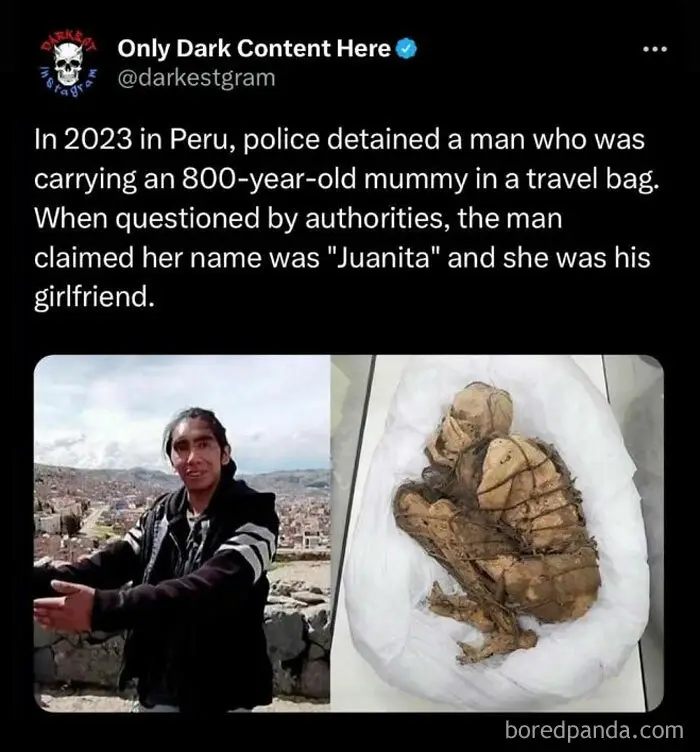
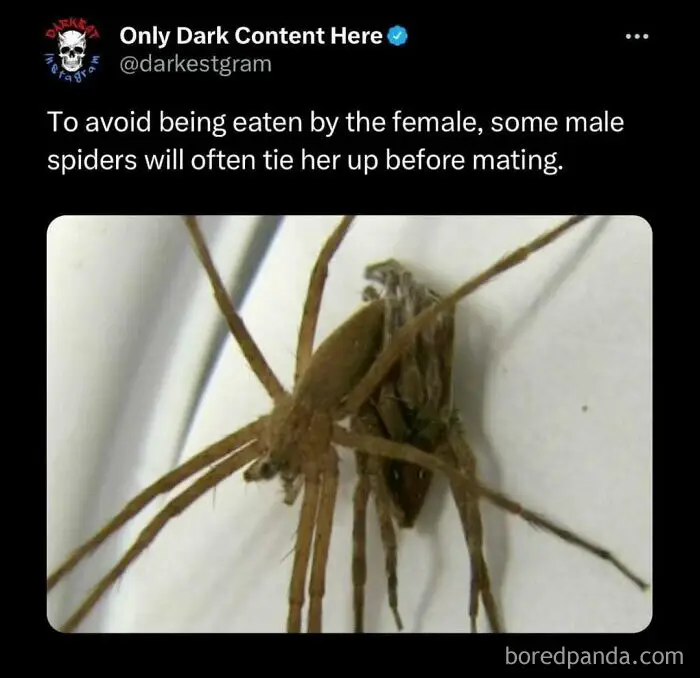
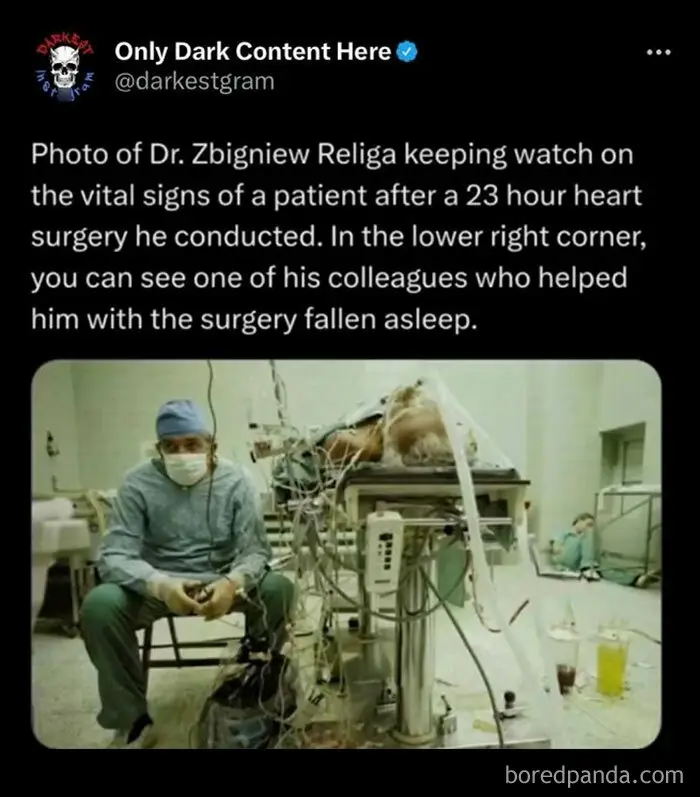
Which of these stories disturbed you the most? Were there any that piqued your curiosity and motivated you to dig even deeper into the events?
On a scale of ‘nope’ to ‘yay!’, how big of a horror content fan would you say that you are? Share your thoughts in the comments at the bottom of this post (if you dare!).