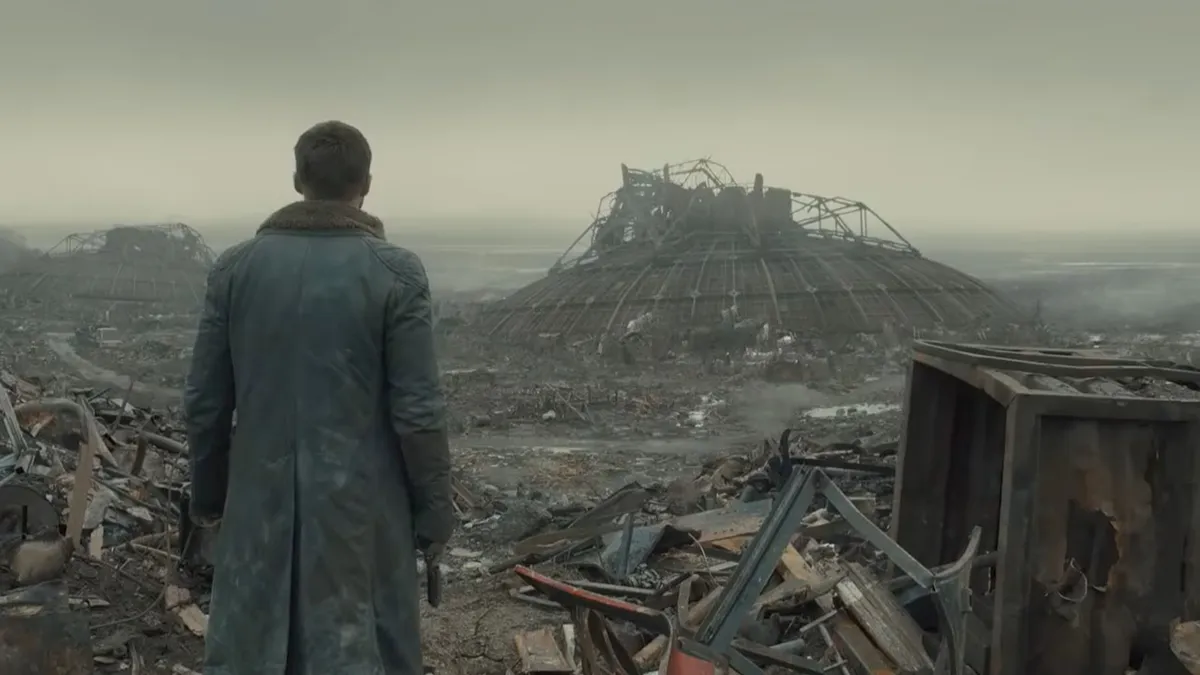

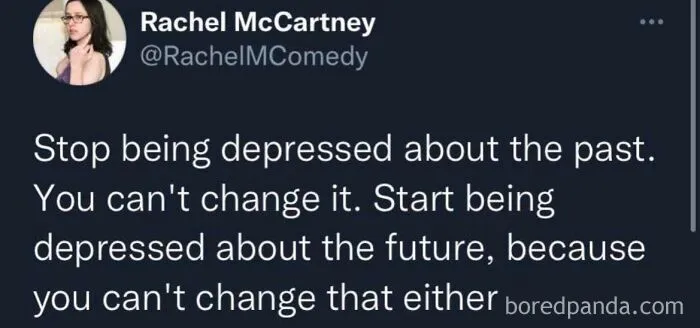
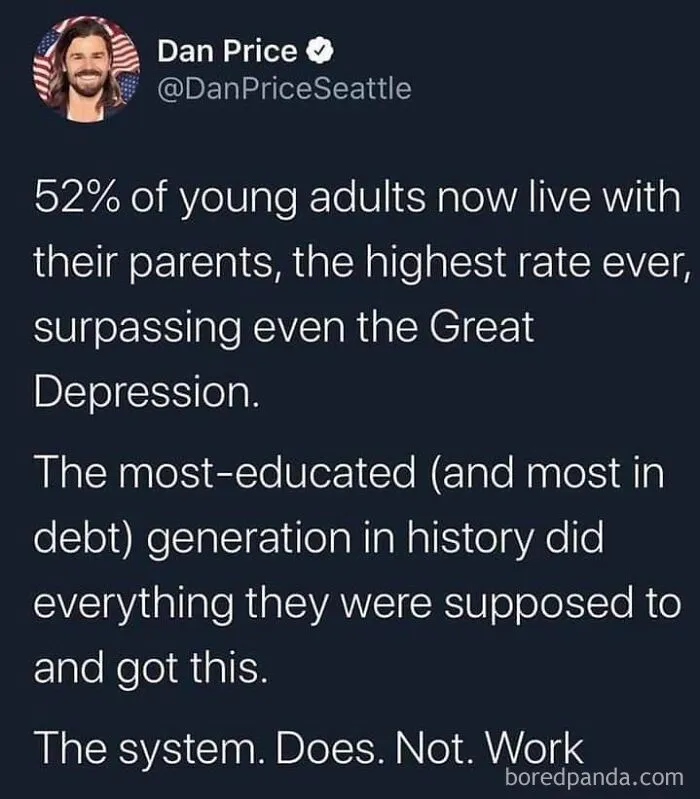
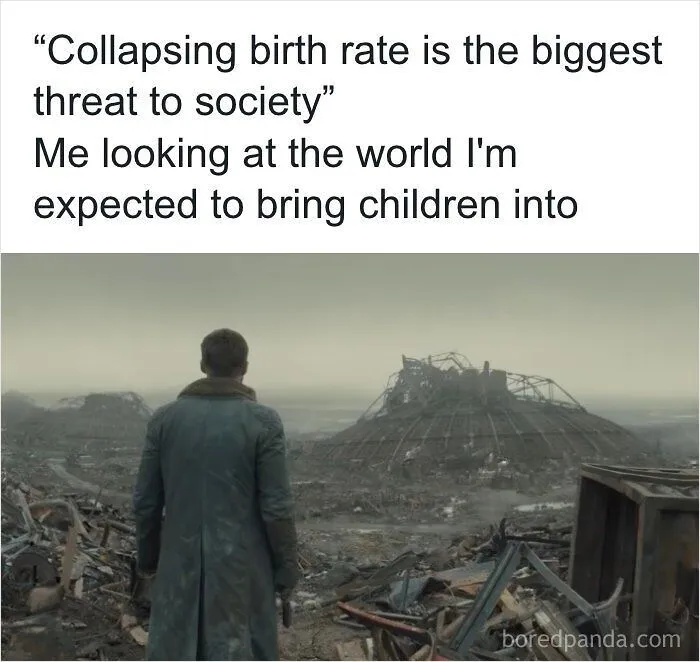
The word dystopia combines the Greek prefix ‘dys,’ meaning bad or abnormal, with ‘utopia,’ which refers to an imaginary good place. Worldforest states that this idea is often associated with a very unfair society in which people suffer a lot or don’t live well.
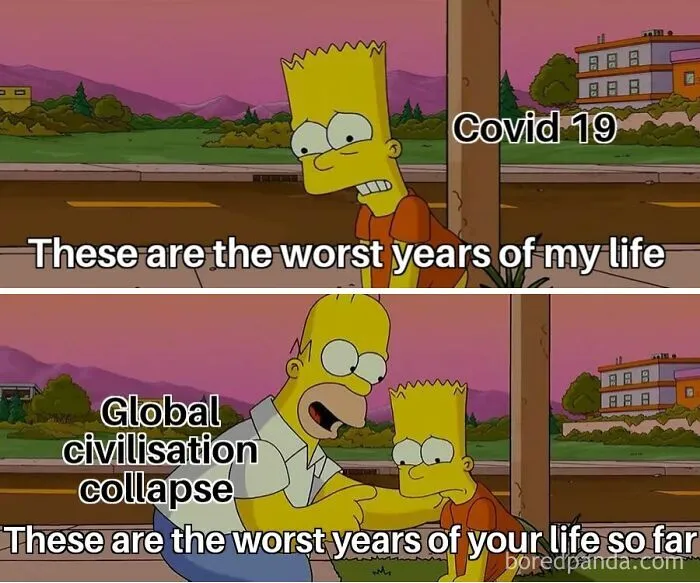
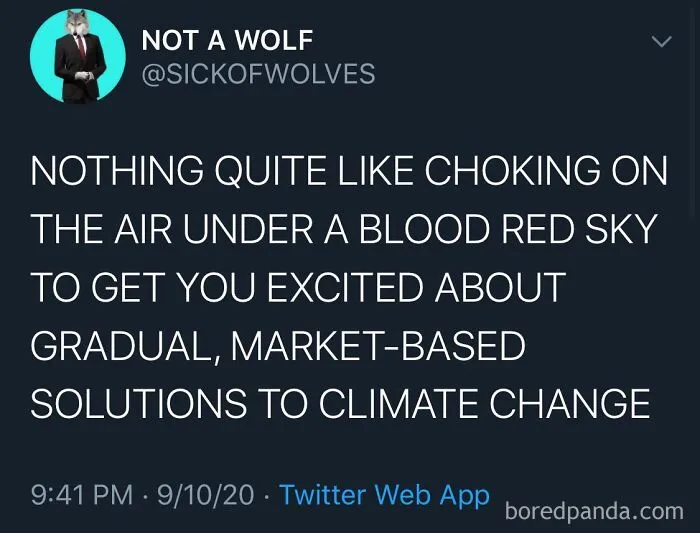
After the pandemic, especially when folks experience the biggest upheaval and change of their lives, many systems and practices put into place later might have felt dystopian. It also held up a mirror to society and how we have been treating our environment, which none of us really wants to face.
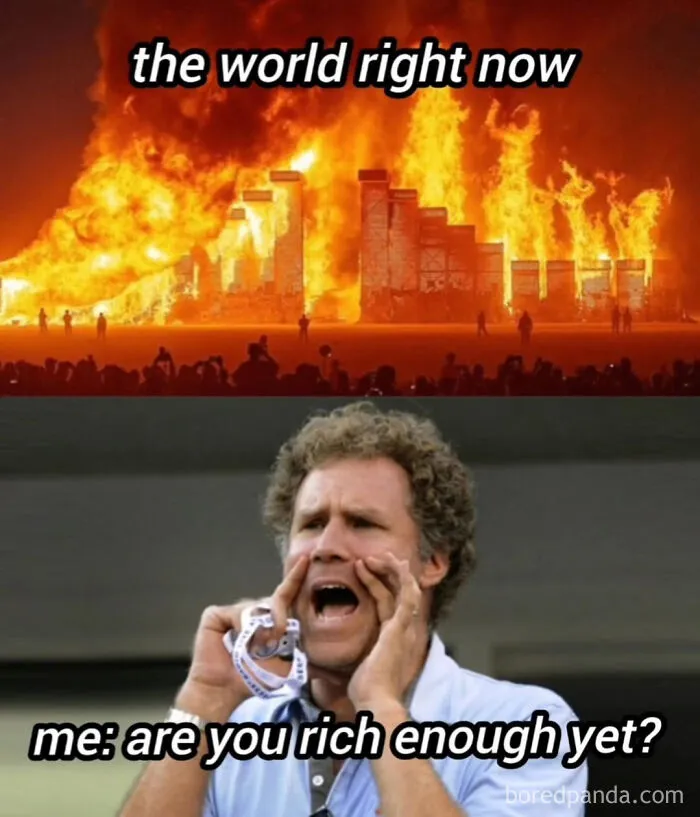
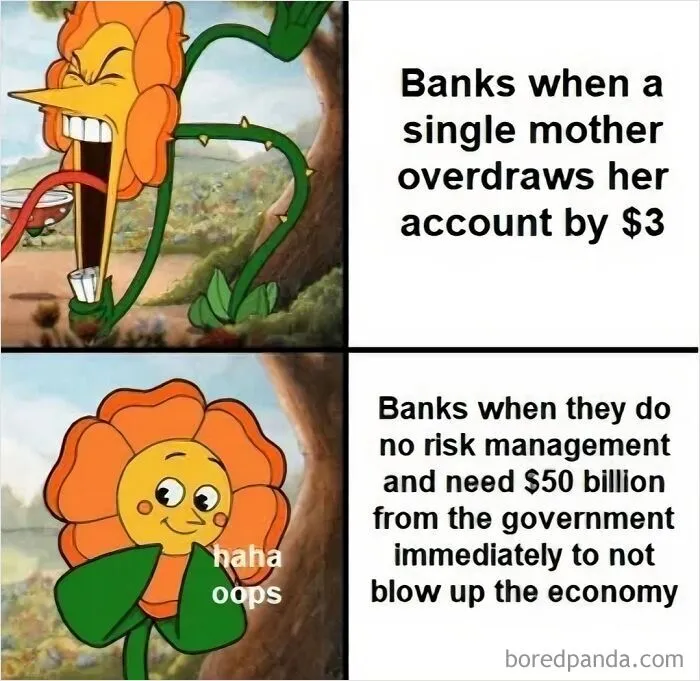
Ever since technology became woven into our daily lives, it’s become hard to do anything except scroll, post, and keep up with what everyone else is doing online. This idea of always having to present a happy facade on social media has become dystopian in itself, and might make folks feel like their real lives are never truly enough.
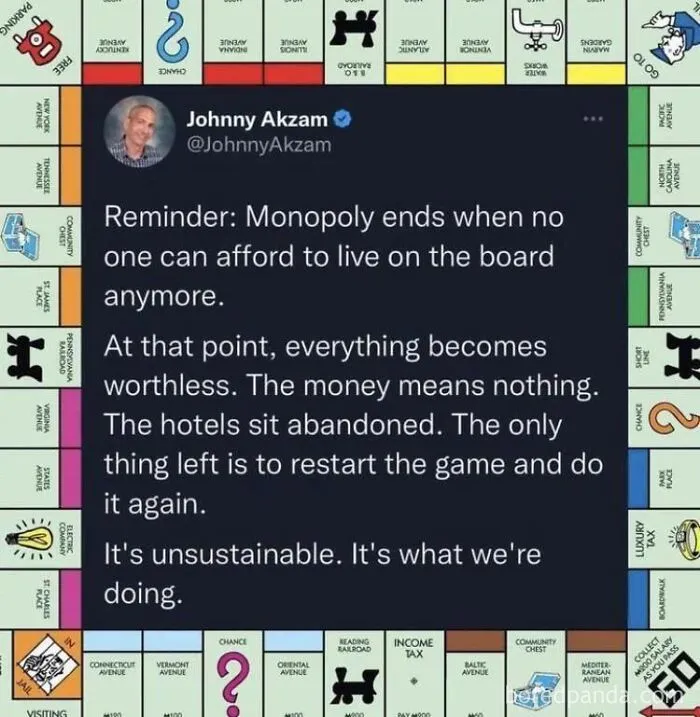
Apart from that, the Internet is full of advertisements that bombard people with information urging them to buy more products. This capitalist, overconsumption setup makes it harder for people to be content with what they have, forcing them to keep spending on material possessions to feel joy.

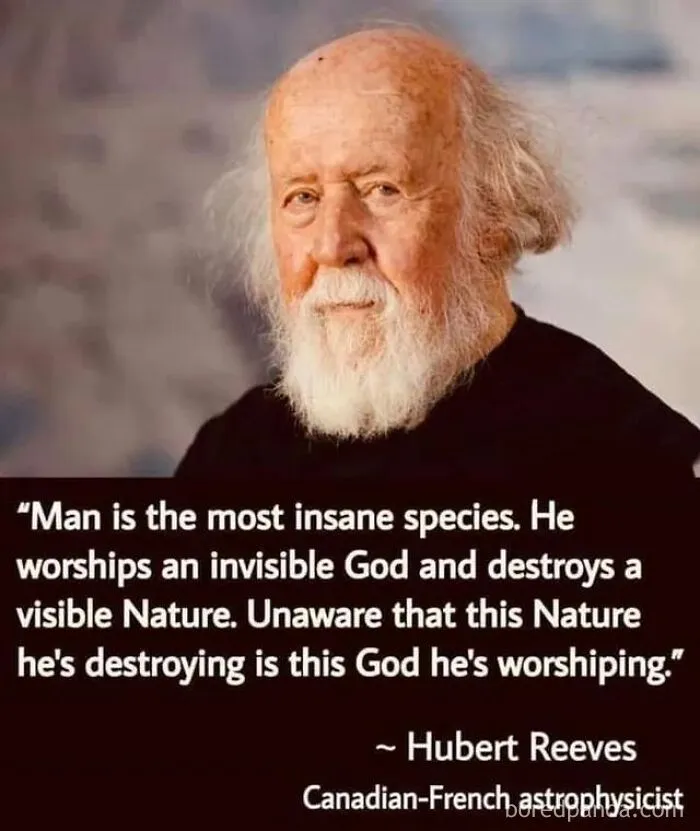
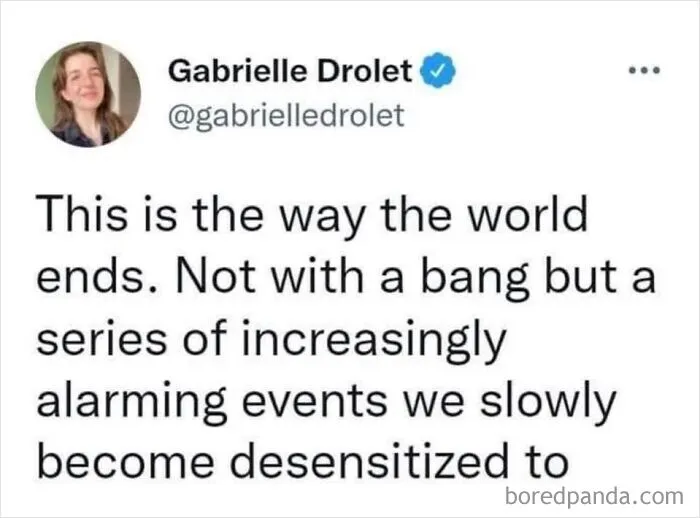
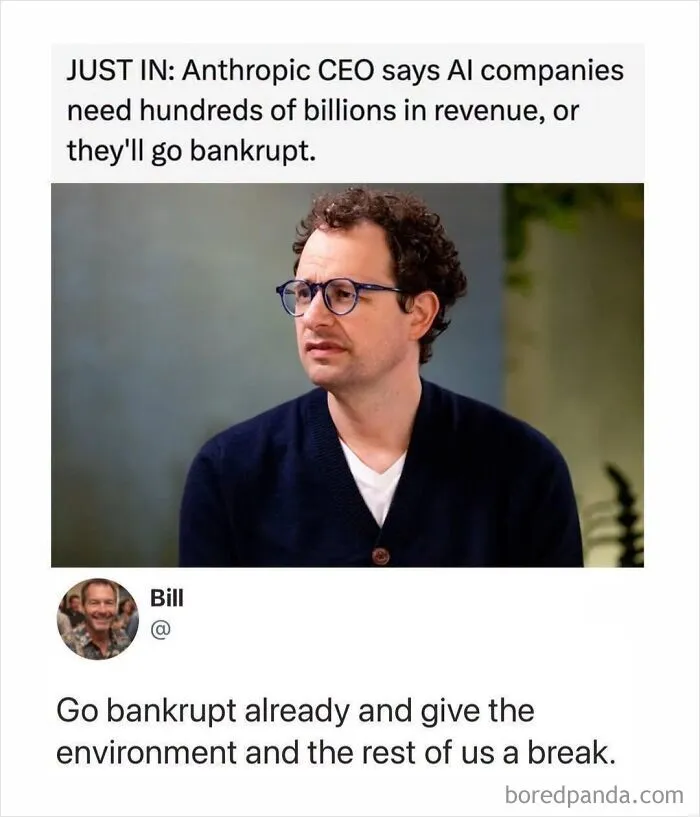
Artificial Intelligence has risen over the last decade, with new chatbots and research systems constantly evolving. According to The Brooklyn College Vanguard, people have become more dependent on AI in recent years, with students, content creators, and even researchers using it to get their work done.
Beyond that, folks have also used ChatGPT and other bots as an emotional support tool, sharing personal information and seeking advice instead of reaching out to the humans in their lives. This kind of dependence on technology can lull folks into a false sense of security, ultimately pulling the rug out from under them when they need to think for themselves.
A scary part of a dystopian society is how much control a government has over its people. When you watch shows like ‘The Handmaid’s Tale’ or read books like ‘1984,’ it might seem absurd that anyone would let their leaders have so much power over them, but this kind of situation can happen slowly and more subtly than folks imagine.
Totalitarianism tends to happen in steps, with people’s rights being taken away from them one by one. Next, the electoral system assigns less power to voters, so even if they choose, the end result rests in the hands of the state. Media and news outlets are also slowly taken over and are allowed to report only what the government permits.
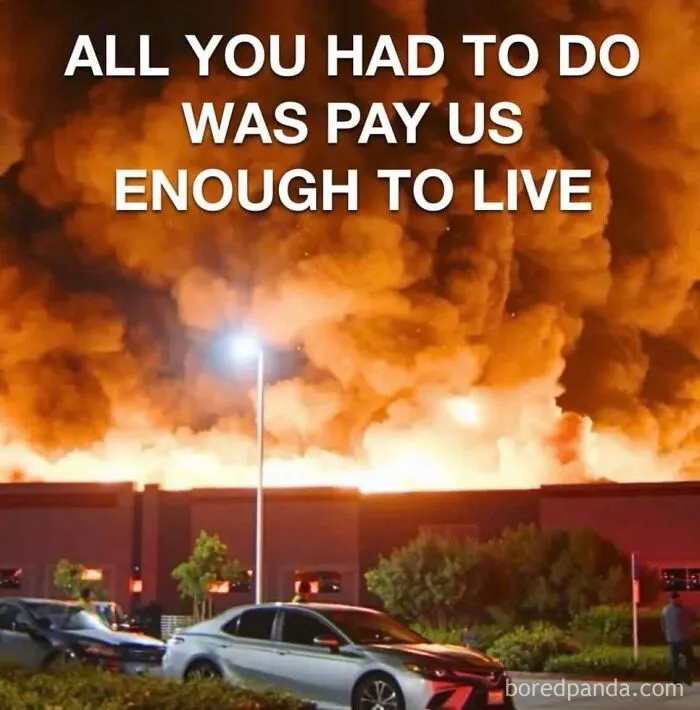
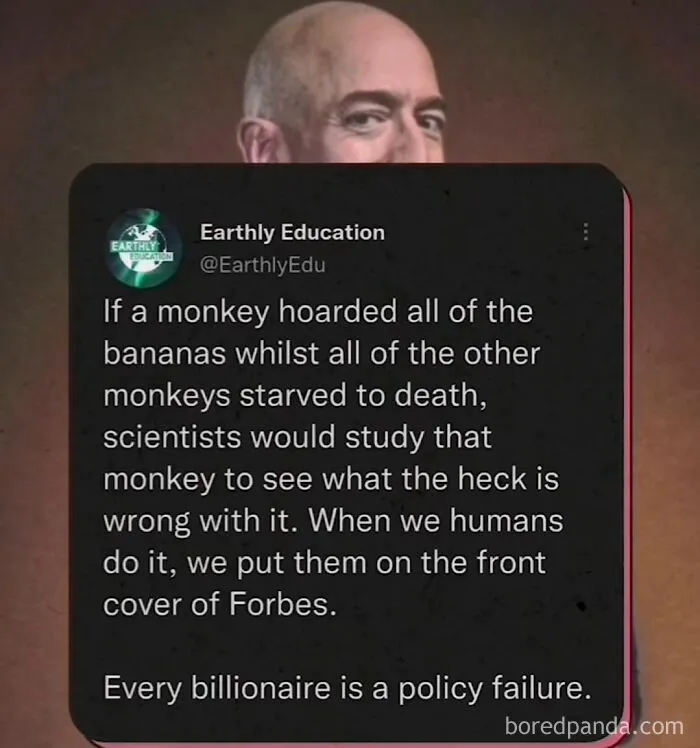
Changing a society doesn’t happen overnight; it takes a lot of work, and people need to agree on what democracy should look like. According to RevDem, people need to build a system that radically reforms current institutions by giving more power to those willing to deliberate and compromise.
When students and young folks are also allowed to think critically, they can start new leadership roles from the ground up. This can later influence elections and also put people in power who are better equipped to make decisions for the good of many.
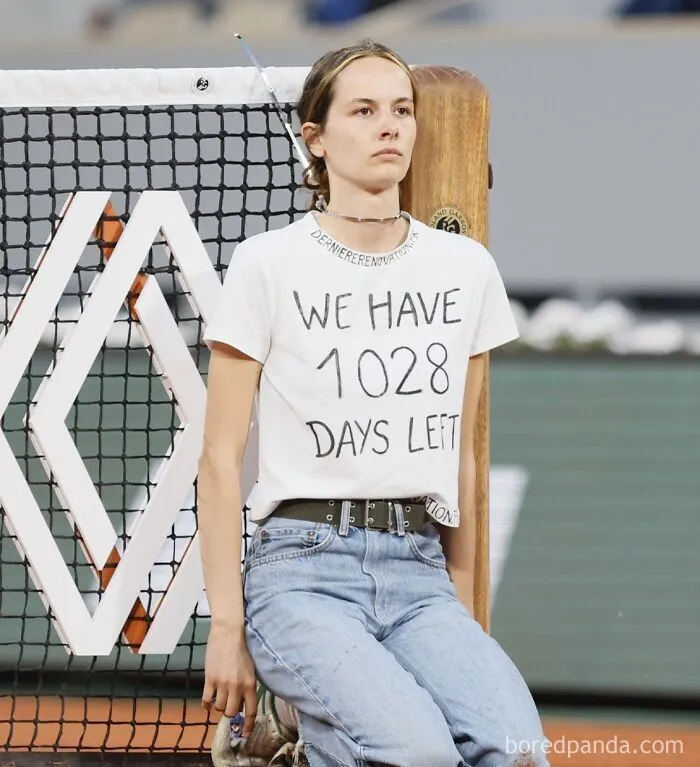
#16 A Protester Interrupted A Tennis Semi-Final At Roland Garros To Protest Climate Change And Climate Inaction. She Entered The Court And Chained Herself To The Net For Several Minutes
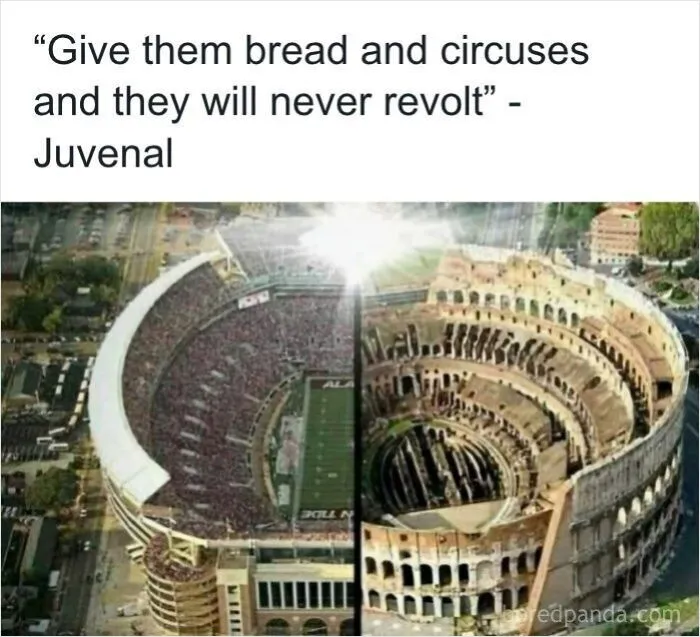
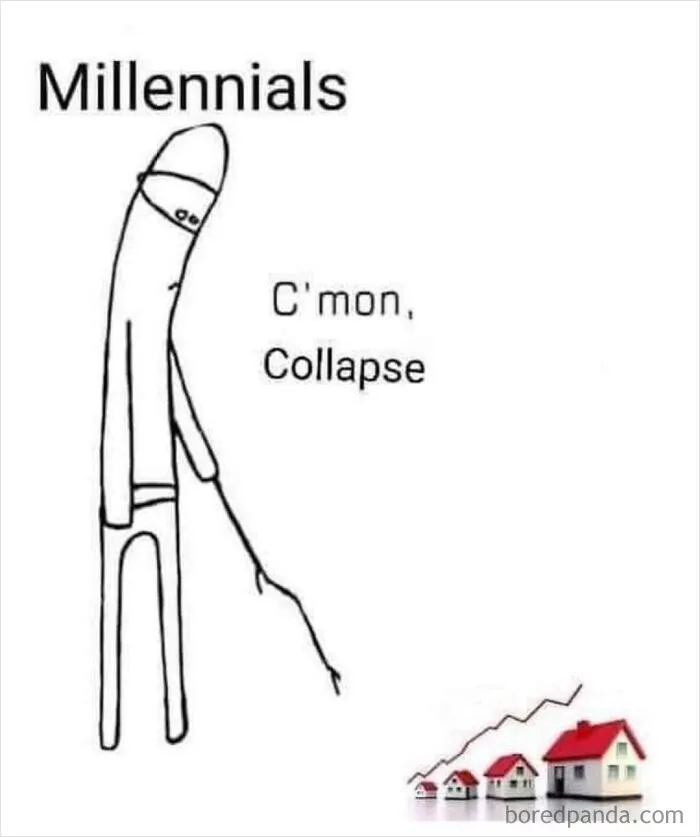
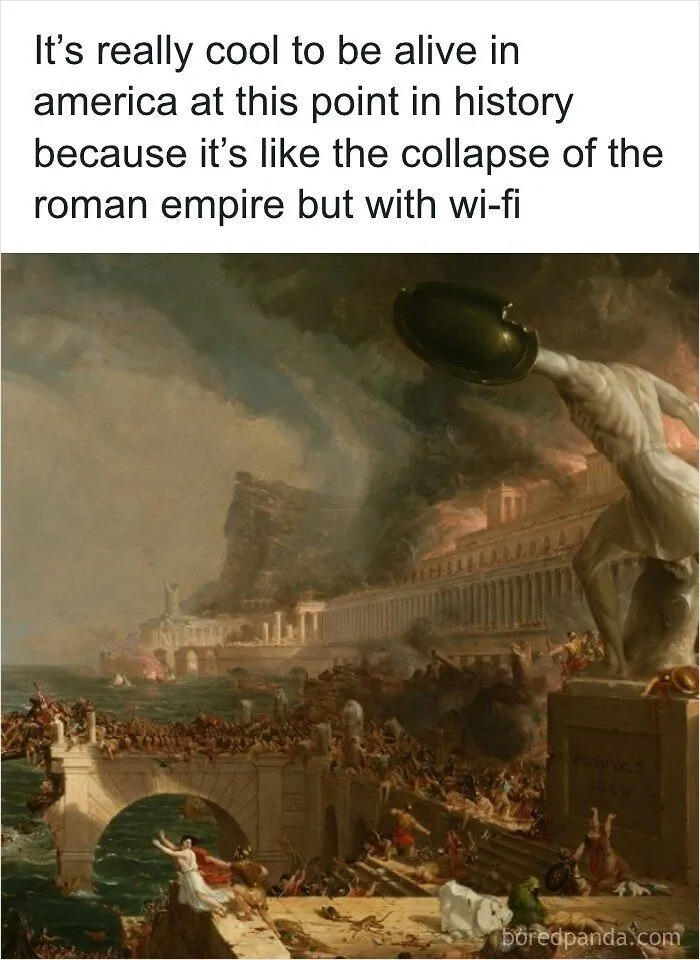
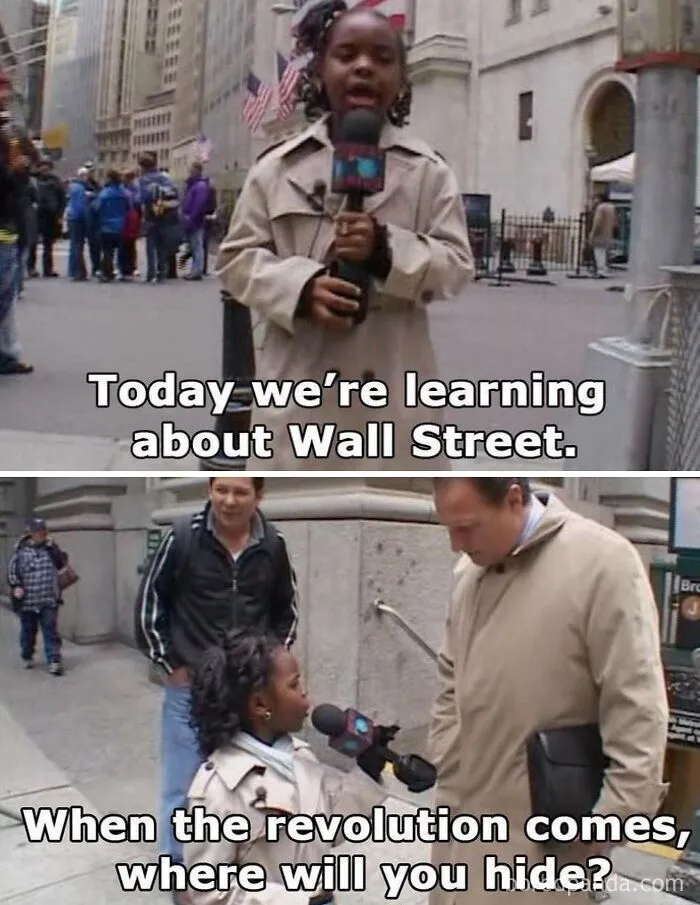
If these memes are any indication, we’re already moving toward a dystopian society because we may have forgotten how to consider the needs of many. The World Economic Forum notes that only a small percentage of global research focuses on the health problems of people in developing nations.
Instead, we should emphasize this so the large populations affected can get relief and live better lives. Right now, less than 1% of health and medical grants go to low-income countries. Richer nations also have 73 times as many health researchers per capita as poorer places, which shows we need to change our perspective and send help where it’s needed.