




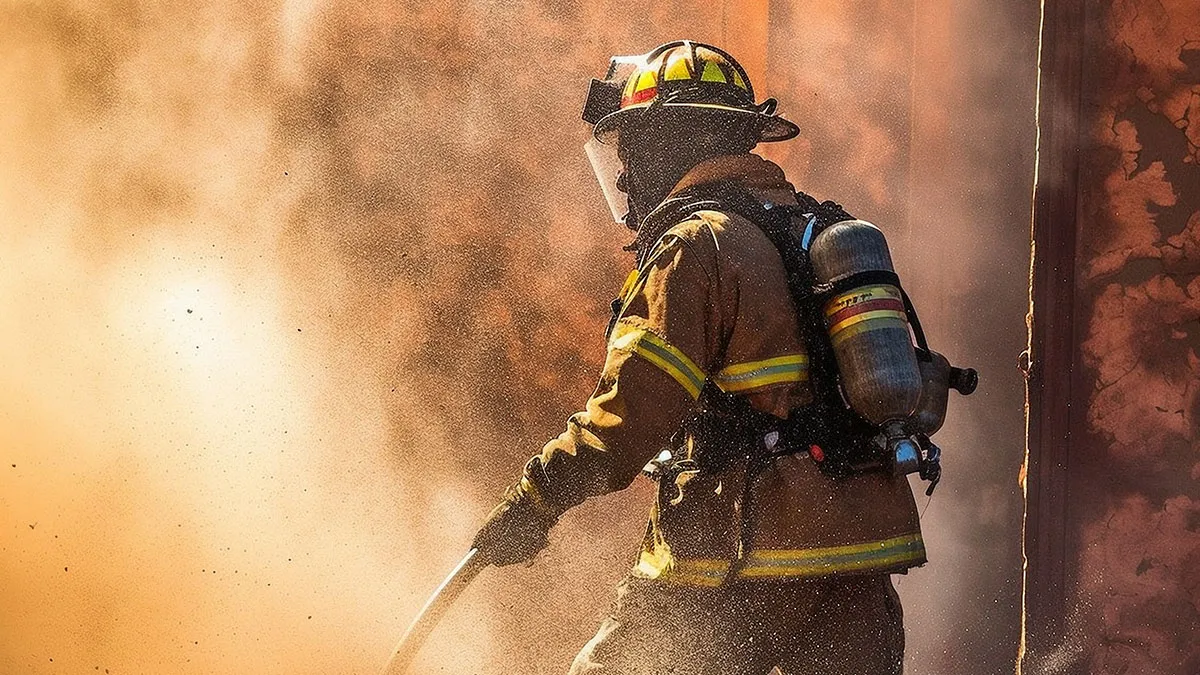



#21
I also was going on a first date with someone after that shift. I texted him about an hour before the end of my shift and said “hey, if I don’t show, I didn’t ghost you. I’m probably dead.” And when I got to said date, he was very intrigued to hear the story behind that text.
Finally, individual differences matter more than we think. Personality, stress levels, upbringing, and even sleep all affect how we decide. Some people are naturally cautious. Others are more impulsive. Neither is always right or wrong. What matters is awareness. Understanding how your own brain works helps you pause before reacting. Better decisions often start with knowing yourself. And that’s something worth practicing every day.
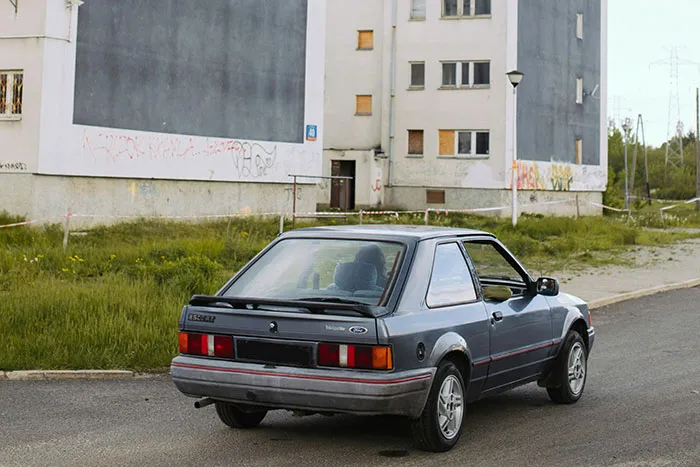
#23

No matter what the old sparkies tell you, don't work on live circuits without proper PPE.
#24
In life, it’s important to pause and think before making decisions, rather than rushing on autopilot. Taking a moment to reflect helps you weigh the options, consider the consequences, and separate impulse from logic. To make better choices, we must slow down, stay mindful of our emotions, and look at the bigger picture. It’s not about overthinking every little thing, but about giving yourself the space to decide intentionally, rather than letting habits or pressure dictate your actions.
#25
I crash landed a plane in a farmer's field and walked away. (different flight)
Scuba diving I got turned around and went below the recreational dive limit (130 feet). That one was dicey.
Got stuck in a blizzard in Canada at -40C and walked a couple miles towards the highway before I got tired and decided to lay down for a nap (farmer pulled me out of the the ditch and defrosted me).
Weirdly still alive. I still have all my toes too.
#26

#28
It was an instant and complete white out. (Imagine going down the highway in your car at 80 mph and driving into a solid fog bank wall. Except that you're in the air)
I couldn't even see the propeller in front of me.
My mind convinced me that I was still holding the plane straight and level as I strained to see any break whatsoever in the clouds ahead.
It was maybe only one or two minutes before I heard the sound of the engine oddly accelerating.
I broke my attention from the windows to look down at the instrument panel which was telling me that I was in a 30 degree banked dive. Despite no formal IFR training, I forced myself to trust the instruments instead of what my head and body were telling me, and managed to bring the wings back to level.
Just as the tower was calling me to ask if "everything was, um, OK up there?", I spotted a hole in the clouds and the the color of lush green fields below. I pointed the plane towards it and popped right out.
Shaken, I requested clearance to land, making for a very short trip. I learned a valuable lesson about weather flying.
I learned later that the average VFR pilot lasts 90 seconds after flying into cloud before k*****g themselves.
