


In his opinion, the sources that are the most trustworthy are the Associated Press, Reuters, and The New York Times.
"They employ fact-checkers and editors that ensure the information they post is correct. They’re basically doing the research and homework for you," he said. "There are literally too many online sources to list that can’t be trusted and should be avoided. Anyone can basically post anything they want… proceed with caution," he said.


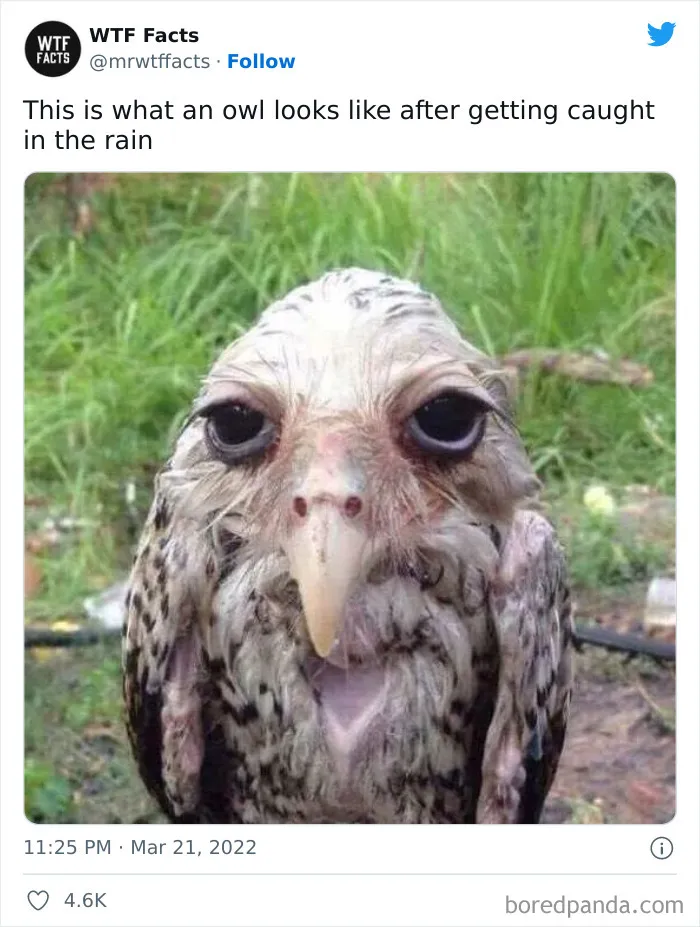
"Our attention spans have been reduced to mere seconds at a time because that’s the way information and entertainment is fed to us now. People get tiny bite-sized bits of news by scrolling a Twitter feed, they entertain themselves by scrolling quickly through Instagram and TikTok. It’s creating a habit that doesn’t have to be.”

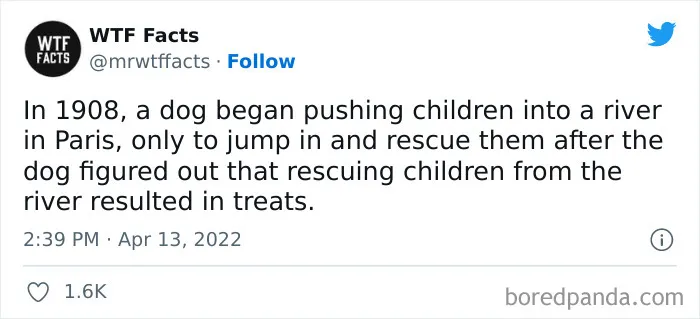

However, our shortening attention spans aren’t something unchangeable or a sentence for life. We can reverse them with a bit of effort.
"The good news is there’s plenty of long-form entertainment and news available, you just have to seek it out. I believe the benefit is worth it. I’ve discovered it improves your ability to focus, it’s more calming, you retain more information, and it gives you a more balanced and nuanced view of the world."