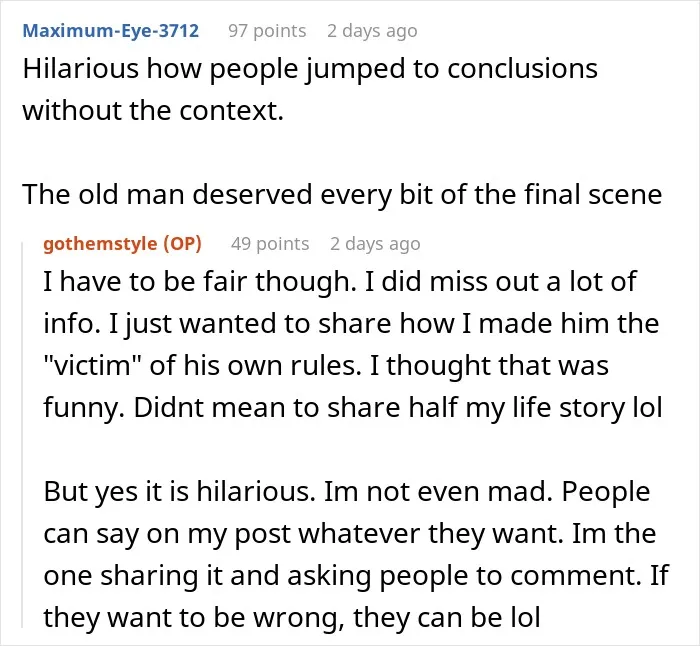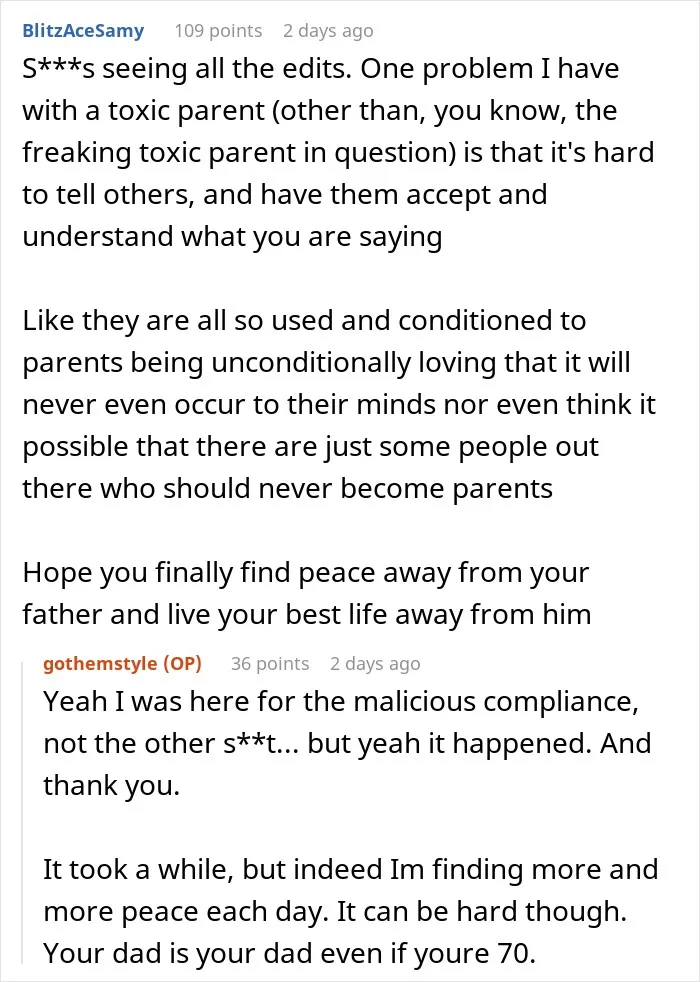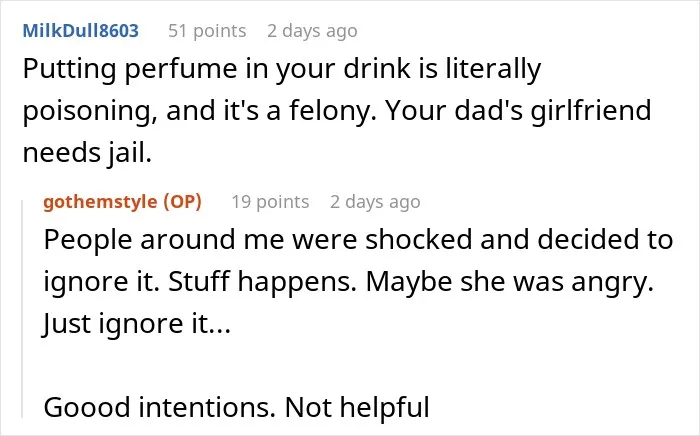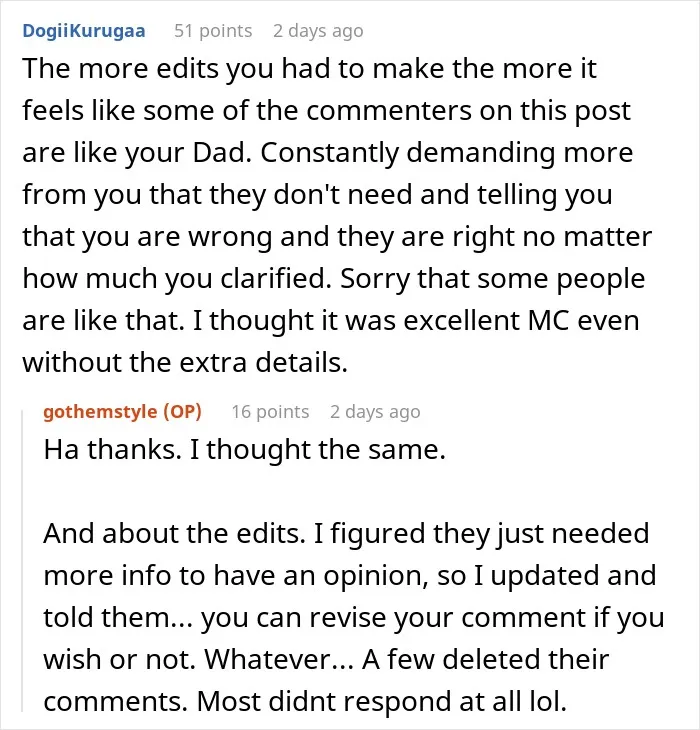


Some folks like to strut around their authority and rules in such a way that it almost feels like they are asking for someone to exploit a loophole. What we’re talking about here is of course so called “malicious compliance” when someone simply does exactly what they are told, knowing the outcome will work out in their favor.
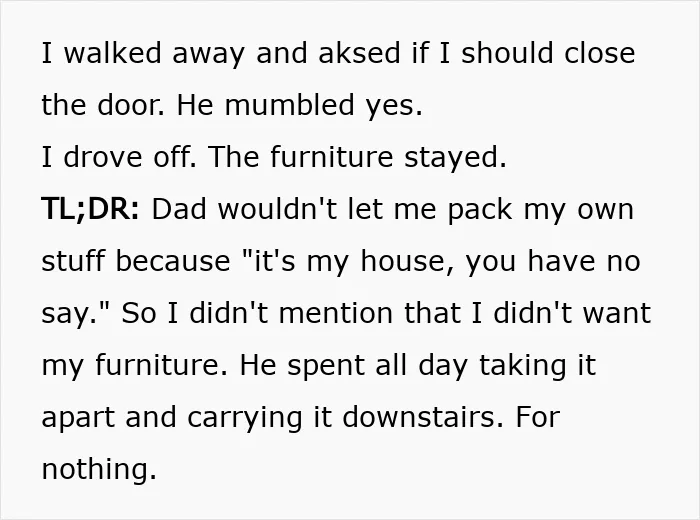
A netizen shared their bit of malicious compliance when they were being kicked out of their father’s home. He demanded that they move everything by a specific deadline and even took apart the furniture. The netizen offered to pack, but he was insistent on it being “his house, his rules.”
It can be pretty satisfying to get around petty rules

Which is why one netizen decided to not mention they won’t be taking the furniture
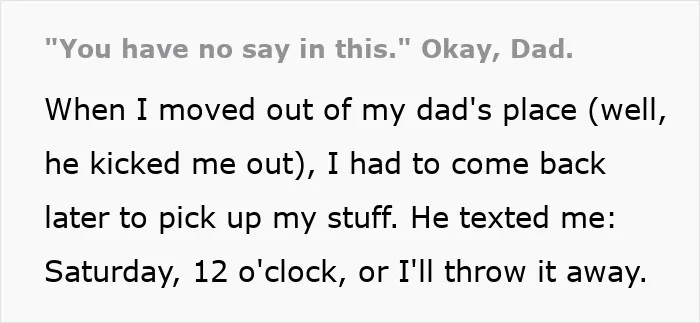
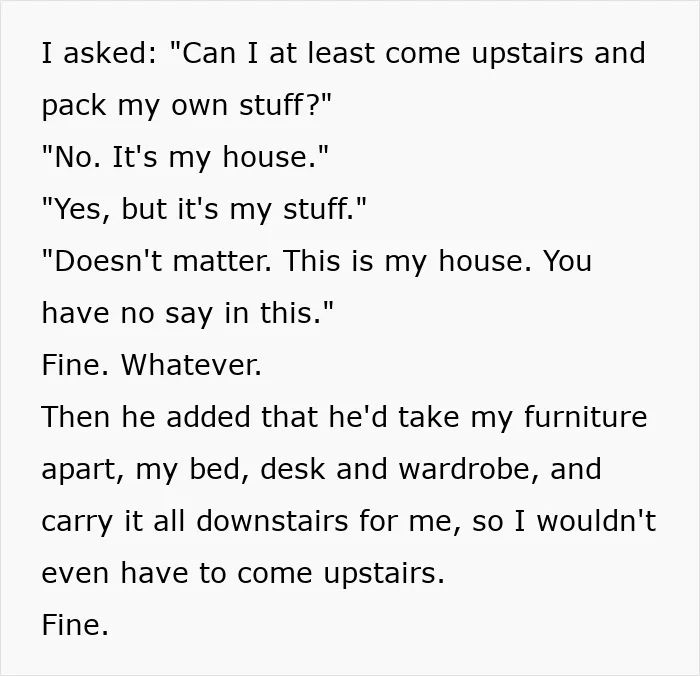
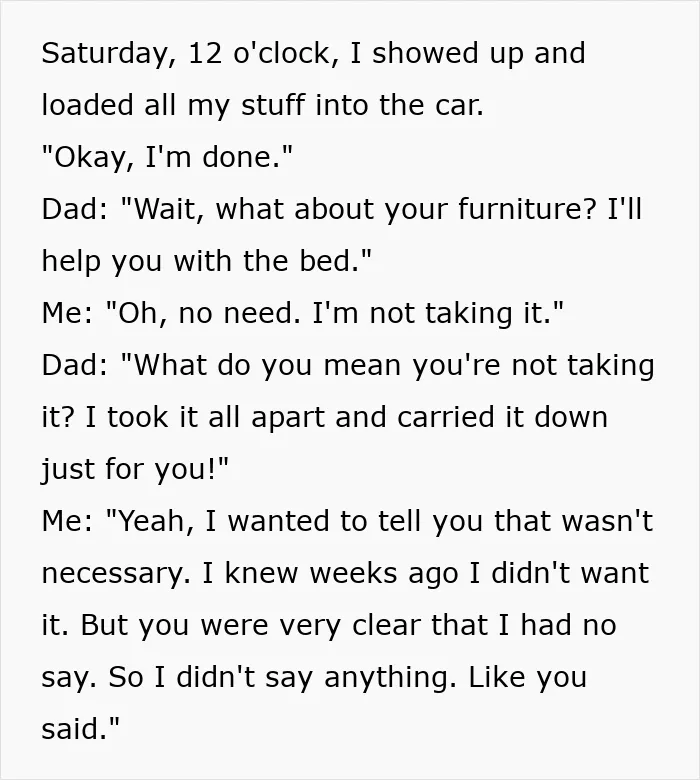
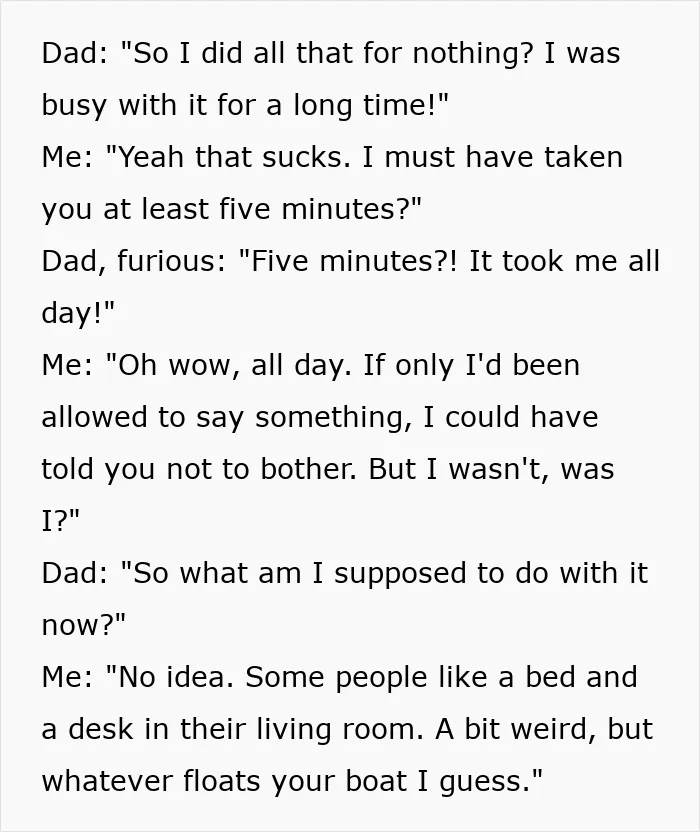

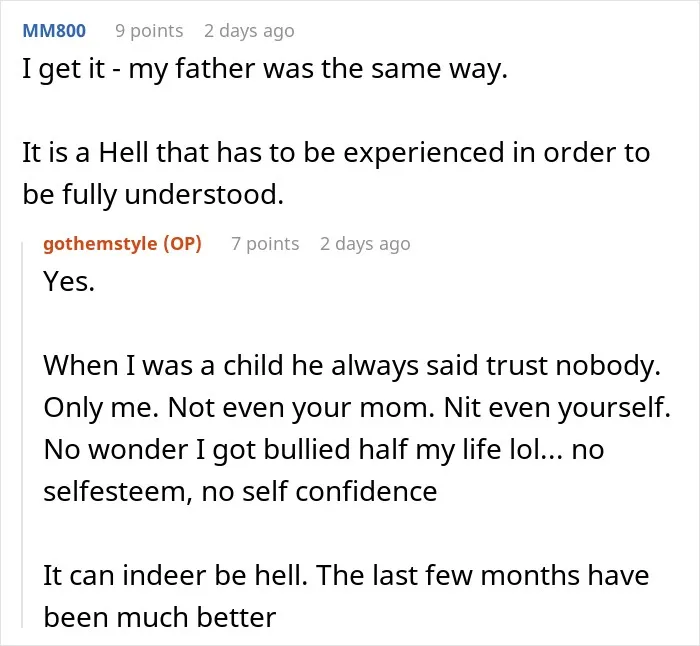
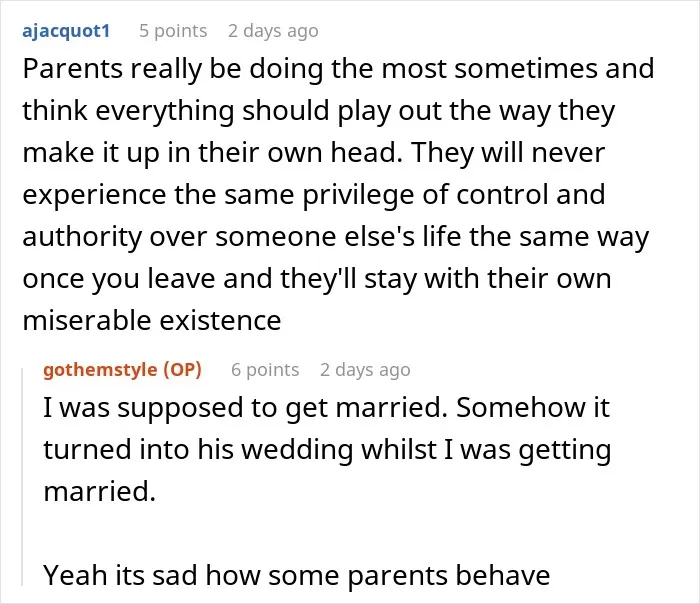
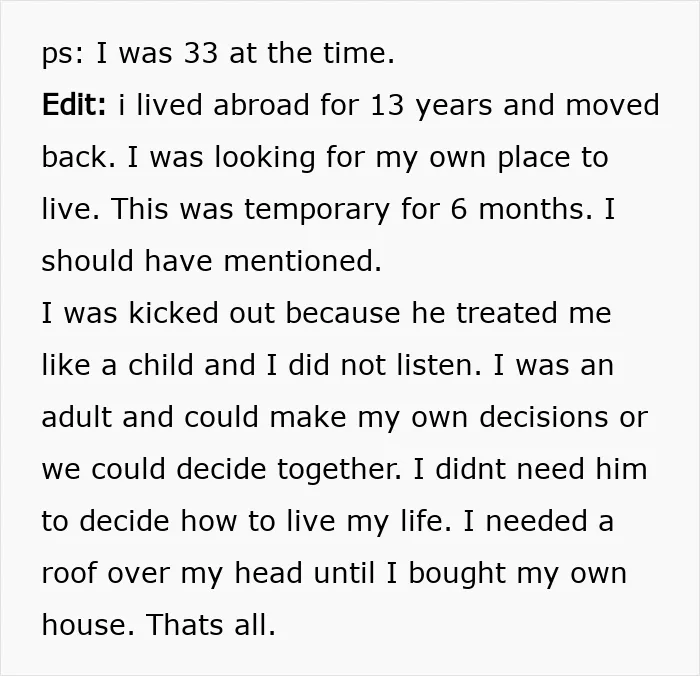
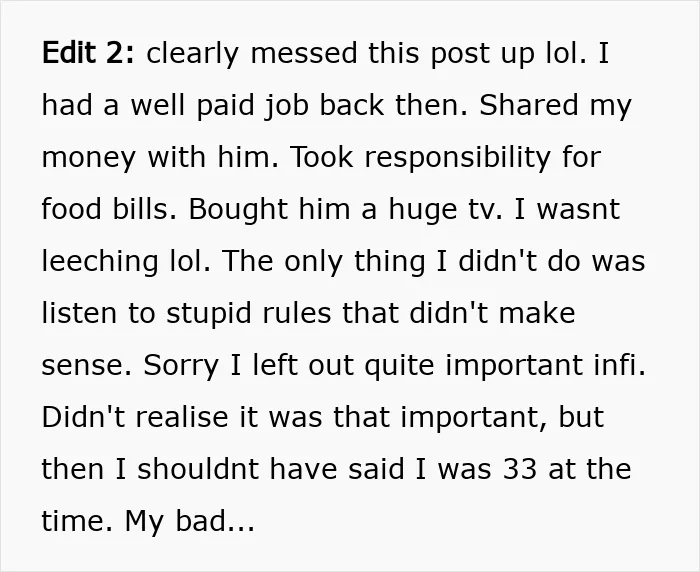
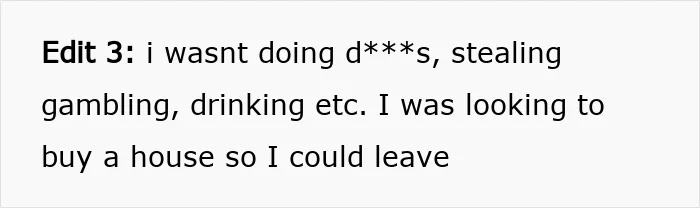
He added some more details later
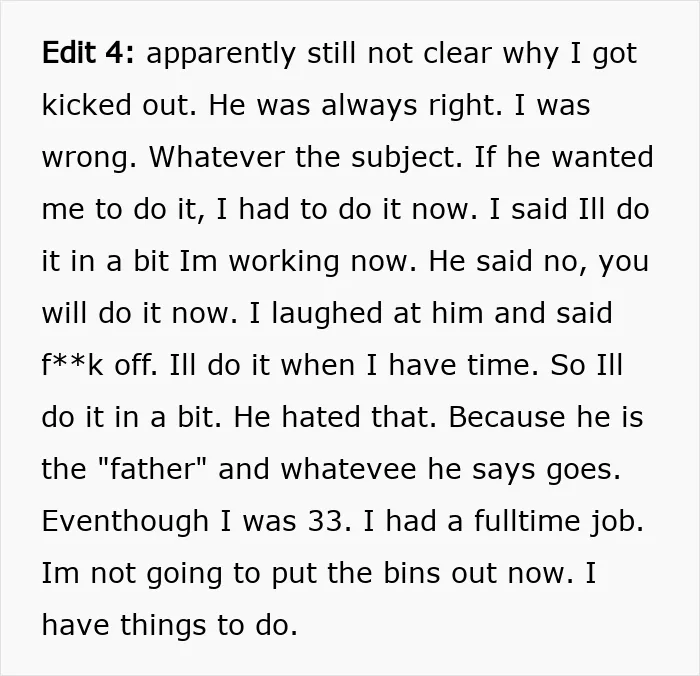
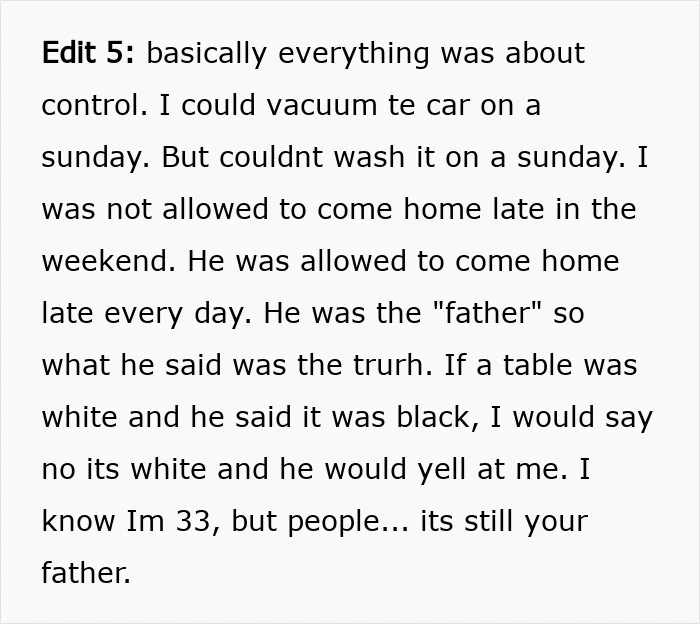
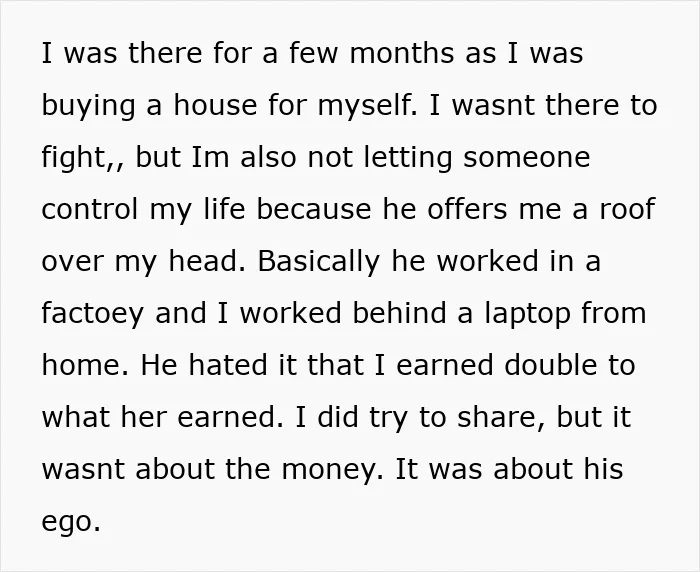
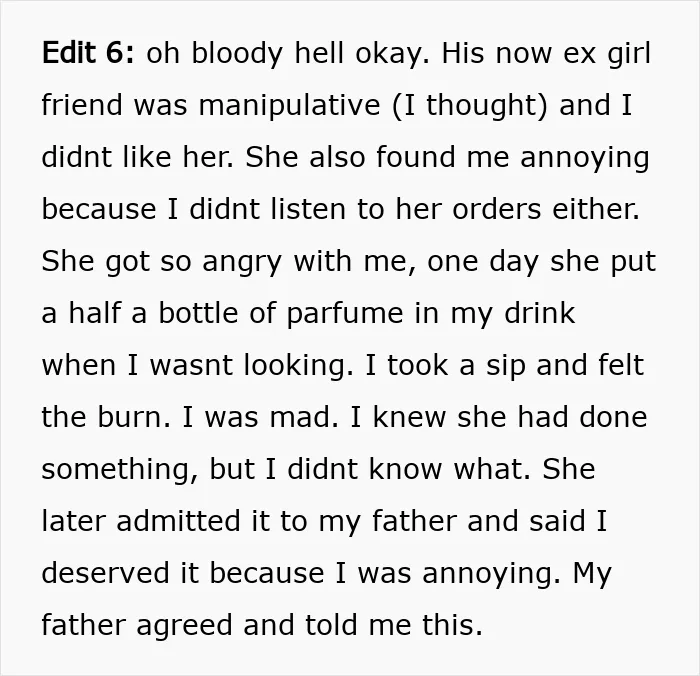
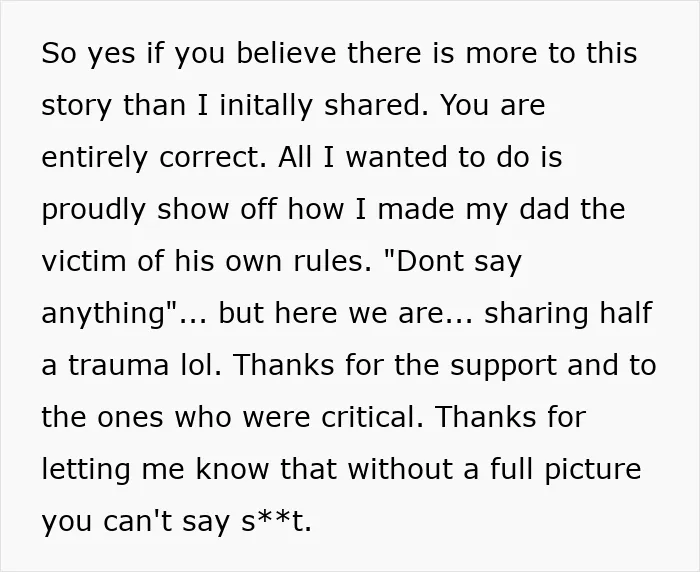
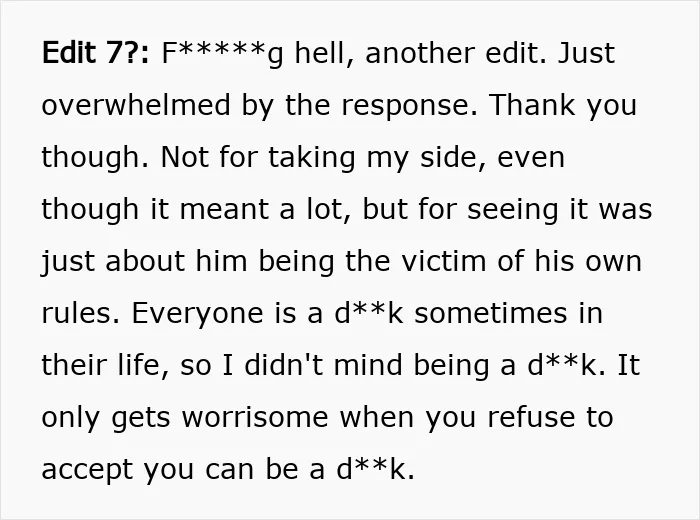

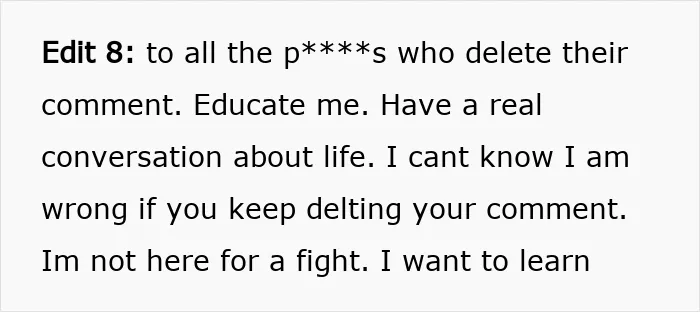
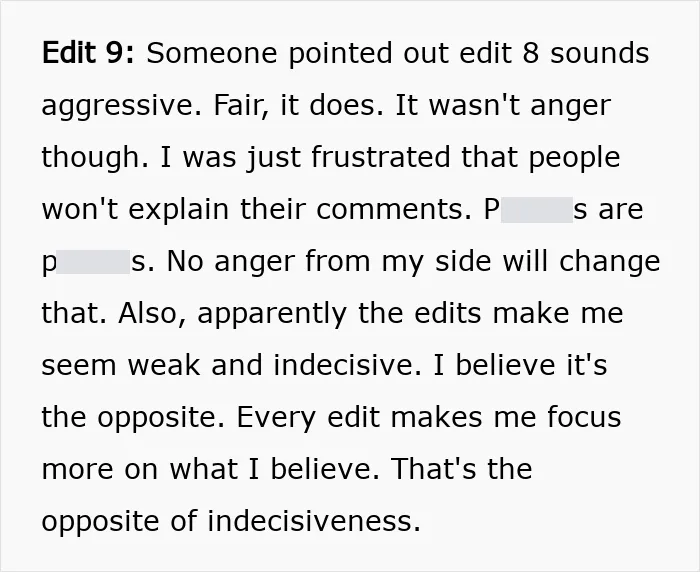
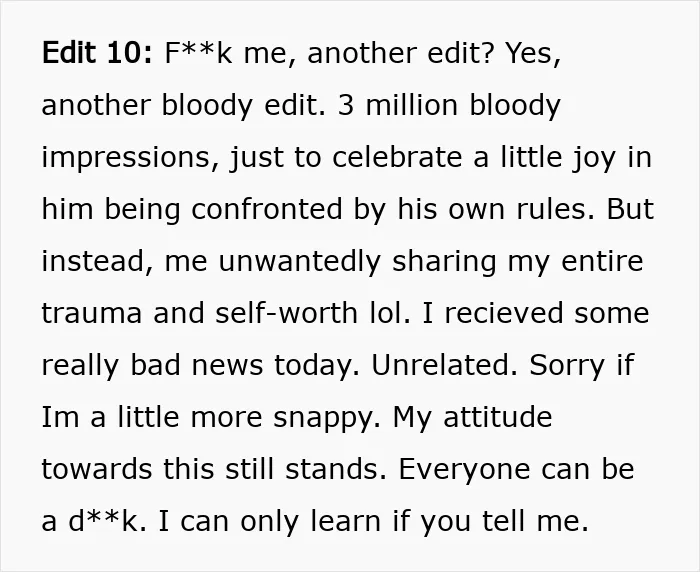
Pettiness is typically just unpleasant
"It's my house" works as a rule and a boundary at the same time, and that is what makes it such fertile ground for the genre. A rule that announces in advance that nobody else gets a say has quietly told everyone how to respond to it. Say nothing, follow it exactly, and let the outcome speak. The reader doesn't need to be told where this is going, because the setup already did the work.
Psychologists have a useful name for the itch behind this. Psychological reactance theory, introduced by Jack Brehm in 1966, holds that people who feel a freedom is being removed become motivated to win it back, and that the urge grows with how important that freedom feels. Being told you may not walk upstairs to collect your own belongings is a fairly clean example of that trigger. What makes these stories special is the choice of response. Nobody argues or slams anything. The freedom to speak was the thing being restricted, so silence became the tool.
None of this is a Reddit invention. Malicious compliance is following instructions strictly while ignoring the expectations that normally go unspoken, and notes that it carries little visible risk because the person technically did what was asked. Labor movements have used the same logic for generations. In a by-the-book slowdown, workers obey every written procedure to the fullest extent, productivity drops, and nobody can be accused of misconduct because they only did what the rules required. A Saturday ultimatum about furniture is a much smaller stage, but the mechanics are the same.
People love a clever protagonist

So why do so many of us enjoy watching it unfold? Part of the answer is deservingness. In a 2005 study, researchers at VU Amsterdam found that people took more pleasure in a misfortune when they saw the person as responsible for it. Malicious compliance stories are engineered for this. The rule gets stated, restated and defended, and by the time the consequence arrives it feels earned rather than imposed. Notice how many times the dad reinforced his own authority before the payoff. Each repetition added a little weight to the final scene.
There is also the matter of power. These stories are some of the rare cases where an ordinary person gets to come out ahead of someone holding more leverage. Elsewhere, the appeal as vicarious revenge delivered with wit instead of muscle. Readers get to enjoy a win without anyone raising their voice or breaking a rule, which is a surprisingly hard position for the other side to argue against. "I did exactly what you asked" is a sentence with very few counterarguments.
Scale matters too. The exchange over five minutes versus a full day of unscrewing furniture is exactly the sort of small, concrete cost the genre prefers. A petty rule earns a petty consequence, and readers tend to sense when a payoff overshoots. If the price were steep, the story would feel less like comedy and more like cruelty. Here the worst outcome is an unusual living room, which keeps everything on the comedy side of the line.
Not every reader sees it that way, and the genre has its critics. Some point out that the effort was real, that one conversation could have saved a whole Saturday, and that talking is usually the better tool. That is a fair reading, and it fits the stories better than it might seem. They tend to start at the moment a conversation has already been closed off from one side. Once input is declared unwelcome, there is little reason to volunteer it.
The format's reach says plenty. One community tracker puts the main subreddit at roughly 4.4 million members. Almost everyone has met a rule that made no sense and wondered what would happen if it were followed perfectly. These stories answer that question, and they do it without a single raised voice.
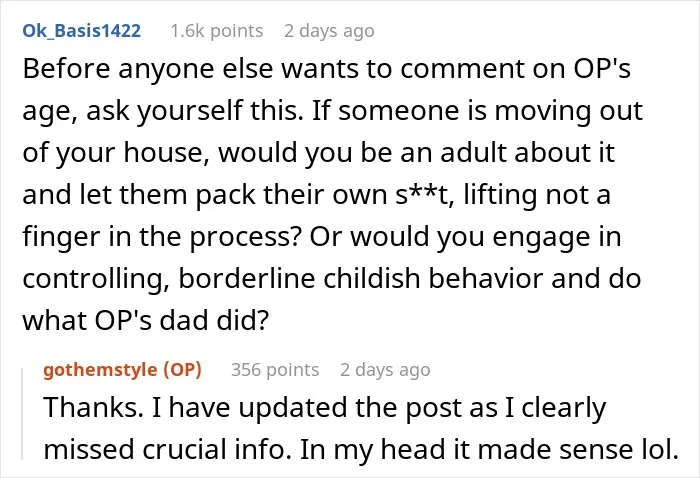
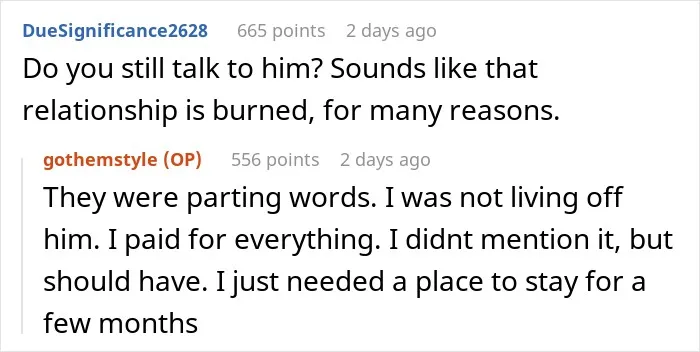
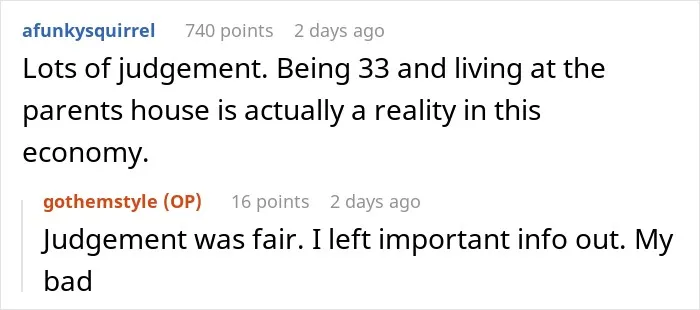
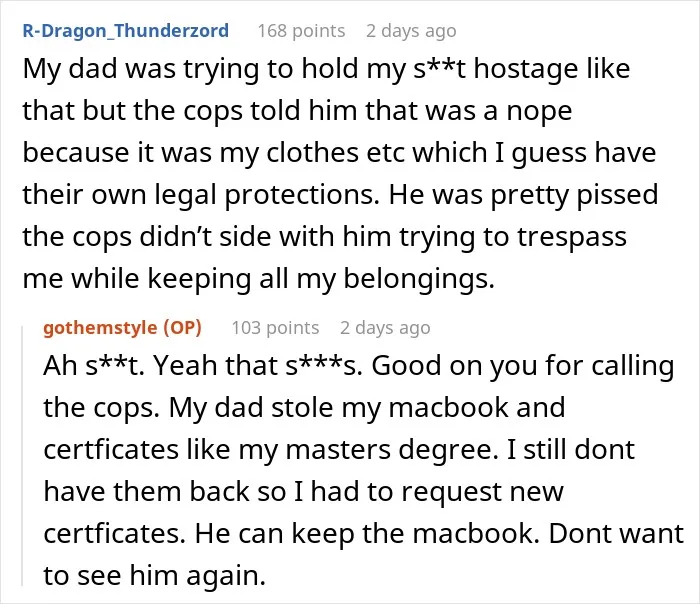
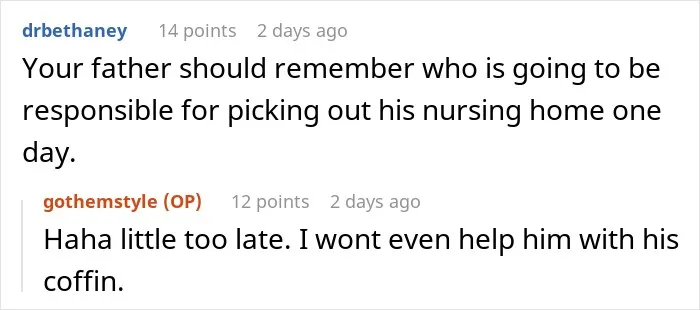
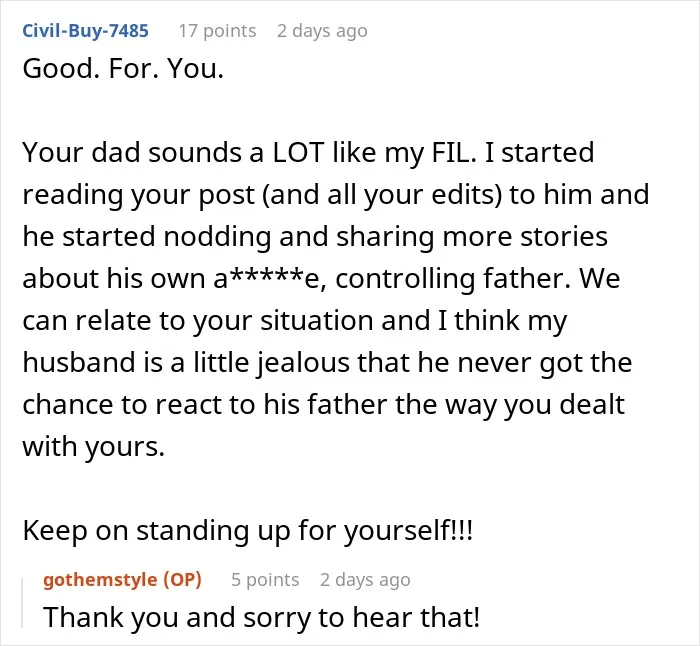
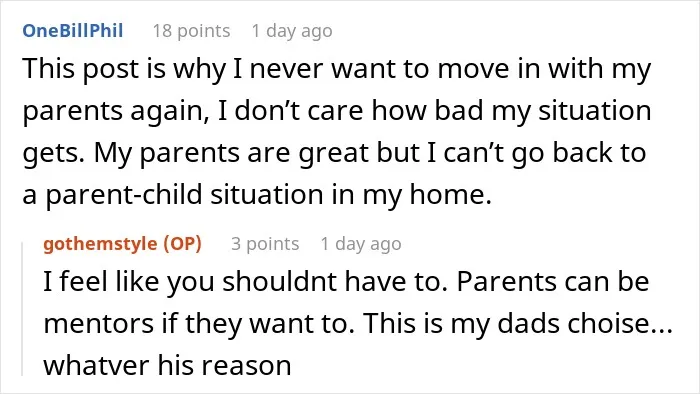
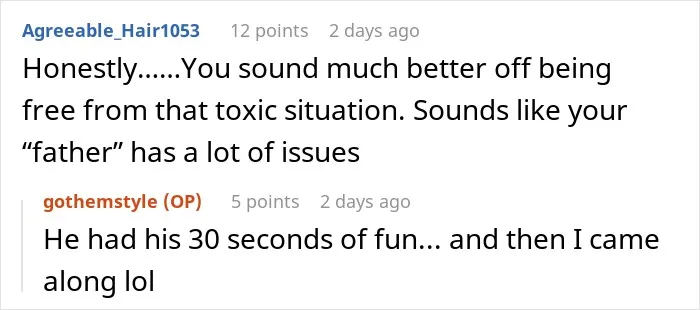
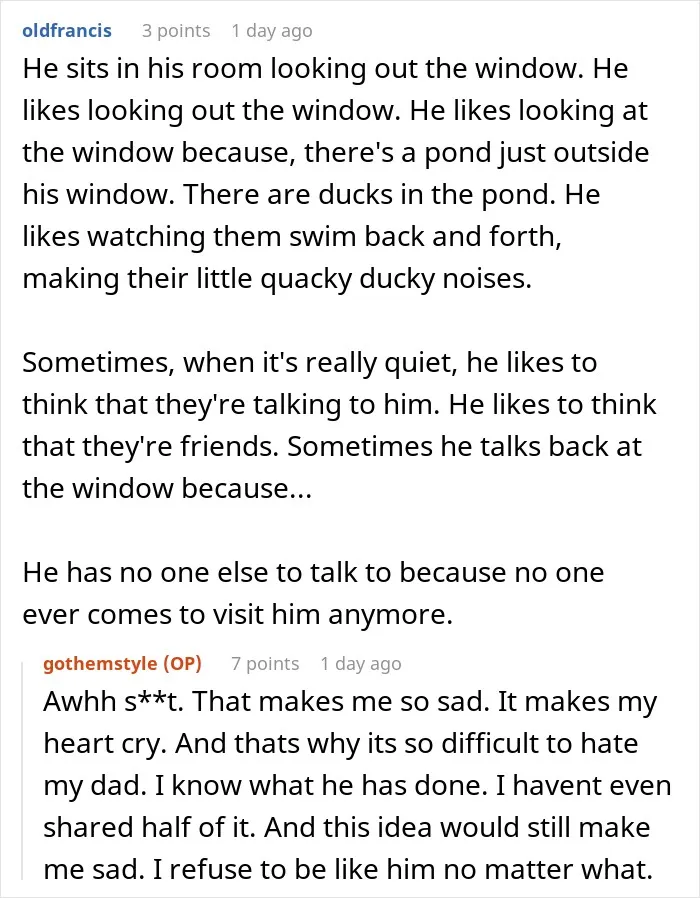
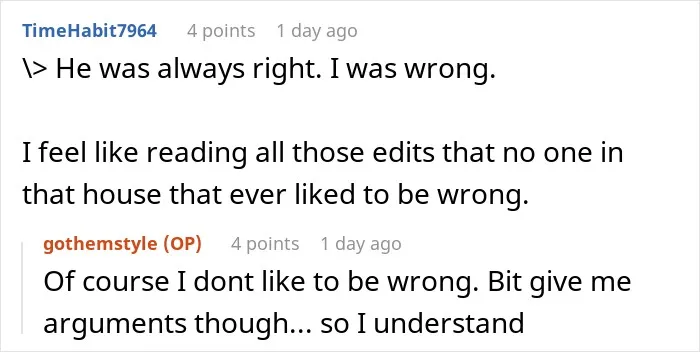
They also responded to some comments