

Parents want what’s best for their children, but their worries can sometimes breach their kids’ privacy. A big conundrum for parents is whether or not they should snoop on them — read their diaries, rummage through their drawers, and check their phones. According to one survey, an alarming 60% of parents don’t think their child has a right to privacy.
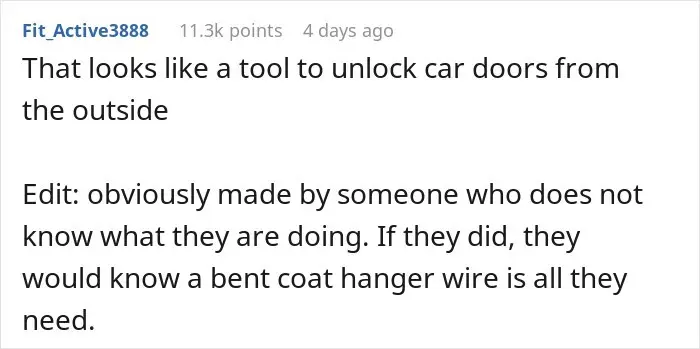
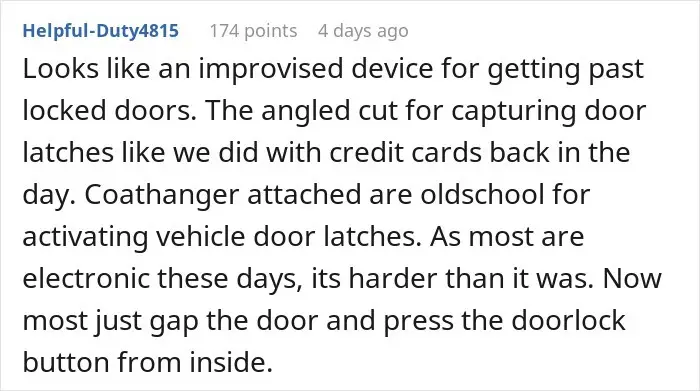
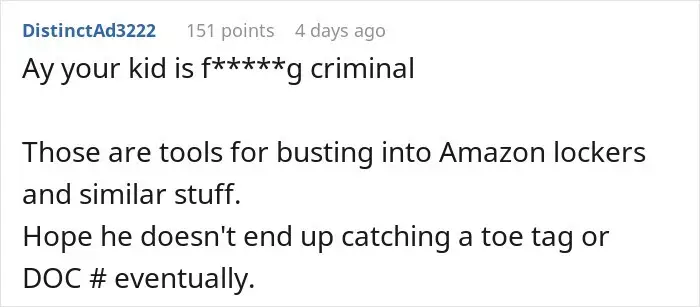
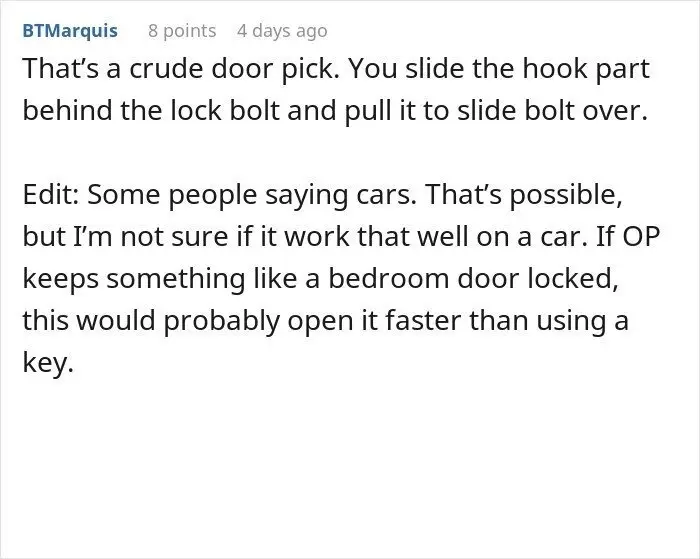
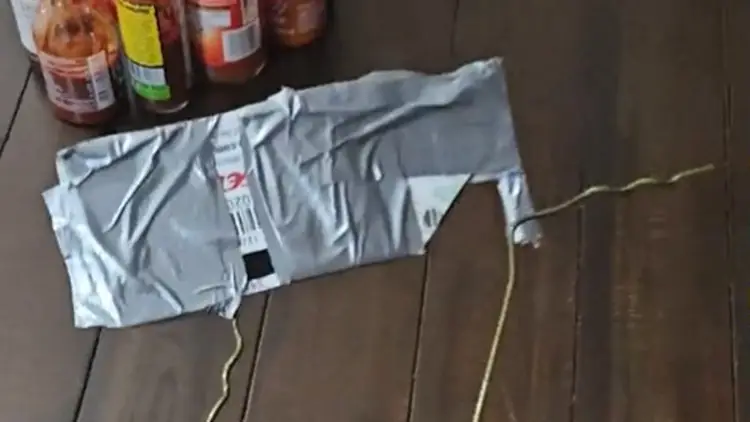
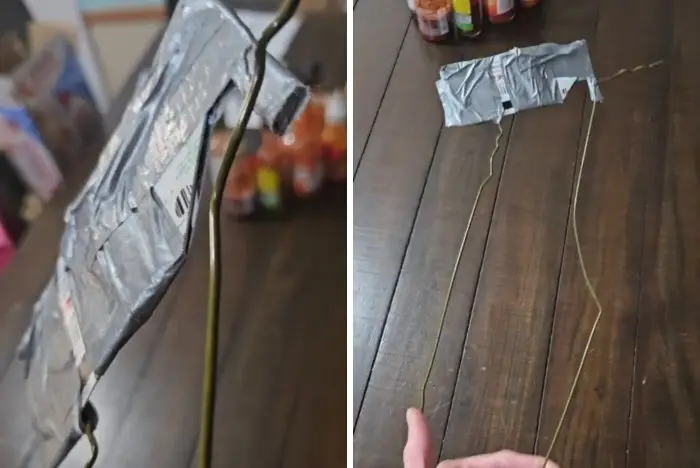
This dad probably thought the same as he snooped under his 16-year-old son’s bed and found a mystery object. Confused about what it was, he asked the Internet for help to identify it, but the answer raised even more questions and concerns that he might be doing something illegal.
A dad possibly breached his son’s right to privacy and snooped in his bedroom

He found a mysterious object under his teen’s bed and asked the Internet for help identifying it

Snooping can very easily break the trust between a child and a parent
Finding something like this and being faced with the reality that your child might be engaging in unlawful activities can be a shock to a parent. Thoughts like “What have I done wrong?” and “Where did I go wrong in my parenting?” emerge, making them doubt every step they took during those 16 years.
Then there’s the snooping debate: should or should not parents go through their children’s stuff? On the one hand, it’s a terrible breach of a kid’s privacy that shows them you don’t trust them. On the other hand, no kid will probably tell their parents they’re making tools to break into houses and cars, so how else could the dad find out?
There’s no easy answer to this dilemma. Experts say that things like tracking a child’s online presence, their location, reading their diary, or snooping around their closet can drastically affect their development, mental health, and ability to form relationships in the future. This type of controlling behavior can feel like mistreatment and often can devolve into that.

Other experts, however, say that parents usually don’t just go around snooping — they start breaching a child’s privacy when they have serious suspicions. Parenting educator Michelle Mitchell writes that most parents usually intuitively feel when something is up. The kid starts acting differently, becomes more closed off, or changes some other pattern of behavior.
She believes that finding something in your teen’s room wouldn’t really change the way you parent. “What it does do is give us the confidence (or ammunition) to do exactly what we thought we should be doing in the first place,” she writes. “We are hunting for validation. If we would only validate ourselves by reassuring ourselves that our gut instincts are likely right, we wouldn’t have to break our young people’s trust.”
When a parent finds something suspicious in their teen’s room, they shouldn’t talk to them about the object, Mitchell says. Instead, the conversations should be about their mood and well-being.
Unfortunately, most cases of snooping only backfire. When parents give their child no privacy, the child only becomes more secretive, less trusting, more stressed, and starts hiding even more things. Even if parents justify their control with “safety,” a child is likely never going to see it that way.

In a perfect world, a conversation between a parent and child would solve everything, but teens can lie, manipulate, deceive, and plot just as much as adults. “Kids can be very sneaky,” Dr. Ruth Peters, psychologist and author of “Laying Down the Law: The 25 Laws of Parenting to Keep Your Kids on Track, Out of Trouble, and (Pretty Much) Under Control,” writes. “So if the situation arises where you believe that your child is considering or engaging in dangerous or illegal activity, you must take action.
Dr. Ruth Peters advocates for honest conversations first, and snooping afterward if the conversation doesn’t work. She does give parents some guidelines so that parents don’t think they can just waltz into their kid’s room and snoop willy-nilly. Here are her “To snoop or not to snoop” guidelines:
- Respect the child’s privacy and possessions
- Establish boundaries around snooping — finding something in a kid’s jeans pocket while doing laundry is just them not hiding the evidence well enough, not exactly snooping
- Snoop when the kid is putting themselves in harm’s way or doing something illegal
- When conversations are leading nowhere, take them to an expert. For example, if they’re experimenting with substances and won’t admit it, take them to the doctor to take a test
- Trust your gut
- Protect the child at all costs. “Remember, sometimes we have to protect our children even from themselves,” Peters writes.What about you, dear readers? Do you agree with the expert? Drop your comments below!
The answers from netizens were clear — the kid is probably doing something nefarious and possibly even unlawful