

This post may include affiliate links.
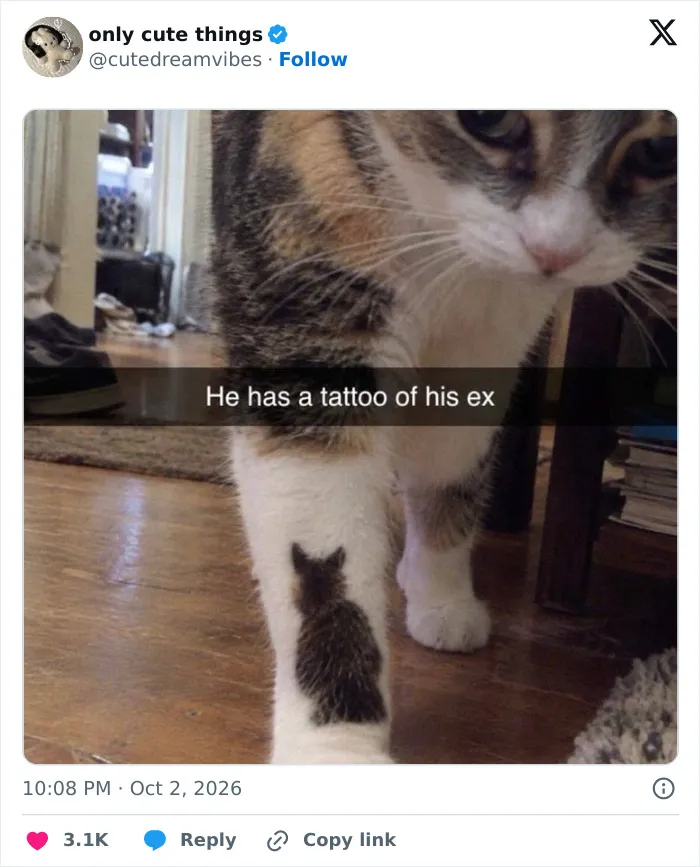
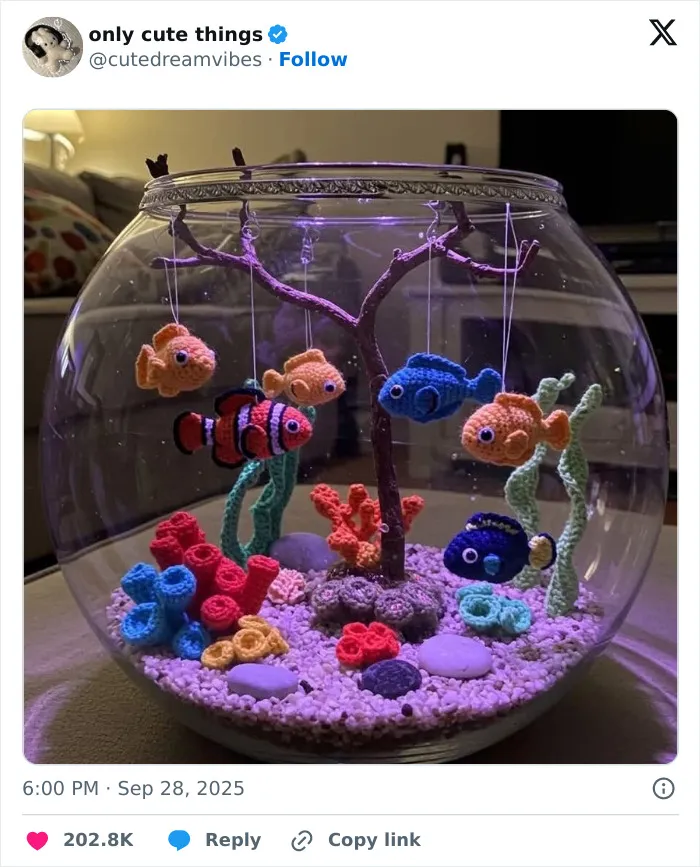
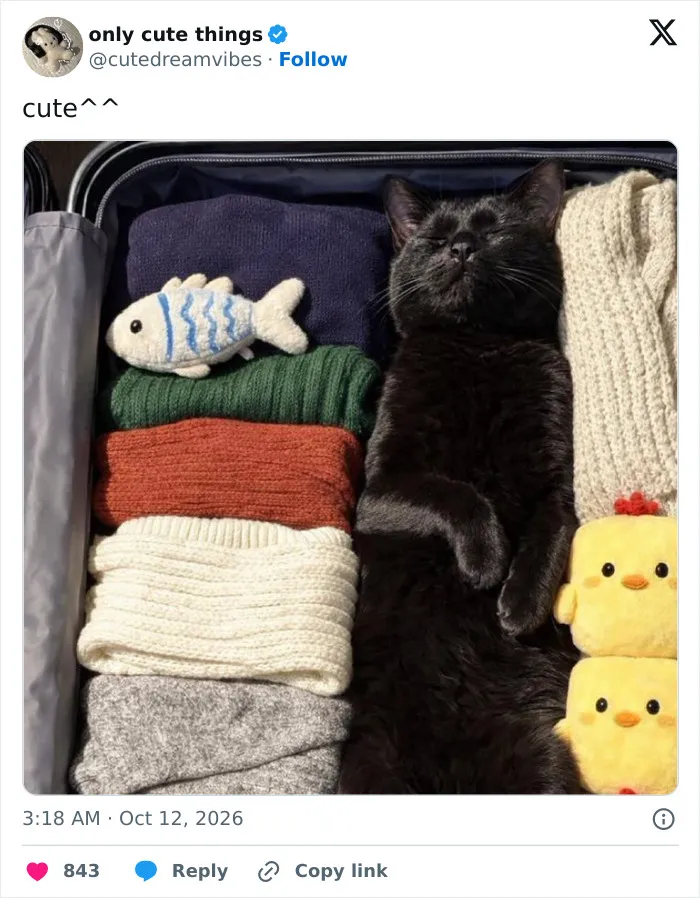
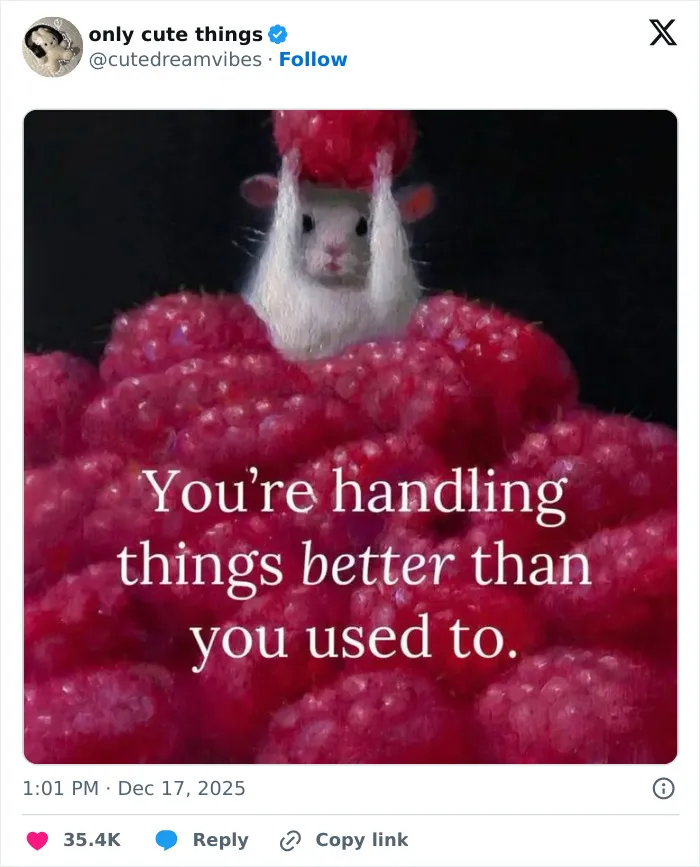
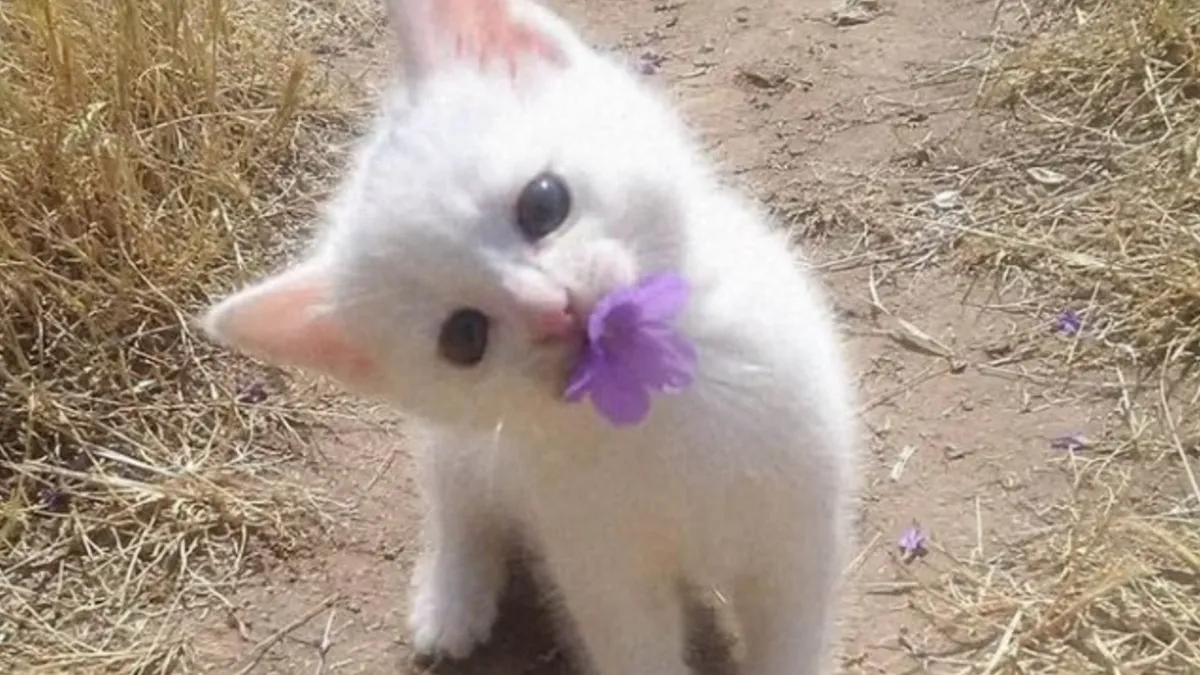
Teddy bears, kittens, and ducklings. What do all these things have in common? Most of us would probably describe them as cute or adorable without giving it a second thought. But have you ever wondered why certain things instantly make us go, “Aww!”? As it turns out, there's a little more to cuteness than meets the eye. Experts suggest that some of the features we find most adorable include a small body, a large head, big, round eyes, and soft, chubby cheeks. Think of a tiny puppy with floppy ears or a kitten curled up in a little ball. It's almost impossible not to find them endearing!
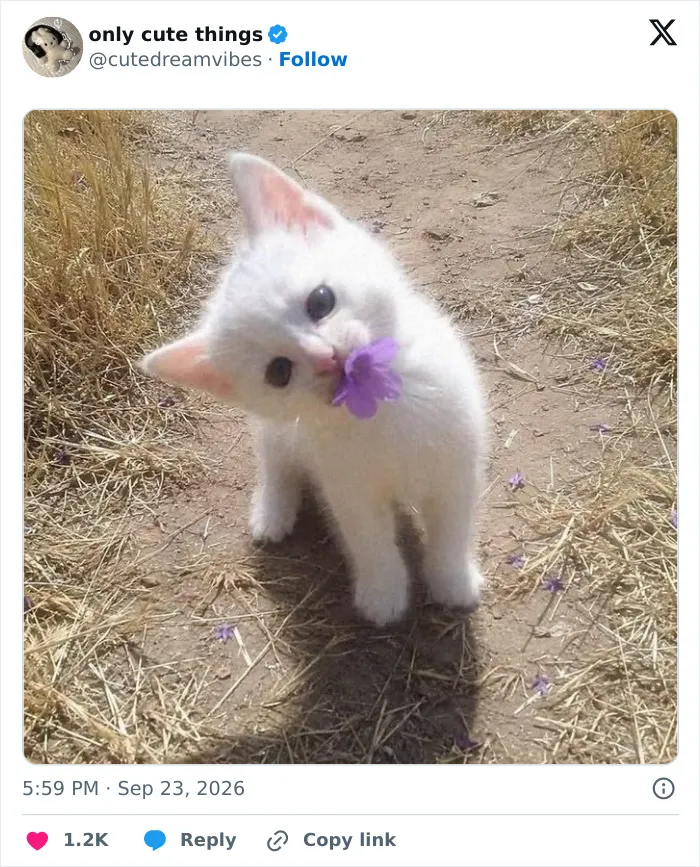
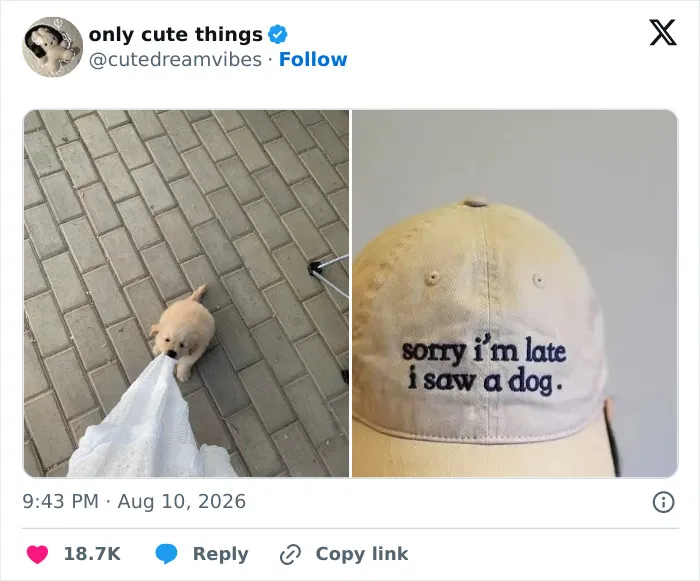
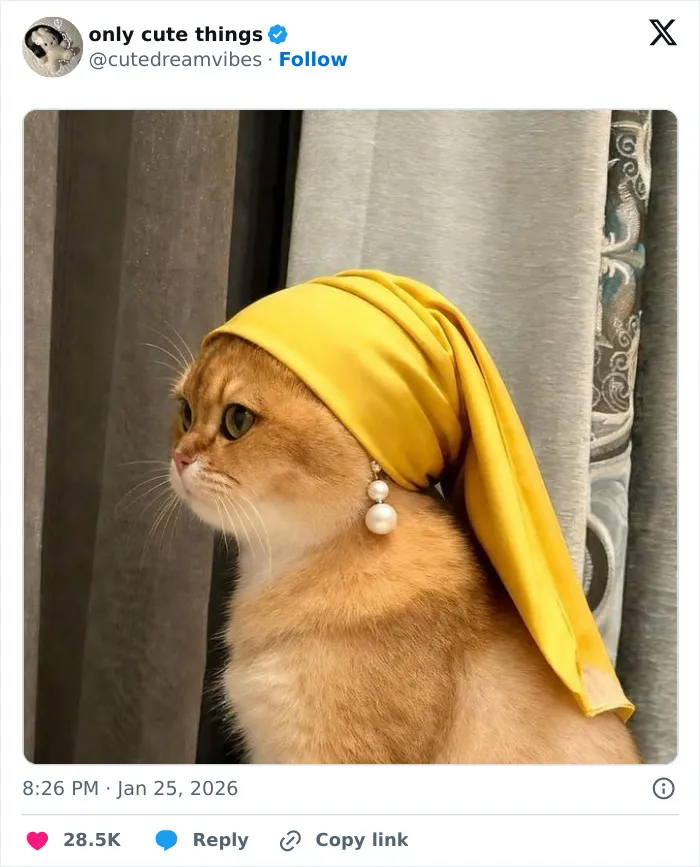
There's actually a scientific explanation for why we respond so warmly to these features. Austrian ethologist Konrad Lorenz introduced the concept of Kindchenschema, or baby schema, which suggests that certain physical traits resembling those of human infants trigger our instinct to nurture and protect. These include a relatively large head, big eyes, rounded cheeks, and a small nose. The idea is that our brains are wired to respond to these features with affection and a desire to care for the little beings displaying them. From an evolutionary perspective, this instinct may have helped our species survive by encouraging adults to protect and nurture their young.
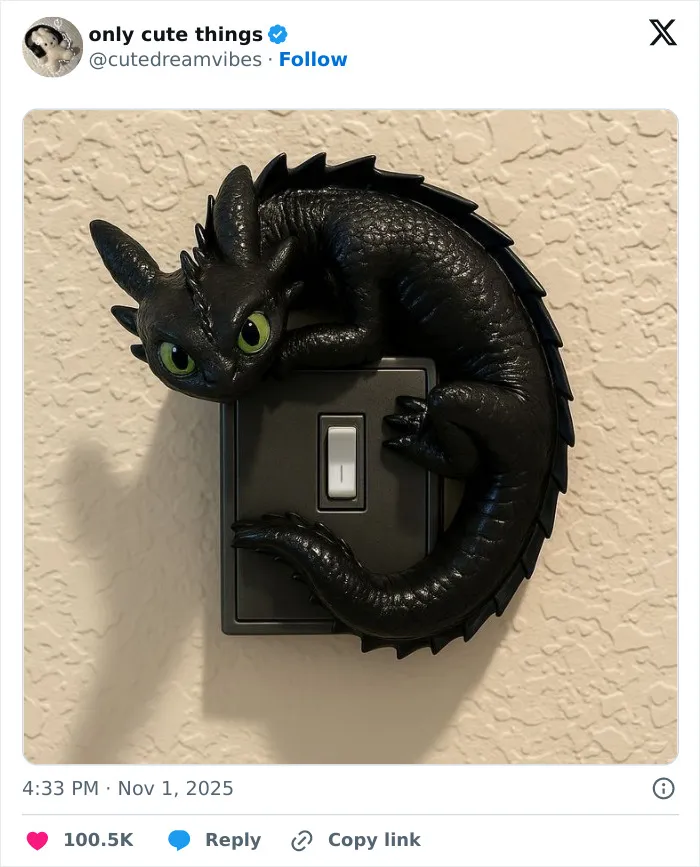
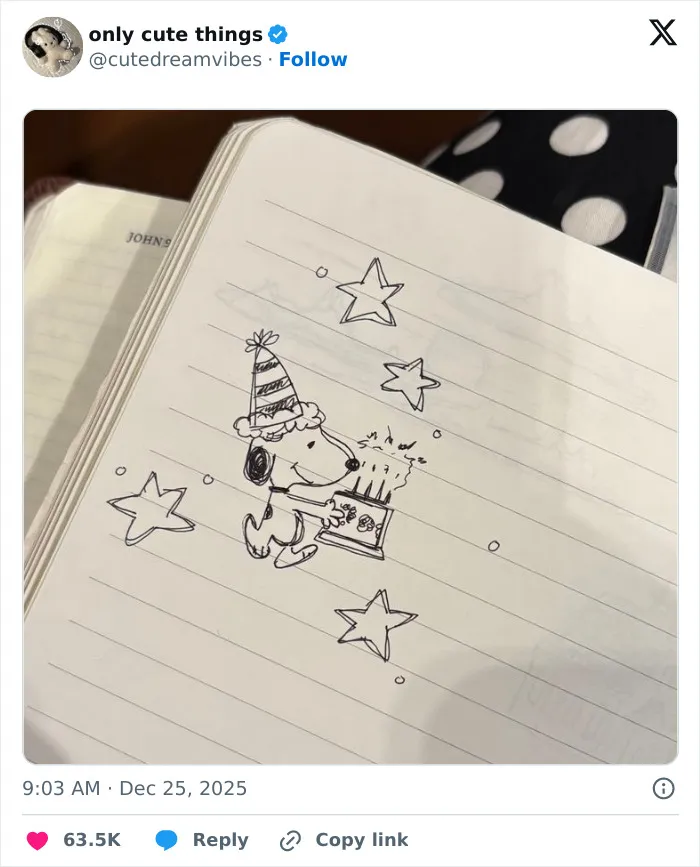
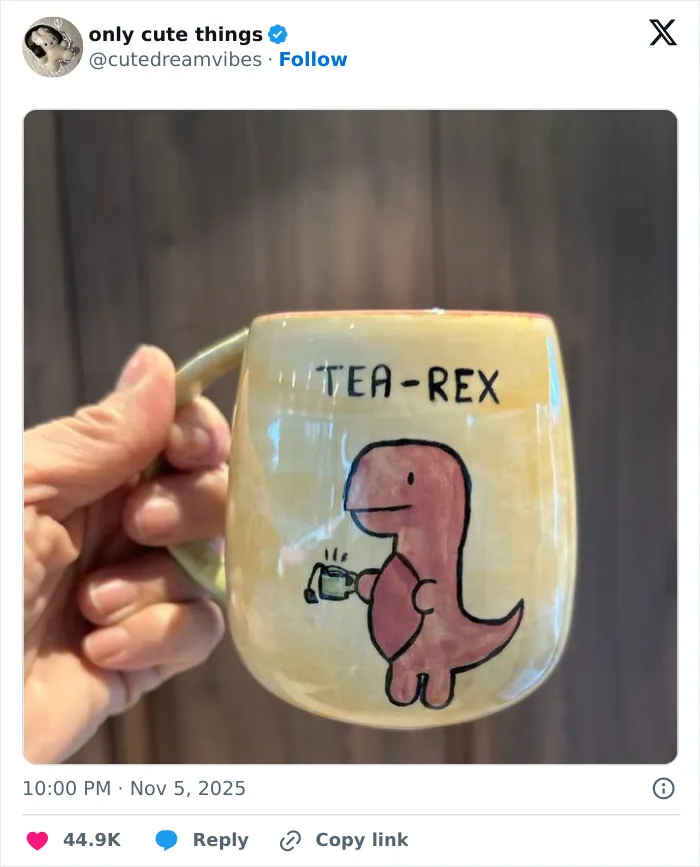
In other words, that sudden urge to cuddle a fluffy kitten or smile at a baby's chubby cheeks isn't necessarily random. Our brains may be responding to features that signal vulnerability and trigger our caregiving instincts. Of course, not everything we find cute has to resemble a human baby, and our individual tastes also play a role. Still, there's something fascinating about how a tiny creature or even a cartoon character can make us feel an instant connection. Sometimes, all it takes is a pair of oversized eyes and a little round face to win us over!
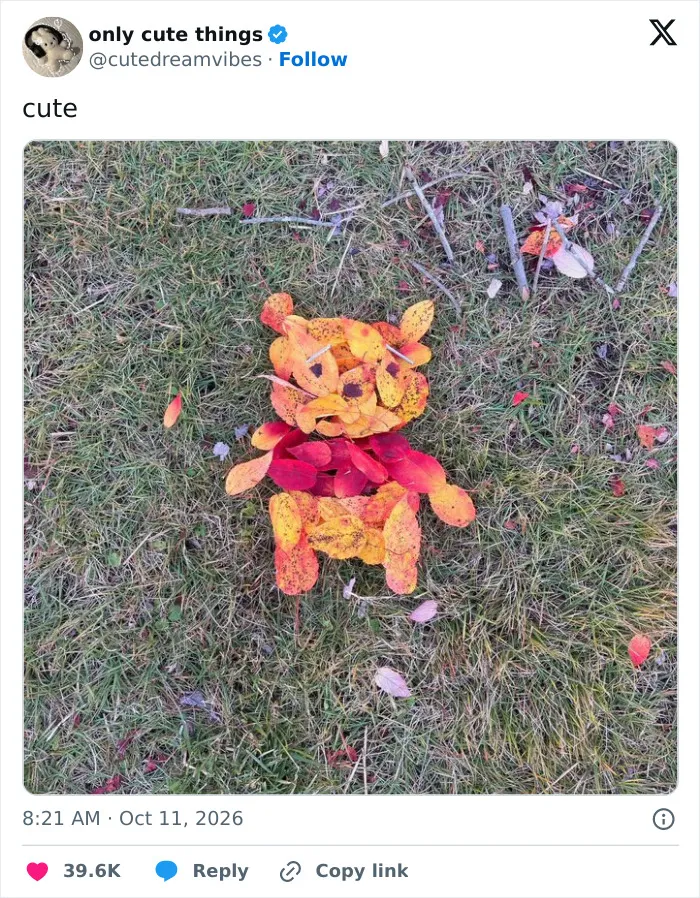
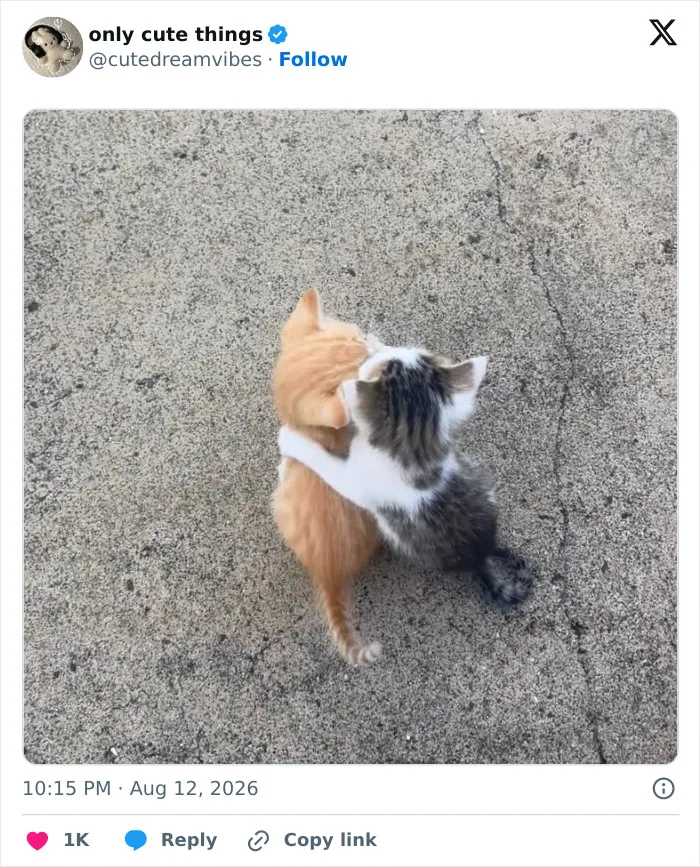
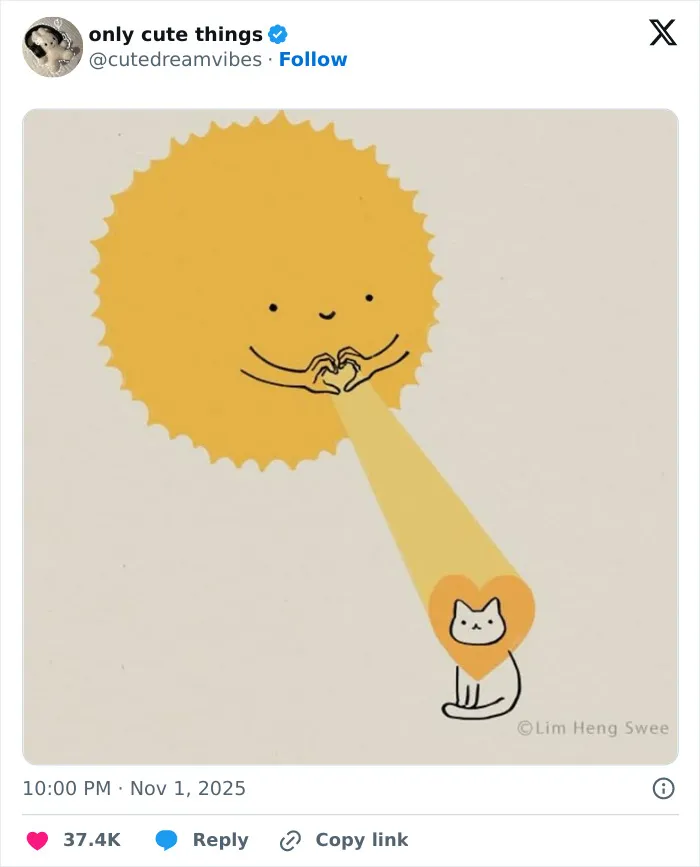
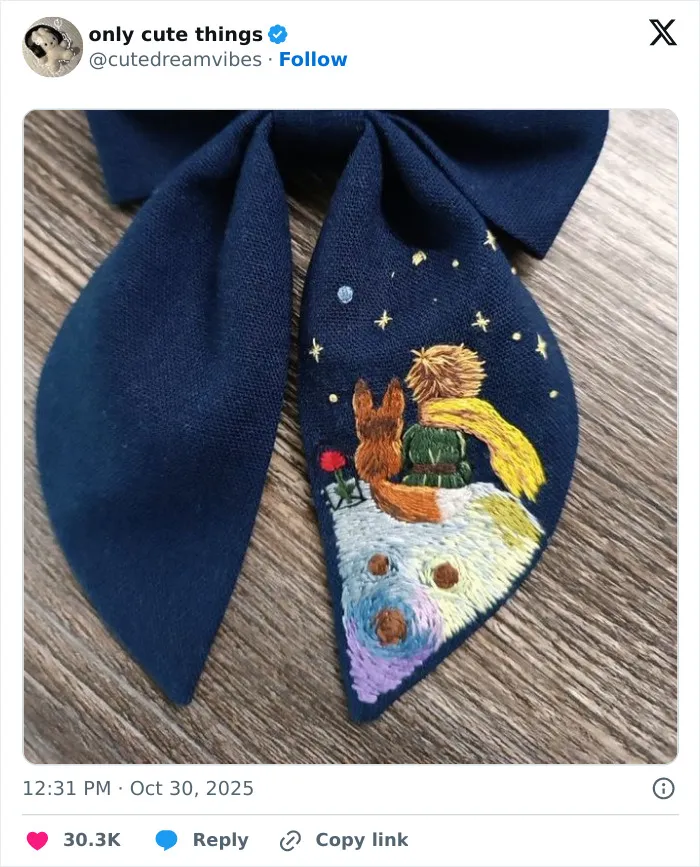
And nowhere is the love of cuteness more visible than in Japan, where the concept of kawaii has become an important part of popular culture. Often translated as “cute” or “adorable,” kawaii goes beyond appearances and can be expressed through fashion, art, entertainment, and everyday objects. Think of beloved characters like Hello Kitty and Pokémon, whose charming designs have attracted fans across generations and around the world. From cute stationery and plush toys to colourful accessories and character-themed cafés, kawaii culture celebrates the softer, more playful side of life. It shows just how much joy people can find in things that are sweet, comforting, and a little whimsical.
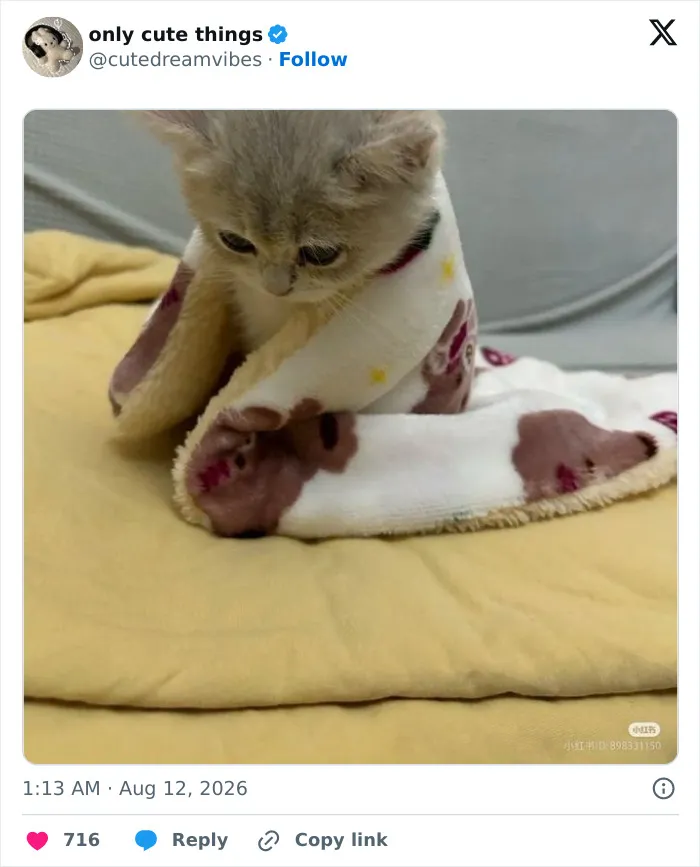
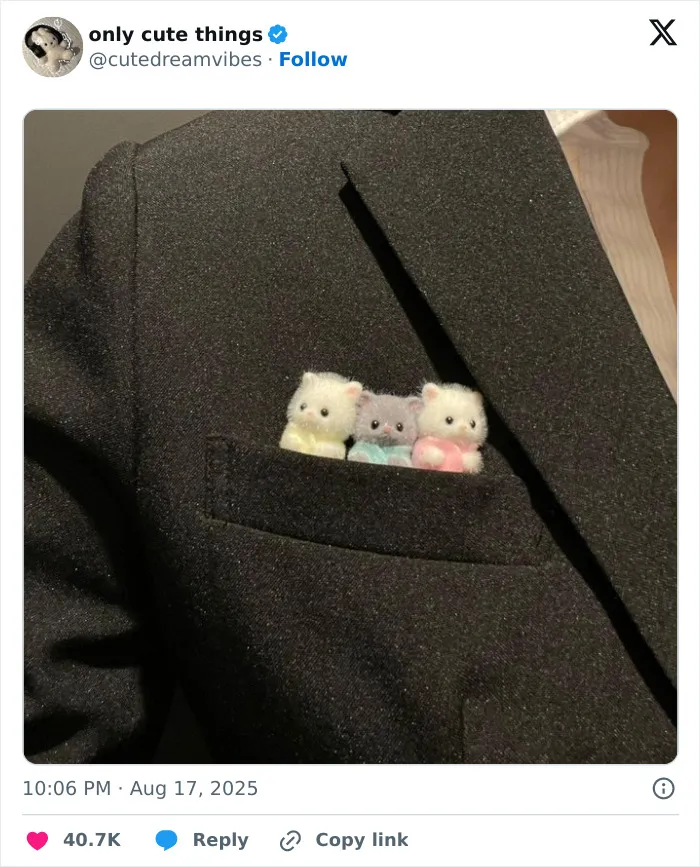
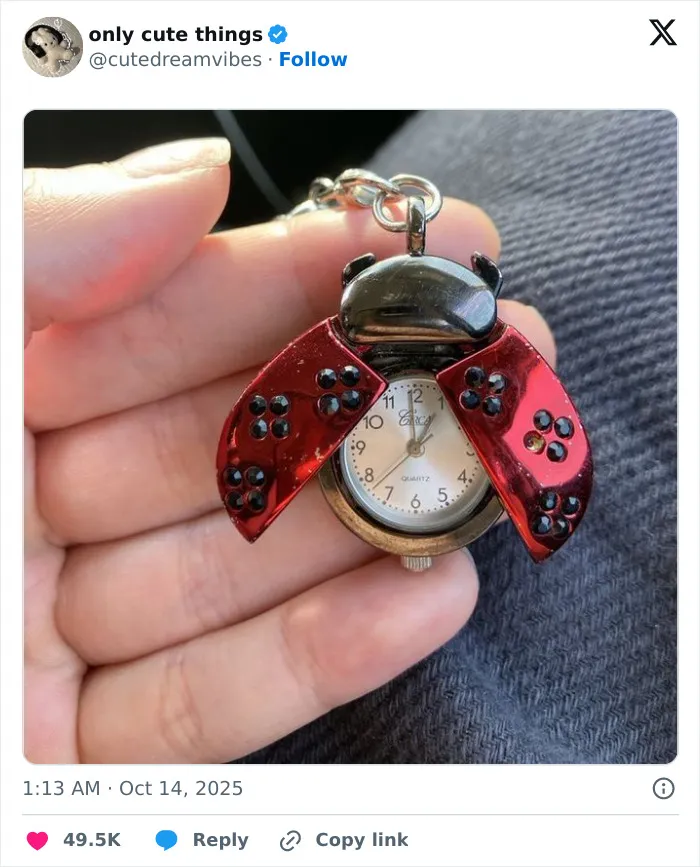
Here's the thing about adorable things: they can do more than simply make us smile. Cute images can influence our emotions, grab our attention, and even change how we approach certain tasks. “The visual appeal of cuteness often triggers positive emotions, making us feel relaxed and happy,” says Sanam Hafeez, PsyD, a neuropsychologist. While a cute picture isn't going to magically solve all our problems, taking a moment to enjoy something lovely can offer a welcome mental break.
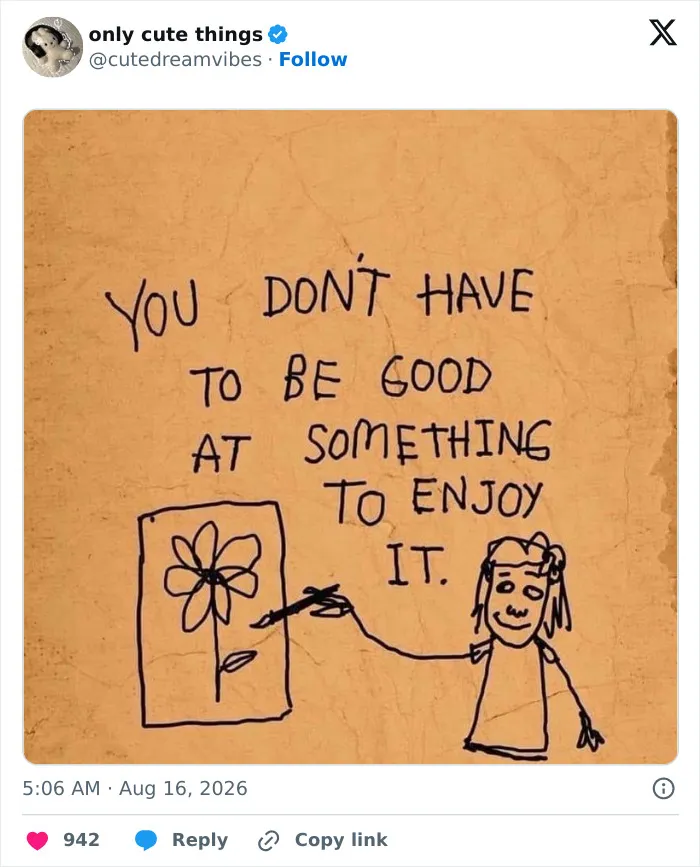
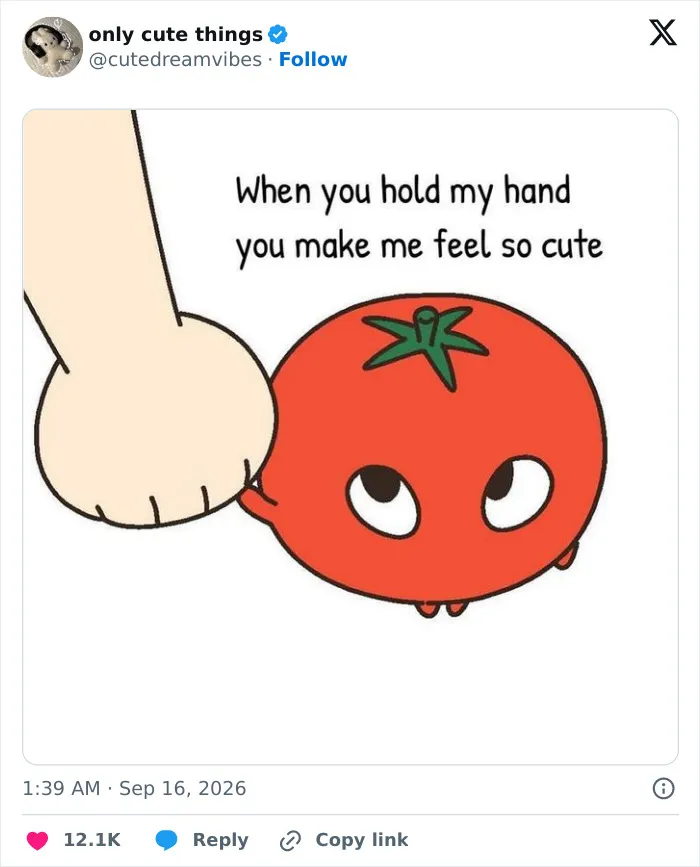
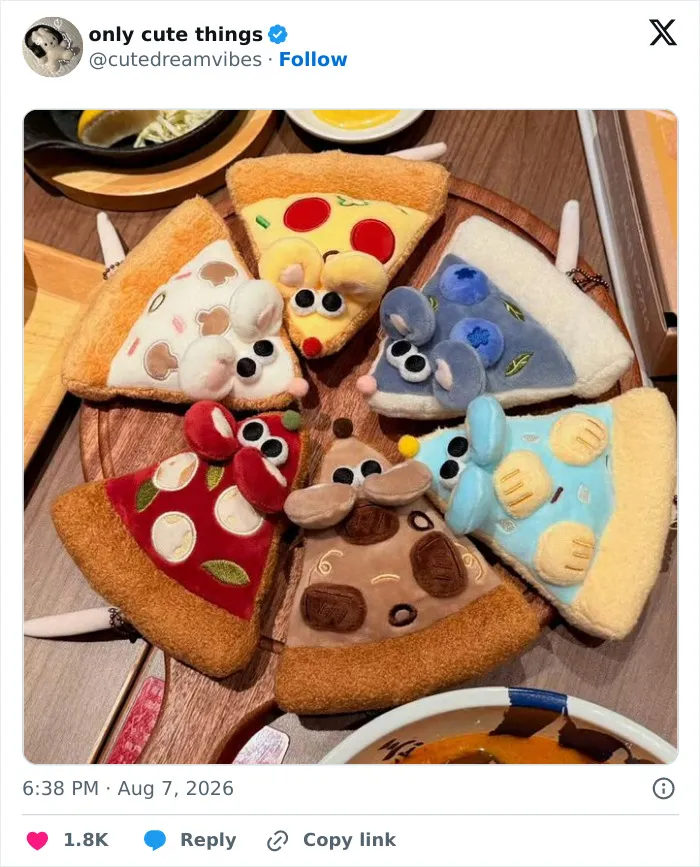
There's also research suggesting that looking at cute images may influence how carefully we perform certain tasks. In one study participants who viewed cute images of puppies and kittens performed better at a fine motor dexterity task than those who viewed less-cute images of adult dogs and cats. The task involved the children's game Operation, which requires concentration and careful movements. The researchers suggested that cute images may encourage a more careful, focused style of behaviour. While this doesn't mean looking at kittens will automatically make us better at everything, it does offer an interesting glimpse into how something as simple as a cute picture can affect our attention.