


Long before anyone bought a plastic vampire cape, dressing up for Halloween was serious business. About 2,000 years ago, the Celts celebrated Samhain at the end of the harvest, and History UK explains that they believed the border between this world and the next grew thin on the final night of October.
Spirits were thought to wander freely, so people disguised themselves to blend in or to scare the visitors away. Those earliest outfits relied on animal hides and heads, which makes the very first Halloween costume a very committed hat.
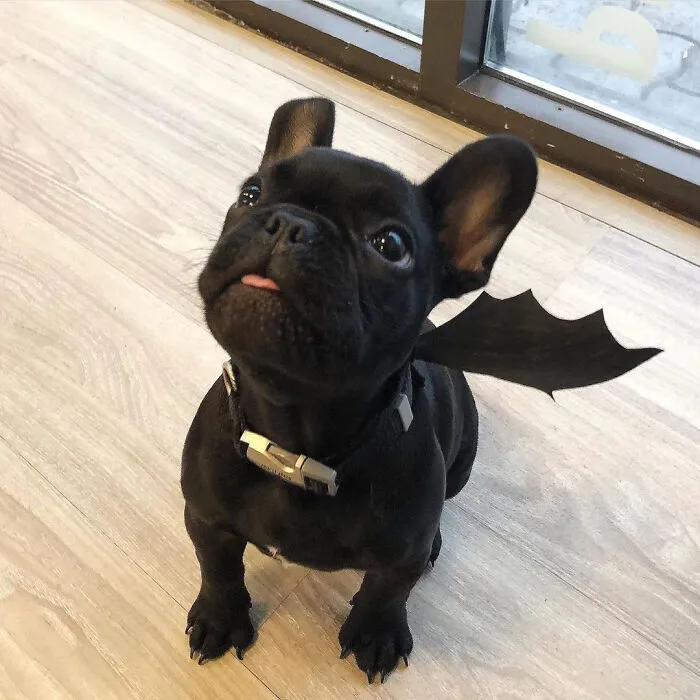
Then the calendar did some shuffling. In the 9th century, the church moved All Saints' Day to November 1, so the evening before became All Hallows' Eve, a name that eventually wore down into Halloween. Costumes got theatrical next. By the 15th century, people across Britain were going door to door in disguise, offering songs or short performances in exchange for food.
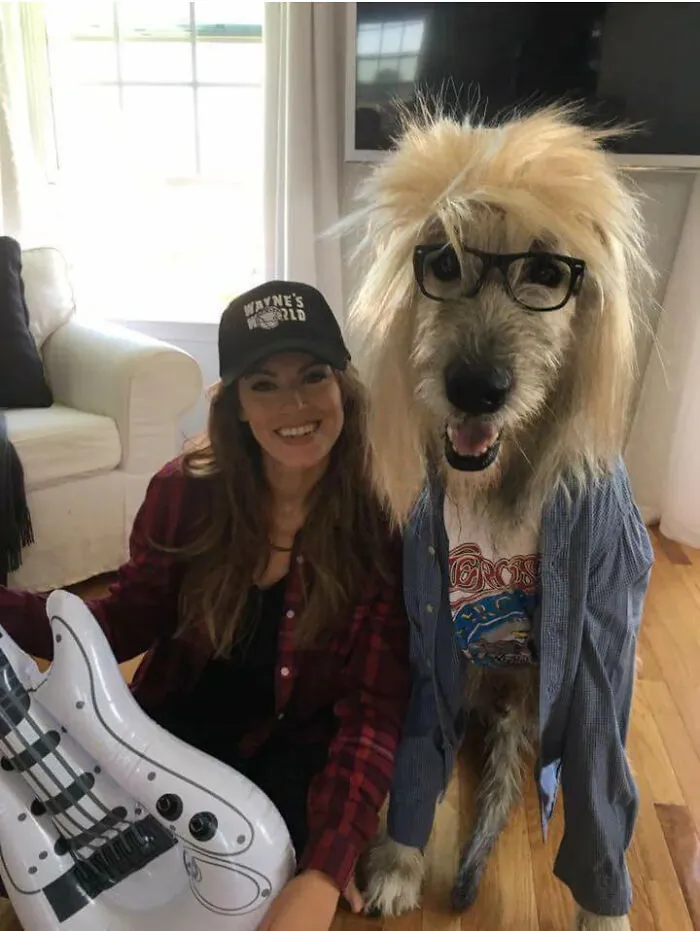
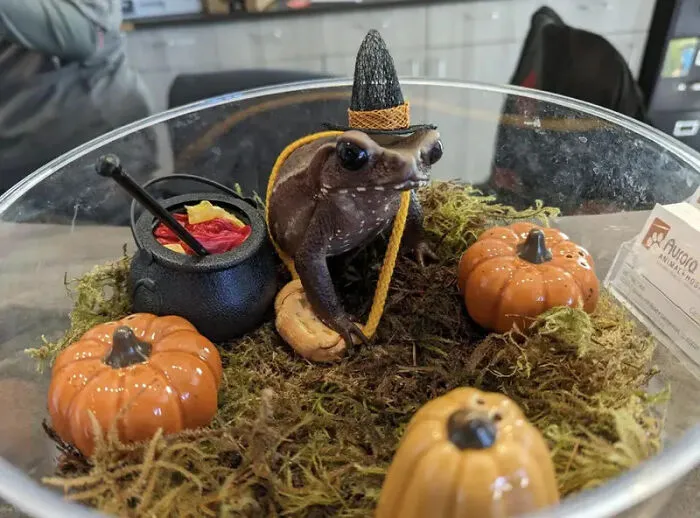
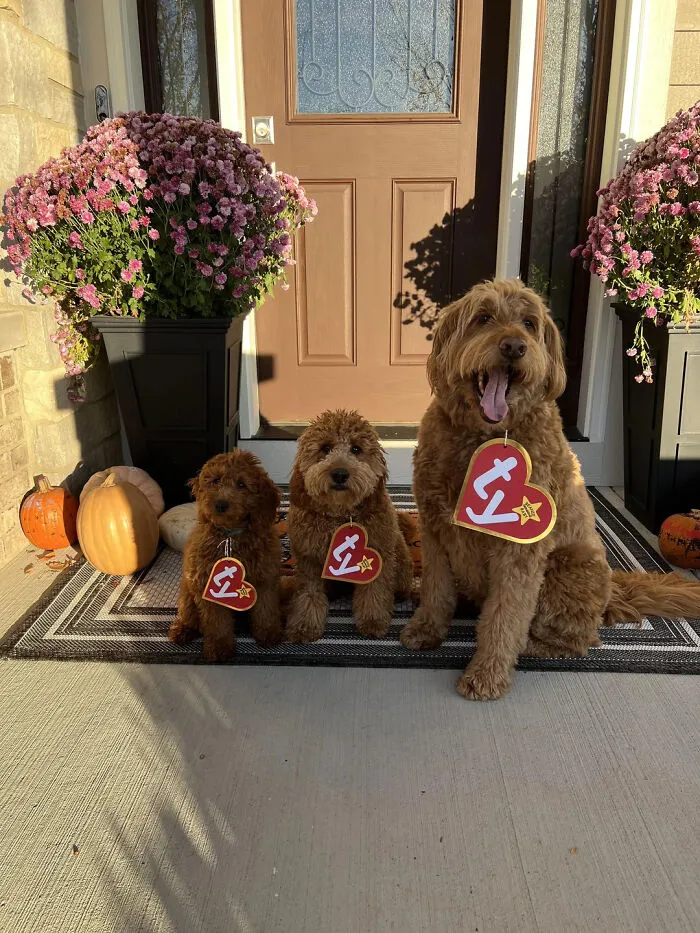
The custom was called mumming or guising, and in Scotland children still often perform a song or a joke for their sweets. English and Scottish guising traditions later crossed the Atlantic with immigrants, as Syfy's history of Halloween costumes describes, and Americans eventually turned it into trick or treating.
For decades, most costumes were homemade, and Ripley's notes that rural Americans were especially drawn to frightening designs about death. Then the 1950s arrived, manufacturers spotted a business opportunity, and ready made outfits based on popular TV characters filled the shelves.
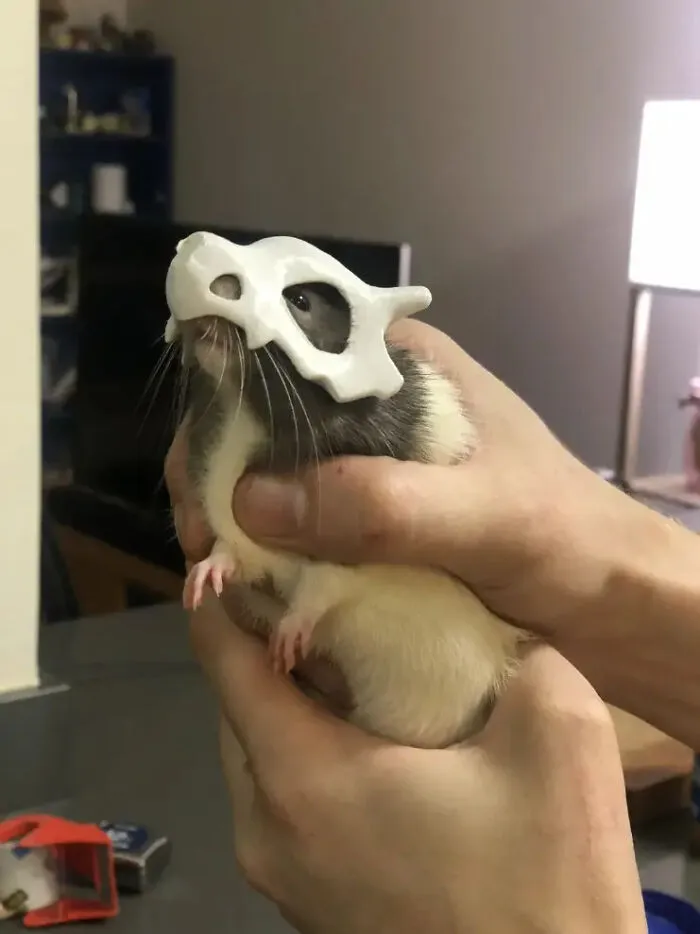
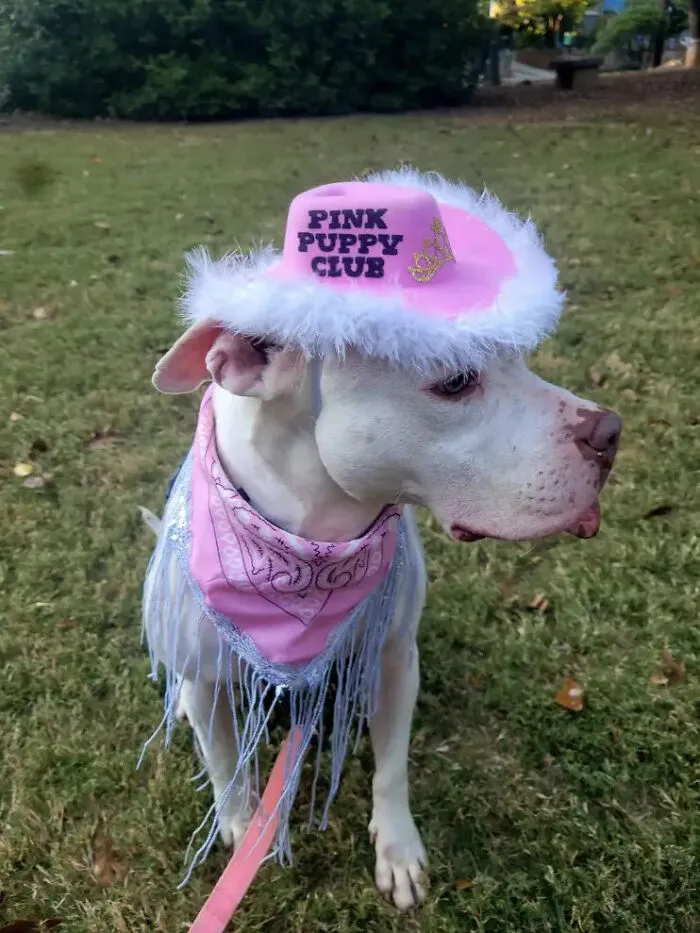
Adults rejoined the fun as well, and the mood shifted from scary to silly. Not every idea survived the century, though. Syfy mentions a 1950 effort to rebrand the holiday as Youth Honor Day, which went absolutely nowhere. People will happily wear a bedsheet ghost for generations but refuse to rally behind a new name.
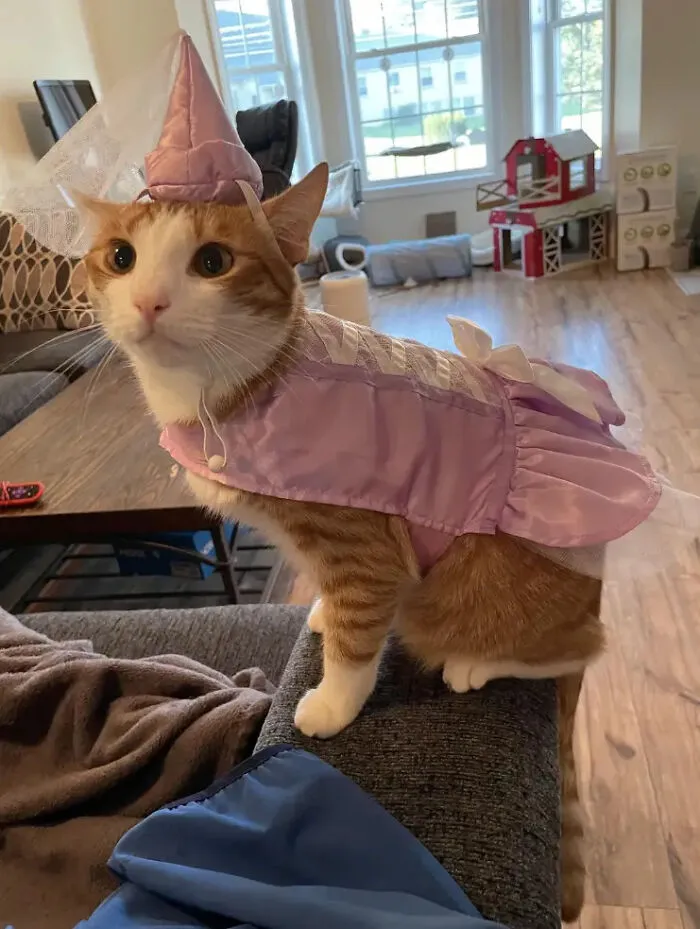
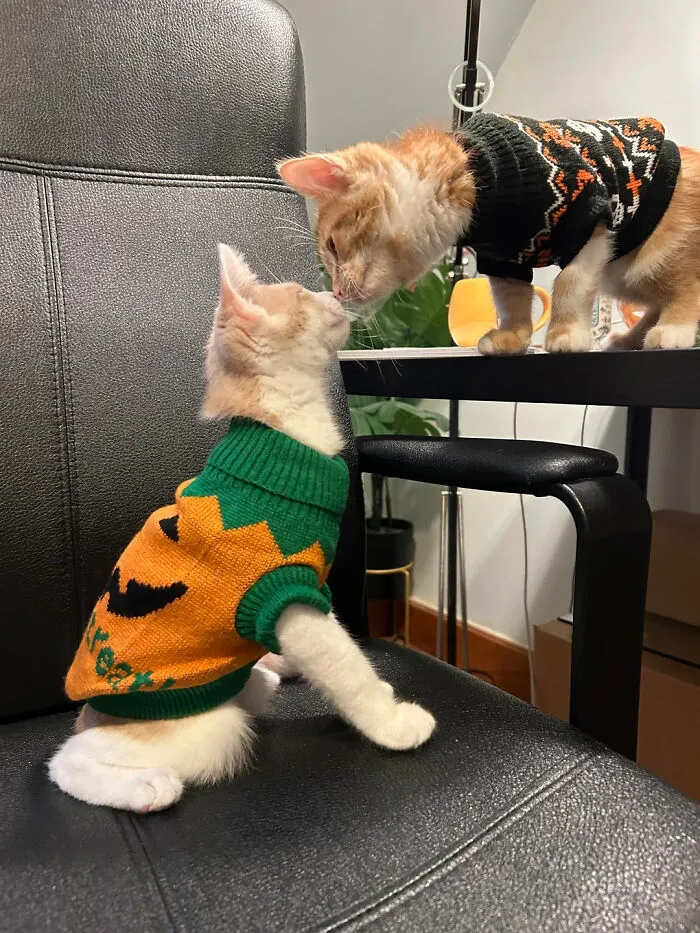
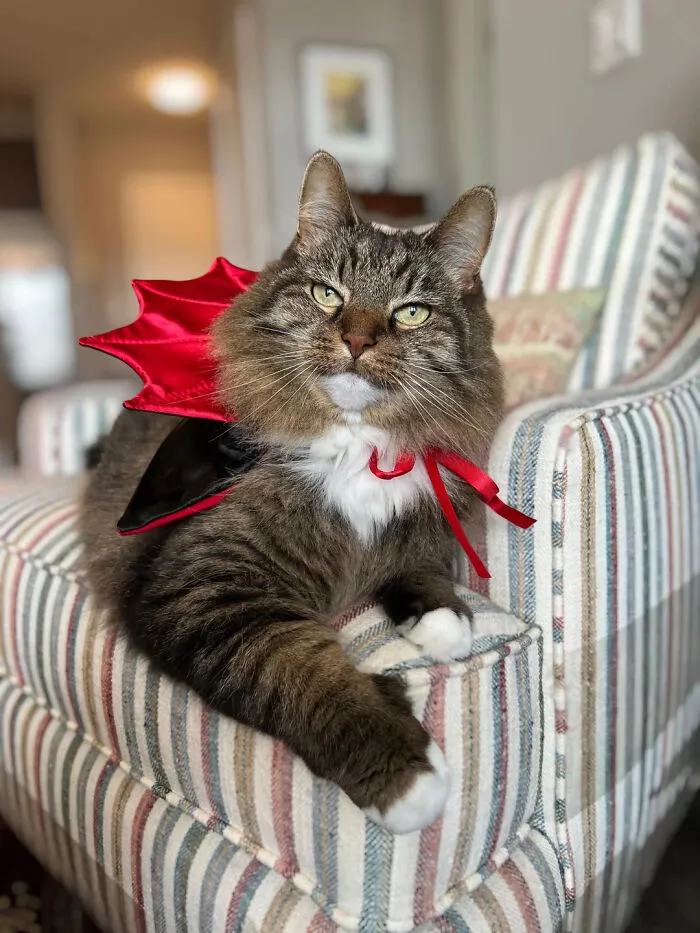
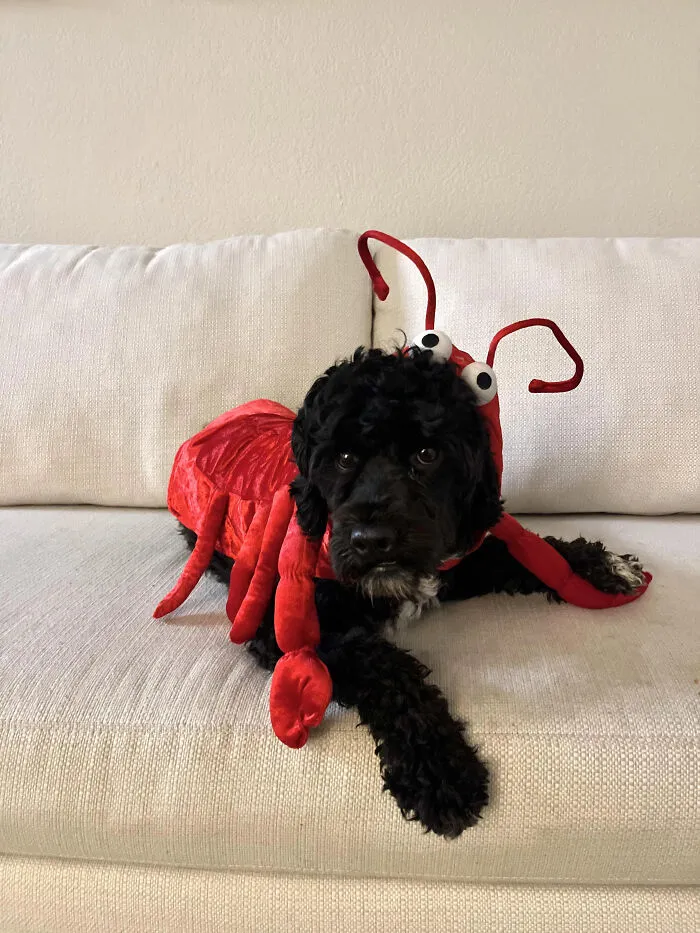
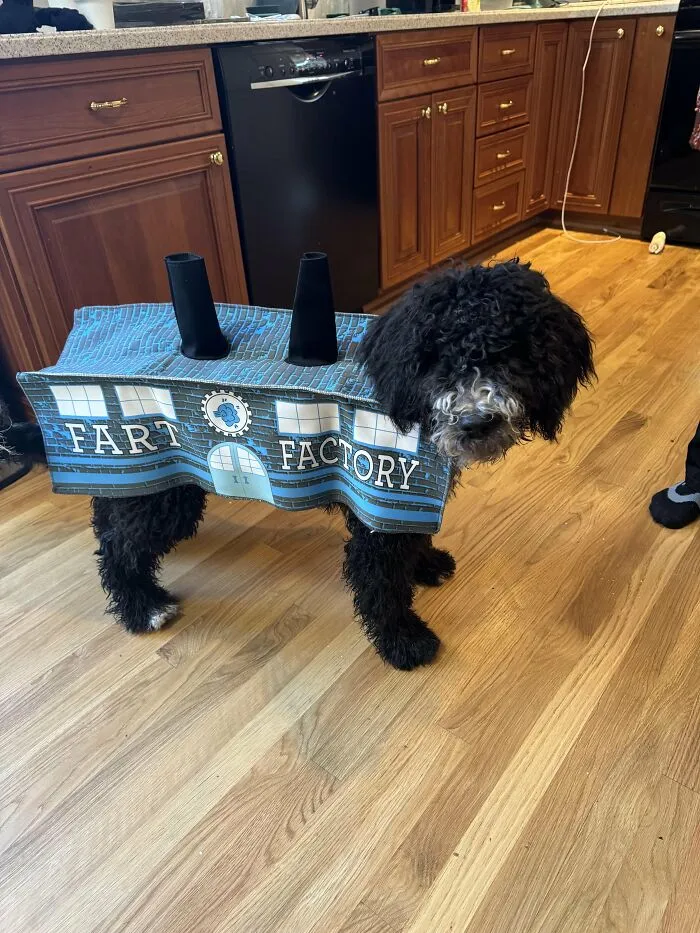
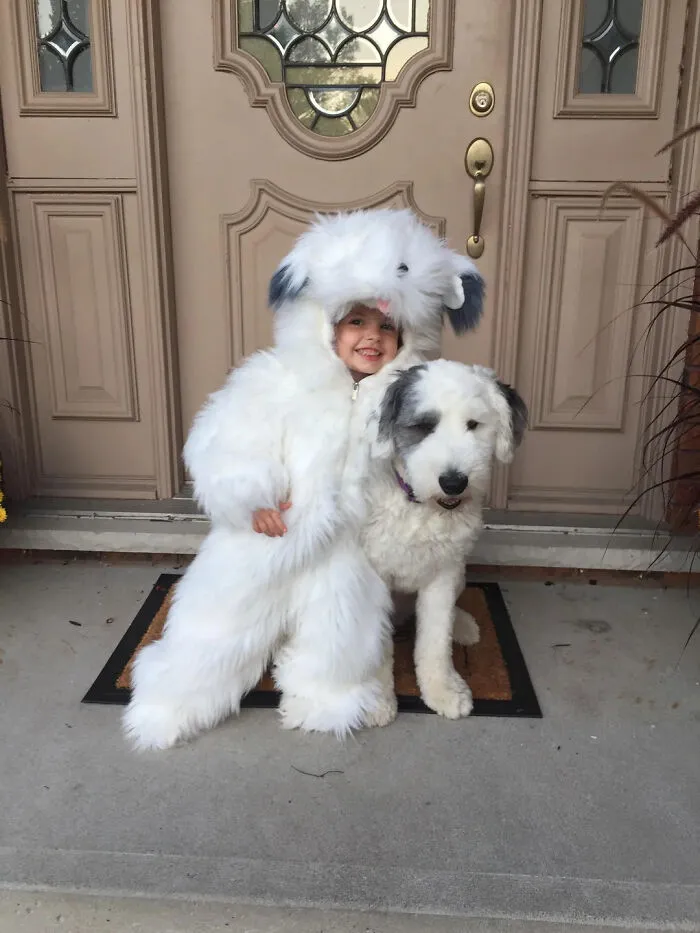
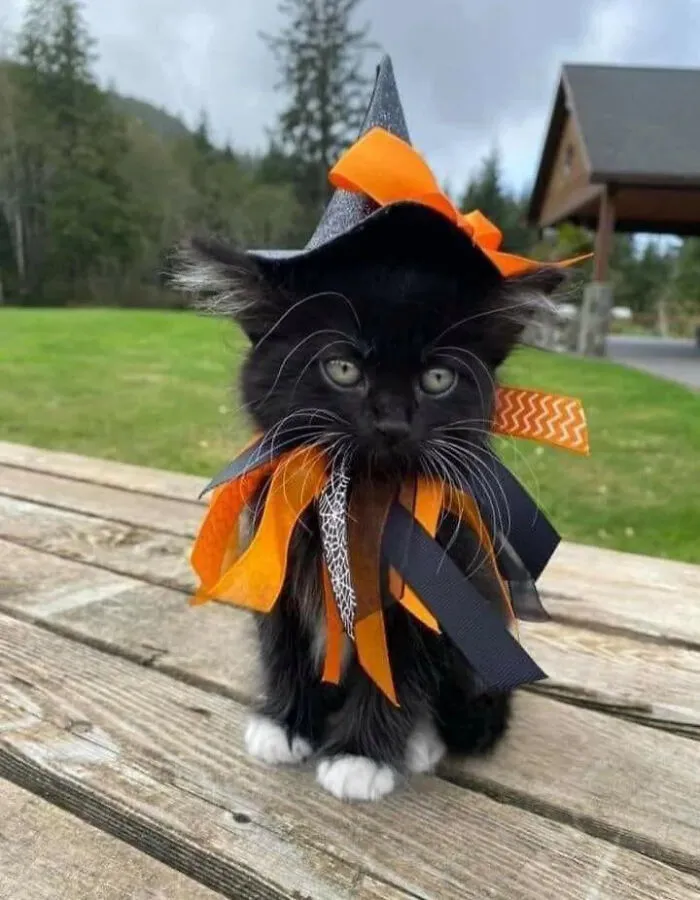
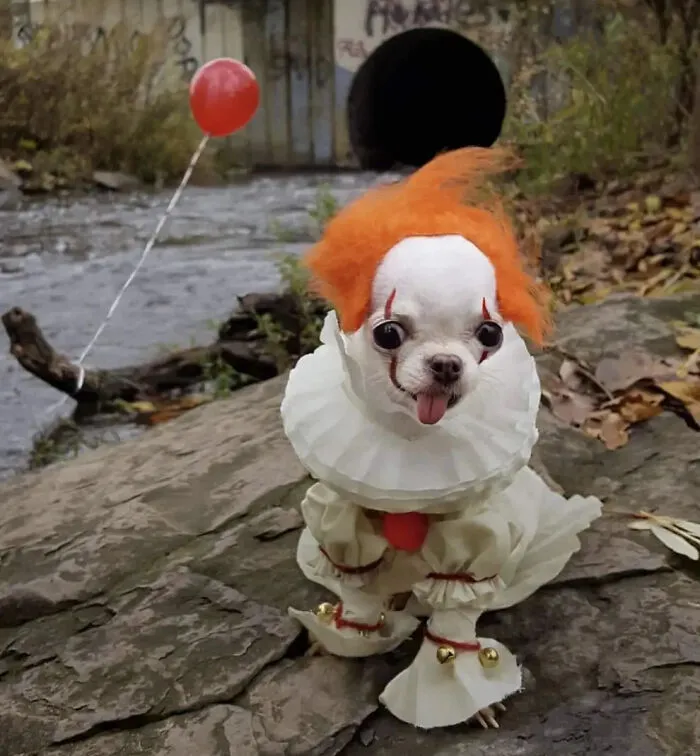
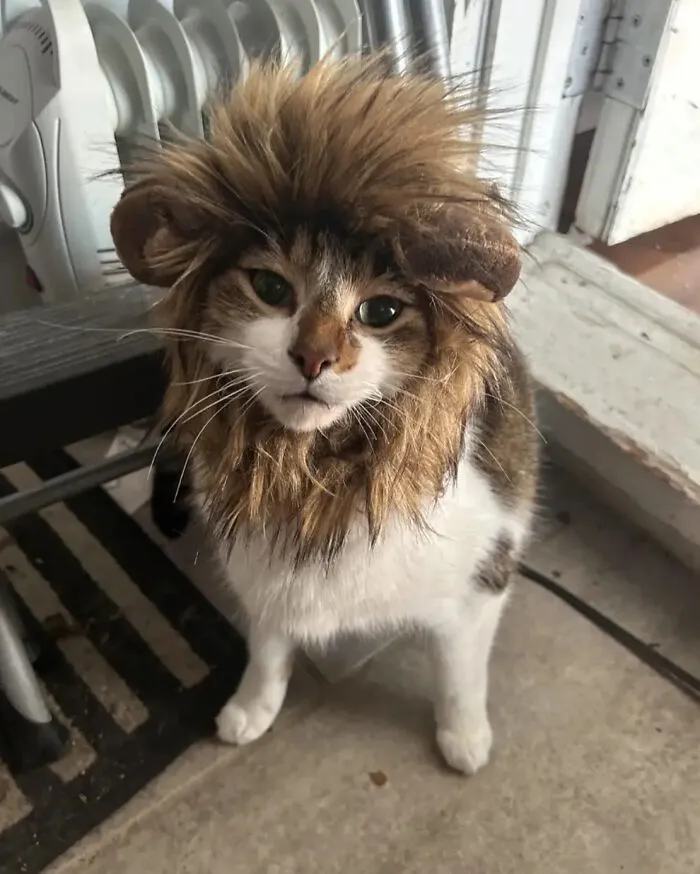
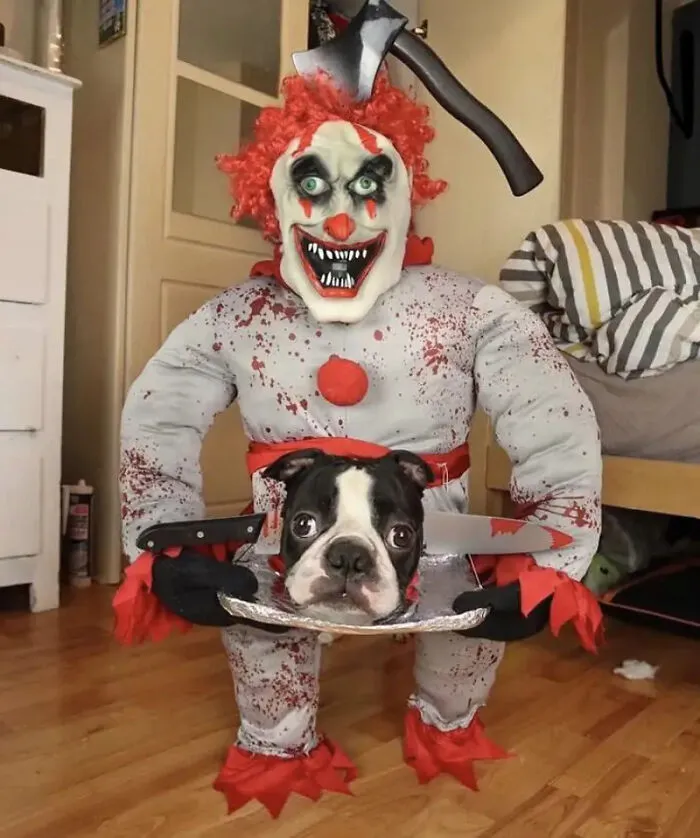
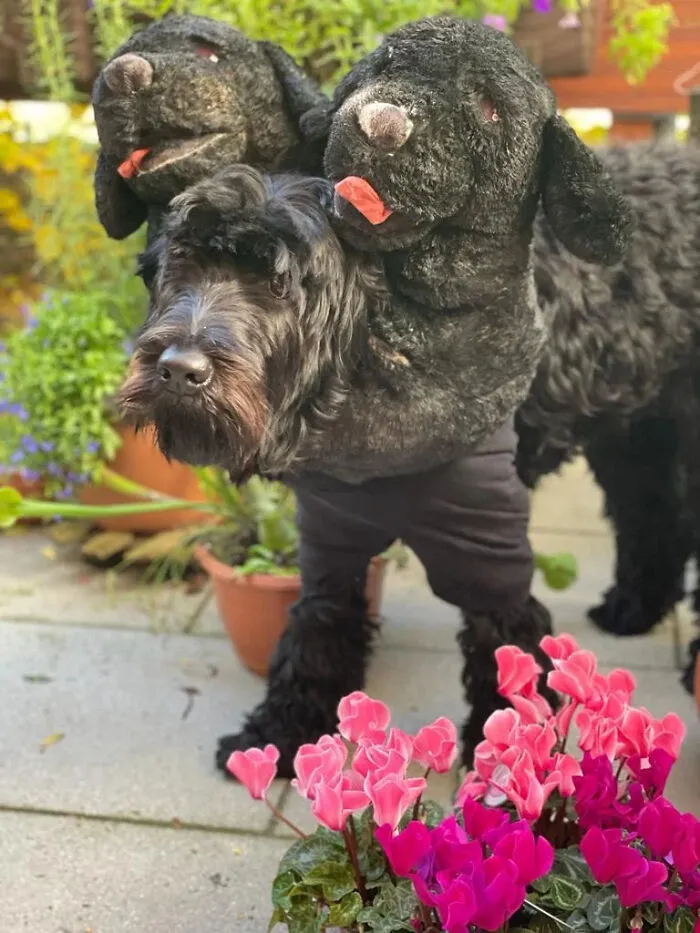
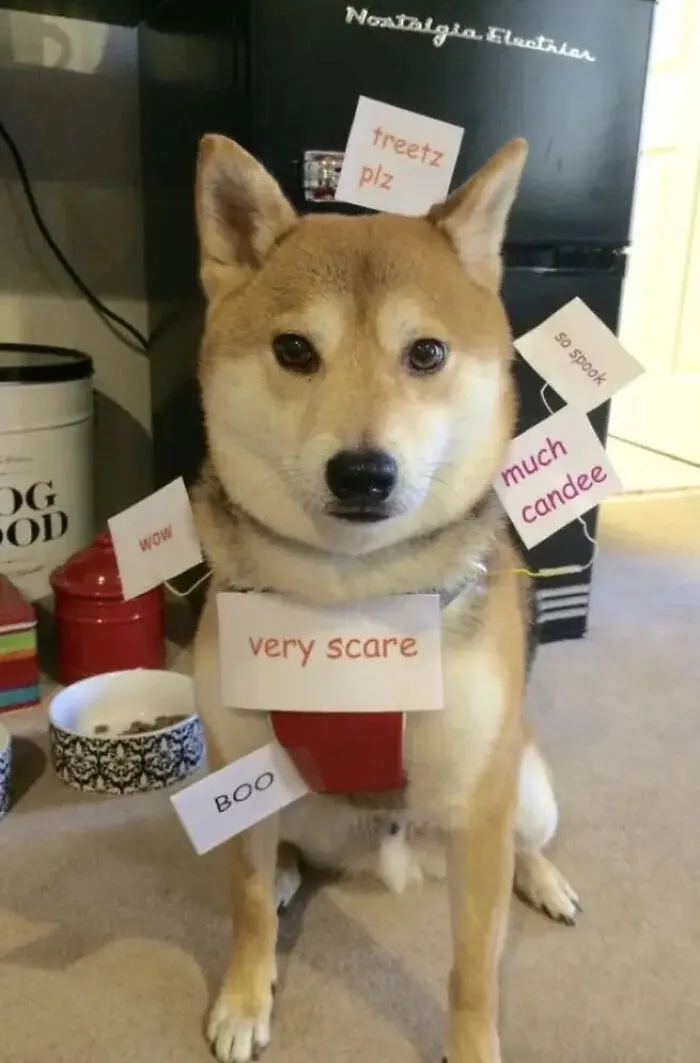
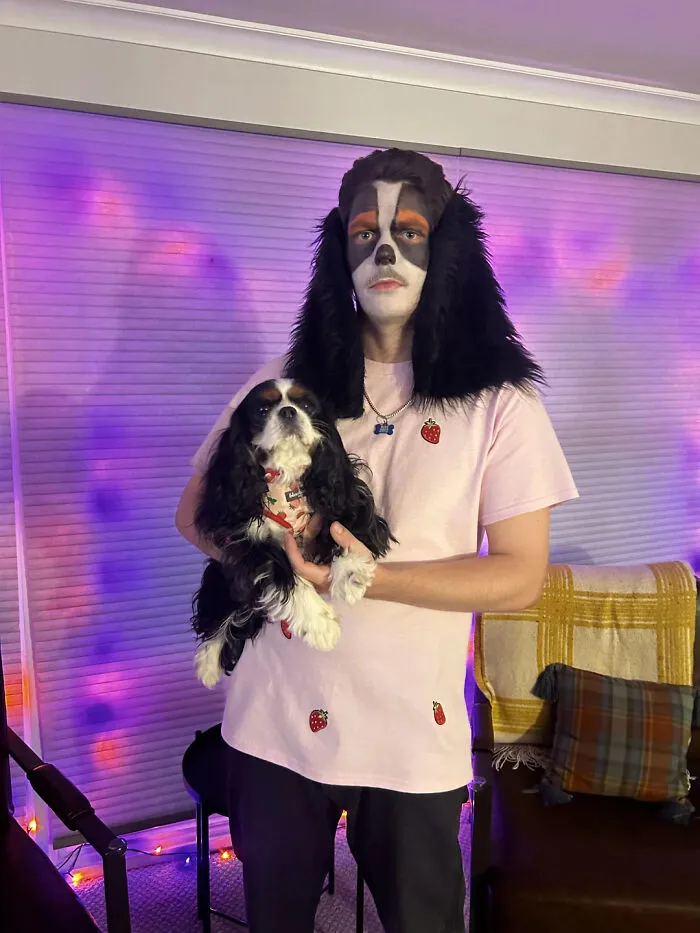
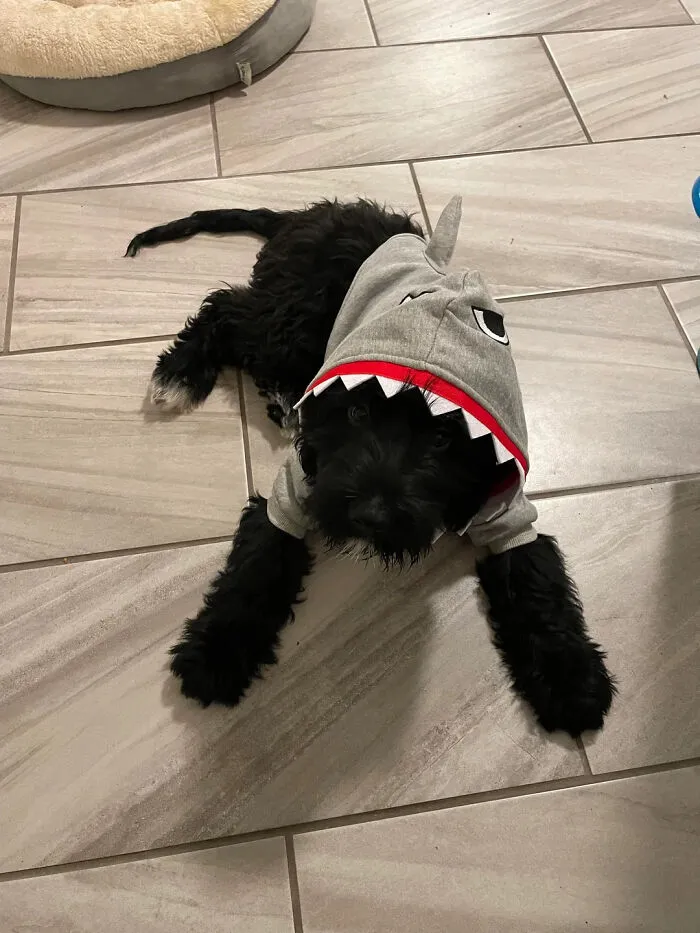
Which brings us to the newest guisers in the neighborhood, the ones with four legs, wagging tails, and strong opinions about hats. NRF's 2026 Halloween survey shows consumers planning to spend $0.92 billion on pet costumes out of a projected $13.5 billion in total Halloween spending, and a separate NRF report says 23 percent of people intend to dress up their pets, compared with 17 percent in 2019.