



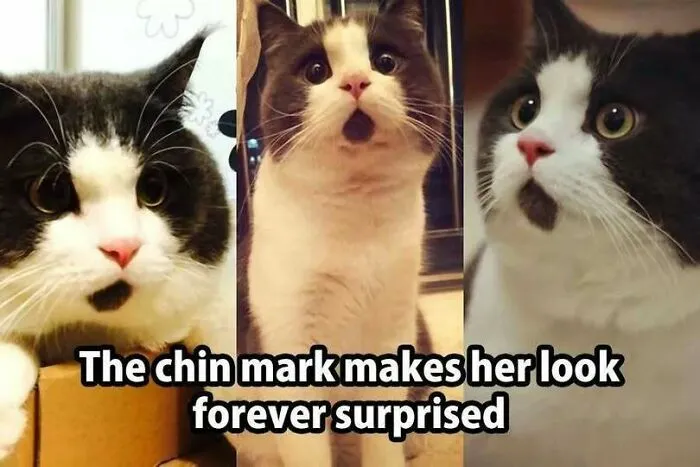

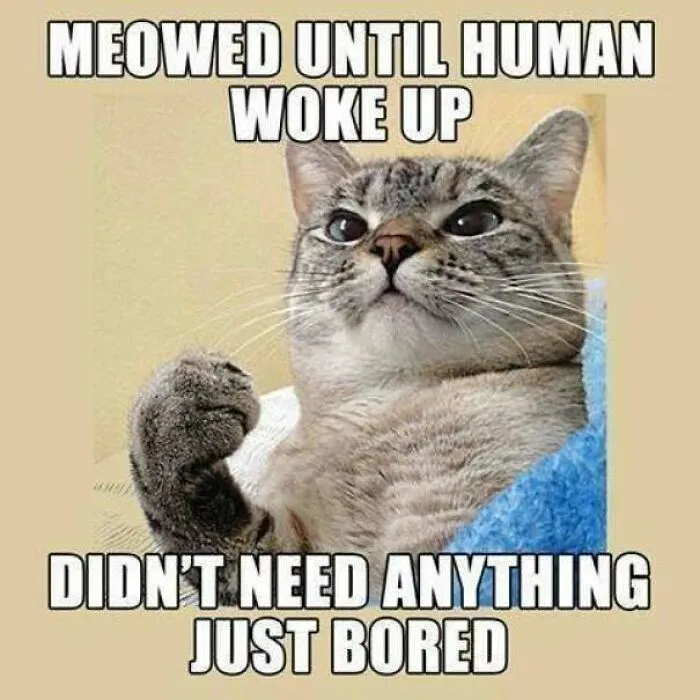
Many people see memes as just funny internet images. Quite a few of them associate them directly with cat memes.
However, broadly speaking, memes are any idea, image, trend, or even piece of information that spreads through culture.
Meme virality and popularity are closely linked to how emotionally appealing they are. The more they arouse the audience’s emotions, whether positive or negative, the more likely they are to be shared.

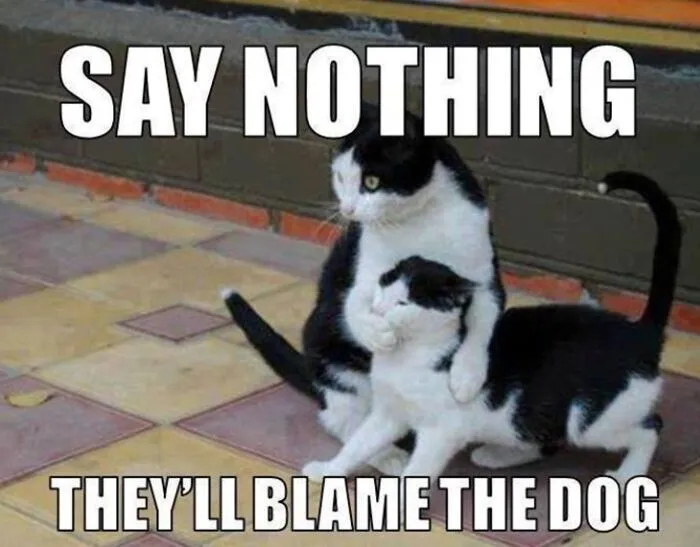

So, simply put, memes that are particularly funny, make you feel angry, or even disgust you are more likely to spread across the internet than emotionally lukewarm content.
Furthermore, Psychology Today points out that you’re also more likely to share memes that someone you’re close with has shared with you.
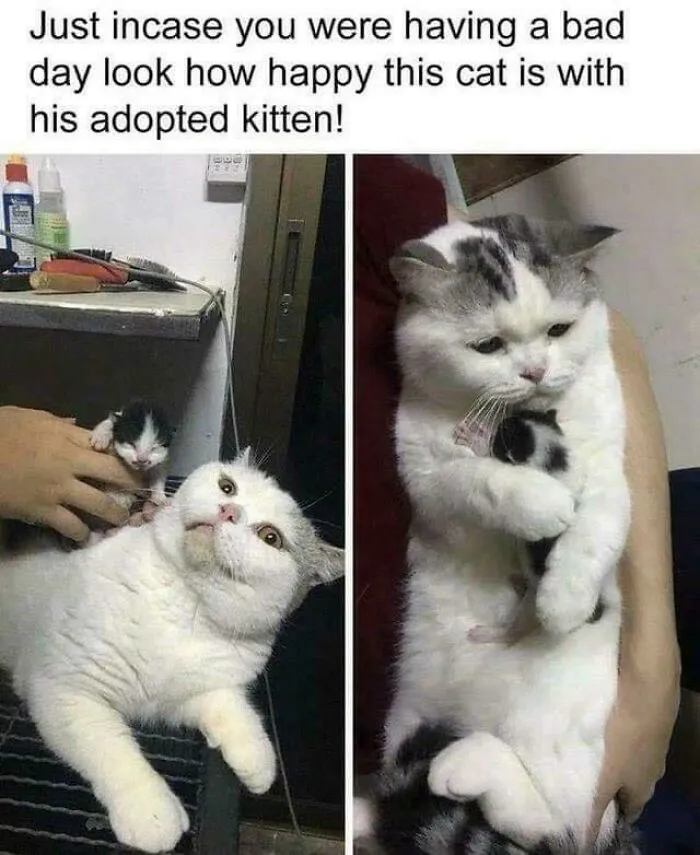


Memes also offer a different format for tackling important issues. For example, they make tough topics like mental health more palatable, relatable, and approachable.
“Connecting dialogue around important mental health challenges, such as depression, to popular culture may be an effective strategy to change the conversation and allow more people to seek help,” Psychology Today states.

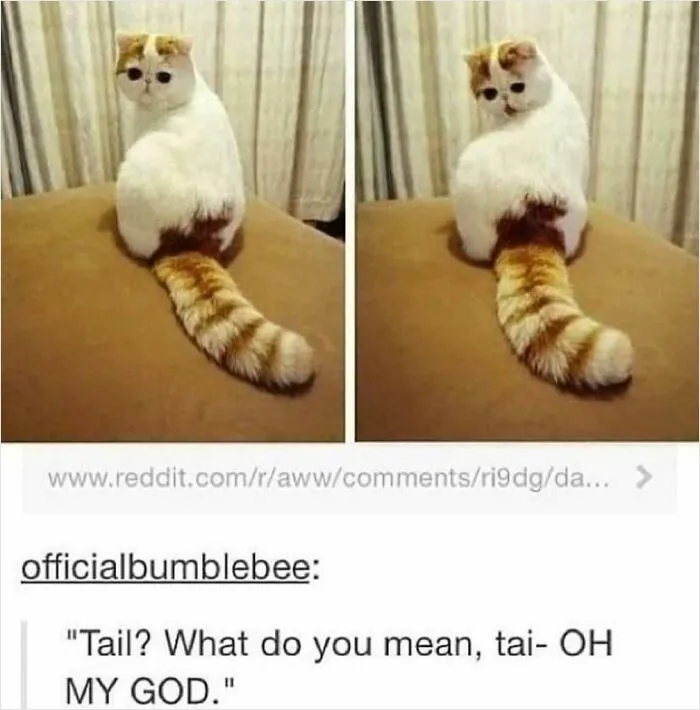
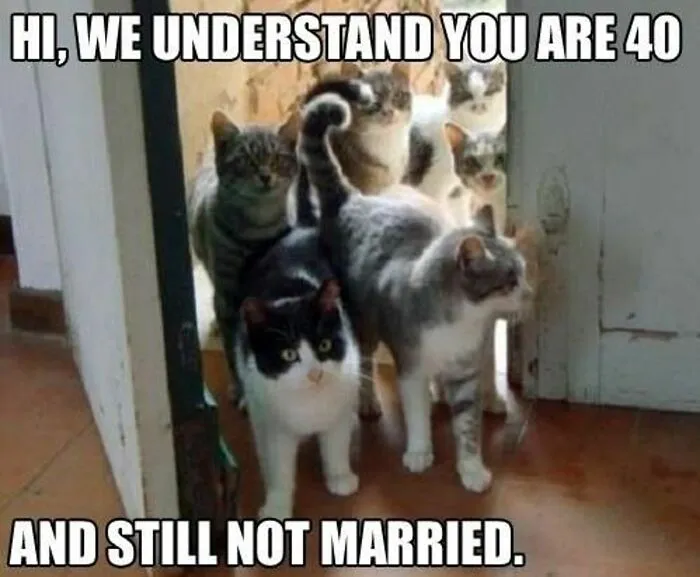
Associate Marriage and Family Therapist Theodora Blanchfield notes in a piece on Verywell Mind that she has noticed memes changing how we communicate.
“Memes get trivialized and disparaged, yet, they’re an important social currency and way of communicating online in this day and age. These small, often funny pieces of content are important for their ability to share ideas quickly and succinctly as well as foster a sense of connection and feeling seen.”

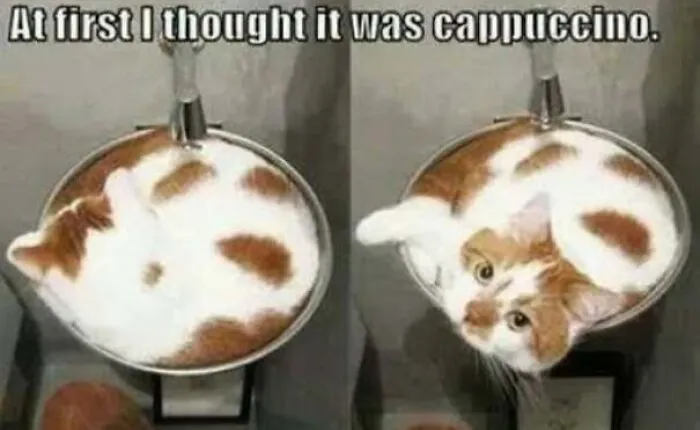

Blanchfield emphasizes that sharing a joke or having a similar sense of humor indicates commonalities between your experiences and perspectives.
“There are a few people in my life who have outwardly enviable lives, but the memes we exchange show me that their inner lives are not quite as desirable,” the therapist explains.
“Whether you love ‘em or hate ‘em, memes are an important part of modern discourse.”

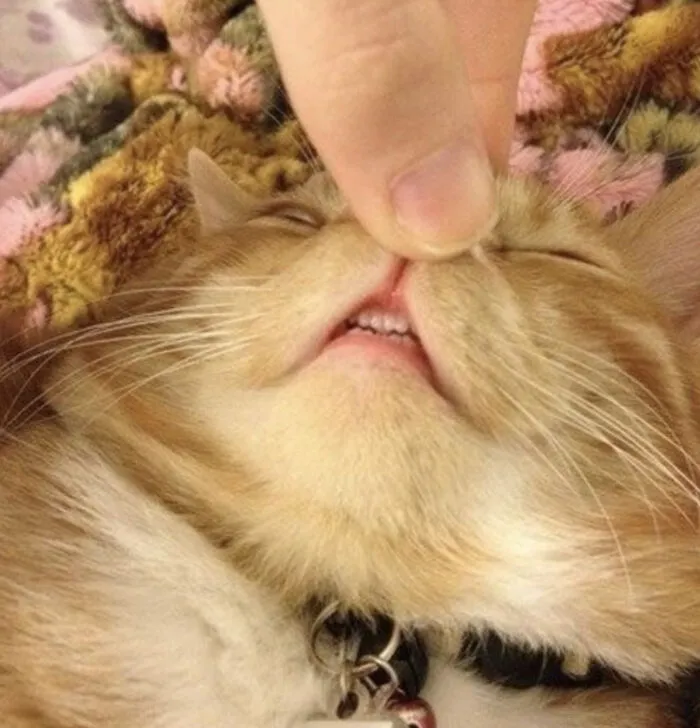
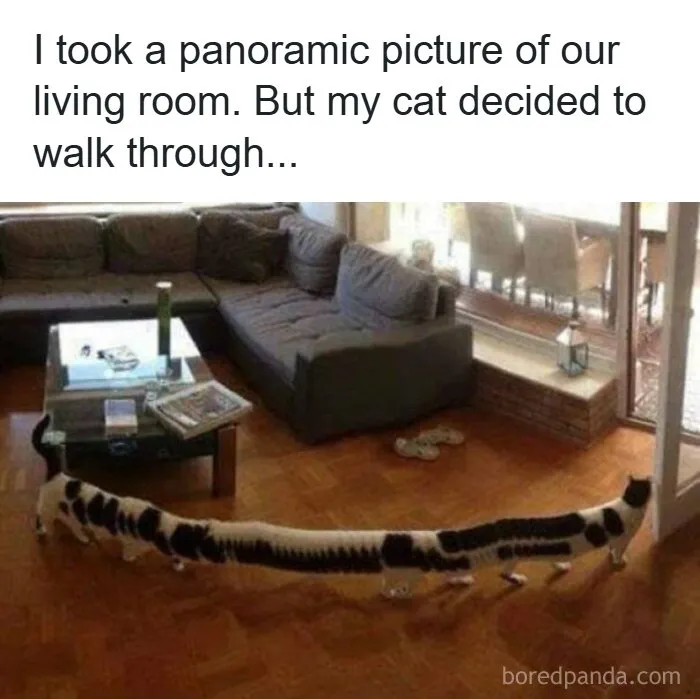
As the therapist points out, memes are all about the exchange of ideas, even if they’re “packaged in quippy sayings or observations.” The format is very easy to digest, but the information inside memes can be important, not just lighthearted.
According to Blanchfield, some of her friends and clients use memes to communicate with her about difficult topics: “To make jokes about their traumas or an element of dealing with chronic depression, for example.”