


Bored Panda
50 Awesome Facts About Animals You Probably Didn’t Know, As Shared On “Awwducational” (New Pics)
AnimalsNOV 13, 2025

50 Awesome Facts About Animals You Probably Didn’t Know, As Shared On “Awwducational” (New Pics)

88
13
There's always something new we can learn about the world. Some people get discouraged by the bad experiences they've had at school, so, we here at Bored Panda try to make learning fun and easy for everyone. This time, we're encouraging you to learn new facts about animals, but with a twist: every fact will be more adorable and cute than the last one!
These animal facts come to you courtesy of the subreddit "Awwducational." It's an online community that invites people not to waste their precious time and learn something, but in a fun way. "r/awwducational is your source for all cute things in the natural world," the subreddit's bio reads. So, what are you waiting for, Pandas? Scroll and learn why echidnas have the cutest way possible to cool themselves down, and melt at the cuteness of the Japanese dwarf flying squirrels!
More info: Reddit

#21 Costasiella Kuroshimae (Sea Sheep) Produce Energy Via Kleptoplasty: It Takes The Chlorophyll From Algae And Incorporates Them Into It's Appendages
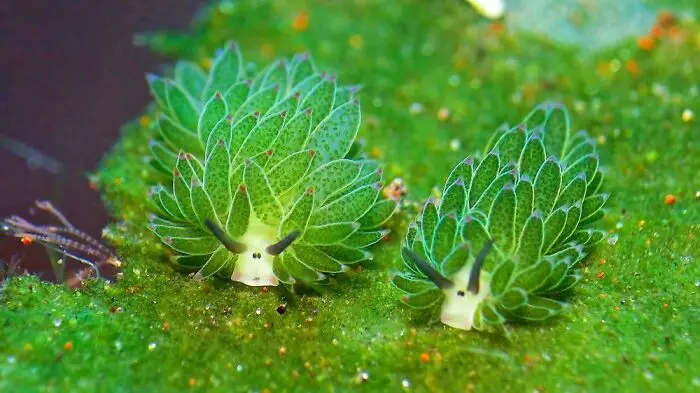
Two green sea slugs with leaf-like appendages on a vibrant underwater surface, showcasing unique animal facts.
69points

Another reason is that jaguarundis resemble other critters who aren't even cats. Many people confuse them with otters, tayras, and other weasels. They have elongated backs and plain coats that are unusual for American wild cats, and even scientists have difficulty identifying them in the field. The third reason is much more practical: because they're not under threat of going extinct, it's difficult to secure funding and convince people that we need to study them.

#22 A Small Elephant Was Found In Sri Lanka. His Height Is About 1.5 Meters. This Is Considered Proof Of Dwarfism In The Wild
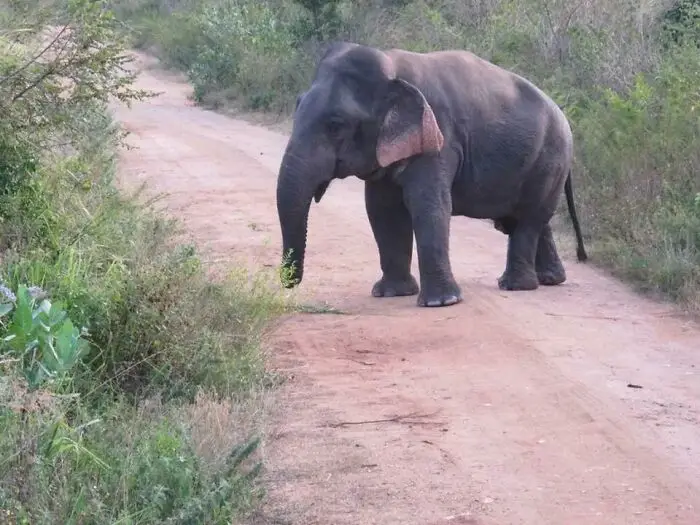
Young elephant crossing a dirt road in a natural wildlife area, showcasing unique animal behavior facts.
Report
66points

#23 Siamese Kittens Are Solid White When They're Born
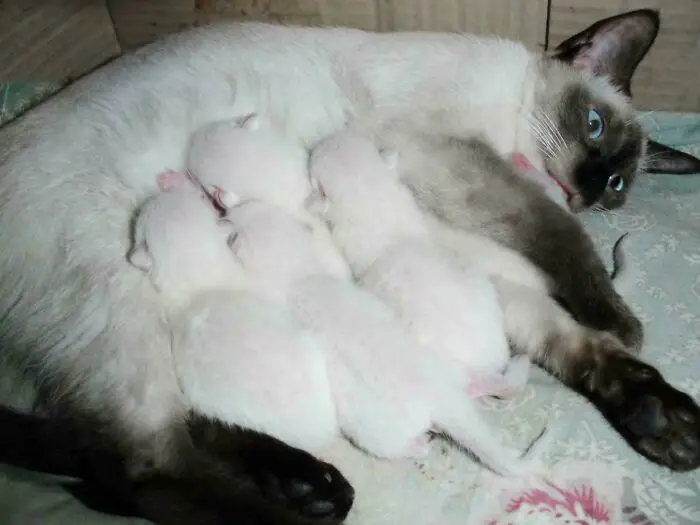
Siamese cat nursing her three newborn kittens, showcasing adorable animal behavior and motherly care facts.
Their signature markings, or "points", begin to grow as they age, with their fur darkening in areas that are most susceptible to cooler temperatures. This is why their fur is usually darkest on their faces, ears, tails, and limbs!
66points

#24 While Many Animals Pant Or Sweat To Cool Down, It Turns Out Echidnas Instead Opt To Blow Snot Bubbles And Perform Bellyflops
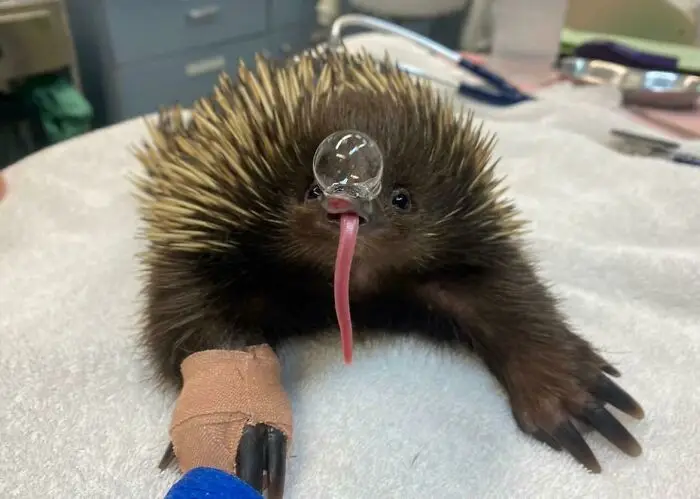
Baby echidna with bubble on nose and tongue out, receiving medical care, showcasing unique animal facts and features.
63points

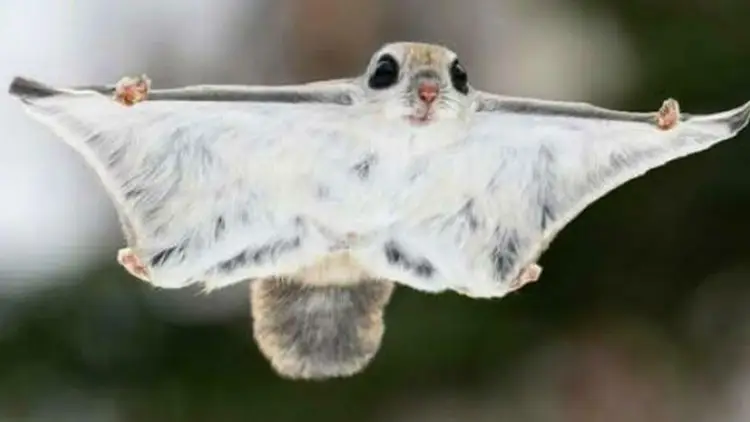
If you've never found regular squirrels to be cute, you probably haven't seen the Japanese dwarf flying squirrel. A squirrel that flies seems like it's straight out of science fiction, but this big-eyed critter isn't – they're just nocturnal. They live in trees and very rarely go down to the ground, and their wings, or rather, skin flaps (called patagia) help them to glide from tree to tree.

#25 The Giant Panda’s Reputation Of Being “Bad At Life” Is Largely Undeserved As It’s Based Mainly On The Behavior Of Captive Pandas Who Lack Natural Instincts
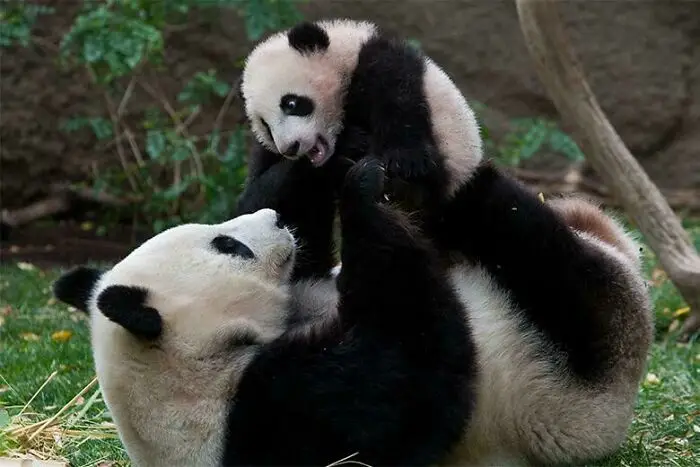
Giant panda and cub playfully interacting in a natural setting, showcasing adorable animal behavior facts.
In the wild, pandas have no natural predators as adults and their breeding success rate is similar to some American black bear populations.
Report
63points

#26 This Is The Red Crested Tree Rat. It Is Endemic To Colombia
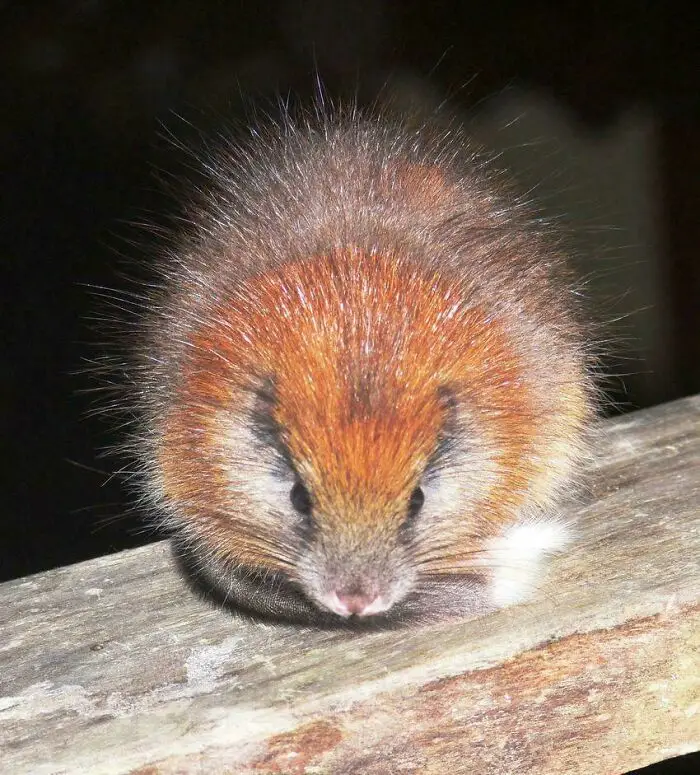
Close-up of a small furry animal with reddish-brown fur showcasing one of the awesome facts about animals.
Believed extinct for over a century, one appeared suddenly at the front door of an ecolodge in a Colombian nature preserve, where researchers took pictures of it for two hours. Afterwards, it left and was never seen again.
62points

#27 Sand Cats Rarely, If Ever, Need To Drink Water- Instead, They Get All The Liquid They Need From Their Prey, Which Includes Rodents, Insects, Scorpions, And Even Venomous Snakes
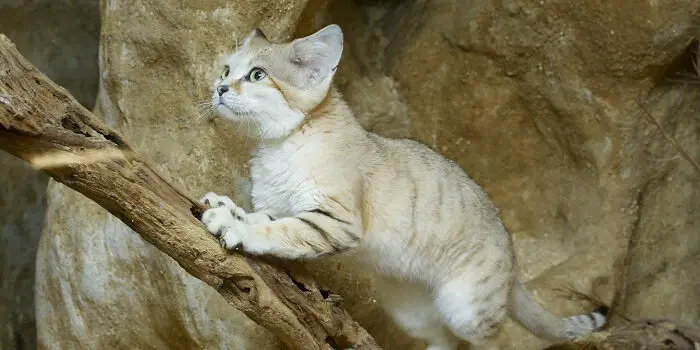
Sand cat climbing a branch inside a rocky enclosure, showcasing unique animal behaviors and traits.
61points

If you're worried that these patooties are in danger of extinction, rest assured – they're currently listed as "Least Concern" by the IUCN (the International Union for Conservation of Nature). They live in well-protected areas and have a big population. And since they're so elusive with their small stature and blending abilities, they're good at evading predators, too.

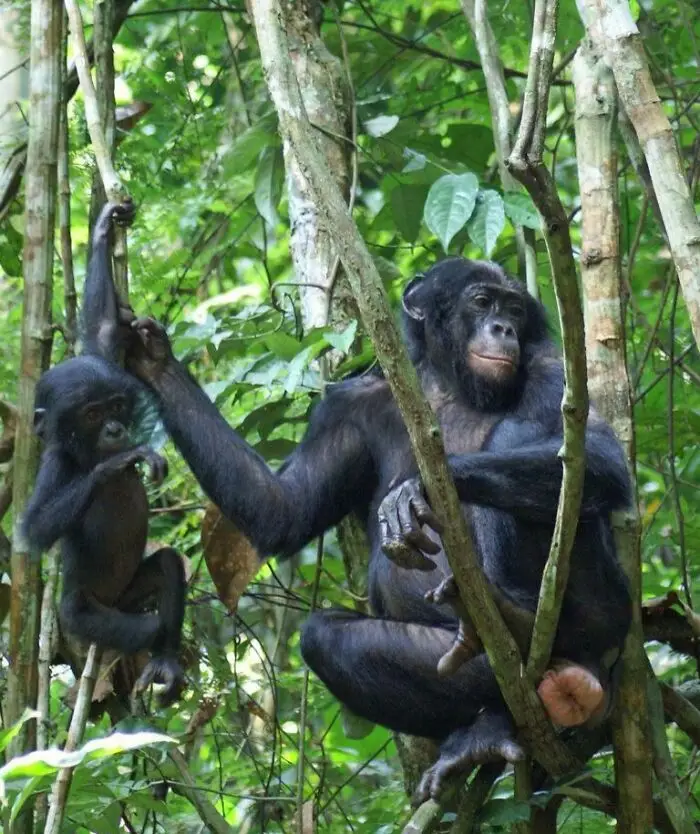
#28 Female Bonobos (Pan Paniscus) Form Coalitions Against Males To Secure Their Social Status And Reduce Differences In Power
Two chimpanzees in a dense forest habitat, illustrating interesting facts about animals in the wild and their behavior.
Females target males in 85% of their coalitions, and they occupy higher ranks compared to males when they form more frequent coalitions.
61points

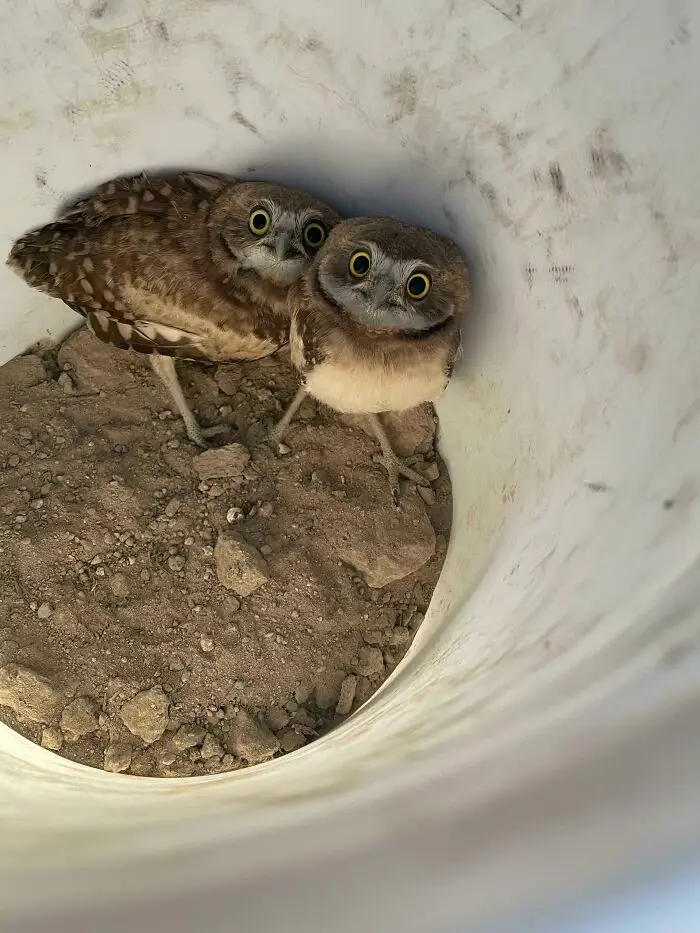
#29 Burrowing Owls Are Unique In That They Nest Underground. They Often Utilize Abandoned Burrows Dug By Ground Squirrels, Prairie Dogs, And Other Mammals!
Two small owls standing on dirt inside a white container, showcasing interesting facts about animals.
60points

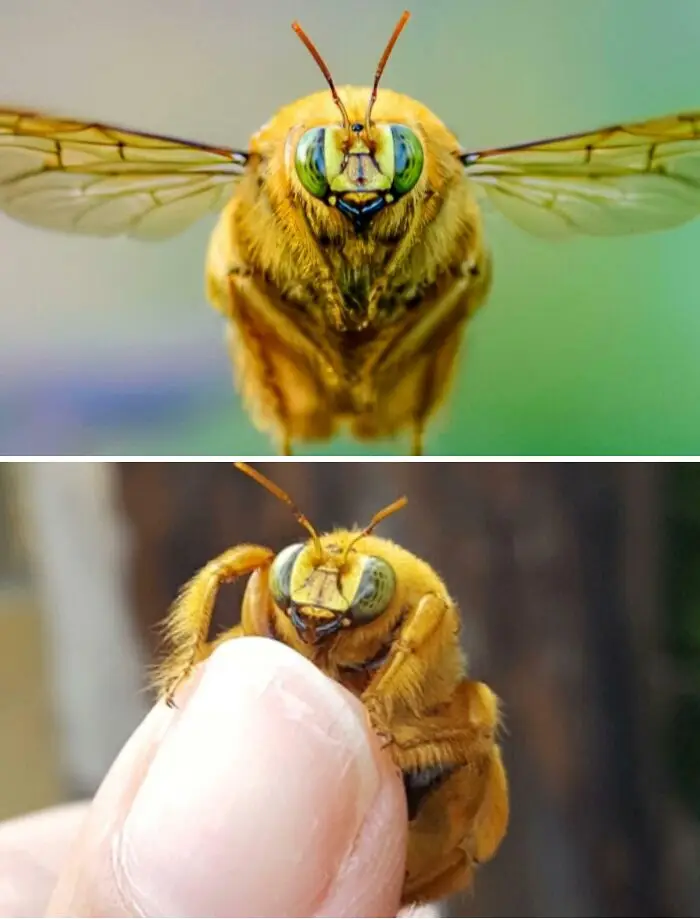
#30 Teddy Bear Bees: These Enormous Bees Can Measure Up To 26mm (Roughly 1 Inch) Long, And The Males Are Covered In Thick, Golden "Fur" That Makes Them Look Like Flying Teddy Bears
Close-up of a golden bee with green eyes showcasing unique animal facts from 100 awesome facts about animals.
60points

Which animal fact from this was your favorite, Pandas? Let us know in the comments, and don't forget to share some cute animal trivia we might've missed here. As always, if you'd like to see more wholesome animal content, check out our previous publications featuring the "Awwducational" subreddit here, here, and here!

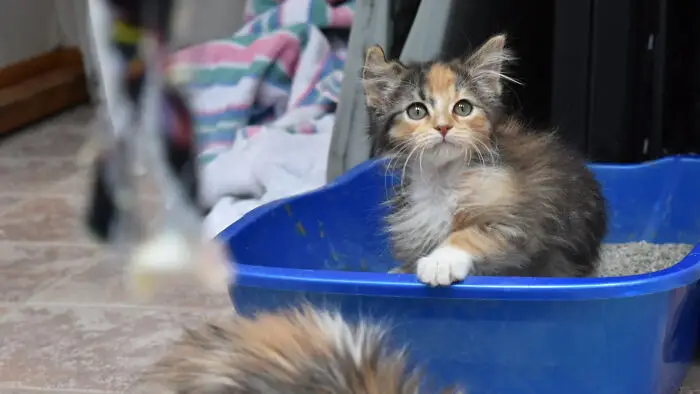
#31 Male Calico Cats Are Uncommon Because Fur Color Genes Are Located On The X Chromosome
Fluffy kitten sitting in a blue litter box indoors, showcasing adorable animal behavior and charm.
This means that a female cat can have a different color gene on each of her X chromosomes, with one for "red" (orange) and one for "black" (not orange.) Male cats need an extra chromosome to be calicos.
60points

#32 The Sunda Stink Badger (Mydaus Javanensis) Is A Small Nocturnal Mammal Native To Indonesia And Malaysia
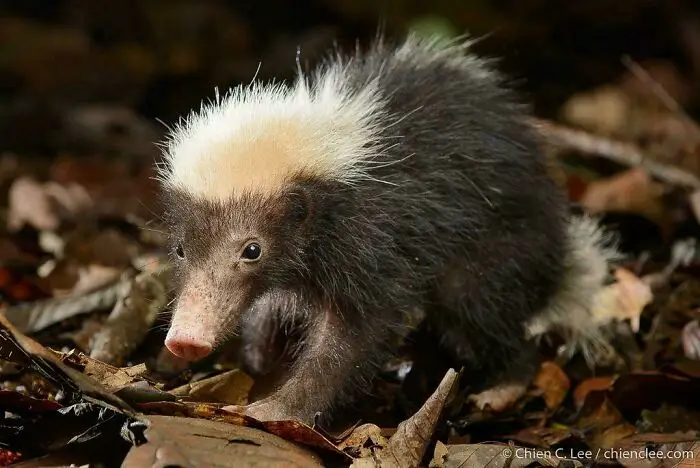
Young skunk with distinct white stripe walking through dry leaves in forest, showcasing unique animal facts and wildlife behavior.
Despite the name, they and other stink badgers are not true badgers, and are instead the closest living relatives of the skunk.
Report
60points

#33 Rainbow Lorikeets Travel In Nomadic Flocks, Following The Flowering Of Trees — Using Their Brush-Tipped Tongues To Feed On Nectar And Pollen
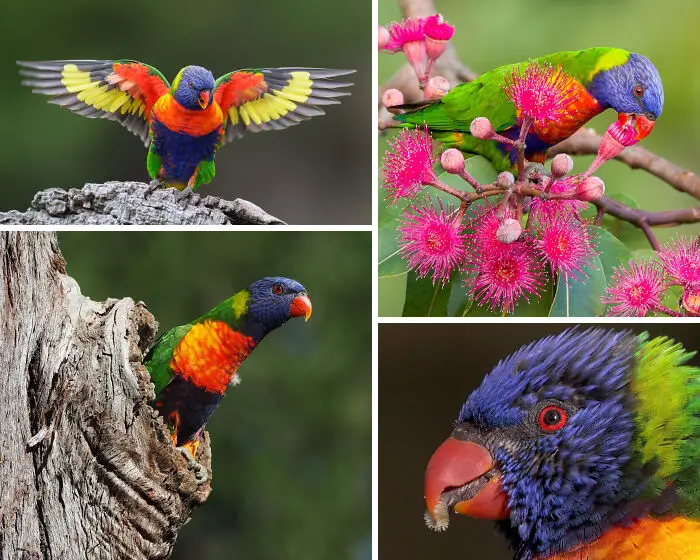
Colorful rainbow lorikeets perched and feeding, showcasing vibrant feathers in nature, representing animals facts fascinating and educational.
At night, they roost communally, perching close together and occasionally hanging upside down or lying on their backs, feet in the air.
58points

#34 The Brahminy Blind Snake Is Also Known As The 'Flowerpot Snake' Because It Often Hides In The Soil Of Flowerpots, Resulting In Its Spread Throughout Most Of The World
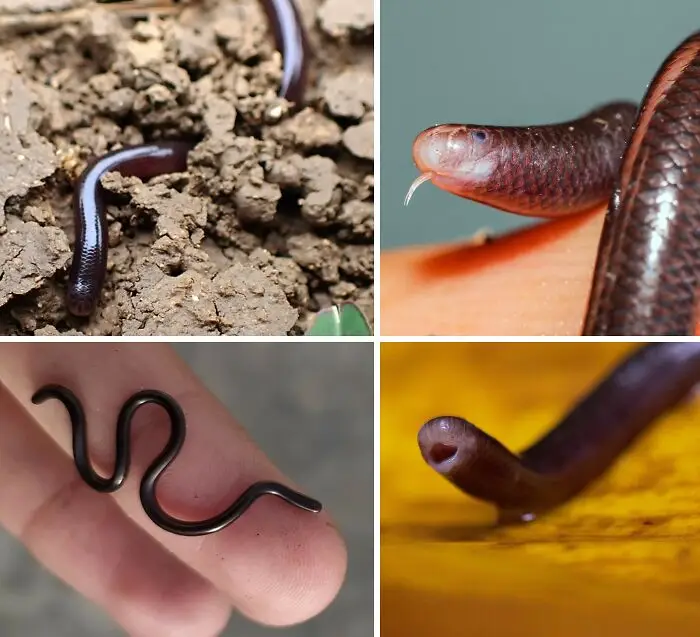
Various close-up images of worm-like animals showcasing unique features from a collection of awesome animal facts.
It looks and acts like a worm — some 13 cm (5 in) long and subterranean — but it's one of the world's smallest snake species.
57points

#35 Present-Day Sled Dog Breeds And Their Cold-Climate Adaptations Stem From A Common Ancient Arctic Ancestor That Diverged From Other Dog Lineages More Than 9,500 Years Ago In Northeast Asia
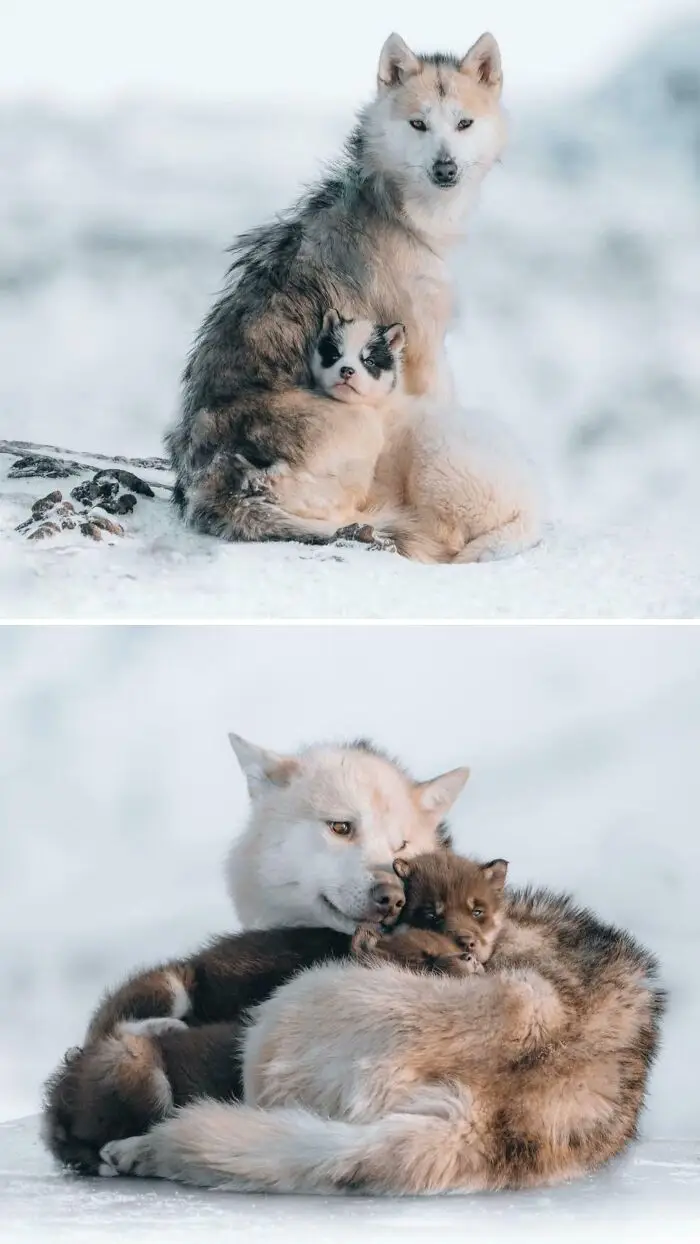
Husky dogs cuddling in snowy landscape, showcasing adorable animal moments for facts about animals you probably didn’t know
Greenland sled dogs don’t share much DNA with wolves, despite a reputation for having been interbred.
56points

#36 The Pig-Nosed Turtle Is The Sole Surviving Species In Its Family
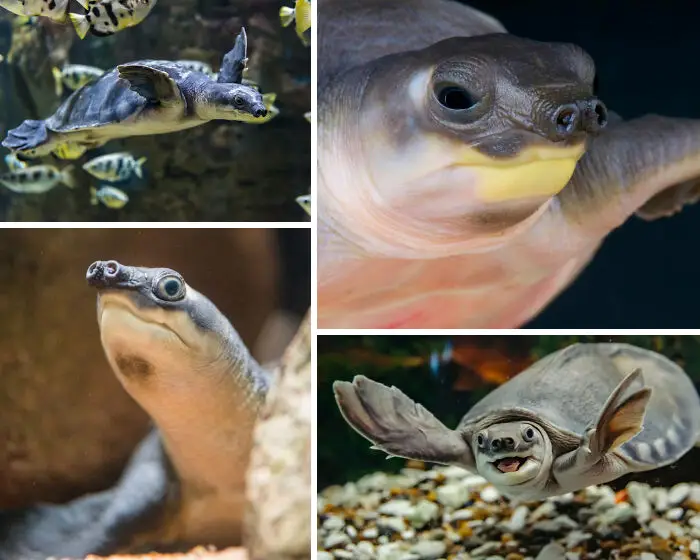
Collage of close-up and underwater photos showing different softshell turtles in various aquatic environments.
It lives in the rivers of northern Australia and southern New Guinea, using its pig-like nose to "snorkel" without exposing the rest of its body.
55points

#37 The Capuchinbird Is Named For Its Resemblance To Capuchin Monks/Friars, With The Brown Plumage Around Its Bald Head Looking Like The Monks’ Hooded Robes
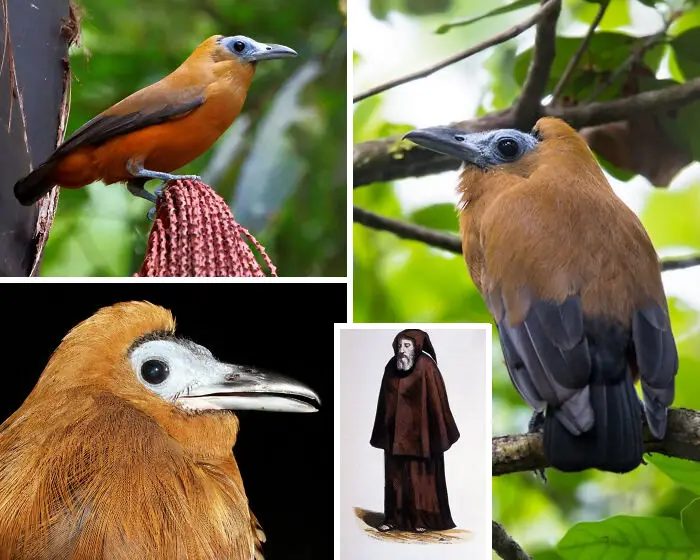
Collage of unique bird species with detailed feathers and curious expressions showcasing awesome facts about animals.
53points

#38 Brush Jewel Beetle (Genus Julodis): This Beetle Has Tufts Of Colorful, Wax-Coated Bristles That Sprout Up Along The Dorsal Surface Of Its Head, Thorax, And Abdomen
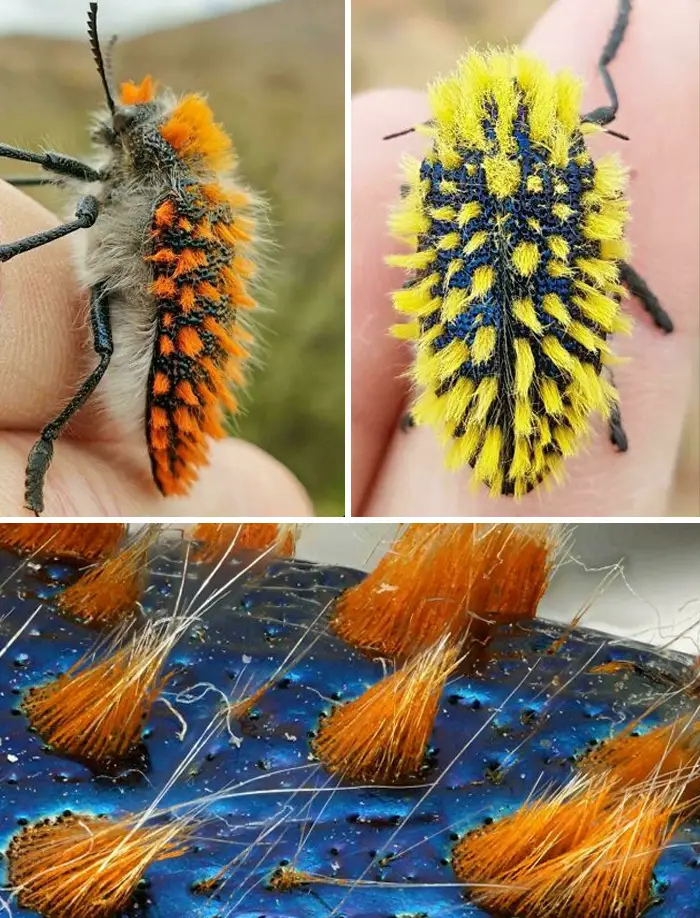
Close-up photos of colorful hairy insects showing textures and details, highlighting awesome facts about animals.
53points

#39 The Armoured Rat Is Covered In Sharp Spines That Can Grow As Long As 3 Cm (1.2 In)
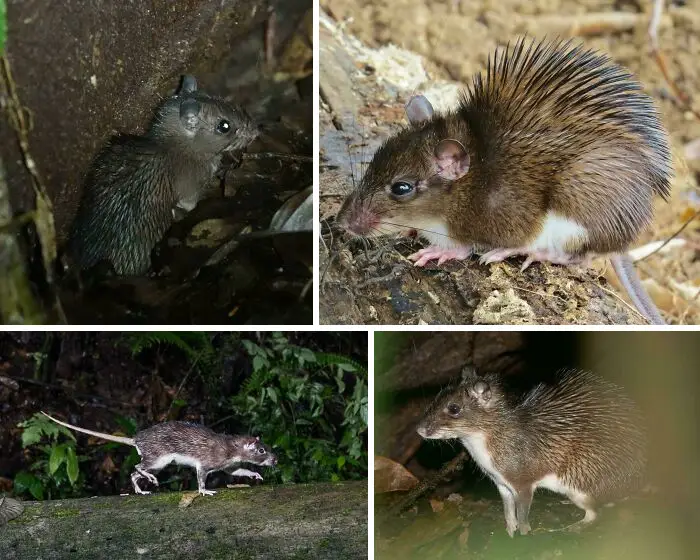
Various spiny rodents in natural habitats showcasing unique animal facts and behaviors in wildlife environments.
A great defense against the snakes and ocelots that share its wet rainforest habitat. Additionally, if all else fails, this rat can drop its tail to confuse or distract a predator.
53points

#40 Baby Horseshoe Crabs: These Eggs Contain Tiny Horseshoe Crab Embryos; The Hatchlings Typically Emerge After 2-4 Weeks, But It Takes Another 10 Years For Them To Mature Into Adults
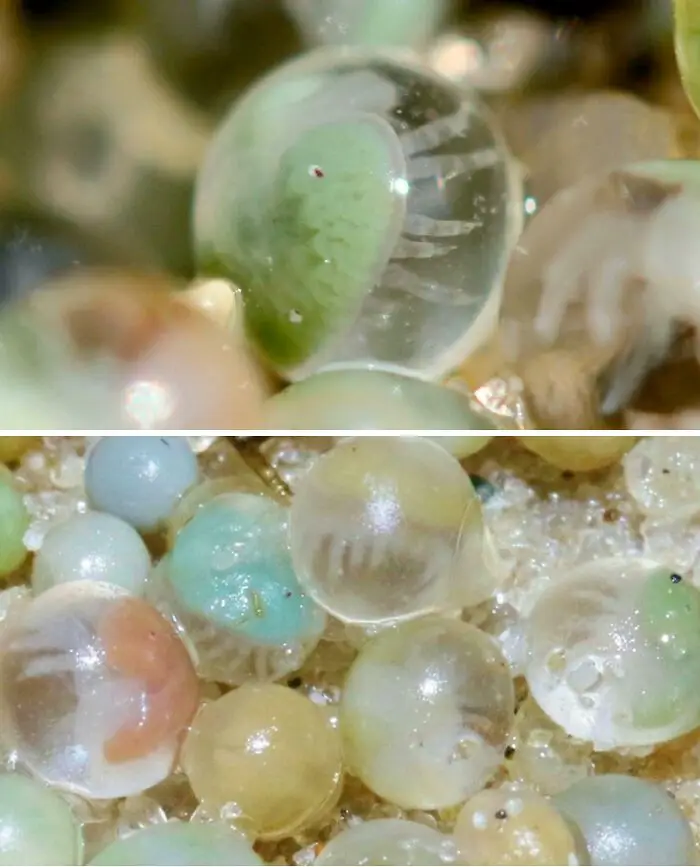
Close-up of translucent animal embryos inside eggs, showcasing unique textures and colors in nature’s fascinating animal facts.
52points
88
13