

#1
#2
#3
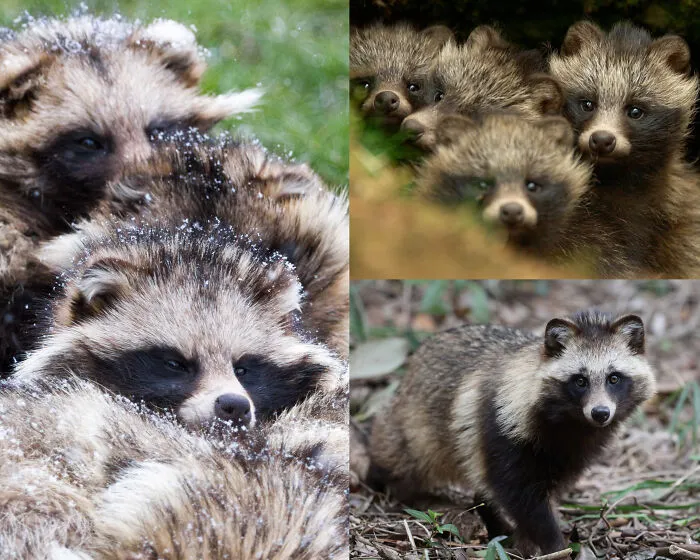
I was really surprised while reading most of these facts. It just made me realize how extraordinary birds and animals truly are. In fact, some of their characteristics are so astonishing that they almost seem like superpowers.
While we get to see some of them in wildlife parks and sanctuaries, I feel jealous of the prehistoric people. Earth must have been a true paradise back then, when so many of these different species thrived. But forget prehistoric; just 2-3 centuries back, there were more animals than we see today.
#4
#5
#6
Did you know that, of every species that has ever existed on our planet, research estimates that 99.9% are currently extinct? Apparently, species can survive for anywhere from 1 million years for mammals to 11 million years for marine invertebrates. However, our world has already been through 5 mass extinction events.
The first happened about 440 million years ago, when small marine organisms went extinct. The second one took place 365 million years back, when many tropical marine species went extinct. The third one happened 250 million years ago, and it was the worst. It wiped out 96% of life on Earth. Many vertebrate species went extinct during the fourth one, 210 million years ago.
#7
#8
#9
The fifth is the most famous mass extinction event, and it led to the downfall of dinosaurs. It happened 65 million years ago and wiped out about 50% of the plants and animals alive at the time. But here’s the scary part: experts believe that a sixth mass extinction event is on its way. They think it would take thousands of years to wipe out as many species as the third extinction. However, this time, humans will be to blame, not a meteor.
#10
#11
#12
These experts are onto something. After all, global warming is destroying our planet right in front of our eyes. And animals are the ones suffering because of human greed and carelessness. Currently, there are more than 175,900 species on the International Union for Conservation of Nature (IUCN) Red List, with more than 49,500 species threatened with extinction.
If those stats don’t horrify you, just listen to what researchers are saying. They caution that today’s extinction rate is hundreds, or even thousands, of times higher than the natural baseline. That’s why understanding and learning about these species is more crucial than ever.
#13
#14
#15
These creatures are our companions on this planet. The more we understand their behavior, the more effective wildlife conservation can be. Research states that “the behavior of animals often provides the first clues or early warning signs of environmental degradation. Changes in reproductive and other behavior occur much sooner and at lower levels of environmental disruption than changes in reproductive outcomes and population size.”
“If we wait to see if numbers of animal populations are declining, it may be too late to take measures to save the environment. Studies of natural behavior in the field are vital to provide baseline data for future environmental monitoring,” it adds.
#16
#17
#18
A few of the cute creatures mentioned in this list also face the threat of extinction. Take the emperor penguins, for instance. A report revealed they have been moved from “Near Threatened” to “Endangered” on the IUCN Red List.
It also adds that climate change in Antarctica is changing sea ice, which is projected to halve the emperor penguin population by the 2080s.
#19
#20